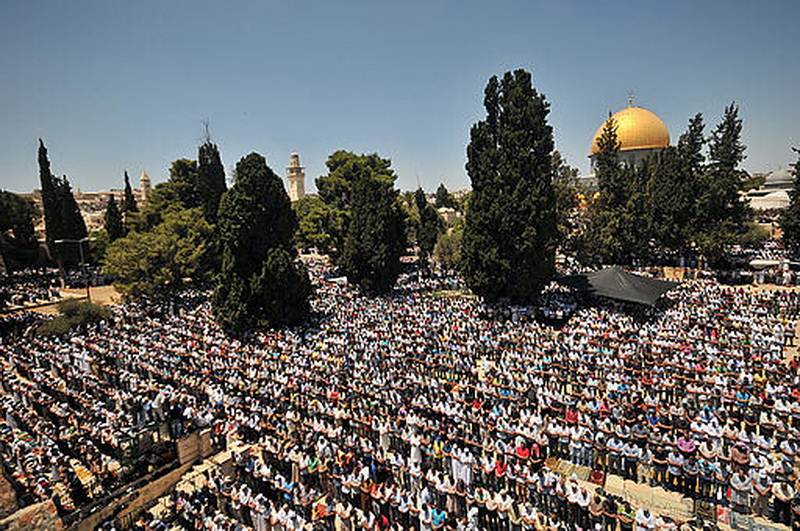
The Three Islamic Holiest Places of Worship


Al-Jazeerah

ccun 


Books About Islam

By Hasan Ali El-Najjar

Al-Haram Mosque in Makkah The Prophet's Mosque in Madinah . Al-Aqsa Mosque Compound in Jerusalem


***

***

Book I. Islam: A Scientific View of God's Message to Humanity


1. Islam: A Brief Introduction


2. Three Levels of Faith: Islam, Iman, and I'hsan 


3. The Scientific Evidence That God Exists and the Holy Qur'an Is His Message to Humanity 


4. Creation and Evolution in the Holy Quran


5. Humans, As God's Caliphs on Earth


6. Adam's Contest With the Angels, and Getting Out of Paradise


7. Worshippers By Choice Or Forced Slaves?  


8. The Relationship Between the Spiritual and the Physical Aspects of Islamic Teachings  


9. Spirit, Soul, Mind, Self, and Happiness, from an Islamic Perspective


10. Heart-Mind Relationship in the Holy Quran  

Book II. A Scientific View of the Five Pillars of Islam


1. Islamic Proclamation of Faith


2. Performing Islamic Prayers


3. Giving Zakat, Charity, The Third Islamic Duty


4. Fasting and Ramadhan, Great Gifts from Allah to Muslims


5. 'Haj, Pilgrimage, the Fifth Pillar of Islam


Book III: Allah, Praise to Him


1. God’s Physical Features 


2. Why Did Allah Create Humans? 


3. Methodological Background of Writing About the Good Names of Allah


4. The Full List of the Good Names of Allah 

5. Verbal Names, Unique Qualities Denied to Others, and Deducted Traits 


Book IV. Messengers of Allah to His Human Caliphs, on the Earth

1. Messengers, Prophets, Miracles, and Prophecies


2. Messengers of Allah, His Prophets, and  their Stories, as Mentioned in the Holy Quran 


3. Angels: The Honorable Worshippers of Allah


4. Noo'h (Noah): The Ark Builder, in the Holy Quran  


5. Ibraheem (Abraham), God's Good Friend, in the Holy Quran


6. Moosa (Moses): The Messenger Supported with Nine Miracles, in the Holy Quran


7. 'Eisa, Jesus, the Son of Mary: God's Creation Miracle in the, Holy Quran  


8. Mu'hammed: God’s Mercy to the Worlds,  in the Holy Quran

9. Prophet Mu'hammed's Night Journey and Ascent to Heavens, Al-Isra Wal Mi'raj


V. The Last Day, God’s Precise Measurement, and His Just Decrees  


1. Signs of the Hour 


2. The Last Day and its Four Main Events: The Hour, Resurrection, Reckoning, and Judgment


3. God's Precise Measurement and His Just Decree (Al-Qadar Wal Qadha)


Book VI. I'hsan: Watching Allah in What We Say and What We Do 


1. Introduction to Islamic Law, (Shari'a), Part I: Commands of  Prohibition and Admonition, the Holy Quran 


2. Introduction to Islamic Law (Shari'a),  Part II: The "No" Commands in the Holy Quran 


Book VII. I'hsan: Watching Allah in What We Say and What We Do 


Introduction to Islamic Shari’a: Imperative Commands of Justice and Righteousness, in the Holy Quran


***


Articles with Islamic Perspective:

Health Care Crisis in the US: An Islamic Perspective


"Terrorism" & "Islamo-Fascism" Propaganda Campaigns: An Interactive Lecture


Six Questions About Islam, Muslims and Jews


Five Islamic Issues: Predestination and choice, position toward other religions, angels, and the End of Days

Food Islamic Rules and Teachings
 

Are Muslim women second-class citizens  


The French Ban on Islamic Headscarf, an Interview with


Links to Islamic Topics 2007-2010


Links to Islamic Topics 2007


Links to Islamic topics 2006


Links to Islamic topics 2005


Links to Islamic topics 2004


Links to Islamic topics, 2003


2002 Links to Islamic topics


Messengers of Allah to His Human Caliphs,

on the Earth

***


By Hasan Ali El-Najjar


1447 / 2026


*** 


Chapter 2:


Messengers of Allah, His Prophets, and their Stories,


Mentioned in the Holy Quran


***


أعوذُ باللهِ منَ الشيطانِ الرجيم

بِسْمِ اللَّـهِ الرَّحْمَـٰنِ الرَّحِيمِ

والصَّلَاةُ وَالسَّلَامُ عَلَى سَيِّدِنَا مُحَمَّدٍ ،

خَاتَمِ الأنْبِيَاءِ وَإمَامِ الْمُرْسَلِينَ


اللَّهُ يَصْطَفِي مِنَ الْمَلَائِكَةِ رُسُلًا وَمِنَ النَّاسِ ۚ إِنَّ اللَّهَ سَمِيعٌ بَصِيرٌ (الْحَجُّ ، 22: 75).


يَا مَعْشَرَ الْجِنِّ وَالْإِنسِ أَلَمْ يَأْتِكُمْ رُسُلٌ مِّنكُمْ يَقُصُّونَ عَلَيْكُمْ آيَاتِي وَيُنذِرُونَكُمْ ... (الأْنْعَامُ ، 6: 130).


وَمَا مُحَمَّدٌ إِلَّا رَسُولٌ قَدْ خَلَتْ مِن قَبْلِهِ الرُّسُلُ ۚ (آلُ عِمْرَانَ ، 3: 144).


I seek refuge with God from the stoned (cursed) Shaytan (Satan)

In the Name of Allah, the Beneficent, the Merciful 

Peace and blessings be upon our Master, Mu’hammed, the Seal of Prophets and Imam of the Messengers


Allah chooses from the angels messengers and from the people. Indeed, Allah is Hearing and Seeing (Al-‘Hajj, 22: 75).


"O company of jinn and humans, did there not come to you messengers from among you, relating to you My verses and warning you …?" (Al-An’am, 6: 130).


Mu’hammed is not but a Messenger. (Other) messengers have passed on before him (Al-i-‘Imran, 3: 144).


***


Allah, praise to Him, told us about the stories of His Messengers and Prophets in the Holy Quran, to be educational for the human beings, who contemplate about them. These stories also confirm previous revelations and provide more details. In addition, these stories are guidance and mercy to the believers, as we read in verses 12: 109-111.


بِسْمِ اللَّـهِ الرَّحْمَـٰنِ الرَّحِيمِ


وَمَا أَرْسَلْنَا مِن قَبْلِكَ إِلَّا رِجَالًا نُّوحِي إِلَيْهِم مِّنْ أَهْلِ الْقُرَىٰ ۗ أَفَلَمْ يَسِيرُوا فِي الْأَرْضِ فَيَنظُرُوا كَيْفَ كَانَ عَاقِبَةُ الَّذِينَ مِن قَبْلِهِمْ ۗ وَلَدَارُ الْآخِرَةِ خَيْرٌ لِّلَّذِينَ اتَّقَوْا ۗ أَفَلَا تَعْقِلُونَ ‎﴿١٠٩﴾‏


حَتَّىٰ إِذَا اسْتَيْأَسَ الرُّسُلُ وَظَنُّوا أَنَّهُمْ قَدْ كُذِبُوا جَاءَهُمْ نَصْرُنَا فَنُجِّيَ مَن نَّشَاءُ ۖ وَلَا يُرَدُّ بَأْسُنَا عَنِ الْقَوْمِ الْمُجْرِمِينَ ‎﴿١١٠﴾


لَقَدْ كَانَ فِي قَصَصِهِمْ عِبْرَةٌ لِّأُولِي الْأَلْبَابِ ۗ مَا كَانَ حَدِيثًا يُفْتَرَىٰ وَلَٰكِن تَصْدِيقَ الَّذِي بَيْنَ يَدَيْهِ وَتَفْصِيلَ كُلِّ شَيْءٍ وَهُدًى وَرَحْمَةً لِّقَوْمٍ يُؤْمِنُونَ ‎﴿١١١﴾‏ (يُوسُفُ ، 12: 109-111).


In the Name of Allah, the Beneficent, the Merciful


And We did not send before you (as messengers) except men to whom We revealed from among the people of cities. So, have they not traveled through the Earth, to see how the end was for those before them? And the home of the Hereafter is best for those who are righteous. Then, will you not reason? (109)


The Messengers (would continue their work) until they despaired and thought that they had been disbelieved. Then, our victory came to them, as We save whomever We will.


And Our punishment cannot be repelled from the people who are criminals. (110)


There was certainly, in their stories, a lesson for those of (reasoning) minds. (This Quran) was never an invented narration (by the Messenger), but a confirmation of what was before it, and a detailed explanation of everything, and guidance and mercy for a people who believe. (111) (Yousuf, 12: 109-111).


The Holy Quarn is a Book of guidance and lessons to be learned, revealed by Allah, praise to Him, to guide His human creations. As such, it is not a history book, and there is no clear statement in it, which says that its stories of the Messengers and Prophets came to show a chronological sequence. However, we can see such sequence from mentioning the stories of five Messengers. We can also make conclusions about other cases from the Holy Quran, the Prophet’s ‘Hadeeths, and the interpretations of Muslim scholars. Accordingly, the following presentation of their stories, in a chronological sequence in this Chapter, is an attempt by this author, on the basis of his best knowledge, without any claim of certainty about it.


  1. The five Messengers, who were mentioned in a sequence, in the Holy Quran, were Noo’h (Noah), Hood, Sali’h, Loot (Lot), and Shu’ayb, peace be upon them (pbut), as revealed in verse 11:89, in which Shu’ayb, pbuh, warned his people to avoid the punishment which struck those who disbelieved the Messengers of Allah before them. This sequence was confirmed through relating the stories of these Messengers and their peoples, in four Sooras (Chapters) of the Holy Quran: Al-A’araf, Hood, Al-Shu’ara, and Al-‘Ankaboot (Chapters 7, 11, 26, and 29, respectively).  [1]


وَيَا قَوْمِ لَا يَجْرِمَنَّكُمْ شِقَاقِي أَن يُصِيبَكُم مِّثْلَ مَا أَصَابَ قَوْمَ نُوحٍ أَوْ قَوْمَ هُودٍ أَوْ قَوْمَ صَالِحٍ ۚ وَمَا قَوْمُ لُوطٍ مِّنكُم بِبَعِيدٍ (هُودُ ، 11: 89)

.

And O my people, let not (your) dissension from me cause you to be struck by that similar to what struck the people of Noo’h (Noah), or the people of Hood, or the people of Sali’h. And the people of Loot (Lot) are not from you far away (Hood, 11: 89).


Thus, mentioning Loot (Lot) means that Ibraheem (Abraham) was sent before him, and that Isma’eel (Ishmael), Is’haq (Isaac), Ya’coob (Jacob), Yousuf (Joseph), Moosa (Moses), and Haroon (Aaron) came after him. Likewise, Dawood (David) was before Sulayman (Solomon), as well as Zakariya (Zachariah) and Ya’hya (John, the Baptist) were before the mission of ‘Eisa (Jesus), peace be upon them all. In addition, Adam, pbuh, was the First Prophet, and Mu’hammed, pbbuh, was the Final Prophet and the Last Messenger.

مَّا كَانَ مُحَمَّدٌ أَبَا أَحَدٍ مِّن رِّجَالِكُمْ وَلَٰكِن رَّسُولَ اللَّهِ وَخَاتَمَ النَّبِيِّينَ ۗ وَكَانَ اللَّهُ بِكُلِّ شَيْءٍ عَلِيمًا ‎(الأحْزَابُ ، 33: 40).


Mu’hammed was not the father of one of your men, but the Messenger of Allah, and Final of the Prophets. And ever is Allah, of all things, Knowing (Al-A’hzab, 33: 40).


***


Messengers of Allah and His Prophets, Who Are Mentioned in the Holy Quran


1. Adam, pbuh, was the First Prophet. The main lesson we learn from his story is that obedience to Allah, praise to Him, is better for us, and disobedience to Him is bad for us, in this life and in the hereafter. His Lord, Allah, praise to Him, admonished him not to listen to the words of the Shaytan (Satan), as he is his arch enemy. However, he disobeyed Him, which led to banishing him out of Paradise, as a punishment for him in this lower life. Then, Adam asked for forgiveness. So, Allah, the Merciful, forgave him, and told us about his story, so we do not fall to the plots of the cursed Shaytan, like he did.


There is no clear statement in the Holy Quran mentioning that Adam, pbuh, was a Messenger or a Prophet. However, in a ‘Hadeeth narrated by Companion Abu Umama Al-Bahily, may Allah be pleased with him (mAbpwh), the Messenger of Allah, pbbuh, said that: “Adam was a Prophet, whom (Allah) talked to. There were ten generations between him and Noo’h (Noah), and there were 315 Messengers.” [2]


The Prophet of Allah, Adam, was mentioned 25 times in the Holy Quran. This is the same number of times, in which the Messenger of Allah ‘Eisa (Jesus) was also mentioned in the Holy Quran. It is one of the manifestations of the numerical miracles in the Book of Allah. It is also a reference to the similarity in the creation of them both. [3]


إِنَّ مَثَلَ عِيسَىٰ عِندَ اللَّهِ كَمَثَلِ آدَمَ ۖ خَلَقَهُ مِن تُرَابٍ ثُمَّ قَالَ لَهُ كُن فَيَكُونُ (ألُ عِمْرَانَ ، 3: 59).


Indeed, the example of ‘Eisa (Jesus) to Allah is like that of Adam. He created Him from dust; then He said to him, "Be," and he was (Aal-‘Imran, 3: 59).


While Allah, praise to Him, created humans generally in sequential stages (Noo’h, 71: 14), from males and  females (Al-‘Hujurat, 49: 13), He created Adam with His own hands (Sad, 38: 75), just like He created ‘Eisa (Jesus) without a father (Aal-‘Imran, 3: 47). These are two great signs of His ability, told to His creations, so that they believe in Him, thus gaining His mercy and contentment, in this lower life and in the hereafter. [4] 


Details of the Adam story have been presented in the sixth chapter of the first book about Islam, by this author (Islam: A Scientific View of God’s Message to Humanity), titled, “Adam’s Contest with the Angels and Getting Out of Paradise.”


***


2. The Holy Quran mentions the Prophet of Allah, Idrees, pbuh, whom Allah, praise to Him, lifted to heavens, just like He did to ‘Eisa (Jesus), pbuh, later. He was known for telling the truth and he was patient, in conducting his mission, as we learn from verses 19: 56-57 and 21: 85. The Holy Quran does not tell us anything more about him or about his people. However, we learn more about him from the ‘Hadeeths of the Prophet, pbbuh.  


وَاذْكُرْ فِي الْكِتَابِ إِدْرِيسَ ۚ إِنَّهُ كَانَ صِدِّيقًا نَّبِيًّا ﴿٥٦﴾‏ وَرَفَعْنَاهُ مَكَانًا عَلِيًّا ‎﴿٥٧﴾‏ (مَرْيَمُ ، 19: 56-57).


وَإِسْمَاعِيلَ وَإِدْرِيسَ وَذَا الْكِفْلِ ۖ كُلٌّ مِّنَ الصَّابِرِينَ (الأنْبِيَاءُ ، 21: 85).


And mention in the Book, Idrees. Indeed, he was a man of truth and a Prophet. (56) And We lifted him up to a high station. (57) (Maryam, 19: 56-57).


And (mention) Isma’eel (Ishmael) and Idrees and Dthul-Kifl; all were of the patient (Al-Anbiya, 21: 85).


Companion Anas Bin Malik, mAbpwh and his father, said that the Messenger of Allah, pbbuh, said: “When I was ascended (on the Night Journey), I saw Idrees in the Fourth Heaven.”  [5]


In another long ‘Hadeeth, we learn that Idrees, pbuh, is Akhnookh (Enoch), who was separated from Adam by five forefathers. The ‘Hadeeth was narrated by Companion Abu Dther El-Ghifari, mAbpwh, who said that the messenger of Allah, pbbuh, told him: “Four of the Prophets were Suryani: Adam, Sheath (Seth), Akhnookh (Enoch), the first to write with a pen, and Noo’h (Noah).”  [6]


In his biography of the Messenger of Allah, pbbuh, Ibn Is’haq mentioned that Akhnookh (Enoch) was separated from Adam by five forefathers. These were Yard, Mahalayeel (Mahalaleel), Qeenan (Keenan), Anoosh, and Sheath, the son of Adam, the father of humans, peace and blessings of Allah be upon them, who were good and good doers.” [7] 


Likewise, Books of the Old Testament mention that Enoch (Akhnookh) is separated from Adam by five forefathers, peace be upon them, and that he lived on the Earth for 365 years. This life span may sound long to us today, but it was much shorter than that of Lamech, who lived 977 years, and Noo’h (Noah), who lived 950 years.


While Lamech and Noo’h (Noah) died on the Earth, Enoch (Akhnookh) did not die on it. Allah, praise to Him, lifted him up to heavens, so he would not taste death therein, as a reward for his righteousness, and for his good deeds towards people.


Another explanation for lifting him up to heaven, provided by biblical scholars, is that Allah, praise to Him, wanted to keep him alive until the End of Days, when he and Elyas, will return to the Earth, to be witnesses on the ability of Allah, praise to Him, to fulfill His promises, which he made through His Messengers.   [8


In general, not all of what the People of the Book said or wrote in the Scriptures should be believed as true (as we learn from the ‘Hadeeth). Much of it was a distortion of the words from their proper meanings, or lacking, as a result of their forgetfulness (Al-Ma-ida, 5: 13). Some of it was not even from the Scripture, nor from Allah, or outright lies (Aal-‘Imran, 3: 78). Others were merely the wishful thinking and guessing of the illiterate among them (Al-Baqara, 2: 2: 78). [9]


***


3. Our Lord, Allah, praise to Him, told us about the story of His Messenger, Noo’h (Noah), pbuh, which informs us that he was one of the Messengers of Allah (Al-A’araf, 7: 59), whom He sent with new laws (Al-Shoora, 42: 13), and He took from them a strong covenant, to tell His Messages to people (Al-A’hzab, 33: 7). Among them were the “Messengers with Determination” (Ulul ‘Azm: أُولُو الْعَزْمِ), whom He described as patient, (Al-A’hqaf, 46: 35), in conducting their missions. [10]


لَقَدْ أَرْسَلْنَا نُوحًا إِلَىٰ قَوْمِهِ فَقَالَ يَا قَوْمِ اعْبُدُوا اللَّهَ مَا لَكُم مِّنْ إِلَٰهٍ غَيْرُهُ إِنِّي أَخَافُ عَلَيْكُمْ عَذَابَ يَوْمٍ عَظِيمٍ (الأعْرَافُ ، 7: 59).


We had certainly sent (as a Messenger) Noah to his people, and he said: "O my people, worship Allah; you have no other deity than Him. Indeed, I fear for you the torment of a tremendous Day (Al-A’araf, 7: 59).


Noo’h (Noah) lived among his people 950 years, inviting them to the worship of Allah (Al-‘Ankaboot, 29: 14). However, most of his people did not believe in him, and the eminent among them said to him: “We see you in a clear misguidance” (Al-A’araf, 7: 60), and "we do not see you followed, except by those who are the lowest of us” (Hood, 11: 27). They even threatened him with stoning him, if he would not stop inviting them to worship Allah. They said: "If you do not desist, O Noo’h (Noah), you will surely be of those who are stoned" (Al-Shu’ara, 26: 116).


Then, Noo’h (Noah) supplicated against them, saying: “My Lord, indeed, my people have disbelieved (denied) me (117), judge between me and them, with decisive judgment, and save me and those with me of the believers" (118) (Al-Shu’ara, 26: 117-118), and he said: :My Lord, do not leave upon the land from among the disbelievers an inhabitant (Noo’h, 71: 26).


His Lord answered his supplication, commanding him to make the arch (ship), to save him and the believers with him in it. Then, He drowned the disbelievers, who wronged themselves by insisting on their disbelief, including Noo’h’s (Noah’s) wife and his son (Hood, 11: 37-48; Noo’h, 71: 1-28).


The Noo’h (Noah) story is the subject of the Fourth Chapter of this book, titled, “Noo’h: The Ark Builder.”


***


4. Allah, praise to Him, sent His Messenger, Hood, pbuh, to his people, ‘Aad, when they disbelieved in their Creator. They used to live in Al-A’hqaf (Al-A’hqaf, 46: 21), which is located in the area where today’s borders of Saudi Arabia, ‘Oman, and Yemen meet. [11] 


إِذْ قَالَ لَهُمْ أَخُوهُمْ هُودٌ أَلَا تَتَّقُونَ ﴿١٢٤﴾ إِنِّي لَكُمْ رَسُولٌ أَمِينٌ ﴿١٢٥﴾ (الشُّعَرَاءُ ، 26: 124-125).


When their brother Hood said to them: "Will you not fear punishment of Allah? (124) Indeed, I am to you a trustworthy Messenger. (125) (Al-Shu’ara, 26: 124-125).


Hood, pbuh, further said to them: “O my people, worship Allah; you have no other deity than Him. You are not but proponents of falsehood” (Hood, 11: 50). He further reminded them of God’s favors bestowed on them, saying: “Remember when He made you successors, after the people of Noo’h” (Noah), “increased you in stature extensively” (Al-A’araf, 7: 69), which enabled you to construct in every elevation, build palaces and fortresses (Al-Shu’ara, 26: 128-129), and He provided you with grazing livestock, children, gardens, and water springs (Al-Shu’ara, 26: 133-134).


However, instead of thanking Allah, praise to Him, for His favors, they became more arrogant, and said: “Who is more powerful than us?” (Fussilat, 41: 15). Their arrogance was reflected in their actions. So, whenever they struck, they struck (mercilessly) as tyrants (Al-Shu’ara, 26: 130). Thus, they did not listen to the Messenger of Allah and they even accused him of foolishness and of being a liar (Al-A’araf, 7: 66). They ignored him and continued to worship the idols, which do not cause them benefit or harm, just because their forefathers worshipped them. In their final statement, they said to him: We are not leaving our gods, on your say, and we are not believers in you (Hood, 11: 53).


At that point, Allah, praise to Him, eliminated the disbelievers, who denied His signs, and saved His Messenger and the believers with him, with His mercy (Al-A’araf, 7: 72).

They “were destroyed by a screaming, violent wind (6), Which Allah imposed upon them for seven nights and eight days in succession. So, you would see the people therein fallen, as if they were hollow trunks of palm trees (7) (Al-‘Haaqqa, 69: 6-7).


When they saw it as a cloud approaching their valleys, they said: "This is a cloud bringing us rain!” Rather, it is that for which you were impatient, a wind, within it a painful punishment, (24) destroying everything by command of its Lord. And they became so that nothing was seen (of them) except their dwellings. Thus, We recompense the criminal people (25) (Al-A’hqaf, 46: 24-25).


وَأَمَّا عَادٌ فَأُهْلِكُوا بِرِيحٍ صَرْصَرٍ عَاتِيَةٍ ‎﴿٦﴾‏ سَخَّرَهَا عَلَيْهِمْ سَبْعَ لَيَالٍ وَثَمَانِيَةَ أَيَّامٍ حُسُومًا فَتَرَى الْقَوْمَ فِيهَا صَرْعَىٰ كَأَنَّهُمْ أَعْجَازُ نَخْلٍ خَاوِيَةٍ ‎﴿٧﴾ (الْحَاقَّةُ ، 69: 7).


"فَلَمَّا رَأَوْهُ عَارِضًا مُّسْتَقْبِلَ أَوْدِيَتِهِمْ قَالُوا هَـٰذَا عَارِضٌ مُّمْطِرُنَا ۚ بَلْ هُوَ مَا اسْتَعْجَلْتُم بِهِ ۖ رِيحٌ فِيهَا عَذَابٌ أَلِيمٌ  ﴿٢٤﴾ تُدَمِّرُ كُلَّ شَيْءٍ بِأَمْرِ رَبِّهَا فَأَصْبَحُوا لَا يُرَىٰ إِلَّا مَسَاكِنُهُمْ ۚ كَذَٰلِكَ نَجْزِي الْقَوْمَ الْمُجْرِمِينَ" ﴿٢٥﴾ (الأحْقَاف ، 46: 24-25).


***


5. After the destruction of ‘Aad, Allah, praise to Him, sent His Messenger, Sali’h, to his people, Thamood (26; 142-143), who lived in Al-‘Hijr area, known as Mada-in Sali’h, which is located in northwestern Saudi Arabia today, between Al-Madeena (Madina) and Tabook. [12]


إِذْ قَالَ لَهُمْ أَخُوهُمْ صَالِحٌ أَلَا تَتَّقُونَ ﴿١٤٢﴾ إِنِّي لَكُمْ رَسُولٌ أَمِينٌ ﴿١٤٣﴾ (الشُّعَرَاءُ ، 26: 142-143).


When their brother, Sali'h, said to them: "Will you not fear (punishment of) Allah? (142) Indeed, I am to you a trustworthy Messenger. (143) (Al-Shu’ara, 26: 142-143).

He invited them to the worship of Allah, the Only God, reminding them of the numerous favors He bestowed to them (7: 74, 26: 146-151), as follows:


وَاذْكُرُوا إِذْ جَعَلَكُمْ خُلَفَاءَ مِن بَعْدِ عَادٍ وَبَوَّأَكُمْ فِي الْأَرْضِ تَتَّخِذُونَ مِن سُهُولِهَا قُصُورًا وَتَنْحِتُونَ الْجِبَالَ بُيُوتًا ۖ فَاذْكُرُوا آلَاءَ اللَّـهِ وَلَا تَعْثَوْا فِي الْأَرْضِ مُفْسِدِينَ (الأعْرَافُ ، 7: 74).


أَتُتْرَكُونَ فِي مَا هَاهُنَا آمِنِينَ ‎﴿١٤٦﴾‏ فِي جَنَّاتٍ وَعُيُونٍ ‎﴿١٤٧﴾‏ وَزُرُوعٍ وَنَخْلٍ طَلْعُهَا هَضِيمٌ ‎﴿١٤٨﴾‏ وَتَنْحِتُونَ مِنَ الْجِبَالِ بُيُوتًا فَارِهِينَ ‎﴿١٤٩﴾‏ فَاتَّقُوا اللَّهَ وَأَطِيعُونِ ‎﴿١٥٠﴾‏ وَلَا تُطِيعُوا أَمْرَ الْمُسْرِفِينَ ‎﴿١٥١﴾ (الشُّعَرَاءُ ، 26: 146-151).


“And remember when He made you successors after 'Aad, and settled you in the land, taking for yourselves palaces from its plains, and carving from the mountains, homes. So, remember the favors of Allah, and do not commit abuse on the land, spreading corruption" (Al-A’araf, 7: 74).


Will you be left in what is here, secure (146), within gardens and springs (147), and fields of crops, and palm trees with softened fruit? (148) And you skillfully carve out of the mountains, spacious homes. (149) So, fear (the punishment of) Allah, and obey me. (150) And do not obey the order of the transgressors, (151) (Al-Shu’ara, 26: 146-151).


However, Sali’h’s people, Thamood, refused his invitation and insisted on their disbelief in Allah and His Messenger. Moreover, they continued their oppression of the weakened people, who believed in him (Al-A’araf, 7: 75-76). They even challenged him to bring a sign from Allah, in support of his mission (Al-Shu’ara, 26; 154). Allah, praise to Him, accepted their challenge, and sent them a she-camel, as a sign. He told them, through His Messenger, that she should be allowed to eat and drink on His land, on one day, while they do that on another day, without touching her with any harm. He warned them that if they caused her any harm, they will be struck with a painful punishment (Al-A’araf, 7: 37; Hood, 11: 64; Al-Shu’ara, 26: 155-156; and Al-Qamar, 54: 23-31). [13]


In defiance to Allah and His Messenger, nine of their eminent ones hamstrung (killed) the she-camel. They also plotted to kill Sali’h, pbuh, but Allah, praise to Him, saved him, together with those who believed with him, from their plot and from the punishment which struck them, because of their disbelief, tyranny, and arrogance (Al-A’araf, 7: 77; Al-Naml, 27: 48-49; Hood, 11: 66; Al-Shu’ara, 26: 157-158; Al-Shams, 91: 14).     [14]


So, when they hamstrung (killed) the she-camel, Sali’h, pbuh, told them that the punishment of Allah is going to seize them, after three days (Hood, 11: 65). It came upon them, in the form of a shriek and an earthquake trembling, which followed it. Thus, they became lying corpses, in their homes (Hood, 11: 67; Al-‘Hijr, Al-A’araf, 7: 78; 15: 83; and Al-Qamar, 54: 31). [15]


فَانظُرْ كَيْفَ كَانَ عَاقِبَةُ مَكْرِهِمْ أَنَّا دَمَّرْنَاهُمْ وَقَوْمَهُمْ أَجْمَعِينَ ﴿٥١﴾ فَتِلْكَ بُيُوتُهُمْ خَاوِيَةً بِمَا ظَلَمُوا ۗ إِنَّ فِي ذَٰلِكَ لَآيَةً لِّقَوْمٍ يَعْلَمُونَ ﴿٥٢﴾ (النَّمْلُ ، 27: 51-52).


Then, look how was the outcome of their plot, that We destroyed (the eminent ones) and their people, all. (51) So, those are their houses, desolate, because of the wrong they had done. Indeed, in that is a sign (learning lesson), for people who know. (52) (Al-Naml, 27: 51-52).


***


6. Our Lord, Allah, praise to Him, told us about the story of His Messenger, Ibraheem (Abraham), pbuh, which informs us that he was one of the “Determined (Ulul ‘Azm) Messengers” of Allah (Al-A’araf, 7: 59), whom He sent with new laws (Al-Shoora, 42: 13). He took from them a strong covenant, to tell His Messages to people (Al-A’hzab, 33: 7), and He described them as patient, (Al-A’hqaf, 46: 35), in conducting their missions. [16]


وَلَقَدْ أَرْسَلْنَا نُوحًا وَإِبْرَاهِيمَ وَجَعَلْنَا فِي ذُرِّيَّتِهِمَا النُّبُوَّةَ وَالْكِتَابَ ۖ فَمِنْهُم مُّهْتَدٍ ۖ وَكَثِيرٌ مِّنْهُمْ فَاسِقُونَ (الْحَدِيدُ ، 57: 26).


And We have already sent (as Messengers) Noo’h (Noah) and Ibraheem (Abraham). And We placed in their descendants prophethood and scripture. Among them is a guided (one), but many of them are (defiantly) disobedient (Al-‘Hadeed, 57: 26).


When his people rejected his invitation, he destroyed their idols, which led them to punish him by throwing him into a big fire they made for him. However, Allah, praise to Him, willed to save him, by commanding the fire to be “cool and peace” on him, to be a sign for his people to believe. As they still insisted on their rejection of his invitation, Allah, praise to Him, commanded him to leave them to the Holy Land, to resume his mission therein.


The story of Ibraheem (Abraham), pbuh, is the topic of Chapter 5 (Ibraheem: The Good Friend of Allah), of this fourth book about Islam by this author (Messengers of Allah to His Human Caliphs on the Earth).


***


7. The Holy Quran presented us with the story of the Messenger of Allah, Loot (Lot), pbuh, who was sent to his people, to warn them of the grave consequences of their behaviors, which were contrary to the human nature. They were the first to practice the most heinous and obscene sin in the worlds. They lusted for men, away from women, as an expression of their transgression, corruption, and rejection to the commands of Allah, praise to Him.  [17] 


وَإِنَّ لُوطًا لَّمِنَ الْمُرْسَلِينَ (الصَّافَّاتُ ، 37: 133).


And indeed, Loot (Lot) was among the Messengers (Al-Saaffat, 37: 133).


In spite of their rejection, Loot (Lot), pbuh, kept admonishing them to stop committing that sin, in order to avoid God’s punishment, but they did not listen to him. They even threatened to expel him and his family from their city, as they kept themselves pure (Al-A’araf, 7: 80-82).


وَلُوطًا إِذْ قَالَ لِقَوْمِهِ أَتَأْتُونَ الْفَاحِشَةَ مَا سَبَقَكُم بِهَا مِنْ أَحَدٍ مِّنَ الْعَالَمِينَ ‎﴿٨٠﴾‏ إِنَّكُمْ لَتَأْتُونَ الرِّجَالَ شَهْوَةً مِّن دُونِ النِّسَاءِ ۚ بَلْ أَنتُمْ قَوْمٌ مُّسْرِفُونَ ‎﴿٨١﴾‏ وَمَا كَانَ جَوَابَ قَوْمِهِ إِلَّا أَن قَالُوا أَخْرِجُوهُم مِّن قَرْيَتِكُمْ ۖ إِنَّهُمْ أُنَاسٌ يَتَطَهَّرُونَ ‎﴿٨٢﴾‏ (الأعْرَافُ ، 7: 80-82).


And (mention) Loot (Lot), when he said to his people: "Do you commit such immorality as no one has preceded you with from among the worlds? (80) Indeed, you approach men with desire, instead of women. Rather, you are a transgressing people." (81) But the answer of his people was only that they said: "Expel them from your city! (Because) they are people who keep themselves pure." (82) (Al-A’araf, 7: 80-82).


Then, Allah, praise to Him, sent His angels to exact His punishment on them, which was striking them with a streak, in the following morning (Al-’Hijr, 15: 73), as detailed in verses 11: 77-83).


"وَلَمَّا جَاءَتْ رُسُلُنَا لُوطًا سِيءَ بِهِمْ وَضَاقَ بِهِمْ ذَرْعًا وَقَالَ هَٰذَا يَوْمٌ عَصِيبٌ ‎﴿٧٧﴾‏ وَجَاءَهُ قَوْمُهُ يُهْرَعُونَ إِلَيْهِ وَمِن قَبْلُ كَانُوا يَعْمَلُونَ السَّيِّئَاتِ ۚ قَالَ يَا قَوْمِ هَٰؤُلَاءِ بَنَاتِي هُنَّ أَطْهَرُ لَكُمْ ۖ فَاتَّقُوا اللَّهَ وَلَا تُخْزُونِ فِي ضَيْفِي ۖ أَلَيْسَ مِنكُمْ رَجُلٌ رَّشِيدٌ ‎﴿٧٨﴾‏ قَالُوا لَقَدْ عَلِمْتَ مَا لَنَا فِي بَنَاتِكَ مِنْ حَقٍّ وَإِنَّكَ لَتَعْلَمُ مَا نُرِيدُ ‎﴿٧٩﴾‏ قَالَ لَوْ أَنَّ لِي بِكُمْ قُوَّةً أَوْ آوِي إِلَىٰ رُكْنٍ شَدِيدٍ ‎﴿٨٠﴾‏ قَالُوا يَا لُوطُ إِنَّا رُسُلُ رَبِّكَ لَن يَصِلُوا إِلَيْكَ ۖ فَأَسْرِ بِأَهْلِكَ بِقِطْعٍ مِّنَ اللَّيْلِ وَلَا يَلْتَفِتْ مِنكُمْ أَحَدٌ إِلَّا امْرَأَتَكَ ۖ إِنَّهُ مُصِيبُهَا مَا أَصَابَهُمْ ۚ إِنَّ مَوْعِدَهُمُ الصُّبْحُ ۚ أَلَيْسَ الصُّبْحُ بِقَرِيبٍ ‎﴿٨١﴾‏ فَلَمَّا جَاءَ أَمْرُنَا جَعَلْنَا عَالِيَهَا سَافِلَهَا وَأَمْطَرْنَا عَلَيْهَا حِجَارَةً مِّن سِجِّيلٍ مَّنضُودٍ ‎﴿٨٢﴾‏ مُّسَوَّمَةً عِندَ رَبِّكَ ۖ وَمَا هِيَ مِنَ الظَّالِمِينَ بِبَعِيدٍ ‎﴿٨٣﴾‏ (هُودُ ، 11: 77-83).


And when Our messengers, (the angels), came to Loot (Lot), he was anguished for them and felt for them great discomfort and said: "This is a trying day." (77) And his people came hastening to him, and before (this) they had been doing evil deeds. He said: "O my people, these are my daughters; they are purer for you. So, fear Allah and do not disgrace me concerning my guests. Is there not among you a man of reason?" (78) They said: "You have already known that we do not have any claim, concerning your daughters; and indeed, you know what we want." (79) He said: "If only I had against you some power, or (if I) could take refuge in a strong support." (80) (The angels) said: "O Loot (Lot), indeed, we are messengers of your Lord. (Therefore), they will never reach you. So, set out with your family during a portion of the night and let not any among you look back, except your wife. Indeed, she will be struck by that which strikes them. Indeed, their appointment is (in) the morning. Is not the morning near?" (81) Thus, when Our command came, We made the highest part (of the city) its lowest, and rained upon it stones of layered hard clay, (82) (which were) marked from your Lord. And (your Lord's punishment) is not far from the wrongdoers (83) (Hood, 11: 77-83).


***


8. Mentioning the name of the Messenger of Allah, Isma’eel (Ishmael) came 12 times in the Holy Quran. This was with mentioning a number of the Prophets and Messengers of Allah, peace be upon them. Allah, praise to Him, sent him with His message of guidance to the Arabs of Makkah and its surroundings, in the Arabian Peninsula, who believed in him and in the message of Allah sent with him. [18]


وَاذْكُرْ فِي الْكِتَابِ إِسْمَاعِيلَ ۚ إِنَّهُ كَانَ صَادِقَ الْوَعْدِ وَكَانَ رَسُولًا نَّبِيًّا (مَرْيَمُ ، 19: 54).


And mention in the Book, Isma’eel (Ishmael). Indeed, he was true to his promise, and he was a Messenger (and) a Prophet (Maryam, 19: 54).

His story came with the story of his father, Ibraheem (Abraham), peace be upon them both, in three Sooras (Chapters) of the Holy Quran. These are Ibraheem (14: 37-39), Al-Saffat (37: 99-112), and Al-Baqara (2: 125-127).[19]


When Ibraheem became too old, without having a son, he supplicated to his Lord, Allah, Who answered his call by granting him Isma’eel (Ishmael) first, then Is’haq (Isaac) afterwards, peace be upon them all (Ibraheem, 14: 39). Then, when Isma’eel was still an infant, Allah, praise to Hi, commanded Ibraheem to take him and his mother to His Sacred House in Makkah, and to leave them therein, as we learn from his supplication: “Our Lord, I have settled some of my offspring in an uncultivated valley near Your sacred House, our Lord, that they may establish prayer. So, make hearts of some of the people incline toward them, and provide for them from the fruits, that they might be grateful” (Ibraheem, 14: 37).


When the Mother of Isma’eel (Haajar), peace be upon her, became without water, she ran between the mountains of the Safa and Marwa, seven times, looking for water. Then, the Archangel, Jibreel (Gabriel), peace be upon him, appeared and kicked the land with his foot, causing water to come out, from what is known as the Zamzam Well. Birds noticed the water and came to drink from it. When people of the Jurhum tribe noticed the birds hovering above the place, they came and asked Haajar to allow them to live with her, close to the water well. More details of the story are provided in the ‘Hadeeth narrated by ‘Abdullah Bin ‘Abbas, mAbpwt both, which was also presented by Al-Bukhari, in his Sa’hee’h. [20]


When Isma’eel grew up enough to be able to work, his father Ibraheem came in a visit, and told him that he received a revelation, while sleeping (in a dream), that he was slaughtering him. Isma’eel responded to him saying: “O my father, do as you are commanded. You will find me, if Allah wills, of the patient" (Al-Saffat, 37: 102). When they had both submitted to the command of their Lord, and just before starting the slaughter, Allah, praise to Him, called to Ibraheem, saying: "O Ibraheem (Abraham), (104) You have fulfilled the vision." Indeed, We thus reward the doers of good. (105) Indeed, this was the clear trial. (106) And We ransomed him with a great sacrifice (sheep) (107) (Al-Saffat, 37: 104-107).


Thus, Ibraheem and Isma’eel passed the test of Allah, by their obedience to His command, and by submission to His will. As a result, they gained His contentment and His praise, as He said: “Peace upon Ibraheem." (109) Indeed, We thus reward the doers of good. (110) Indeed, he was of Our believing worshippers. (111) And We gave him good tidings of Is’haq (Isaac), a Prophet, from among the righteous (112) (Al-Saffat, 37: 99-112).


It is noteworthy that the good tidings of Is’haq is a piece of evidence, from the Holy Quran, that the would-be sacrificed was Isma’eel, because it came as a reward for Ibraheem, for passing the divine test of his submission to His Lord. The Messenger of Allah, Mu’hammed, pbbuh, also mentioned in his ‘Hadeeth that the would-be sacrificed was Isma’eel.

Ibraheem, pbuh, came back to visit his family in Makkah, and this time for observing a command from his Lord, to build His Sacred House therein, and to purify it for "those who perform Tawaf (circumambulation), and those who are staying (there) for worship, and those who bow and prostrate (in prayer)" (Al-Baqara, 2: 125). After the completion of his mission, Ibraheem supplicated to his Lord, Allah, praise to Him, saying: “My Lord, make this a secure city and provide its people with fruits - whoever of them believes in Allah and the Last Day" (Al-Baqara, 2: 126). Allah, praise to Him, answered his call, as Makkah has become populous of believers, who have been living there, and of those who come for the pilgrimage to the Sacred House of Allah, ever since. The story of Ibraheem, Isma’eel, and Haajar became an important component of the ‘Haj (pilgrimage) rituals and meanings.


***


9. The name of the Prophet of Allah, Is’haq (Isaac), pbuh, was mentioned  seventeen times in the Holy Quran, with mentioning other Prophets and Messengers, particularly with mentioning his father, Ibraheem (Abraham), his brother Isma’eel (Ishmael), and his son, Ya’coob (Jacob), peace and blessings of Allah be upon them all. In one verse (37: 112), he was mentioned together with his father, and Allah, praise to Him, described him as a Prophet from among the righteous. [21]


وَبَشَّرْنَاهُ بِإِسْحَاقَ نَبِيًّا مِّنَ الصَّالِحِينَ ‎(الصَّافَّاتُ ، 37: 112).


And We gave him good tidings of Is’haq (Isaac), a Prophet from among the righteous (Al-Saffat, 37: 112).


After the death of his father, Is’haq continued to teach the Message he was sent with, and to rule by it among the people of the Holy Land (the Can’anites and the Philistines), as Prophets used to do after the Messengers. It was the Message of Islam, which invites people to believe in Allah, the One and Only One God, the Creator of Everything, and to worship Him alone, without taking any partners with Him.


***  


10. When Is’haq (Isaac), pbuh, died, the prophethood moved to his son, Ya’coob (Jacob), pbuh, whose name was mentioned sixteen times in the Holy Quran. In thirteen times, he was mentioned together with other Prophets and Messengers of Allah, particularly with his father, Is’haq, and his grandfather, Ibraheem, peace and blessings of Allah be upon them all.


In the other three times, his name was mentioned in Soorat Yousuf (Chapter 12) of the Holy Quran, in the context of the story of Yousuf (Joseph) and his brothers, peace be upon them all (12: 5, 12: 38, and 12: 68). [22]


فَلَمَّا اعْتَزَلَهُمْ وَمَا يَعْبُدُونَ مِن دُونِ اللَّهِ وَهَبْنَا لَهُ إِسْحَاقَ وَيَعْقُوبَ ۖ وَكُلًّا جَعَلْنَا نَبِيًّا (مَرْيَمُ ، 19: 49).


So, when he (Ibraheem) had left them and those they worshipped other than Allah, We gave him Is’haq (Isaac) and Ya’coob (Jacob), and each (of them) We made a Prophet (Maryam, 19: 49).


The story begins with Yousuf telling his father, Ya’coob, that he saw (in a dream) eleven planets, the Sun, and the Moon, all prostrating to him (Yousuf, 12: 4). His father told him not to tell his brothers about this vision. Otherwise, they would plot against him (out of jealousy). He further told him that he would be an important person, which would lead his brothers to prostrate to him. Moreover, he told him that Allah, praise to Him, would teach him how to explain dreams, choose him for the prophethood, as he chose his father and his forefathers, Is’haq and Ibraheem, before (Yousuf, 12: 5-6).


When Yoosuf’s brothers plotted to get rid of him, they asked their father to allow him to go with them to the wilderness, where they used to take their animals for grazing. At first, Ya’coob refused to let him go with them, but he agreed later, due to their persistent requests. Thus, they dropped Yousuf in the deserted water well, and came back to their father, pretending to weep for losing him. However, Ya’coob did not believe them, and said to them: “Rather, your souls have enticed you to something. So, patience is most fitting, and Allah is the One sought for help, against that which you describe" (18) (Yousuf, 12: 14-18).


After Yousuf had become the prime minister (‘Azeez) of Egypt, he also became in charge of the food distribution during the famine years, which Egypt and Bilad El-Sham (the Levant) experienced. So, his brothers came to Egypt, to buy what they needed of grains. While he knew them, they did not know him. He told them to bring their youngest brother first, then he revealed himself to them, and told them to bring his parents and their families, to live with him in Egypt. He also sent his shirt with them, to throw it on their father’s face, which would give him his sight back, after losing it while weeping for losing him.


The Holy Quran concluded the story by mentioning that when they arrived back to their father, Ya’coob said:


"إِنِّي لَأَجِدُ رِيحَ يُوسُفَ ۖ لَوْلَا أَن تُفَنِّدُونِ ‎﴿٩٤﴾‏ قَالُوا تَاللَّهِ إِنَّكَ لَفِي ضَلَالِكَ الْقَدِيمِ ‎﴿٩٥﴾‏ فَلَمَّا أَن جَاءَ الْبَشِيرُ أَلْقَاهُ عَلَىٰ وَجْهِهِ فَارْتَدَّ بَصِيرًا ۖ قَالَ أَلَمْ أَقُل لَّكُمْ إِنِّي أَعْلَمُ مِنَ اللَّهِ مَا لَا تَعْلَمُونَ" ‎﴿٩٦﴾‏ (يُوسُفُ ، 12: 94-96).


“… Indeed, I find the smell of Yousuf (Joseph), unless you refute it." (94) They said: "By Allah, indeed you are in your (same) old error" (95), but when the bearer of good tidings arrived, he cast (the shirt) over his face, and he returned (once again) seeing. Then, he said: "Did I not tell you that I know from Allah, that which you do not know?" (96) (Yousuf, 12: 94-96).


"فَلَمَّا دَخَلُوا عَلَىٰ يُوسُفَ آوَىٰ إِلَيْهِ أَبَوَيْهِ وَقَالَ ادْخُلُوا مِصْرَ إِن شَاءَ اللَّهُ آمِنِينَ ‎﴿٩٩﴾‏ وَرَفَعَ أَبَوَيْهِ عَلَى الْعَرْشِ وَخَرُّوا لَهُ سُجَّدًا ۖ وَقَالَ يَا أَبَتِ هَٰذَا تَأْوِيلُ رُؤْيَايَ مِن قَبْلُ قَدْ جَعَلَهَا رَبِّي حَقًّا ۖ وَقَدْ أَحْسَنَ بِي إِذْ أَخْرَجَنِي مِنَ السِّجْنِ وَجَاءَ بِكُم مِّنَ الْبَدْوِ مِن بَعْدِ أَن نَّزَغَ الشَّيْطَانُ بَيْنِي وَبَيْنَ إِخْوَتِي ۚ إِنَّ رَبِّي لَطِيفٌ لِّمَا يَشَاءُ ۚ إِنَّهُ هُوَ الْعَلِيمُ الْحَكِيمُ" ‎﴿١٠٠﴾‏ (يُوسُفُ ، 12: 99-100).


And when they entered upon Joseph, he took his parents to himself and said: "Enter Egypt, Allah willing, safely (and securely)." (99) And he raised his parents upon the throne, and they bowed to him in prostration. And he said: "O my father, this is the explanation of my vision of before. My Lord has made it reality. And He was certainly good to me when He got me out of the prison and brought you (here) from Bedouin life, after the Shaytan (Satan) had induced (estrangement) between me and my brothers. Indeed, my Lord is Subtle in what He wills. Indeed, it is He who is the Knowing, the Wise. (100) (Yousuf, 12: 99-100).


***


11. Allah, praise to Him, honored Yousuf (Joseph), pbuh, with the Prophethood, taught him about how to explain dreams, and showered him with His favors. In particular, He enabled him to become the prime minister (“Azeez) of Egypt, after what his brothers did to him, and the humiliation of the slavery he experienced as a result. Then, Allah, praise to Him, furthered His favors to him by reuniting him with his parents, brothers, and their families in Egypt.


We know all of that from the details of his fascinating and abundant of meanings story, which is narrated in the Holy Quran, in the Soora (Chapter), titled with his name.


There is not an explicit text in the Holy Quran which refers to Yousuf (Joseph), pbuh, as a Prophet or as a Messenger. However, verse 12: 38 referred to his prophethood, by mentioning that he was following the religious tradition of his forefathers, pbut all. Had he been a Messenger, he would have been given a new Message. Concerning ‘Hadeeth, the Messenger of Allah, Mu’hammed, pbbuh, said clearly that he was an honorable Prophet, as follows:  [23]


وَاتَّبَعْتُ مِلَّةَ آبَائِي إِبْرَاهِيمَ وَإِسْحَاقَ وَيَعْقُوبَ ۚ مَا كَانَ لَنَا أَن نُّشْرِكَ بِاللَّهِ مِن شَيْءٍ ۚ ذَٰلِكَ مِن فَضْلِ اللَّهِ عَلَيْنَا وَعَلَى النَّاسِ وَلَٰكِنَّ أَكْثَرَ النَّاسِ لَا يَشْكُرُونَ ‎﴿٣٨﴾ (يُوسُفُ ، 12: 38).


And I have followed the religious tradition of my forefathers, Ibraheem, Is’haq, and Ya’coob (Abraham, Isaac and Jacob). And it was not for us to associate anything with Allah. That is from the favor of Allah upon us and upon the people, but most of the people are not grateful (Yousuf, 12: 38).


عَنْ أبي هُرَيْرَةَ ، رَضيَ اللهُ عنهُ ، أنَّهُ قد قِيلَ للنبيِّ ، صَلَّى اللهُ عليه وسلَّمَ: مَن أَكْرَمُ النَّاسِ؟ قالَ: "أَكْرَمُهُمْ أَتْقَاهُمْ." قالوا: يا نَبِيَّ اللَّهِ ، ليسَ عن هذا نَسْأَلُكَ. قالَ: "فأكْرَمُ النَّاسِ يُوسُفُ ، نَبِيُّ اللَّهِ ، ابنُ نَبِيِّ اللَّهِ ، ابْنُ نَبِيِّ اللَّهِ ، ابْنُ خَلِيلِ اللَّهِ ..." (أخرجَهُ البُخارِيُّ في صحيحِه: 3374).


Companion Abu Hurayra, mAbpwh, said that the Prophet, pbbuh, was asked about who is the most honorable among people. He said: “The most honorable among them is the most righteous.” The companions who asked him said: O Prophet of Allah, we are not asking about that (in general). He said: “The most honorable among people was Yousuf. He was the Prophet of Allah, son of the Prophet of Allah, and (grand) son of the Good Friend of Allah …” [24]


Our Lord, Allah, praise to Him, told us the story of Yousuf (Joseph), pbuh, in one hundred verses of the clear Arabic text of the Holy Quran (Yousuf, 12: 3-103), in a brief but complete account, which characterizes the style of the Book of Allah. Therefore, the best presentation for this story is what has been revealed in these verses. Accordingly, what follows is just mentioning some of the events which were related in the story, and by no means should be considered in lieu of reading it in the Holy Quran.


The story of Yousuf, pbuh, begins when he tells his father, Ya’coob, that he saw (in a dream) eleven planets, the Sun, and the Moon, all prostrating to him. His father knew what the dream meant. Therefore, he told him not to tell his brothers about it. Otherwise, they would plot against him (out of jealousy). He further told him that Allah, praise to Him, would teach him how to explain dreams and would choose him for the prophethood, in the future (Yousuf, 12: 5-6).


Even without knowing about the dream, his brothers plotted against him, out of jealousy, as he was the closest to his father. So, they did cast him in a water well, where he was discovered by some travelers, who sold him as a slave to the prime minister (‘Azeez) of Egypt. Thus, he grew up in the palace until he reached manhood, when the wife of El-‘Azeez tried to seduce him. Because he did not do what she wanted, he was thrown into the prison for several years (Yousuf, 12: 19-35).


In the prison, he started to invite other prisoners to worship the One God, Allah. Two of the prisoners asked him to explain their dreams. He gave glad tidings to one of them, that he would get out of the prison and return to his previous work, in the service of the King. He told the other prisoner that he would be sentenced to death by crucifixion and birds would be eating from his head, which did happen exactly for both of them (Yousuf, 12: 36-42).


The King saw in his sleep “seven fat cows being eaten by seven (that were) skinny, and seven green spikes (of grain) and others (that were) dry“ (Yousuf12: 43), but nobody around him could explain that dream. The ex-prisoner told the King about Yousuf’s ability to interpret dreams and offered to ask him for an interpretation.


Yousuf, pbuh, explained the King’s dream succinctly, saying: “You will plant for seven years consecutively, and what you harvest leave it in its spikes, except a little from which you will eat (47). Then, seven difficult (years) will come after that, which will consume what you saved for them, except a little from which you will store (48). Then, a year will come after that, in which the people will be given rain, and in which they will press (olives and grapes)" (49) (Yousuf, 12: 47-49).


قَالَ تَزْرَعُونَ سَبْعَ سِنِينَ دَأَبًا فَمَا حَصَدتُّمْ فَذَرُوهُ فِي سُنبُلِهِ إِلَّا قَلِيلًا مِّمَّا تَأْكُلُونَ ‎﴿٤٧﴾‏ ثُمَّ يَأْتِي مِن بَعْدِ ذَٰلِكَ سَبْعٌ شِدَادٌ يَأْكُلْنَ مَا قَدَّمْتُمْ لَهُنَّ إِلَّا قَلِيلًا مِّمَّا تُحْصِنُونَ ‎﴿٤٨﴾‏ ثُمَّ يَأْتِي مِن بَعْدِ ذَٰلِكَ عَامٌ فِيهِ يُغَاثُ النَّاسُ وَفِيهِ يَعْصِرُونَ ‎﴿٤٩﴾‏ (يُوسُفُ ، 12: 47-49).


The King was happy with Yousuf’s interpretation of his dream. So, he ordered him out of prison and appointed him as the prime minister (‘Azeez) of Egypt. In particular, he wanted him to be directly responsible for the implementation of his interpretation, including the storage of the harvest during the good years, so people can survive on it in the difficult years, as stated in verses 12: 54-56.


وَقَالَ الْمَلِكُ ائْتُونِي بِهِ أَسْتَخْلِصْهُ لِنَفْسِي ۖ فَلَمَّا كَلَّمَهُ قَالَ إِنَّكَ الْيَوْمَ لَدَيْنَا مَكِينٌ أَمِينٌ ‎﴿٥٤﴾‏ قَالَ اجْعَلْنِي عَلَىٰ خَزَائِنِ الْأَرْضِ ۖ إِنِّي حَفِيظٌ عَلِيمٌ ‎﴿٥٥﴾‏ وَكَذَٰلِكَ مَكَّنَّا لِيُوسُفَ فِي الْأَرْضِ يَتَبَوَّأُ مِنْهَا حَيْثُ يَشَاءُ ۚ نُصِيبُ بِرَحْمَتِنَا مَن نَّشَاءُ ۖ وَلَا نُضِيعُ أَجْرَ الْمُحْسِنِينَ ‎﴿٥٦﴾ (يُوسُفُ ، 12: 54-56).


And the King said: "Bring him to me; I will appoint him exclusively for myself." And when he spoke to him, he said: "Indeed, you are today for Us established (in position) and trusted." (54) (Yousuf) said: "Appoint me over the storehouses of the land. Indeed, I will be a knowing guardian." (55) And thus, We established Yousuf in the land, to settle therein wherever he willed. We touch with Our mercy whom We will, and We do not allow the reward, of those who do good, to be lost. (56) (Yousuf, 12: 54-56).

During the difficult years, Yousuf’s brothers came from the land of Can’an (Palestine) to Egypt, to buy grains. He knew them while they did not know him. Then, he revealed himself to them, forgave them, and told them to bring his parents and their families with them, to settle in Egypt with him.


The story is concluded with the implementation of what Yousuf saw in his dream, which he had told to his father before his disappearance, as we read in verses 12: 99-101. Then, we learn about the goal of telling the stories of the Prophets and the Messengers of Allah, in the Holy Quran, as stated in verse 12: 111.


فَلَمَّا دَخَلُوا عَلَىٰ يُوسُفَ آوَىٰ إِلَيْهِ أَبَوَيْهِ وَقَالَ ادْخُلُوا مِصْرَ إِن شَاءَ اللَّهُ آمِنِينَ ‎﴿٩٩﴾‏ وَرَفَعَ أَبَوَيْهِ عَلَى الْعَرْشِ وَخَرُّوا لَهُ سُجَّدًا ۖ وَقَالَ يَا أَبَتِ هَٰذَا تَأْوِيلُ رُؤْيَايَ مِن قَبْلُ قَدْ جَعَلَهَا رَبِّي حَقًّا ۖ وَقَدْ أَحْسَنَ بِي إِذْ أَخْرَجَنِي مِنَ السِّجْنِ وَجَاءَ بِكُم مِّنَ الْبَدْوِ مِن بَعْدِ أَن نَّزَغَ الشَّيْطَانُ بَيْنِي وَبَيْنَ إِخْوَتِي ۚ إِنَّ رَبِّي لَطِيفٌ لِّمَا يَشَاءُ ۚ إِنَّهُ هُوَ الْعَلِيمُ الْحَكِيمُ ‎﴿١٠٠﴾‏ ۞ رَبِّ قَدْ آتَيْتَنِي مِنَ الْمُلْكِ وَعَلَّمْتَنِي مِن تَأْوِيلِ الْأَحَادِيثِ ۚ فَاطِرَ السَّمَاوَاتِ وَالْأَرْضِ أَنتَ وَلِيِّي فِي الدُّنْيَا وَالْآخِرَةِ ۖ تَوَفَّنِي مُسْلِمًا وَأَلْحِقْنِي بِالصَّالِحِينَ ‎﴿١٠١﴾ (يُوسُفُ ، 12: 99-101).


And when they entered upon Yousuf (Joseph), he took his parents to himself and said: "Enter Egypt, Allah willing, safe (and secure)." (99) And he raised his parents upon the throne, and they bowed to him in prostration. And he said: "O my father, this is the explanation of my vision of before. My Lord has made it reality. And He was certainly good to me when He got me out of prison and brought you (here) from the Bedouin life (in Can’an), after the Shaytan (Satan) had induced (estrangement)] between me and my brothers. Indeed, my Lord is Subtle in what He wills. Indeed, it is He who is the Knowing, the Wise. (100) My Lord, You have given me (something) of sovereignty and taught me of the interpretation of dreams. Originator of the heavens and the Earth, You are my Protector in this lower life and in the Hereafter. Enable me to have my record completed (die) a Muslim and join me with the righteous." (101) (Yousuf, 12: 54-56).


لَقَدْ كَانَ فِي قَصَصِهِمْ عِبْرَةٌ لِّأُولِي الْأَلْبَابِ ۗ مَا كَانَ حَدِيثًا يُفْتَرَىٰ وَلَٰكِن تَصْدِيقَ الَّذِي بَيْنَ يَدَيْهِ وَتَفْصِيلَ كُلِّ شَيْءٍ وَهُدًى وَرَحْمَةً لِّقَوْمٍ يُؤْمِنُونَ (يُوسُفُ ، 12: 111).


There was certainly, in their stories, a lesson for those of reasoning minds (who understand). (The Holy Quran) was never an invented (made up) narration. Rather, it is a confirmation of what was before it, a detailed explanation of everything, as well as guidance and mercy for a people who believe


***


12. Allah, praise to Him, told us the story of His Prophet Ayoob (Job), pbuh, in the Holy Quran, to be a lesson for us in patience at the time of hardship, in being hopeful for His mercy, in keeping our absolute faith in Him and in His support, and in His answer to the calls of His righteous worshippers (Yousuf, 12: 111).


Ayoob (Job), pbuh, was mentioned, by name, four times in the Holy Quran. In two of them, he was mentioned together with other Prophets and Messengers of Allah (Al-Nisa, 4: 163 and Al-An’am (6: 84). The other two times came in the context of his story. Though there was no clear reference to him, in the Holy Quran, as whether he was a Prophet or a Messenger, he was mentioned as a Prophet in the ‘Hadeeth, narrated by Companion Anas Bin Malik, mAbpwt both. [25]


His story is basically focused on his skin disease, which led almost all of his relatives to leave him, except for his wife and two of his brothers. He forbore that trial with patience, for eighteen years. Then, he called on Allah, praise to Him, to heal him. His call was answered and he restored his health, wealth, family, and relatives, as it is detailed in the ‘Hadeeth and in verses 21: 83-84 and 38: 41-44, as follows:


وَأَيُّوبَ إِذْ نَادَىٰ رَبَّهُ أَنِّي مَسَّنِيَ الضُّرُّ وَأَنتَ أَرْحَمُ الرَّاحِمِينَ ‎﴿٨٣﴾‏ فَاسْتَجَبْنَا لَهُ فَكَشَفْنَا مَا بِهِ مِن ضُرٍّ ۖ وَآتَيْنَاهُ أَهْلَهُ وَمِثْلَهُم مَّعَهُمْ رَحْمَةً مِّنْ عِندِنَا وَذِكْرَىٰ لِلْعَابِدِينَ ‎﴿٨٤﴾‏ (الأنْبِيَاءُ ، 21: 83-84).


وَاذْكُرْ عَبْدَنَا أَيُّوبَ إِذْ نَادَىٰ رَبَّهُ أَنِّي مَسَّنِيَ الشَّيْطَانُ بِنُصْبٍ وَعَذَابٍ ‎﴿٤١﴾‏ ارْكُضْ بِرِجْلِكَ ۖ هَٰذَا مُغْتَسَلٌ بَارِدٌ وَشَرَابٌ ‎﴿٤٢﴾‏ وَوَهَبْنَا لَهُ أَهْلَهُ وَمِثْلَهُم مَّعَهُمْ رَحْمَةً مِّنَّا وَذِكْرَىٰ لِأُولِي الْأَلْبَابِ ‎﴿٤٣﴾‏ وَخُذْ بِيَدِكَ ضِغْثًا فَاضْرِب بِّهِ وَلَا تَحْنَثْ ۗ إِنَّا وَجَدْنَاهُ صَابِرًا ۚ نِّعْمَ الْعَبْدُ ۖ إِنَّهُ أَوَّابٌ ‎﴿٤٤﴾‏ (صَ ، 38: 41-44).


And (mention) Ayoob (Job), when he called to his Lord: "Indeed, adversity has touched me, and you are the Most Merciful of the merciful." (83) So, We responded to him and removed what afflicted him of adversity. And We gave him (back) his family and the like thereof with them, as mercy from Us and a reminder for the worshippers (84) (Al-Anbiya, 21: 83-84).


And mention Our worshipper Ayoob (Job), when he called to his Lord: "Indeed, the Shaytan (Satan) has touched me with hardship and torment." (41) (So, he was told): "Strike (the ground) with your foot. This is a (spring for) a cool bath and drink." (42) And We granted him his family and a like (number) with them, as mercy from Us and a reminder for those of reasoning minds (who understand). (43) (We said to him): "And take in your hand a bunch (of grass) and strike with it and do not break your oath." Indeed, We found him patient, an excellent worshipper. Indeed, he was one repeatedly returning back (to Allah) (44) (Sad, 38: 41-44).


***


13. Allah, praise to Him, sent His Messenger, Shu’ayb, pbuh, to the people of Madyan, where he invited them to worship Allah and obey His commands. In particular, he admonished them to stop cheating in their transactions, as they used to decrease the right amounts and weights when they would sell their commodities. They also used to put down the values of commodities if they were the buyers. Moreover, they used to corrupt the Earth after it had been reformed, as they were described in verse 7: 85 of the Holy Quran.  [26]


وَإِلَىٰ مَدْيَنَ أَخَاهُمْ شُعَيْبًا ۗ قَالَ يَا قَوْمِ اعْبُدُوا اللَّهَ مَا لَكُم مِّنْ إِلَٰهٍ غَيْرُهُ ۖ قَدْ جَاءَتْكُم بَيِّنَةٌ مِّن رَّبِّكُمْ ۖ فَأَوْفُوا الْكَيْلَ وَالْمِيزَانَ وَلَا تَبْخَسُوا النَّاسَ أَشْيَاءَهُمْ وَلَا تُفْسِدُوا فِي الْأَرْضِ بَعْدَ إِصْلَاحِهَا ۚ ذَٰلِكُمْ خَيْرٌ لَّكُمْ إِن كُنتُم مُّؤْمِنِينَ (الأعْرَافُ ، 7: 85).


And (to the people of) Madyan, (We sent) their brother, Shu'ayb. He said: "O my people, worship Allah; you have no other deity than Him. A clear evidence has come to you from your Lord. So, fulfill the measure and weight and do not deprive people of their due and do not cause corruption upon the Earth, after its reformation. That is better for you, if you should be believers (Al-A’araf, 7: 85).


Shu’ayb, pbuh, was not the only Messenger Allah, praise to Him, sent to the People of Madyan, who were also referred to as the People of the Thicket (Al-Ayka). They still disbelieved the Messengers, as we learn from verses 26: 176-179).


كَذَّبَ أَصْحَابُ الْأَيْكَةِ الْمُرْسَلِينَ﴿١٧٦﴾‏ إِذْ قَالَ لَهُمْ شُعَيْبٌ أَلَا تَتَّقُونَ ‎﴿١٧٧﴾‏ إِنِّي لَكُمْ رَسُولٌ أَمِينٌ﴿١٧٨﴾‏ فَاتَّقُوا اللَّهَ وَأَطِيعُونِ ‎﴿١٧٩﴾ ‎(الشُّعَرَاءُ ، 26: 176-179).


The Owners of the Thicket denied (disbelieved in) the Messengers (176) When Shu'ayb said to them: "Will you not fear (the punishment of) Allah? (177) Indeed, I am to you a trustworthy Messenger. (178) So, fear (the punishment of) Allah and obey me. (179) (Al-Shu’ara, 26: 176-179).


The story of Shu’ayb, pbuh, came in the context of relating stories of four other Messengers before him: Noo’h (Noah), Hood, Sali’h, and Loot (Lot), peace be upon them all, as we read in Sooras (Chapters) of Al-A’araf, Hood, Al-Shu’ara, and Al-‘Ankaboot. All of them were disbelieved by their people, who were punished as a result, for their disbelief and disobedience of the commands of Allah, as revealed in verse 39: 26.


فَأَذَاقَهُمُ اللَّهُ الْخِزْيَ فِي الْحَيَاةِ الدُّنْيَا ۖ وَلَعَذَابُ الْآخِرَةِ أَكْبَرُ ۚ لَوْ كَانُوا يَعْلَمُونَ (الزُّمَرُ ، 39: 26).


So, Allah made them taste disgrace in (this) lower life. But the torment of the Hereafter is greater, if they only knew (Al-Zumar, 39: 26).


Some of his people believed in him, but the arrogant among them insisted on their disbelief. They even threatened to expel him and the believers with him from their village if they would not return to the disbelief (Al-A’araf, 7; 88). However, Shu’ayb kept advising them to repent, to avoid the punishment of Allah, which befell the people who insisted on their tyranny and disbelief, before them (Hood, 11: 39-90). In response, they accused him of lying and of being affected by magic (Al-Shu’ara, 26; 185-186). Then, he told them of the disgraceful torment, which would befall them (Hood, 11: 93). That happened to them on the Day of the Cloud Shade, when they died of the shriek and the earthquake, which made them fallen corpses, as punishment for their arrogance and disbelief (Al-Shu’ara, 26: 189; Hood, 11: 94; and Al-A’araf, 7: 91). [27] 


Ibn Katheer interpreted the Day of the Cloud Shade, mentioned in verse 26: 189, by saying that the punishment they received “was similar to what they challengingly asked for. So, Allah, praise to Him, made their punishment begin with severe heat, for seven days, without relief. Then, they saw a cloud, which prompted them to run towards it, to benefit from its shade, against the heat. When they all gathered under it, Allah, praise to Him, sent from it sparks of fire, flames, and great heat. The Earth also trembled (by an earthquake) under them and they heard a great shriek, which killed them.”


***


14-15. The Messenger of Allah, Moosa (Moses) was the third of the Messengers with Determination (Ulul ‘Azm), after Noo’h (Noah) and Ibraheem (Abraham), peace be upon them all. His story was the longest among the stories of the Prophets and the Messengers of Allah, related in the Holy Quran. [28]


Allah, praise to Him, sent Moosa (Moses) to save the Children of Israel, who were mistreated and enslaved by the Egyptian Pharaoh. His brother, Haroon (Aaron) was also sent with him, to help him in clarifying his interactions with the Pharaoh, as he was more fluent.


When the Pharaoh did not believe that he was a true Messenger, Allah, praise to Him, supported him with nine miracles. However, the Pharaoh continued in disbelieving him and refused to let the Israelites leave Egypt. So, Allah commanded his Messenger to lead the Israelites out of Egypt, at one night. They headed east in the Sinai Peninsula, until they reached the Gulf of Suez.


As the Pharaoh and his soldiers followed them, Moosa (Moses), pbuh, struck the sea with his staff (stick), and it split, like a great mountain. While the Israelites passed safely, the Pharaoh and his soldiers drowned.


Despite the fact that the Israelites saw that miracle by their eyes, they still gave Moosa (Moses) a tough time, including worshipping the golden calf during his absence, and threatening to kill his brother Haroon (Aaron), pbuh.


What is unique about the story of Moosa (Moses), in comparison with the stories of other Messengers and Prophets, was that Allah, praise to Him, chose him alone to deliver His Message to the Pharaoh (Al-A’araf, 7: 104). However, He agreed to his request to send his brother, Haroon (Aaron), with him, because he was more fluent (Al-Qasas, 28: 34). So, they both were once referred to as one Messenger (26: 16) and in another time as two Messengers, delivering God’s one Message to the Pharaoh, to stop his mistreatment of the Israelites and to let them go out of Egypt (Ta-Ha, 20: 47).


وَقَالَ مُوسَىٰ يَا فِرْعَوْنُ إِنِّي رَسُولٌ مِّن رَّبِّ الْعَالَمِينَ (الأعْرَافُ ، 7: 104).


وَأَخِي هَارُونُ هُوَ أَفْصَحُ مِنِّي لِسَانًا فَأَرْسِلْهُ مَعِيَ رِدْءًا يُصَدِّقُنِي ۖ إِنِّي أَخَافُ أَن يُكَذِّبُونِ (الْقَصَصُ ، 28: 34).


فَأْتِيَا فِرْعَوْنَ فَقُولَا إِنَّا رَسُولُ رَبِّ الْعَالَمِينَ (الشُّعَرَاءُ ، 26: 16).


فَأْتِيَاهُ فَقُولَا إِنَّا رَسُولَا رَبِّكَ فَأَرْسِلْ مَعَنَا بَنِي إِسْرَائِيلَ وَلَا تُعَذِّبْهُمْ ۖ (طَهَ ، 20: 47).


And Moosa (Moses) said: “O Pharaoh, I am a Messenger from the Lord of the Worlds” (Al-A’araf, 7: 104).


And my brother Haroon (Aaron) is more fluent than me in tongue. So, send him with me as a supporter, verifying me. Indeed, I fear that they will deny me” (Al-Qasas, 28: 34).

Go to Pharaoh and (you both) say: ‘We are the Messenger of the Lord of the Worlds (Al-Shu’ara, 26: 16).


So, go to him and (you both) say: “Indeed, we are Two Messengers of your Lord. So, send with us the Children of Israel and do not torment them … (Ta-Ha, 20: 47).

Some biblical scholars support the opinion that the Israelite Exodus from Egypt took place in 1202 BC, after which the Israelites got lost in the Sinai Peninsula for forty years, as we learn from verse 5: 26. They did not enter the Holy Land until after the death of Moosa (Moses), pbuh.


قَالَ فَإِنَّهَا مُحَرَّمَةٌ عَلَيْهِمْ ۛ أَرْبَعِينَ سَنَةً ۛ يَتِيهُونَ فِي الْأَرْضِ ۚ فَلَا تَأْسَ عَلَى الْقَوْمِ الْفَاسِقِينَ (الْمَائِدَةُ ، 5: 26).


(Allah) said: "Then, indeed, it is forbidden to them for forty years, (during which) they will be lost (wander) throughout the land. So, do not grieve over the defiantly disobedient people" (Al-Ma-ida, 5: 26).


For more details about the story of Moosa, pbuh, see the sixth chapter of this book, titled: “Moosa (Moses): The Messenger Supported by Nine Miracles. See also the Appended

Table, at the end of this chapter, which shows the tentative times of the life of the Messengers and Prophets, mentioned in the Holy Quran, starting from the Exodus. [29] 


*** 


16. After the Israelite Exodus from Egypt by about 198 years, approximately about the year 1010 BC, the Prophet of Allah, Dawood (David), pbuh, became a King, ruling over the Children of Israel. He was mentioned sixteen times, in ten Sooras (Chapters) of the Holy Quran. [30]


The Dawood (David) story begins with the role he played during the battle, which took place between the two armies of Taloot (Saul) and Jaloot (Goliath), during which Dawood managed to kill Jaloot. So, he became the King of the Israelites after Taloot (Al-Baqara, 2: 246-251). In addition, Allah, praise to Him, chose him for the Prophethood (after Samuel). So, he ruled by the Tawrah (Torah), which was revealed to Moosa (Moses), pbuh, just like other Prophets after him did, until the advent of the Messenger of Allah ‘Eisa (Jesus), pbuh (Al-Ma-ida, 5: 44). Moreover, Dawood, pbuh, was among the Prophets whom Allah, praise to Him, favored, and gave him the Zaboor (Book of Psalms), to use it in praising and exalting his Lord (Al-Isra, 17: 55; Al-Naml, 27: 15). [31]


فَهَزَمُوهُم بِإِذْنِ اللَّهِ وَقَتَلَ دَاوُودُ جَالُوتَ وَآتَاهُ اللَّهُ الْمُلْكَ وَالْحِكْمَةَ وَعَلَّمَهُ مِمَّا يَشَاءُ ۗ ... (الْبَقَرَةُ ، 2: 251).


إِنَّا أَنزَلْنَا التَّوْرَاةَ فِيهَا هُدًى وَنُورٌ ۚ يَحْكُمُ بِهَا النَّبِيُّونَ الَّذِينَ أَسْلَمُوا لِلَّذِينَ هَادُوا وَالرَّبَّانِيُّونَ وَالْأَحْبَارُ بِمَا اسْتُحْفِظُوا مِن كِتَابِ اللَّهِ وَكَانُوا عَلَيْهِ شُهَدَاءَ ... (الْمائدةُ ، 5: 44).


وَرَبُّكَ أَعْلَمُ بِمَن فِي السَّمَاوَاتِ وَالْأَرْضِ ۗ وَلَقَدْ فَضَّلْنَا بَعْضَ النَّبِيِّينَ عَلَىٰ بَعْضٍ ۖ وَآتَيْنَا دَاوُودَ زَبُورًا (الإسْرَاءُ ، 17: 55).


وَلَقَدْ آتَيْنَا دَاوُودَ وَسُلَيْمَانَ عِلْمًا ۖ وَقَالَا الْحَمْدُ لِلَّهِ الَّذِي فَضَّلَنَا عَلَىٰ كَثِيرٍ مِّنْ عِبَادِهِ الْمُؤْمِنِينَ (النَّمْلُ ، 27: 15).


So, they defeated them, by permission of Allah, and Dawood (David) killed Jaloot (Goliath), and Allah gave him the kingship and wisdom (prophethood), and taught him from that which He willed … (Al-Baqara, 2: 251).


Indeed, We sent down the Tawrah (Torah), in which was guidance and light. The Prophets who submitted (to Allah) ruled (judged) by it for the Jews, as did the rabbis and scholars, by that with which they were entrusted of the Scripture of Allah, and they were witnesses thereto … (Al-Ma-ida, 5: 44).


And your Lord is most knowing of whoever is in the heavens and the Earth. And We have favored some of the Prophets over others, and We gave Dawood (David) a Zaboor (the Book of Psalms) (Al-Isra, 17: 55).


And We had certainly given to Dawood (David) and Sulayman (Solomon) knowledge, and they said: "Praise (is due) to Allah, Who has favored us over many of His believing worshippers (Al-Naml, 27: 15).


Among the favors which Allah, praise to Him, bestowed upon Dawood (David), pbuh, was subjecting mountains and birds to him. So, when he used to sing his praise and exaltation to Allah, while reciting verses of Al-Zaboor (Psalms), mountains would echo his voice, and birds would repeat his recitation after him. Another favor was teaching him how to make iron pliable by fire, to make efficient shields out of it (Saba, 34: 10-11).


وَلَقَدْ آتَيْنَا دَاوُودَ مِنَّا فَضْلًا ۖ يَا جِبَالُ أَوِّبِي مَعَهُ وَالطَّيْرَ ۖ وَأَلَنَّا لَهُ الْحَدِيدَ ﴿١٠﴾‏ أَنِ اعْمَلْ سَابِغَاتٍ وَقَدِّرْ فِي السَّرْدِ ۖ وَاعْمَلُوا صَالِحًا ۖ إِنِّي بِمَا تَعْمَلُونَ بَصِيرٌ ‎﴿١١﴾ (سَبَاُ ، 34: 10-11).


وَدَاوُودَ وَسُلَيْمَانَ إِذْ يَحْكُمَانِ فِي الْحَرْثِ إِذْ نَفَشَتْ فِيهِ غَنَمُ الْقَوْمِ وَكُنَّا لِحُكْمِهِمْ شَاهِدِينَ ‎﴿٧٨﴾‏ فَفَهَّمْنَاهَا سُلَيْمَانَ ۚ وَكُلًّا آتَيْنَا حُكْمًا وَعِلْمًا ۚ وَسَخَّرْنَا مَعَ دَاوُودَ الْجِبَالَ يُسَبِّحْنَ وَالطَّيْرَ ۚ وَكُنَّا فَاعِلِينَ ‎﴿٧٩﴾‏ وَعَلَّمْنَاهُ صَنْعَةَ لَبُوسٍ لَّكُمْ لِتُحْصِنَكُم مِّن بَأْسِكُمْ ۖ فَهَلْ أَنتُمْ شَاكِرُونَ ‎﴿٨٠﴾ (الأنْبِيَاءُ ، 21: 78-80).


And We certainly gave Dawood (David) from Us bounty. (We said): "O mountains, repeat (Our) praises with him, and the birds (as well)." And We made iron pliable for him, (10) (commanding him): "Make complete and vast shields, perfect them by precise size of their chains and do (all of you) righteous (deeds). Indeed I, of what you do, am Seeing." (11) (Saba, 34: 10-11).


And (mention) Dawood (David) and Sulayman (Solomon), when they ruled on (judged) the (agricultural) field (case), when the sheep of a people overran it, and We were witness to their ruling (judgment). (78) And We gave understanding of the case to Sulayman (Solomon), and to each (of them) We gave Understanding and knowledge. And We subjected the mountains and the birds to exalt (Us), along with Dawood (David), and We were doing (that). (79) And We taught him the fashioning of coats of armor (shields), to protect you from your (enemy in battle). So, will you then be grateful? (80) (Al-Anbiya, 21: 78-80).


***


More important was that Allah gave Dawood (David), pbuh, wisdom, to enable him to rule among people with justice, as he gave it to his son, Sulayman (Solomon), pbuh. They both ruled with wisdom, though their rulings differed sometimes, such as in the case of the dispute between the owner of the agricultural field and the owner of the sheep, which grazed on it (Sad, 38: 17-26).


Interpreters of the Holy Quran, including Ibn Katheer, mentioned the Ibn ‘Abbas explanation that such different rulings happened when two men came for a ruling on their dispute. “One of them was the owner of an agricultural field, with grown plants. The other was the owner of a herd of sheep, which grazed on (ate) the plants of the first man, at night. Dawood (David), pbuh, ruled in favor of the owner of the plants, who should take the sheep, as he was the victim in that case. However, Sulayman (Solomon), pbuh, gave a different ruling, which is in favor of them both. He ruled that the owner of the plants should take the sheep to benefit from their offspring, dairy products, and wool. At the same time, the owner of the sheep should seed the land with the same crop, until the plants reach the same level of growth that was before the incident. Then, they return the sheep to their owner and keep their plants.”


The Holy Quran told us about another ruling by Dawood (David), pbuh, which was a lesson to him and to judges after him. One day, while he was worshipping Allah, praise to Him, in his prayer chamber, two men appeared suddenly before him, asking for his ruling between them, over a dispute they had. The first man said that while his brother had ninety-nine ewes (female sheep), he had only one ewe. However, he overpowered him in speech, to let his only ewe join his ninety-nine ewes. Dawood, pbuh, without listening to the adversary, he ruled that he wronged him. Then, after thinking about his ruling, he realized that his ruling was incorrect, and that it was a test from Allah, praise to Him. So, “he asked for forgiveness of his Lord, and fell down bowing (in prostration), and turned (to Him) in repentance” (Sad, 38: 17-26). [32]


Some interpreters quoted the Israelite (biblical) narration, which implicates Prophet Dawood (David), pbuh, thus indicating that the reference to the ewes was that to women. That claim against the Prophet of Allah cannot stand and should be rejected as untrue.


In general, not all of what the People of the Book said or wrote in the Scriptures should be believed as true, as we are alerted by the Messenger of Allah, pbbuh, in the ‘Hadeeth (See Endnote 30, in the story of Idrees, pbuh). Much of it was a distortion of the words from their proper meanings, or lacking, as a result of their forgetfulness (Al-Ma-ida, 5: 13). Some of it was not even from the Scripture, nor from Allah, or outright lies (Aal-‘Imran, 3: 78). Others were merely the wishful thinking and guessing of the illiterate among them (Al-Baqara, 2: 78). [33]


***


17. After the death of Dawood (David), pbuh, about the year 970 BC, the kingship moved to his son, the Prophet of Allah, Sulayman (Solomon), pbuh. He ruled over the Israelites for forty years, just like his father, and died about the year 930 BC. He was mentioned seventeen times, in sixteen verses of the Holy Quran. 


Trial, Forgiveness, and Supplication


One afternoon, Sulayman (Solomon), pbuh, was fascinated with the horses he owned. So, he ordered them to be paraded before him, to and fro. When they were returned to him, he started rubbing their legs and necks, as an expression of love and fascination, until he forget his prayers. Once he realized what had happened, he returned to his Lord, asking for forgiveness.


Then, Sulayman (Solomon), pbuh, supplicated, asking his Lord to give him powers which nobody gets after him. His Lord answered by subjecting the wind to him, provided him with jinn devils, to build and dive for him, and some of them were chained, to be under his control (Sad, 38: 3038). They kept doing whatever he commanded them to do, until his death (Saba, 34: 12-14).


After his death, the Israelites followed what the Jin devils used to tell Sulayman (Solomon), pbuh, who did not disbelieve in Allah, praise to Him. However, the Jinn devils disbelieved in Him, as they taught humans magic, and how to separate married couples from each other, though that happens only by permission from Allah (Al-Baqara, 2: 102).

These details of his story were related in the Holy Quran, as follows:


وَوَهَبْنَا لِدَاوُودَ سُلَيْمَانَ ۚ نِعْمَ الْعَبْدُ ۖ إِنَّهُ أَوَّابٌ ‎﴿٣٠﴾‏ إِذْ عُرِضَ عَلَيْهِ بِالْعَشِيِّ الصَّافِنَاتُ الْجِيَادُ ‎﴿٣١﴾‏ فَقَالَ إِنِّي أَحْبَبْتُ حُبَّ الْخَيْرِ عَن ذِكْرِ رَبِّي حَتَّىٰ تَوَارَتْ بِالْحِجَابِ ‎﴿٣٢﴾‏ رُدُّوهَا عَلَيَّ ۖ فَطَفِقَ مَسْحًا بِالسُّوقِ وَالْأَعْنَاقِ ‎﴿٣٣﴾‏ وَلَقَدْ فَتَنَّا سُلَيْمَانَ وَأَلْقَيْنَا عَلَىٰ كُرْسِيِّهِ جَسَدًا ثُمَّ أَنَابَ ‎﴿٣٤﴾‏ قَالَ رَبِّ اغْفِرْ لِي وَهَبْ لِي مُلْكًا لَّا يَنبَغِي لِأَحَدٍ مِّن بَعْدِي ۖ إِنَّكَ أَنتَ الْوَهَّابُ ‎﴿٣٥﴾‏ فَسَخَّرْنَا لَهُ الرِّيحَ تَجْرِي بِأَمْرِهِ رُخَاءً حَيْثُ أَصَابَ ‎﴿٣٦﴾‏ وَالشَّيَاطِينَ كُلَّ بَنَّاءٍ وَغَوَّاصٍ ‎﴿٣٧﴾‏ وَآخَرِينَ مُقَرَّنِينَ فِي الْأَصْفَادِ ‎﴿٣٨﴾‏ (صَ ، 38: 30-38).


And to Dawood (David), We gave Solomon, an excellent worshipper. Indeed, he was one repeatedly turning back (to Allah) (30). One afternoon, his (beautiful) poised horses were paraded before him. (31) And he said, "Indeed, I gave preference to the love of good (things) over the remembrance of my Lord, until (the sun) disappeared into the curtain (the horizon)." (32) (He said): "Return them to me," and he began rubbing (stroking) their legs and necks. (33) And We certainly tried Sulayman (Solomon) and placed on his throne a body; then he returned (to his Lord). (34) He said: "My Lord, forgive me and bestow on me a kingship (powers) such as will not belong to anyone after me. Indeed, You are the Bestower." (35) So, We subjected to him the wind blowing by his command, gently, wherever he directed, (36) (We also subjected) the devils (of the jinn disbelievers), every builder and diver (37) And others bound together in shackles. (38) (Sad, 38: 30-38).


وَلِسُلَيْمَانَ الرِّيحَ غُدُوُّهَا شَهْرٌ وَرَوَاحُهَا شَهْرٌ ۖ وَأَسَلْنَا لَهُ عَيْنَ الْقِطْرِ ۖ وَمِنَ الْجِنِّ مَن يَعْمَلُ بَيْنَ يَدَيْهِ بِإِذْنِ رَبِّهِ ۖ وَمَن يَزِغْ مِنْهُمْ عَنْ أَمْرِنَا نُذِقْهُ مِنْ عَذَابِ السَّعِيرِ ‎﴿١٢﴾‏ يَعْمَلُونَ لَهُ مَا يَشَاءُ مِن مَّحَارِيبَ وَتَمَاثِيلَ وَجِفَانٍ كَالْجَوَابِ وَقُدُورٍ رَّاسِيَاتٍ ۚ اعْمَلُوا آلَ دَاوُودَ شُكْرًا ۚ وَقَلِيلٌ مِّنْ عِبَادِيَ الشَّكُورُ ‎﴿١٣﴾‏ فَلَمَّا قَضَيْنَا عَلَيْهِ الْمَوْتَ مَا دَلَّهُمْ عَلَىٰ مَوْتِهِ إِلَّا دَابَّةُ الْأَرْضِ تَأْكُلُ مِنسَأَتَهُ ۖ فَلَمَّا خَرَّ تَبَيَّنَتِ الْجِنُّ أَن لَّوْ كَانُوا يَعْلَمُونَ الْغَيْبَ مَا لَبِثُوا فِي الْعَذَابِ الْمُهِينِ ‎﴿١٤﴾‏ (سَبَأُ ، 34: 12-14).


And to Sulayman (Solomon), (We subjected) the wind, its morning (journey was that of) a month, and its afternoon (journey was that of) a month, and We made flow for him a spring of (liquid) copper. And among the jinn were those who worked for him, by the permission of his Lord. And whoever deviated among them from Our command, We will make him taste of the torment of the Blaze. (12) They made for him what he willed of elevated chambers, statues, bowls like reservoirs, and stationary kettles. (We said): "Work, O family of Dawood (David), in gratitude." And few of My worshippers are grateful. (13) And when We decreed death on him, nothing indicated his death to the jinn except a creature of the earth, eating his staff. So, when he fell, it became clear to the jinn that if they had known the unseen, they would not have remained in humiliating torment. (14) (Saba, 34: 12-14).


وَاتَّبَعُوا مَا تَتْلُو الشَّيَاطِينُ عَلَىٰ مُلْكِ سُلَيْمَانَ ۖ وَمَا كَفَرَ سُلَيْمَانُ وَلَٰكِنَّ الشَّيَاطِينَ كَفَرُوا يُعَلِّمُونَ النَّاسَ السِّحْرَ وَمَا أُنزِلَ عَلَى الْمَلَكَيْنِ بِبَابِلَ هَارُوتَ وَمَارُوتَ ۚ وَمَا يُعَلِّمَانِ مِنْ أَحَدٍ حَتَّىٰ يَقُولَا إِنَّمَا نَحْنُ فِتْنَةٌ فَلَا تَكْفُرْ ۖ فَيَتَعَلَّمُونَ مِنْهُمَا مَا يُفَرِّقُونَ بِهِ بَيْنَ الْمَرْءِ وَزَوْجِهِ ۚ وَمَا هُم بِضَارِّينَ بِهِ مِنْ أَحَدٍ إِلَّا بِإِذْنِ اللَّهِ ۚ وَيَتَعَلَّمُونَ مَا يَضُرُّهُمْ وَلَا يَنفَعُهُمْ ۚ وَلَقَدْ عَلِمُوا لَمَنِ اشْتَرَاهُ مَا لَهُ فِي الْآخِرَةِ مِنْ خَلَاقٍ ۚ وَلَبِئْسَ مَا شَرَوْا بِهِ أَنفُسَهُمْ ۚ لَوْ كَانُوا يَعْلَمُونَ (الْبَقَرَةُ ، 2: 102).


And they (the Israelites) followed what the (jinn) devils had recited during the reign of Sulayman (Solomon). It was not Sulayman who disbelieved, but the devils disbelieved, teaching people magic and that which was revealed to the two angels in Babylon, Haroot and Maroot. But they (the two angels) do not teach anyone unless they say: "We are a trial, so do not disbelieve (by practicing magic)." And (yet) they learn from them that by which they cause separation between a man and his wife. But they do not harm anyone through it except by permission of Allah. And they (the people) learn what harms them and does not benefit them. But (the Children of Israel) certainly knew that whoever purchased it (the magic spells) would not have in the Hereafter any share (of goodness). And wretched is that for which they sold themselves, if they only knew (Al-Baqara, 2: 102).


وَلِسُلَيْمَانَ الرِّيحَ عَاصِفَةً تَجْرِي بِأَمْرِهِ إِلَى الْأَرْضِ الَّتِي بَارَكْنَا فِيهَا ۚ وَكُنَّا بِكُلِّ شَيْءٍ عَالِمِينَ ‎(الأنْبِيَاءُ ، 21: 81).


And to Solomon [We subjected] the wind, blowing forcefully, proceeding by his command toward the land which We had blessed. And We are ever, of all things, Knowing (Al-Anbiya, 21: 81).


His Story with the Queen of Saba (Sheba)


The story of the Prophet of Allah, Sulayman (Solomon), pbuh, with the Queen of Saba (Sheba) provides more details on the various features of powers, which Allah, praise to Him, bestowed on him. In addition to subjecting the wind and the jinn devils to him (Sad, 38: 30-38; Saba, 34: 12-14), Allah, praise to Him, enabled him to learn languages (ways of communication) of birds and ants, and to use the jinn devils as soldiers.


One day, the Hoopoe was absent from Sulayman’s Council. When it came back, it informed him that it was in Saba (Yemen), where it saw people worshipping the Sun, and were ruled by a woman, who had a great throne. So, Sulayman, pbuh, wrote a letter to her, to be delivered by the Hoopoe, in which he invited her and her people to accept the religion of Allah, Islam.


The Queen of Saba (Balqees) responded by sending him a precious gift, instead of accepting his invitation. However, Sulayman rejected her gift and threatened her of an invasion by his army, which her people would be powerless to encounter. Ultimately, she submitted to his threat, to save her people from a humiliating defeat, and she told him that she was coming to him.


When Sulayman, pbuh, knew about her imminent arrival, he asked those present in his Council about who among them is capable of bringing her throne. One of the jinn devils said that he was capable of doing that before Sulayman would stand up. Another jinn devil, who had knowledge of the Book, said that he was capable of doing it before he would blink. As Sulayman saw it near him, he thanked Allah, praise to Him, for showering him with all of these favors. When the Queen of Saba (Sheba) saw these miracles, she submitted with Sulayman to the Lord of the Worlds, as we learn from verses 15-44 of Soorat Al-Naml (Chapter 27) of the Holy Quran, as follows:


بِسْمِ اللَّـهِ الرَّحْمَـٰنِ الرَّحِيمِ

وَلَقَدْ آتَيْنَا دَاوُودَ وَسُلَيْمَانَ عِلْمًا ۖ وَقَالَا الْحَمْدُ لِلَّهِ الَّذِي فَضَّلَنَا عَلَىٰ كَثِيرٍ مِّنْ عِبَادِهِ الْمُؤْمِنِينَ ‎﴿١٥﴾‏ وَوَرِثَ سُلَيْمَانُ دَاوُودَ ۖ وَقَالَ يَا أَيُّهَا النَّاسُ عُلِّمْنَا مَنطِقَ الطَّيْرِ وَأُوتِينَا مِن كُلِّ شَيْءٍ ۖ إِنَّ هَٰذَا لَهُوَ الْفَضْلُ الْمُبِينُ ‎﴿١٦﴾‏ وَحُشِرَ لِسُلَيْمَانَ جُنُودُهُ مِنَ الْجِنِّ وَالْإِنسِ وَالطَّيْرِ فَهُمْ يُوزَعُونَ ‎﴿١٧﴾‏ حَتَّىٰ إِذَا أَتَوْا عَلَىٰ وَادِ النَّمْلِ قَالَتْ نَمْلَةٌ يَا أَيُّهَا النَّمْلُ ادْخُلُوا مَسَاكِنَكُمْ لَا يَحْطِمَنَّكُمْ سُلَيْمَانُ وَجُنُودُهُ وَهُمْ لَا يَشْعُرُونَ ‎﴿١٨﴾‏ فَتَبَسَّمَ ضَاحِكًا مِّن قَوْلِهَا وَقَالَ رَبِّ أَوْزِعْنِي أَنْ أَشْكُرَ نِعْمَتَكَ الَّتِي أَنْعَمْتَ عَلَيَّ وَعَلَىٰ وَالِدَيَّ وَأَنْ أَعْمَلَ صَالِحًا تَرْضَاهُ وَأَدْخِلْنِي بِرَحْمَتِكَ فِي عِبَادِكَ الصَّالِحِينَ ‎﴿١٩﴾‏ (النَّمْلُ ، 27: 15-19).


In the Name of Allah, the Beneficent, the Merciful


And We had certainly given to Dawood and Sulayman (David and Solomon) knowledge, and they said: "Praise (is due) to Allah, who has favored us over many of His believing worshippers." (15) And Sulayman inherited Dawood. He said, "O people, we have been taught the language of birds, and we have been given from all things. Indeed, this is the evident bounty." (16) And gathered for Sulayman were his soldiers, of the jinn, and men, and birds, and they were in rows. (17) Until, when they came upon the valley of the ants, an ant said: "O ants, enter your dwellings, so that Sulayman and his soldiers do not crush you, while they do not feel (it)." (18) Sulayman smiled, amused at her speech, and said: "My Lord, enable me to be grateful for Your favor which You have bestowed upon me and upon my parents, and to do righteous (deeds), of which You approve, and admit me by Your mercy into (the ranks of) Your righteous worshippers." (19) (Al-Naml, 27: 15-19).


وَتَفَقَّدَ الطَّيْرَ فَقَالَ مَا لِيَ لَا أَرَى الْهُدْهُدَ أَمْ كَانَ مِنَ الْغَائِبِينَ ‎﴿٢٠﴾‏ لَأُعَذِّبَنَّهُ عَذَابًا شَدِيدًا أَوْ لَأَذْبَحَنَّهُ أَوْ لَيَأْتِيَنِّي بِسُلْطَانٍ مُّبِينٍ ‎﴿٢١﴾‏ فَمَكَثَ غَيْرَ بَعِيدٍ فَقَالَ أَحَطتُ بِمَا لَمْ تُحِطْ بِهِ وَجِئْتُكَ مِن سَبَإٍ بِنَبَإٍ يَقِينٍ ‎﴿٢٢﴾‏ إِنِّي وَجَدتُّ امْرَأَةً تَمْلِكُهُمْ وَأُوتِيَتْ مِن كُلِّ شَيْءٍ وَلَهَا عَرْشٌ عَظِيمٌ ‎﴿٢٣﴾‏ وَجَدتُّهَا وَقَوْمَهَا يَسْجُدُونَ لِلشَّمْسِ مِن دُونِ اللَّهِ وَزَيَّنَ لَهُمُ الشَّيْطَانُ أَعْمَالَهُمْ فَصَدَّهُمْ عَنِ السَّبِيلِ فَهُمْ لَا يَهْتَدُونَ ‎﴿٢٤﴾‏ أَلَّا يَسْجُدُوا لِلَّهِ الَّذِي يُخْرِجُ الْخَبْءَ فِي السَّمَاوَاتِ وَالْأَرْضِ وَيَعْلَمُ مَا تُخْفُونَ وَمَا تُعْلِنُونَ ‎﴿٢٥﴾‏ اللَّهُ لَا إِلَٰهَ إِلَّا هُوَ رَبُّ الْعَرْشِ الْعَظِيمِ ۩ ‎﴿٢٦﴾‏ ۞ (النَّمْلُ ، 27: 20-26).


(Then, Sulayman, pbuh) took attendance of the birds and said: "Why do I not see the hoopoe, or is he among the absent?” (20) I will surely torment him with a severe torment, or slaughter him, unless he brings me clear justification (of his absence)." (21) But the hoopoe stayed not long and said: "I have encompassed (in knowledge) that which you have not encompassed, and I have come to you from Saba (Sheba) with certain news. (22) Indeed, I found (there) a woman ruling them, and she has been given of everything, and she has a great throne. (23) I found her and her people prostrating to the Sun, instead of Allah, and the Shaytan (Satan) has made their deeds pleasing to them and averted them from the way (of Allah). So, they are not guided, (24) (And so), they do not prostrate to Allah, who brings forth what is hidden within the heavens and the Earth and knows what you conceal and what you declare. (25) Allah, there is no deity except Him, Lord of the Great Throne." (26) (Al-Naml, 27: 20-26).


قَالَ سَنَنظُرُ أَصَدَقْتَ أَمْ كُنتَ مِنَ الْكَاذِبِينَ ‎﴿٢٧﴾‏ اذْهَب بِّكِتَابِي هَٰذَا فَأَلْقِهْ إِلَيْهِمْ ثُمَّ تَوَلَّ عَنْهُمْ فَانظُرْ مَاذَا يَرْجِعُونَ ‎﴿٢٨﴾‏ قَالَتْ يَا أَيُّهَا الْمَلَأُ إِنِّي أُلْقِيَ إِلَيَّ كِتَابٌ كَرِيمٌ ‎﴿٢٩﴾‏ إِنَّهُ مِن سُلَيْمَانَ وَإِنَّهُ بِسْمِ اللَّهِ الرَّحْمَٰنِ الرَّحِيمِ ‎﴿٣٠﴾‏ أَلَّا تَعْلُوا عَلَيَّ وَأْتُونِي مُسْلِمِينَ ‎﴿٣١﴾‏ قَالَتْ يَا أَيُّهَا الْمَلَأُ أَفْتُونِي فِي أَمْرِي مَا كُنتُ قَاطِعَةً أَمْرًا حَتَّىٰ تَشْهَدُونِ ‎﴿٣٢﴾‏ قَالُوا نَحْنُ أُولُو قُوَّةٍ وَأُولُو بَأْسٍ شَدِيدٍ وَالْأَمْرُ إِلَيْكِ فَانظُرِي مَاذَا تَأْمُرِينَ ‎﴿٣٣﴾‏ قَالَتْ إِنَّ الْمُلُوكَ إِذَا دَخَلُوا قَرْيَةً أَفْسَدُوهَا وَجَعَلُوا أَعِزَّةَ أَهْلِهَا أَذِلَّةً ۖ وَكَذَٰلِكَ يَفْعَلُونَ ‎﴿٣٤﴾‏ وَإِنِّي مُرْسِلَةٌ إِلَيْهِم بِهَدِيَّةٍ فَنَاظِرَةٌ بِمَ يَرْجِعُ الْمُرْسَلُونَ ‎﴿٣٥﴾‏ فَلَمَّا جَاءَ سُلَيْمَانَ قَالَ أَتُمِدُّونَنِ بِمَالٍ فَمَا آتَانِيَ اللَّهُ خَيْرٌ مِّمَّا آتَاكُم بَلْ أَنتُم بِهَدِيَّتِكُمْ تَفْرَحُونَ ‎﴿٣٦﴾‏ ارْجِعْ إِلَيْهِمْ فَلَنَأْتِيَنَّهُم بِجُنُودٍ لَّا قِبَلَ لَهُم بِهَا وَلَنُخْرِجَنَّهُم مِّنْهَا أَذِلَّةً وَهُمْ صَاغِرُونَ ‎﴿٣٧﴾‏ قَالَ يَا أَيُّهَا الْمَلَأُ أَيُّكُمْ يَأْتِينِي بِعَرْشِهَا قَبْلَ أَن يَأْتُونِي مُسْلِمِينَ ‎﴿٣٨﴾‏ (النَّمْلُ ، 27: 27-38).


Sulayman (Solomon) said (to the hoopoe): "We will see whether you were truthful or were of the liars. (27) Take this letter of mine and deliver it to them. Then leave them and see what (answer) they will return." (28) She said (to her people): "O eminent ones, indeed, a noble letter has been delivered to me. (29) It is from Sulayman, and it reads: 'In the name of Allah, the Beneficent, the Merciful, (30) Do not haughty with me, and come to me in submission (as Muslims).' " (31) She said: "O eminent ones, advise me in my (this) matter. I would not decide a matter until you witness (it with me)." (32) They said: "We are of strength and of great military might, but the command is yours. So, see what you will command." (33) She said: "Indeed, when kings enter a city (as conquerors), they ruin it, and render the honored of its people humbled, and thus they do. (34) Indeed, I will send to them a gift and see with what (reply) the messengers will return” (35). So, when (her envoys) came to Sulayman (with their gift), he said: "Do you provide me with wealth? But what Allah has given me is better than what He has given you. Rather, it is you who rejoice in your gift. (36) Return to them, for we will surely come to them with soldiers that they will be powerless to encounter, and we will surely expel them therefrom in humiliation, and they will be debased." (37) [Solomon] said, "O assembly [of jinn], which of you will bring me her throne before they come to me in submission?" (38) (26) (Al-Naml, 27: 27-38).


قَالَ عِفْرِيتٌ مِّنَ الْجِنِّ أَنَا آتِيكَ بِهِ قَبْلَ أَن تَقُومَ مِن مَّقَامِكَ ۖ وَإِنِّي عَلَيْهِ لَقَوِيٌّ أَمِينٌ ‎﴿٣٩﴾‏ قَالَ الَّذِي عِندَهُ عِلْمٌ مِّنَ الْكِتَابِ أَنَا آتِيكَ بِهِ قَبْلَ أَن يَرْتَدَّ إِلَيْكَ طَرْفُكَ ۚ فَلَمَّا رَآهُ مُسْتَقِرًّا عِندَهُ قَالَ هَٰذَا مِن فَضْلِ رَبِّي لِيَبْلُوَنِي أَأَشْكُرُ أَمْ أَكْفُرُ ۖ وَمَن شَكَرَ فَإِنَّمَا يَشْكُرُ لِنَفْسِهِ ۖ وَمَن كَفَرَ فَإِنَّ رَبِّي غَنِيٌّ كَرِيمٌ ‎﴿٤٠﴾‏ قَالَ نَكِّرُوا لَهَا عَرْشَهَا نَنظُرْ أَتَهْتَدِي أَمْ تَكُونُ مِنَ الَّذِينَ لَا يَهْتَدُونَ ‎﴿٤١﴾‏ فَلَمَّا جَاءَتْ قِيلَ أَهَٰكَذَا عَرْشُكِ ۖ قَالَتْ كَأَنَّهُ هُوَ ۚ وَأُوتِينَا الْعِلْمَ مِن قَبْلِهَا وَكُنَّا مُسْلِمِينَ ‎﴿٤٢﴾‏ وَصَدَّهَا مَا كَانَت تَّعْبُدُ مِن دُونِ اللَّهِ ۖ إِنَّهَا كَانَتْ مِن قَوْمٍ كَافِرِينَ ‎﴿٤٣﴾‏ قِيلَ لَهَا ادْخُلِي الصَّرْحَ ۖ فَلَمَّا رَأَتْهُ حَسِبَتْهُ لُجَّةً وَكَشَفَتْ عَن سَاقَيْهَا ۚ قَالَ إِنَّهُ صَرْحٌ مُّمَرَّدٌ مِّن قَوَارِيرَ ۗ قَالَتْ رَبِّ إِنِّي ظَلَمْتُ نَفْسِي وَأَسْلَمْتُ مَعَ سُلَيْمَانَ لِلَّهِ رَبِّ الْعَالَمِينَ ‎﴿٤٤﴾‏ (النَّمْلُ ، 27: 39-44).


A powerful one from among the jinn said: "I will bring it to you before you rise from your place, and indeed, I am for this (task) strong and trustworthy." (39) The one who had knowledge from the Book: "I will bring it to you before you blink (shut and open your eye." And when (Sulayman) saw it placed before him, he said: "This is from the favor of my Lord, to test me whether I will be grateful or ungrateful. And whoever is grateful, his gratitude is only for (the benefit of) himself. And whoever is ungrateful, then indeed, my Lord is Free of need and Generous." (40) (Then he) said: "Disguise her throne for her; we will see whether she will be guided (to truth) or will be of those who are not guided" (41). So, when she arrived, it was said (to her): "Is your throne like this?" She said: "(It is) as though it was it." (Sulayman said): "And we were given knowledge before her, and we have been Muslims (in submission to Allah). (42) And that which she was worshipping other than Allah had averted her (from submission to Him). Indeed, she was from a disbelieving people." (43) (Then) she was told: "Enter the palace." But when she saw it, she thought it was a body of water and uncovered her shins (to wade through). (Sulayman) said: "Indeed, it is a palace (whose floor is) made smooth with glass." She said: "My Lord, indeed, I have wronged myself, and I submit with Sulayman to Allah, Lord of the Worlds." (44) (Al-Naml, 27: 39-44).


***


18. After the death of the Prophet of Allah, Sulayman (Solomon), pbuh, his kingdom was divided into two parts. The first was in the north, with Nablus (Shechem) as its capital, and the second was in the south, with Al-Quds (Jerusalem) as its capital.


The Messenger of Allah, Elyas (Elias, Elijah), pbuh, lived in the northern kingdom. Allah, praise to Him, sent him to his people, to invite them to return to the worship of Allah, instead of worshipping the statue of Ba’l (Baal), to which they turned, though it did not cause them benefit or harm.


The Messenger of Allah, Elyas (Elias, Elijah), pbuh, was mentioned twice, by name, in the Holy Quran. The first was in verse 6: 85, which described him as one of the righteous, together with Zakariya (Zachariah), Ya’hya (John, the Baptist), and ‘Eisa (Jesus), peace be upon them all, as follows:


وَزَكَرِيَّا وَيَحْيَىٰ وَعِيسَىٰ وَإِلْيَاسَ ۖ كُلٌّ مِّنَ الصَّالِحِينَ (الأنْعَامُ ، 6: 85).


And Zakariya (Zechariah), and Ya’hya (John), and ‘Eisa (Jesus), and Elyas (Elias, Elijah), and all were of the righteous (Al-An’am, 6: 85).


The second time in which the Messenger of Allah, Elyas (Elias, Elijah), pbuh, was mentioned by name, in the Holy Quran, was in verse 37: 123. It was followed by nine other verses, telling us that Allah, praise to Him, had sent him to his people, who turned to the worship of the statue of Ba’l (Baal), instead of the worship of Allah. He invited them to return to Allah, their Lord and the Lord of their forefathers. However, they disbelieved (denied) him. So, Allah, praise to Him, warned them of His punishment, in the hereafter. Then, the verses gave Elyas the good news that he and the believers would get the best of rewards then. The verses also conveyed the greeting of Allah, of peace, to Elyas and his believing family (Al-Saffat, 37: 123-132), as follows:


وَإِنَّ إِلْيَاسَ لَمِنَ الْمُرْسَلِينَ ‎﴿١٢٣﴾‏ إِذْ قَالَ لِقَوْمِهِ أَلَا تَتَّقُونَ ‎﴿١٢٤﴾‏ أَتَدْعُونَ بَعْلًا وَتَذَرُونَ أَحْسَنَ الْخَالِقِينَ ‎﴿١٢٥﴾‏ اللَّهَ رَبَّكُمْ وَرَبَّ آبَائِكُمُ الْأَوَّلِينَ ‎﴿١٢٦﴾‏ فَكَذَّبُوهُ فَإِنَّهُمْ لَمُحْضَرُونَ ‎﴿١٢٧﴾‏ إِلَّا عِبَادَ اللَّهِ الْمُخْلَصِينَ ‎﴿١٢٨﴾‏ وَتَرَكْنَا عَلَيْهِ فِي الْآخِرِينَ ‎﴿١٢٩﴾‏ سَلَامٌ عَلَىٰ إِلْ يَاسِينَ ‎﴿١٣٠﴾‏ إِنَّا كَذَٰلِكَ نَجْزِي الْمُحْسِنِينَ ‎﴿١٣١﴾‏ إِنَّهُ مِنْ عِبَادِنَا الْمُؤْمِنِينَ ‎﴿١٣٢﴾‏ (الصَّافَّاتُ ، 37: 123-132).


And indeed, Elyas (Elias) was from among the Messengers, (123) When he said to his people: "Will you not fear (the punishment of) Allah? (124) Do you call upon Ba'l (Baal) and leave the Best of the Creators, (125) Allah, your Lord and the Lord of your first forefathers?" (126) And they disbelieved (denied) him. So, indeed, they will be brought (for punishment in the hereafter), (127) Except the chosen worshippers of Allah. (128) And We left for him (favorable mention) among later generations: (129) "Peace upon the family of Elyas (Elias)." (130) Indeed, We thus reward the doers of good. (131) Indeed, he was of Our believing worshippers. (132) (A-Saffat, 37: 123-132).


Muslim interpreters of the Holy Quran mentioned details about the life and mission of the Messenger of Allah, Elyas (Elias), pbuh, from the scholars of the People of the Book, and their books. These details included the miracles, which Allah, praise to Him, supported him with, to convince the followers of Ba’l (Baal) to believe in Allah, and to worship Him. His life ended on the Earth, when the angels took him to heavens in their fire chariot. Before leaving the Earth, he told his student, Elyas (Elisha), pbuh, that he would become a Prophet after him. Having said that, it is noteworthy to mention that the Messenger of Allah, Mu’hammed, pbbuh, told us not to believe or disbelieve the People of the Book, as long as what they say does not contradict with the Holy Quran and the ‘Hadeeth. [34]


***


19. The Prophet of Allah, Elyasa’ (Elisha), pbuh, was a student and assistant of the Messenger of Allah, Elyas (Elias, Elijah), pbuh, who gave him the good news that he would become a Prophet, after him. His mission extended to cover the reign of four Israelite kings, in the northern kingdom. He preached and admonished them and their subjects and had a great influence on them. This was in particular because of the support from Allah, praise to Him, Who provided him with many miracles and prophecies, which came true before their eyes.  [35]


The name of the Prophet of Allah, Elyasa’ (Elisha), pbuh, was mentioned twice in the Holy Quran. The first was in verse 6: 86, with mentioning a number of Prophets and Messengers, whom Allah, praise to Him, described as good doers and righteous. The verse also mentions that Allah, praise to Him, favored them over the worlds, in the context of encouraging His Final Prophet, Mu’hammed, pbbuh, to follow their model, in his mission of inviting people to believe in their Great Creator, as follows:


وَوَهَبْنَا لَهُ إِسْحَاقَ وَيَعْقُوبَ ۚ كُلًّا هَدَيْنَا ۚ وَنُوحًا هَدَيْنَا مِن قَبْلُ ۖ وَمِن ذُرِّيَّتِهِ دَاوُودَ وَسُلَيْمَانَ وَأَيُّوبَ وَيُوسُفَ وَمُوسَىٰ وَهَارُونَ ۚ وَكَذَٰلِكَ نَجْزِي الْمُحْسِنِينَ ﴿٨٤﴾‏ وَزَكَرِيَّا وَيَحْيَىٰ وَعِيسَىٰ وَإِلْيَاسَ ۖ كُلٌّ مِّنَ الصَّالِحِينَ﴿٨٥﴾‏ وَإِسْمَاعِيلَ وَالْيَسَعَ وَيُونُسَ وَلُوطًا ۚ وَكُلًّا فَضَّلْنَا عَلَى الْعَالَمِينَ﴿٨٦﴾‏ وَمِنْ آبَائِهِمْ وَذُرِّيَّاتِهِمْ وَإِخْوَانِهِمْ ۖ وَاجْتَبَيْنَاهُمْ وَهَدَيْنَاهُمْ إِلَىٰ صِرَاطٍ مُّسْتَقِيمٍ ‎﴿٨٧﴾‏ ذَٰلِكَ هُدَى اللَّهِ يَهْدِي بِهِ مَن يَشَاءُ مِنْ عِبَادِهِ ۚ وَلَوْ أَشْرَكُوا لَحَبِطَ عَنْهُم مَّا كَانُوا يَعْمَلُونَ ‎﴿٨٨﴾‏ أُولَٰئِكَ الَّذِينَ آتَيْنَاهُمُ الْكِتَابَ وَالْحُكْمَ وَالنُّبُوَّةَ ۚ فَإِن يَكْفُرْ بِهَا هَٰؤُلَاءِ فَقَدْ وَكَّلْنَا بِهَا قَوْمًا لَّيْسُوا بِهَا بِكَافِرِينَ ‎﴿٨٩﴾‏ أُولَٰئِكَ الَّذِينَ هَدَى اللَّهُ ۖ فَبِهُدَاهُمُ اقْتَدِهْ ۗ قُل لَّا أَسْأَلُكُمْ عَلَيْهِ أَجْرًا ۖ إِنْ هُوَ إِلَّا ذِكْرَىٰ لِلْعَالَمِينَ ‎﴿٩٠﴾‏ (الأنْعَامُ ، 6: 84-90).


And We gave (to Ibraheem, Abraham), Is’haq (Isaac) and Ya’coob (Jacob), We guided them. And Noo’h (Noah), We guided before. And among his descendants, (We guided) Dawood (David), Sulayman (Solomon), Ayoob (Job), Yousuf (Joseph), Moosa (Moses), and Haroon (Aaron). Thus, do We reward the doers of good. (84) And Zakariya (Zechariah), Ya’hya (John), ‘Eisa (Jesus), and Elyas (Elias), all were of the righteous. (85) And Isma’eel (Ishmael), Elyasa’ (Elisha), Younus (Jonah), and Loot (Lot), and all (of them) We preferred over the worlds. (86) And (some) among their fathers, their descendants and their brothers, We chose them and We guided them to a straight path. (87) That is the guidance of Allah, by which He guides whomever He wills of His worshippers. But if they had associated others with Allah, then whatever they were doing would be worthless. (88) Those were the ones to whom We gave the Scripture and authority and prophethood. But if (the disbelievers) deny it, then We have entrusted it to a people who are not therein disbelievers. Those are the ones (the Prophets and Messengers) whom Allah has guided. So (O Mu’hammed), from their guidance take an example. Say: "I ask of you for this message no payment. It is not but a reminder for the worlds." (89) (Al-An’am, 6: 84-90). [36]


The second time, in which the name of the Prophet of Allah, Elyasa’ (Elisha), pbuh, was mentioned in the Holy Quran, was in verse 38: 48, together with mentioning the Messenger of Allah, Isma’eel (Ishmael), pbuh, and the Prophet of Allah, Dthul Kifl, pbuh. Allah, praise to Him, described the three of them as among the outstanding, who will have a good destination, in the Gardens of Eden, waiting for them and those who believe with open doors (Sad, 38: 48-50).


وَاذْكُرْ إِسْمَاعِيلَ وَالْيَسَعَ وَذَا الْكِفْلِ ۖ وَكُلٌّ مِّنَ الْأَخْيَارِ ‎﴿٤٨﴾‏ هَٰذَا ذِكْرٌ ۚ وَإِنَّ لِلْمُتَّقِينَ لَحُسْنَ مَآبٍ ‎﴿٤٩﴾‏ جَنَّاتِ عَدْنٍ مُّفَتَّحَةً لَّهُمُ الْأَبْوَابُ ‎﴿٥٠﴾ (صَ ، 38: 48-50).


And mention (O Mu’hammed): Isma’eel (Ishmael), Elyasa’ (Elisha), and Dthul-Kifl, all are among the outstanding. (48) This is a reminder, Indeed, for the righteous is a good place of return (49) Gardens of Eden (perpetual residence), whose doors will be opened to them (50) (Sad, 38: 48-50).


***


20. The story of the Messenger of Allah Younus (Jonah), pbuh, was an example of the mercy of Allah, praise to Him, His forgiveness, and His acceptance of His worshippers’ repentance. During his time, rulers and armies of the Assyrian empire oppressed their neighboring nations, shed their blood, confiscated their property, and destroyed their cities. As a result, Allah, praise to Him, became angry with them and decreed their punishment. He told His Messenger, Younus (Jonah) Bin Matta of His decree and commanded him to them, to inform them of His soon coming punishment.


So, Younus, pbuh, traveled from northern Palestine to their capital, Nainawa (Nineveh), which was located on the eastern bank of the Dajla (Tigris) River, off Moosil (Mosul), in northern Iraq today. As he was commanded, Younus announced among them that the punishment of Allah would befall them, for their oppression and brutality against their neighboring peoples.


In response, they got out of their homes, including their king, pleading with Allah, asking for His forgiveness, and begging Him to accept their repentance. Thus, Allah, the Beneficent, the Merciful, and the Acceptant of Repentance, forgave them, accepted their repentance, and stopped the punishment that was decreed on them.


Younus, pbuh, became angry due  to God’s forgiveness of them, as he hated them, for their brutality and oppression, and for fear of being accused of lying by them. So, he got out of the City, without receiving a command from Allah about it, as he did not want to preach for them or invite them to believe in Allah, Who had already forgiven them. Not only he went back to Palestine, but he also headed towards the port City of Yafa (Jaffa), where he embarked on a ship, which was sailing to Tarsheesh (Seville, in Spain today), the farthermost city of the western Mediterranean, near Jabal Tariq (Gibraltar). [37]


Allah, the High, the Capable, wanted to show Younus, pbuh, that He was Capable of reaching him wherever he went. So, He sent a violent storm on the ship, which was about to drown it. The sailors started to get rid of the ship cargo, to make it lighter and less susceptible to drown. Then, they decided to get rid of some passengers, by casting a lot. In another interpretation, the sailors did that for believing that there was a sinner on the ship, which triggered God’s anger, as represented by the relentless storm, threatening to drown the ship and everybody on it.


The lot fell to Younus, pbuh. So, the sailors threw him into the sea, where a whale swallowed him. He stayed in the whale’s belly for three days. Realizing that he had sinned by disobedience to his Lord, he supplicated to Him, admitting his sin, and asking for forgiveness and rescue. The Forgiving and the Merciful answered his calls and ordered the whale to throw him out to the coast. Then, Allah, praise to Him, sent him again, as a Messenger, to educate and guide people to the right path. [38]


The Messenger of Allah, Younus (Jonah), pbuh, was mentioned, by name, four times in the Holy Quran. He was mentioned twice in verses 4: 163 and 6: 86, together with other Messengers and Prophets. He was mentioned a third time in verse 10: 90, in the context of what happened to the people he was sent to. Then, he was mentioned for the fourth time in verse 37: 139, which was the first of ten verses, detailing his story with his people, as follows:


فَلَوْلَا كَانَتْ قَرْيَةٌ آمَنَتْ فَنَفَعَهَا إِيمَانُهَا إِلَّا قَوْمَ يُونُسَ لَمَّا آمَنُوا كَشَفْنَا عَنْهُمْ عَذَابَ الْخِزْيِ فِي الْحَيَاةِ الدُّنْيَا وَمَتَّعْنَاهُمْ إِلَىٰ حِينٍ (يُونُسُ ، 10: 90).


There was no city that believed, so its faith benefited it, except the people of Younus (Jonah). When they believed, We removed from them the torment of disgrace in (this) lower life, and gave them enjoyment for a time (Younus, 10: 98).


وَإِنَّ يُونُسَ لَمِنَ الْمُرْسَلِينَ﴿١٣٩﴾‏ إِذْ أَبَقَ إِلَى الْفُلْكِ الْمَشْحُونِ ‎﴿١٤٠﴾‏ فَسَاهَمَ فَكَانَ مِنَ الْمُدْحَضِينَ ‎﴿١٤١﴾‏ فَالْتَقَمَهُ الْحُوتُ وَهُوَ مُلِيمٌ ‎﴿١٤٢﴾‏ فَلَوْلَا أَنَّهُ كَانَ مِنَ الْمُسَبِّحِينَ ‎﴿١٤٣﴾‏ لَلَبِثَ فِي بَطْنِهِ إِلَىٰ يَوْمِ يُبْعَثُونَ ‎﴿١٤٤﴾‏ ۞ فَنَبَذْنَاهُ بِالْعَرَاءِ وَهُوَ سَقِيمٌ ‎﴿١٤٥﴾‏ وَأَنبَتْنَا عَلَيْهِ شَجَرَةً مِّن يَقْطِينٍ ‎﴿١٤٦﴾‏ وَأَرْسَلْنَاهُ إِلَىٰ مِائَةِ أَلْفٍ أَوْ يَزِيدُونَ ‎﴿١٤٧﴾‏ فَآمَنُوا فَمَتَّعْنَاهُمْ إِلَىٰ حِينٍ ‎﴿١٤٨﴾ (الصَّافَّاتُ ، 37: 139-148).


And indeed, Younus (Jonah) was among the Messengers. (139) (Mention) when he ran away to the laden ship. (140) And he drew lots and was among the losers. (141) Then, the whale swallowed him, while he was blameworthy. (142) And had he not been of those who exalt Allah, (143) He would have remained inside its belly until the Day they are resurrected. (144) But We threw him onto the open (shore) while he was ill. (145) And We caused a gourd vine to grow over him. (146) And We sent him to [his people of] a hundred thousand or more. (147) And they believed, so We gave them enjoyment [of life] for a time. (148) (Al-Saffat, 37: 139-148).


The Messenger of Allah Younus (Jonah), pbuh, was mentioned once in the Holy Quran, by his nick name, “Dthul Noon” (the One with the Big Fish). That was in verse 21: 87, which contained his supplication (There is no deity except You; exalted are You. Indeed, I have been of the wrongdoers), for which Allah, praise Him, accepted his repentance and rescued him, as follows:


وَذَا النُّونِ إِذ ذَّهَبَ مُغَاضِبًا فَظَنَّ أَن لَّن نَّقْدِرَ عَلَيْهِ فَنَادَىٰ فِي الظُّلُمَاتِ أَن لَّا إِلَٰهَ إِلَّا أَنتَ سُبْحَانَكَ إِنِّي كُنتُ مِنَ الظَّالِمِينَ ﴿٨٧﴾‏ فَاسْتَجَبْنَا لَهُ وَنَجَّيْنَاهُ مِنَ الْغَمِّ ۚ وَكَذَٰلِكَ نُنجِي الْمُؤْمِنِينَ ‎﴿٨٨﴾ (الأنْبِيَاءُ ، 21: 87-88).


And (mention) the One with the Big Fish, when he went off in anger and thought that We would not be incapable to reach him. And he called out within the darknesses, "There is no deity except You; exalted are You. Indeed, I have been of the wrongdoers." (87) So, We responded to him and saved him from the distress. And thus, do We save the believers (88) (Al-Anbiya, 21: 87-88).


The Messenger of Allah, Younus (Jonah), pbuh, was mentioned once more in the Holy Quran, by another nick name, “Sa’hib El-‘Hoot” (the Companion of the Whale). That was in verse 68: 48, which contained the command of Allah, praise to Him, to His Final Messenger, Mu’hammed, pbbuh, to be patient in conducting his mission, despite the harm he received from the disbelievers and the polytheists. Allah, praise to Him, further commanded His Final Messenger, pbbuh, not to be like “the One with the Whale” (Younus), who could not be patient in delivering the Message of His Lord to the people of Nainawa (Nineveh).


فَاصْبِرْ لِحُكْمِ رَبِّكَ وَلَا تَكُن كَصَاحِبِ الْحُوتِ إِذْ نَادَىٰ وَهُوَ مَكْظُومٌ ‎﴿٤٨﴾‏ لَّوْلَا أَن تَدَارَكَهُ نِعْمَةٌ مِّن رَّبِّهِ لَنُبِذَ بِالْعَرَاءِ وَهُوَ مَذْمُومٌ ‎﴿٤٩﴾‏ فَاجْتَبَاهُ رَبُّهُ فَجَعَلَهُ مِنَ الصَّالِحِينَ ‎﴿٥٠﴾‏ (الْقَلَمُ ، 68: 48-50).


Then, be patient for the decision of your Lord, (O Mu’hammed), and not be like “the Companion of the Whale” (Younus),when he called out while he was distressed. (48) If not that a favor from his Lord overtook him, he would have been thrown onto the naked shore while he was censured. (49) And his Lord chose him and made him of the righteous (50) (Al-Qalam, 68: 48-50).


Anyway, what happened to the Messenger of Allah, Younus (Jonah), pbuh, did not lower his status before His Lord, Allah, praise to Him, Who forgave him and sent him to deliver His Message to the people again. As believers, we do not make any distinction between any of God’s Messengers (Al-Baqara, 2: 285) and we do not say that one of them is better than the other, as we are taught by the honorable ‘Hadeeth: 


عَنِ عبدِ اللهِ بنِ عباسٍ ، رضيَ اللهُ عنهما ، عَن النبيِّ ، صَلَّى اللهُ عليه وسلَّمَ ، أنَّهُ قالَ: "ما يَنْبَغِي لِعَبْدٍ أنْ يَقُولَ: أنا خَيْرٌ مِن يُونُسَ بنِ مَتَّى" (صَحِيحُ الْبُخَارِيِّ: 3413 ، ومُسلم: 2377 ، واللفظُ لَهُ).


Companion ‘Abdullah Bin (Son of) ‘Abbas, mAbpwt both, said that the Prophet, pbbuh, said: “A worshipper (of Allah) should not say that I (Mu’hammed, pbbuh) am better than Younus (Jonah), the Son of Matta (Amittai).” [39]


*** 


21. The name of the Prophet of Allah, Dthul Kifl, (the One with the Pledge), pbuh, was mentioned twice in the Holy Quran. The first time was in verse 21: 85, which mentioned the Messenger of Allah, Isma’eel (Ishmael) and His Prophet Idrees (Enoch), peace be upon them, pbut. Allah, praise to Him, told us that the three of them were among the patient, the righteous, and those whom He admitted in His mercy.


وَإِسْمَاعِيلَ وَإِدْرِيسَ وَذَا الْكِفْلِ ۖ كُلٌّ مِّنَ الصَّابِرِينَ ‎﴿٨٥﴾‏ وَأَدْخَلْنَاهُمْ فِي رَحْمَتِنَا ۖ إِنَّهُم مِّنَ الصَّالِحِينَ ‎﴿٨٦﴾ (الأنْبِيَاءُ ، 21: 85-86).


And (mention) Isma’eel (Ishmael), Idrees, and Dthul Kifl; all were of the patient. (85) And We admitted them into Our mercy. Indeed, they were of the righteous. (86) (Al-Anbiya, 85-86).

The second time in which Dthul Kifl was mentioned in the Holy Quran was in verse 38: 48, which also mentioned the Messenger of Allah, Isma’eel (Ishmael) and His Prophet Elyasa’ (Elisha), pbut. Allah, praise to Him, described the three of them as among the outstanding, who will have a good destination, in the Gardens of Eden (perpetual residence), waiting for them and those who believe, with open doors (Sad, 38: 48-50).


وَاذْكُرْ إِسْمَاعِيلَ وَالْيَسَعَ وَذَا الْكِفْلِ ۖ وَكُلٌّ مِّنَ الْأَخْيَارِ ‎﴿٤٨﴾‏ هَٰذَا ذِكْرٌ ۚ وَإِنَّ لِلْمُتَّقِينَ لَحُسْنَ مَآبٍ ‎﴿٤٩﴾‏ جَنَّاتِ عَدْنٍ مُّفَتَّحَةً لَّهُمُ الْأَبْوَابُ ‎﴿٥٠﴾ (صَ ، 38: 48-50).


And mention (O Mu’hammed): Isma’eel (Ishmael), Elyasa’ (Elisha), and Dthul-Kifl, all are among the outstanding. (48) This is a reminder, Indeed, for the righteous is a good place of return (49) Gardens of Eden (perpetual residence), whose doors will be opened to them (50) (Sad, 38: 48-50).


Many interpreters of the Holy Quran, including Ibn Katheer, said that Dthul Kifl (the One with the Pledge) became known with this name because he pledged before Allah, praise to Him, to worship Him. Others said that he pledged Paradise for believers. Al-Tabari added that he pledged (advice) to an Israelite king. In another version of the story, he pledged to Elyasa’ (Elisha), to judge among people with justice, and not to get angry. Al-Qurtubi mentioned other reasons, adding that he was not a Prophet! But how can that be true, when Allah, praise to Him, mentioned him together with His Messengers and Prophets in Soorat Al-Anbiya (Chapter 21, titled the Prophets), in the Holy Quran! Some interpreters claimed that he was the Israelite Prophet Ezekiel, but without evidence. [40]


Linguistically, the noun Dthul Kifl is a derivative of the Arabic verb “kafila,” which means to pledge responsibility or undertaking. This meaning is supported by the Holy Quran, in two verses (3: 37 and 3: 44), which contain Zakariya’s (Zechariah’s) pledge to take care (be responsible) of Maryam (Mary), pbut both, as follows:


فَتَقَبَّلَهَا رَبُّهَا بِقَبُولٍ حَسَنٍ وَأَنبَتَهَا نَبَاتًا حَسَنًا وَكَفَّلَهَا زَكَرِيَّا ۖ ... (آلُ عِمْرَانَ ، 3: 37).


ذَٰلِكَ مِنْ أَنبَاءِ الْغَيْبِ نُوحِيهِ إِلَيْكَ ۚ وَمَا كُنتَ لَدَيْهِمْ إِذْ يُلْقُونَ أَقْلَامَهُمْ أَيُّهُمْ يَكْفُلُ مَرْيَمَ وَمَا كُنتَ لَدَيْهِمْ إِذْ يَخْتَصِمُونَ (آلُ عِمْرَانَ ، 3: 44).


So, her Lord accepted her, with good acceptance, and caused her to grow in a good manner, and put her in the care of Zakariya (Zechariah) …” (Aal-‘Imran, 3: 37).


That is from the news of the unseen which We reveal to you (O Muhammad). And you were not with them when they cast their pens, as to which of them should be responsible for Maryam (Mary). Nor were you with them when they disputed (Aal-‘Imran, 3: 44).


*** 


22. Allah, praise to Him, told us about His Prophet, Zakariya (Zechariah), pbuh, in the context of the  ‘Imran (Aal-‘Imran) family story, which also contains details of the stories of his son, Ya’hya (John, the Baptist), the Messiah, ‘Eisa (Jesus), and his mother, Maryam (Mary), peace and blessings of Allah be upon them (pbbut) all.


The Prophet of Allah, Zakariya (Zechariah), pbuh, was mentioned seven times, in six verses, in the Holy Quran. These are 3: 37, 3: 37 (twice), 3: 38, 6: 85, 19: 2, 19: 7, and 21: 89.

He was described in verse 6: 85, together with Ya’hya, ‘Eisa, and Elyas, pbut all, as being of the righteous, in the overall context of mentioning the Prophets and Messengers of Allah, in the preceding and following verses. While the verse does not mention openly that he was a Prophet, it is understood from the context. The evidence is in mentioning that Allah, praise to Him, sent His angel Messengers to give him the good news that he would give him a son, Ya’hya (John) (Aal-‘Imran, 3: 39).


وَزَكَرِيَّا وَيَحْيَىٰ وَعِيسَىٰ وَإِلْيَاسَ ۖ كُلٌّ مِّنَ الصَّالِحِينَ (الأنْعَامُ ، 6: 85).


فَنَادَتْهُ الْمَلَائِكَةُ وَهُوَ قَائِمٌ يُصَلِّي فِي الْمِحْرَابِ أَنَّ اللَّهَ يُبَشِّرُكَ بِيَحْيَىٰ مُصَدِّقًا بِكَلِمَةٍ مِّنَ اللَّهِ وَسَيِّدًا وَحَصُورًا وَنَبِيًّا مِّنَ الصَّالِحِينَ (آلُ عِمْرانَ ، 3: 39).


And Zakariya (Zechariah), Ya’hya (John), ‘Eisa (Jesus), and Elyas (Elias), all were of the righteous (Al-An’am, 6: 85).


So, the angels called him, while he was standing in prayer in the (prayer) chamber: "Indeed, Allah is  giving you good tidings of Ya'hya (John), (who will be) confirming a word from Allah, and (he will be) honorable, abstaining (from women), and a Prophet from among the righteous (Aal-‘Imran, 3: 39).


Zakariya (Zechariah), pbuh, was also mentioned in verses 21: 89-90, in the context of mentioning the mercy and generosity of Allah, which He bestowed on His Prophets and Messengers. In this case, Allah, praise to Him, answered his call, for giving him a son. Further, Allah praised him, his wife, and their son, for their quest to be close to Him, by good deeds, supplication, and devotion in worshipping Him.


وَزَكَرِيَّا إِذْ نَادَىٰ رَبَّهُ رَبِّ لَا تَذَرْنِي فَرْدًا وَأَنتَ خَيْرُ الْوَارِثِينَ ‎﴿٨٩﴾فَاسْتَجَبْنَا لَهُ وَوَهَبْنَا لَهُ يَحْيَىٰ وَأَصْلَحْنَا لَهُ زَوْجَهُ ۚ إِنَّهُمْ كَانُوا يُسَارِعُونَ فِي الْخَيْرَاتِ وَيَدْعُونَنَا رَغَبًا وَرَهَبًا ۖ وَكَانُوا لَنَا خَاشِعِينَ ‎﴿٩٠﴾‏ (الأنْبِيَاءُ ، 21: 89-90).


And (mention) Zakariya (Zechariah), when he called upon his Lord: "My Lord, do not leave me alone ([with no heir), while you are the best of inheritors." (89) So, We responded to him, and We gave to him Ya’hya (John), and amended for him his wife. Indeed, they used to hasten to (do) good deeds, supplicate Us in hope and fear, and they were to Us devoted (in worship) (90) (Al-Anbiya, 21: 89: 90).


Concerning his story, our Lord, Allah, praise to Him, told us about it in verses 3: 35-41 and 19: 1-11. After Zakariya (Zechariah), pbuh, undertook to take care of Maryam (Mary), pbuh, he observed that every time he entered her prayer chamber, he would find her having food. When he asked her about where she got it, she would reply that it was from Allah, who sends sustenance to whoever he wills, without limit.


Her answers encouraged him to ask Allah, praise to Him, for something he had always wanted. He became an old man, but without a son. So, he supplicated to his Lord to give him a son, who would inherit him after his death. His Lord answered him, by sending His angels, to give him the glad tidings. However, he was surprised, due to his old age and the barrenness of his wife. So, he asked for a sign. Allah, praise to Him, told him that he would not be able to speak for three days, except in gestures. When this happened, he increased mentioning his Lord, exalting Him morning and evening, and thanking Him for answering his call. Finally, Ya’hya (John) was born and he became a Prophet, from among the righteous. Anyway, nobody can tell the story better than its narration, as it is related in the Holy Quran, as follows: [41]


 بِسْمِ اللَّهِ الرَّحْمَٰنِ الرَّحِيمِ

إِذْ قَالَتِ امْرَأَتُ عِمْرَانَ رَبِّ إِنِّي نَذَرْتُ لَكَ مَا فِي بَطْنِي مُحَرَّرًا فَتَقَبَّلْ مِنِّي ۖ إِنَّكَ أَنتَ السَّمِيعُ الْعَلِيمُ ‎﴿٣٥﴾‏ فَلَمَّا وَضَعَتْهَا قَالَتْ رَبِّ إِنِّي وَضَعْتُهَا أُنثَىٰ وَاللَّهُ أَعْلَمُ بِمَا وَضَعَتْ وَلَيْسَ الذَّكَرُ كَالْأُنثَىٰ ۖ وَإِنِّي سَمَّيْتُهَا مَرْيَمَ وَإِنِّي أُعِيذُهَا بِكَ وَذُرِّيَّتَهَا مِنَ الشَّيْطَانِ الرَّجِيمِ ‎﴿٣٦﴾‏ فَتَقَبَّلَهَا رَبُّهَا بِقَبُولٍ حَسَنٍ وَأَنبَتَهَا نَبَاتًا حَسَنًا وَكَفَّلَهَا زَكَرِيَّا ۖ كُلَّمَا دَخَلَ عَلَيْهَا زَكَرِيَّا الْمِحْرَابَ وَجَدَ عِندَهَا رِزْقًا ۖ قَالَ يَا مَرْيَمُ أَنَّىٰ لَكِ هَٰذَا ۖ قَالَتْ هُوَ مِنْ عِندِ اللَّهِ ۖ إِنَّ اللَّهَ يَرْزُقُ مَن يَشَاءُ بِغَيْرِ حِسَابٍ ‎﴿٣٧﴾‏


هُنَالِكَ دَعَا زَكَرِيَّا رَبَّهُ ۖ قَالَ رَبِّ هَبْ لِي مِن لَّدُنكَ ذُرِّيَّةً طَيِّبَةً ۖ إِنَّكَ سَمِيعُ الدُّعَاءِ ‎﴿٣٨﴾‏ فَنَادَتْهُ الْمَلَائِكَةُ وَهُوَ قَائِمٌ يُصَلِّي فِي الْمِحْرَابِ أَنَّ اللَّهَ يُبَشِّرُكَ بِيَحْيَىٰ مُصَدِّقًا بِكَلِمَةٍ مِّنَ اللَّهِ وَسَيِّدًا وَحَصُورًا وَنَبِيًّا مِّنَ الصَّالِحِينَ ‎﴿٣٩﴾‏ قَالَ رَبِّ أَنَّىٰ يَكُونُ لِي غُلَامٌ وَقَدْ بَلَغَنِيَ الْكِبَرُ وَامْرَأَتِي عَاقِرٌ ۖ قَالَ كَذَٰلِكَ اللَّهُ يَفْعَلُ مَا يَشَاءُ ‎﴿٤٠﴾‏ قَالَ رَبِّ اجْعَل لِّي آيَةً ۖ قَالَ آيَتُكَ أَلَّا تُكَلِّمَ النَّاسَ ثَلَاثَةَ أَيَّامٍ إِلَّا رَمْزًا ۗ وَاذْكُر رَّبَّكَ كَثِيرًا وَسَبِّحْ بِالْعَشِيِّ وَالْإِبْكَارِ ‎﴿٤١﴾ (آلُ عِمْرانَ ، 3: 35-41).


In the Name of Allah, the Beneficent, the Merciful


(Mention, O Mu’hammed), when the wife of 'Imran said: "My Lord, indeed, I have pledged to You what is in my womb, consecrated (for Your worship). So, accept this from me. Indeed, You are the Hearing, the Knowing." (35) But when she delivered her, she said: "My Lord, I have delivered a female," and Allah was most knowing of what she delivered, and the male is not like the female. (She continued): “I have named her Maryam (Mary), and I seek refuge for her with You, and (for) her descendants from the Shaytan (Satan), the expelled (from the mercy of Allah)." (36) So, her Lord accepted her with good acceptance, and caused her to grow in a good manner, and put her in the care of Zakariya (Zechariah). Every time Zakariya entered upon her, in the prayer chamber, he found provision with her. He said: "O Maryam, from where is this (coming) to you?" She said: "It is from Allah. Indeed, Allah provides for whom He wills without account." (37)


At that (moment), Zakariya (Zechariah) called upon his Lord, saying: "My Lord, grant me from Yourself a good offspring. Indeed, You are the Hearer of supplication." (38) So, the angels called him, while he was standing in prayer in the (prayer) chamber: "Indeed, Allah gives you good tidings of Ya’hya (John), confirming (‘Eisa, Jesus), the word of Allah, and (who will be) a leader, abstaining (from women), and a Prophet, from among the righteous." (39) He said: "My Lord, how will I have a boy when I have reached old age and my wife is barren?" (The angel) said: "Such is Allah. He does what He wills." (40) (Zakariya) said: "My Lord, make a sign for me." He Said: "Your sign is that you will not (be able to) speak to the people for three days, except by gesture. And mention your Lord much and exalt (Him with praise), in the evening and the morning." (41) (Aal-‘Imran, 3: 35-41).


بِسْمِ اللَّهِ الرَّحْمَٰنِ الرَّحِيمِ

كهيعص ‎﴿١﴾‏ ذِكْرُ رَحْمَتِ رَبِّكَ عَبْدَهُ زَكَرِيَّا﴿٢﴾‏ إِذْ نَادَىٰ رَبَّهُ نِدَاءً خَفِيًّا ‎﴿٣﴾‏ قَالَ رَبِّ إِنِّي وَهَنَ الْعَظْمُ مِنِّي وَاشْتَعَلَ الرَّأْسُ شَيْبًا وَلَمْ أَكُن بِدُعَائِكَ رَبِّ شَقِيًّا ‎﴿٤﴾‏ وَإِنِّي خِفْتُ الْمَوَالِيَ مِن وَرَائِي وَكَانَتِ امْرَأَتِي عَاقِرًا فَهَبْ لِي مِن لَّدُنكَ وَلِيًّا ‎﴿٥﴾‏ يَرِثُنِي وَيَرِثُ مِنْ آلِ يَعْقُوبَ ۖ وَاجْعَلْهُ رَبِّ رَضِيًّا ‎﴿٦﴾‏


يَا زَكَرِيَّا إِنَّا نُبَشِّرُكَ بِغُلَامٍ اسْمُهُ يَحْيَىٰ لَمْ نَجْعَل لَّهُ مِن قَبْلُ سَمِيًّا ‎﴿٧﴾‏ قَالَ رَبِّ أَنَّىٰ يَكُونُ لِي غُلَامٌ وَكَانَتِ امْرَأَتِي عَاقِرًا وَقَدْ بَلَغْتُ مِنَ الْكِبَرِ عِتِيًّا ‎﴿٨﴾‏ قَالَ كَذَٰلِكَ قَالَ رَبُّكَ هُوَ عَلَيَّ هَيِّنٌ وَقَدْ خَلَقْتُكَ مِن قَبْلُ وَلَمْ تَكُ شَيْئًا ‎﴿٩﴾‏ قَالَ رَبِّ اجْعَل لِّي آيَةً ۚ قَالَ آيَتُكَ أَلَّا تُكَلِّمَ النَّاسَ ثَلَاثَ لَيَالٍ سَوِيًّا ‎﴿١٠﴾‏ فَخَرَجَ عَلَىٰ قَوْمِهِ مِنَ الْمِحْرَابِ فَأَوْحَىٰ إِلَيْهِمْ أَن سَبِّحُوا بُكْرَةً وَعَشِيًّا ‎﴿١١﴾‏ (مَرْيَمُ ، 19: 1-11).


In the Name of Allah, the Beneficent, the Merciful


(Arabic letters): K, H, Y, ‘A, S (pronounced as Kaf, Ha, Ya, 'Ayn, Sad) (1) (This is) a mention of the mercy of your Lord to His worshipper Zakariya (Zechariah). (2) When he called upon his Lord a private supplication. (3) He said: "My Lord, indeed, my bones have weakened, and my head has filled with white, and never have I been in my supplication to You, my Lord, unhappy. (4) And indeed, I have feared the successors after me, and my wife has been barren. So, give me from Yourself an heir (5) Who will inherit me and inherit from the family of Ya’coob (Jacob). And make him, my Lord, pleasing (to You)." (6)


(Then, he was answered): "O Zakariya (Zechariah), indeed We give you good tidings of a boy, whose name will be Ya’hya (John). We have not assigned to any before (this) name." (7) He said: "My Lord, how will I have a boy when my wife has been barren and I have reached extreme old age?" (8) (The angel) said: "Thus (it will be)”, your Lord has said: “It is easy for Me, for I created you before, when you were nothing." (9) (Zakariya) said: "My Lord, make a sign for me." He said: "Your sign is that you will not (be able to) speak to the people for three nights, (despite being) sound." (10) So, he came out to his people from the prayer chamber and signaled to them to exalt (Allah) in the morning and the afternoon. (11) (Maryam, 19: 1-11).  [42]


*** 


23. The name of the Prophet of Allah, Ya’hya (John, the Baptist), pbuh, was mentioned four times in the Holy Quran. It came in verses 3: 38 and 21: 89-90, which referred to his conception and birth as miracles from Allah, praise to Him, in response to the supplication of his father, Zakariya (Zechariah), pbuh. In addition, verse 19: 7 told us that Allah, praise to Him, named him with this name, Ya’hya (he lives), which nobody was called with, before him, as follows: 


وَزَكَرِيَّا إِذْ نَادَىٰ رَبَّهُ رَبِّ لَا تَذَرْنِي فَرْدًا وَأَنتَ خَيْرُ الْوَارِثِينَ ‎﴿٨٩﴾‏ فَاسْتَجَبْنَا لَهُ وَوَهَبْنَا لَهُ يَحْيَىٰ وَأَصْلَحْنَا لَهُ زَوْجَهُ ۚ إِنَّهُمْ كَانُوا يُسَارِعُونَ فِي الْخَيْرَاتِ وَيَدْعُونَنَا رَغَبًا وَرَهَبًا ۖ وَكَانُوا لَنَا خَاشِعِينَ ‎﴿٩٠﴾‏ (الأنْبِيَاءُ ، 21: 89-90).


يَا زَكَرِيَّا إِنَّا نُبَشِّرُكَ بِغُلَامٍ اسْمُهُ يَحْيَىٰ لَمْ نَجْعَل لَّهُ مِن قَبْلُ سَمِيًّا ‎(مَرْيَمُ ، 19: 7).


يَا يَحْيَىٰ خُذِ الْكِتَابَ بِقُوَّةٍ ۖ وَآتَيْنَاهُ الْحُكْمَ صَبِيًّا ‎﴿١٢﴾‏ وَحَنَانًا مِّن لَّدُنَّا وَزَكَاةً ۖ وَكَانَ تَقِيًّا ‎﴿١٣﴾‏ وَبَرًّا بِوَالِدَيْهِ وَلَمْ يَكُن جَبَّارًا عَصِيًّا ‎﴿١٤﴾‏ وَسَلَامٌ عَلَيْهِ يَوْمَ وُلِدَ وَيَوْمَ يَمُوتُ وَيَوْمَ يُبْعَثُ حَيًّا ‎﴿١٥﴾‏ (مَرْيَمُ ، 19: 12-15).


And (mention) Zakariya (Zechariah), when he called upon his Lord: "My Lord, do not leave me alone ([with no heir), while you are the best of inheritors." (89) So, We responded to him, and We gave to him Ya’hya (John), and amended for him his wife. Indeed, they used to hasten to (do) good deeds, supplicate Us in hope and fear, and they were to Us devoted (in worship) (90) (Al-Anbiya, 21: 89: 90).


(He was told): "O Zakariya (Zechariah), indeed, We give you good tidings of a boy, whose name will be Ya’hya (John). We have not assigned (this) name to anyone before" (Maryam, 19: 7).


(Allah) said: "O Ya’hya (John), take the Scripture with determination." And We gave him wisdom (knowledge from the Book while yet) a boy (12) And affection from Us and purity, and he was righteous (13) And dutiful to his parents, and he was not a disobedient tyrant. (14) And peace be upon him the day he was born, the day he dies, and the day he is resurrected alive. (15) (Maryam, 19: 12-15).


The fourth verse, in which Ya’hya (John), pbuh, was mentioned by name, in the Holy Quran, was 3: 39. It contained the glad tiding of Ya’hya, who would be honored by four good characteristics. He would live to see the Messiah, ‘Eisa, the Son of Maryam, pbut both, and he would believe in and confirm him. He would also be a leader of his people. Moreover, he would abstain from women, while being capable of it, because of his total devotion to his mission, which would require continuous travel. Finally, he would be a Prophet from among the righteous worshippers of Allah, which was the highest status of honor bestowed upon him and upon his parents (Aal-‘Imran, 3: 39).


هُنَالِكَ دَعَا زَكَرِيَّا رَبَّهُ ۖ قَالَ رَبِّ هَبْ لِي مِن لَّدُنكَ ذُرِّيَّةً طَيِّبَةً ۖ إِنَّكَ سَمِيعُ الدُّعَاءِ ‎﴿٣٨﴾‏ فَنَادَتْهُ الْمَلَائِكَةُ وَهُوَ قَائِمٌ يُصَلِّي فِي الْمِحْرَابِ أَنَّ اللَّهَ يُبَشِّرُكَ بِيَحْيَىٰ مُصَدِّقًا بِكَلِمَةٍ مِّنَ اللَّهِ وَسَيِّدًا وَحَصُورًا وَنَبِيًّا مِّنَ الصَّالِحِينَ ‎﴿٣٩﴾‏ (آلُ عِمْرانَ ، 3: 38-39).


So, the angels called him, while he was standing in prayer in the (prayer) chamber: "Indeed, Allah gives you good tidings of Ya’hya (John), confirming (‘Eisa, Jesus), the word of Allah, and (who will be) a leader, abstaining (from women), and a Prophet from among the righteous." (39)


His Main Teachings


The Messenger of Allah, Mu’hammed, pbbuh, told us that Allah, praise to Him, revealed to His Prophet, Ya’hya (John, the Baptist), five main commands, for him and for the Children of Israel to observe. First, he commanded them to worship Allah, Who created and sustained them. Second, he commanded them to establish prayers and to perform it with devotion, without looking right or left. Third, he commanded them of fasting, which is considered by Allah as better than the smell of musk. Fourth, he commanded them of giving charity, which erases their sins and saves them from destruction in the Hellfire. Fifth, he commanded them to mention Allah much, which would be their castle, which saves them from the Shaytan (Satan) and his evil plots. [43] 


In addition, the Prophet of Allah, Ya’hya (John, the Baptist), pbuh, used to admonish and preach to people not to drink wine (alcoholic beverages), to repent, and ask Allah, praise to Him, for forgiveness, when they sin. He used to say that God’s Covenant applies only to His righteous worshippers, but it does not include the disobedient and arrogant ones. He also used to say that those who benefit people will last in power (compared to those who harm them). He urged people to give charity to the needy, and not to be afraid of becoming poor as a result of giving, because their sustenance is decided in heaven. He admonished people from taking wealth from each other by force, or by illegal means. He further admonished them not to accuse each other falsely. Finally, he presented himself as an example of saying the truth, without fear from anybody, except Allah, praise to Him. All of this preaching was mentioned in the Holy Quran and the Bible, which is a testimony that the Prophet of Allah, Ya’hya (John), pbuh, was truthful in fulfilling his mission, of inviting people to the right path of Allah. [44] 


***


24. The Messiah, ‘Eisa (Jesus), the Son of Maryam (Mary), pbuh, was mentioned in the Holy Quran as one of the Messengers of Allah (Al-Nisa, 4: 171; Al-Saff, 61: 6), whom He sent with new laws (Al-Shoora, 42: 13), and He took from them a strong covenant, to tell His Messages to people (Al-A’hzab, 33: 7). Among them were the “Messengers with Determination” (Ulul ‘Azm: أُولُو الْعَزْمِ), whom He described as patient, (Al-A’hqaf, 46: 35), in conducting their missions. [45]


... إِنَّمَا الْمَسِيحُ عِيسَى ابْنُ مَرْيَمَ رَسُولُ اللَّهِ وَكَلِمَتُهُ أَلْقَاهَا إِلَىٰ مَرْيَمَ وَرُوحٌ مِّنْهُ ... (النِّسَاءُ ، 4: 171).


وَإِذْ قَالَ عِيسَى ابْنُ مَرْيَمَ يَا بَنِي إِسْرَائِيلَ إِنِّي رَسُولُ اللَّهِ إِلَيْكُم مُّصَدِّقًا لِّمَا بَيْنَ يَدَيَّ مِنَ التَّوْرَاةِ وَمُبَشِّرًا بِرَسُولٍ يَأْتِي مِن بَعْدِي اسْمُهُ أَحْمَدُ ۖ فَلَمَّا جَاءَهُم بِالْبَيِّنَاتِ قَالُوا هَٰذَا سِحْرٌ مُّبِينٌ ‎(الصَّفُّ ، 61: 6).


… The Messiah, ‘Eisa (Jesus), the Son of Maryam (Mary), was but a Messenger of Allah and His Word, which He directed to Maryam (Mary), and a soul (created at a command) from Him … (Al-Nisa, 4: 171).


And (mention) when ‘Eisa (Jesus), the Son of Maryam (Mary), said: "O Children of Israel, indeed, I am the Messenger of Allah to you, confirming what came before me of the Tawrah (Torah), and bringing good tidings of a Messenger to come after me, whose name is A’hmed (the Thankful, the Praising)." But when he came to them with clear pieces of evidence, they said: "This is an obvious magic" (Al-Saff, 61: 6).


The Messenger of Allah, ‘Eisa (Jesus), pbuh, was mentioned twenty-five times in the Holy Quran, which is the same number of times, in which the Prophet of Allah, Adam, pbuh, was also mentioned. This is to show the similarity between them in creation and it is one of the numerical miracles in the Holy Quran (Aal-‘Imran, 3: 59). [46]


إِنَّ مَثَلَ عِيسَىٰ عِندَ اللَّهِ كَمَثَلِ آدَمَ ۖ خَلَقَهُ مِن تُرَابٍ ثُمَّ قَالَ لَهُ كُن فَيَكُونُ (ألُ عِمْرَانَ ، 3: 59).


Indeed, the example of ‘Eisa (Jesus) to Allah is like that of Adam. He created Him from dust; then He said to him: "Be," and he was (Aal-‘Imran, 3: 59).


While Allah, praise to Him, created human beings in successive stages (Noo’h, 71: 14), from males and females (Al-’Hujurat, 49: 13), He created Adam with His own hands (Sad, 38: 75), and He created ‘Eisa (Jesus) from a mother alone, without a father (Aal-‘Imran, 3: 47). These were two miracles of creation, which have demonstrated God’s capability, for his humans to believe in Him, so they would gain His mercy and kindness, in this lower life and in the hereafter. [47]


Instead of believing in God’s creation capability, the followers of ‘Eisa (Jesus), pbuh, exaggerated their beliefs to the extent of the extreme claim that the Divine is a three-dimensional God, and ‘Eisa (Jesus) was one of them! So, Allah, praise to Him, replied to their false claim in the Holy Quran. He said that He is One God, that ‘Eisa (Jesus), pbuh) was His Word, thrown to Maryam, pbuh, and that was easy for Him to do, as says to anything: “Be” and “it is” Al-Nisa,4: 171).


Allah, praise to Him, also replied to those who rejected His Messenger, ‘Eisa (Jesus), pbuh, and plotted to kill him. He said that they could neither kill him nor crucify him, as they claimed, but He lifted him to heavens, while they did it to somebody who looked like him. In addition, Allah, praise to Him, promised that ‘Eisa (Jesus), pbuh, would return to the Earth, where those who rejected him would believe in him, before his death on the Earth (Al-Nisa, 4: 157-159).


يَا أَهْلَ الْكِتَابِ لَا تَغْلُوا فِي دِينِكُمْ وَلَا تَقُولُوا عَلَى اللَّهِ إِلَّا الْحَقَّ ۚ إِنَّمَا الْمَسِيحُ عِيسَى ابْنُ مَرْيَمَ رَسُولُ اللَّهِ وَكَلِمَتُهُ أَلْقَاهَا إِلَىٰ مَرْيَمَ وَرُوحٌ مِّنْهُ ۖ فَآمِنُوا بِاللَّهِ وَرُسُلِهِ ۖ وَلَا تَقُولُوا ثَلَاثَةٌ ۚ انتَهُوا خَيْرًا لَّكُمْ ۚ إِنَّمَا اللَّهُ إِلَٰهٌ وَاحِدٌ ۖ سُبْحَانَهُ أَن يَكُونَ لَهُ وَلَدٌ ۘ لَّهُ مَا فِي السَّمَاوَاتِ وَمَا فِي الْأَرْضِ ۗ وَكَفَىٰ بِاللَّهِ وَكِيلًا (النِّسَاءُ ، 4: 171).


O People of the Scripture (Christians): Do not commit excess in your religion, and do not say about Allah except the truth. The Messiah, ‘Eisa (Jesus), the Son of Maryam (Mary), was but a Messenger of Allah, and His Word which He directed to Maryam (Mary), and a soul (created at a command) from Him. So, believe in Allah and His messengers. And do not say, "Three." Desist, it is better for you. Indeed, Allah is but One God. Exalted is He above having a son. To Him belongs whatever is in the heavens and whatever is on the Earth. And sufficient is Allah as Disposer of Affairs (Al-Nisa, 4: 171).


وَقَوْلِهِمْ إِنَّا قَتَلْنَا الْمَسِيحَ عِيسَى ابْنَ مَرْيَمَ رَسُولَ اللَّهِ وَمَا قَتَلُوهُ وَمَا صَلَبُوهُ وَلَٰكِن شُبِّهَ لَهُمْ ۚ وَإِنَّ الَّذِينَ اخْتَلَفُوا فِيهِ لَفِي شَكٍّ مِّنْهُ ۚ مَا لَهُم بِهِ مِنْ عِلْمٍ إِلَّا اتِّبَاعَ الظَّنِّ ۚ وَمَا قَتَلُوهُ يَقِينًا ‎﴿١٥٧﴾‏ بَل رَّفَعَهُ اللَّهُ إِلَيْهِ ۚ وَكَانَ اللَّهُ عَزِيزًا حَكِيمًا ‎﴿١٥٨﴾‏ وَإِن مِّنْ أَهْلِ الْكِتَابِ إِلَّا لَيُؤْمِنَنَّ بِهِ قَبْلَ مَوْتِهِ ۖ وَيَوْمَ الْقِيَامَةِ يَكُونُ عَلَيْهِمْ شَهِيدًا ‎﴿١٥٩﴾‏ (النِّسَاءُ ، 4: 157-159).


And (for) their saying: "Indeed, we have killed the Messiah, ‘Eisa (Jesus), the Son of Maryam (Mary), the Messenger of Allah," they did not kill him, nor did they crucify him; but (another person) was made to resemble him to them. And indeed, those who differ over it, are in doubt about it. They have no knowledge of it, except the following of assumption. And they did not kill him, for certain. (157) Rather, Allah raised him to Himself. And ever is Allah Exalted in Might and Wise. (158) And there is none from the People of the Scripture but that he will surely believe in him (‘Eisa, Jesus) before his death. And on the Day of Resurrection, he will be a witness against them (159) (Al-Nisa, 4: 157-159).

The story of ‘Eisa (Jesus), pbuh, is addressed in detail, in the seventh chapter of this book, titled, “‘Eisa (Jesus), the Son of Maryam: God’s Creation Miracle, in the Holy Quran.”


***


25. Allah, praise to Him, mentioned His Messenger, Mu’hammed, pbbuh, by name, four times, in the Holy Quran. In three of them, he was mentioned as the Messenger of Allah (3: 144, 33: 40, 48: 29). In the fourth time, he was mentioned in the contexts of the promise of Allah, praise to Him, to the believers in Him and in His Book, which He revealed through His Messenger, to remove their misdeeds and amend their condition (47: 2), as follows:


وَمَا مُحَمَّدٌ إِلَّا رَسُولٌ قَدْ خَلَتْ مِن قَبْلِهِ الرُّسُلُ ۚ أَفَإِن مَّاتَ أَوْ قُتِلَ انقَلَبْتُمْ عَلَىٰ أَعْقَابِكُمْ ۚ وَمَن يَنقَلِبْ عَلَىٰ عَقِبَيْهِ فَلَن يَضُرَّ اللَّهَ شَيْئًا ۗ وَسَيَجْزِي اللَّهُ الشَّاكِرِينَ (آلُ عِمْرَانَ ، 3: 144).


مَّا كَانَ مُحَمَّدٌ أَبَا أَحَدٍ مِّن رِّجَالِكُمْ وَلَـٰكِن رَّسُولَ اللَّـهِ وَخَاتَمَ النَّبِيِّينَ ۗ وَكَانَ اللَّـهُ بِكُلِّ شَيْءٍ عَلِيمًا (الأحْزَابُ ، 33: 40).


مُّحَمَّدٌ رَّسُولُ اللَّهِ ۚ وَالَّذِينَ مَعَهُ أَشِدَّاءُ عَلَى الْكُفَّارِ رُحَمَاءُ بَيْنَهُمْ ۖ تَرَاهُمْ رُكَّعًا سُجَّدًا يَبْتَغُونَ فَضْلًا مِّنَ اللَّهِ وَرِضْوَانًا ۖ سِيمَاهُمْ فِي وُجُوهِهِم مِّنْ أَثَرِ السُّجُودِ ۚ (الْفَتْحُ ، 48: 29).


وَالَّذِينَ آمَنُوا وَعَمِلُوا الصَّالِحَاتِ وَآمَنُوا بِمَا نُزِّلَ عَلَىٰ مُحَمَّدٍ وَهُوَ الْحَقُّ مِن رَّبِّهِمْ ۙ كَفَّرَ عَنْهُمْ سَيِّئَاتِهِمْ وَأَصْلَحَ بَالَهُمْ (مُحَمَّدُ ، 47: 2).


Mu’hammed is not but a Messenger, before whom (other) Messengers have passed on. So, if he was to die or be killed, would you turn back on your heels (to unbelief)? And whoever turns back on his heels will never harm Allah at all, but Allah will reward the grateful (ones) (Aal-‘Imran, 3: 144).


Mu’hammed is not the father of (any) one of your men, but (he is) the Messenger of Allah and the Seal (Last) of the Prophets. And ever is Allah, of everything, Knowing (Al-A’hzab, 33: 40).


Mu’hammed is the Messenger of Allah, and those with him, are forceful against the disbelievers, (but) merciful among themselves. You see them bowing and prostrating (in prayer), seeking bounty from Allah and (His) pleasure. Their mark is on their faces from the trace of prostration … (Al-Fat’h, 48: 29).


And those who believe, and do righteous deeds, and believe in what has been descended upon Mu’hammed - and it is the truth from their Lord - He will remove from them their misdeeds and amend their condition (Mu’hammed, 47: 2).


In addition, the Messenger of Allah, Mu’hammed, pbuh, was mentioned in the Holy Quran as one of the Messengers of Allah whom He sent with new laws (Al-Shoora, 42: 13), and He took from them a strong covenant, to tell His Messages to people (Al-A’hzab, 33: 7). Among them were the “Messengers with Determination” (Ulul ‘Azm: أُولُو الْعَزْمِ), whom He described as patient, (Al-A’hqaf, 46: 35), in conducting their missions (Al-A’hqaf, 46: 35). [48]


The disbelievers plotted to prevent him from conveying God’s Message, by restraining, or killing, or evicting him (from Makkah). However, Allah praise to Him, caused their plots to fail (8: 30) and protected him from them (5: 67), until the Message was perfected. Thus, Allah completed His favor to humanity and announced that He has approved of Islam as its religion (5: 3).


وقد تأمَرَ عليهِ الكافرونَ والمشركونَ لِيَمْنَعُوهُ مِنْ تبليغِ رسالةِ اللهِ للبشريةِ، وذلكَ بِحَبْسِهِ أو قَتْلِهِ. لَكِنَّ اللهَ ، عَزَّ وَجَلَّ ، أفشلَ خِطَطَهُم (8: 30) وعَصِمَهُ منهم (5: 67) ،

حتى اكتملت الرسالةُ ، وأتَمَّ اللهُ نِعمتَهُ على البشريةِ ، وَرَضِيَ لها الإسلامَ ديناً (5: 3).


وَإِذْ يَمْكُرُ بِكَ الَّذِينَ كَفَرُوا لِيُثْبِتُوكَ أَوْ يَقْتُلُوكَ أَوْ يُخْرِجُوكَ ۚ وَيَمْكُرُونَ وَيَمْكُرُ اللَّهُ ۖ وَاللَّهُ خَيْرُ الْمَاكِرِينَ (الأنْفَالُ ، 8: 30).


يَا أَيُّهَا الرَّسُولُ بَلِّغْ مَا أُنزِلَ إِلَيْكَ مِن رَّبِّكَ ۖ وَإِن لَّمْ تَفْعَلْ فَمَا بَلَّغْتَ رِسَالَتَهُ ۚ وَاللَّهُ يَعْصِمُكَ مِنَ النَّاسِ ۗ إِنَّ اللَّهَ لَا يَهْدِي الْقَوْمَ الْكَافِرِينَ (الْمَائِدَةُ ، 5: 67).


... الْيَوْمَ أَكْمَلْتُ لَكُمْ دِينَكُمْ وَأَتْمَمْتُ عَلَيْكُمْ نِعْمَتِي وَرَضِيتُ لَكُمُ الْإِسْلَامَ دِينًا ۚ ... (الْمَائِدَةُ ، 5: 3).


And (remember, O Mu’hammed, when those who disbelieved plotted against you to restrain you, or kill you, or evict you (from Makkah). But they plan, and Allah plans. And Allah is the best of planners (Al-Anfal, 8: 30).


O Messenger, convey (announce) that which has been revealed to you from your Lord, and if you do not, then you have not conveyed His message. And Allah will protect you from the people. Indeed, Allah does not guide the disbelieving people (Al-Ma-ida, 5: 67).


Today, I have perfected for you your religion and completed My favor upon you, and have approved of Islam for you, as religion … (Al-Ma-ida, 5: 3).


Allah, praise to Him, has honored His Messenger, Mu’hammed, pbbuh, by making him the Seal (Last) of His Prophets, mentioning that directly in the Holy Quran (Al-A’hzab, 33: 40). He was also the Last of God’s Messengers, as it is understood from announcing that Allah, praise to Him, perfected and completed His religion of Islam (Al-Ma-ida, 5: 3).Moreover, Allah, praise to Him, Has promised to protect (preserve) the Holy Quran (Al-‘Hijr, 15: 9), to be guidance for people, without the need for Messengers after him. Thus, the Messenger of Allah, Mu’hammed, pbbuh, was sent as a mercy for the Worlds (Al-Anbiya, 21: 107).


إِنَّا نَحْنُ نَزَّلْنَا الذِّكْرَ وَإِنَّا لَهُ لَحَافِظُونَ ‎(الْحِجْرُ ، 15: 9).


وَمَا أَرْسَلْنَاكَ إِلَّا رَحْمَةً لِّلْعَالَمِينَ (الأنْبِيَاءُ ، 21: 107).


We have sent down the Message (Holy Quran), and We will assuredly protect (preserve) it (Al-‘Hijr, 15: 9).


And We have not sent you, (O Mu’hammed), except as a mercy to the Worlds (Al-Anbiya, 21: 107).


Finally, Allah, praise to Him, has honored His Final Messenger with numerous prophecies, mentioned in the Holy Quran and the ‘Hadeeth, as evidence of his prophethood, particularly the “Small and Big Signs” of the Hour, as was mentioned in the first chapter of this book. The Night Journey (Al-Isra Wal Mi’raj)  was the climax of God’s honoring of him, as he was carried from Makkah to Baytul Maqdis, in Jerusalem, and ascended to heavens and beyond, where he talked to his Lord and received His command of establishing prayers.


The story of the Messenger of Allah, Mu’hammed, pbuh, is addressed in detail, in the eighth chapter of this book, titled, “Mu’hammed: God’s Mercy to the Worlds, in the Holy Quran.” The Night Journey is addressed in the ninth chapter of this book.


***


Conclusion


After the creation of humans on the Earth, Allah, praise to him, has willed not to leave them lonely on it. Therefore, He sent them His messages of guidance, through His messengers, peace and blessings of Allah be upon them all. He also tasked His Prophets to teach them about His commands and His Prohibitions, which He revealed to His Messengers, and rule by them. Thus, believers would gain the contentment of Allah and their faith would deepen, which would give peace to their minds, as they realize that their existence is not by accident on this small planet, in God’s vast Universe (Al-Muminoon, 23: 115).

Moreover, Allah, praise to Him, included the stories of twenty-five of His Messengers and Prophets, in the Holy Quran, so we can learn from them. They were all Muslims (in submission) to their Lord, Who sent them to guide His human creations, in a continuous sequence, without interruption, as a reflection of His love to them. They were also persistent in conveying His messages to people, despite the hardships they faced from disbelievers. They were confident of support from Allah to them and to the believers, even during their most horrendous times, as Allah, praise to Him, described in verse 2: 214, of the Holy Quran. As such, this should be assurance to Muslims in our times of the support of Allah to them, too.


أَمْ حَسِبْتُمْ أَن تَدْخُلُوا الْجَنَّةَ وَلَمَّا يَأْتِكُم مَّثَلُ الَّذِينَ خَلَوْا مِن قَبْلِكُم ۖ مَّسَّتْهُمُ الْبَأْسَاءُ وَالضَّرَّاءُ وَزُلْزِلُوا حَتَّىٰ يَقُولَ الرَّسُولُ وَالَّذِينَ آمَنُوا مَعَهُ مَتَىٰ نَصْرُ اللَّهِ ۗ أَلَا إِنَّ نَصْرَ اللَّهِ قَرِيبٌ(الْبَقَرَةُ ، 2: 214).


Or do you think that you will enter Paradise, while such (trial)] has not yet come to you, as it came to those who passed on before you? They were touched by poverty, and hardship, and were shaken until their messenger and those who believed with him would say: "When is the support of Allah?" Unquestionably, the support of Allah is near (Al-Baqara, 2: 214).


A Tentative  Time-Table of the Messengers and Prophets

Mentioned Directly or Indirectly in the Holy Quran

Starting from the Exodus *


No.

Kings

Kings’ Reign Years

Prophets / Messenger

Mission / life of  Prophets / Messenger

Status

1

Egyptian Pharaoh Mernepta’h

1212-1202 BC

Moosa (Moses) and Haroon (Aaron)

Moosa 120

1282-1162 BC

Both Prophets and Messengers

2

Egyptian control, over Cana’anite & Philistine  kings

1162-1134 BC

Yoasha’ Bin Noon

)Jehoshua, Son of Nun: Joshua)

1244-1134 BC

He lived 110 years

Prophet

3

Egyptian control, over Cana’anite & Philistine  kings

1134-1050 BC

17 Judges, from Othniel to Joel

and Abijah

84 years after Joshua’s death

Only Samuel and Deborah were a Prophet and a prophetess 

4

Taloot (Saul)

1050-1010 BC

(40 years)

Samuel

(Not mentioned by name in the Quran

1085-1053 BC

Prophet

5

Dawood (David)

1010-970 BC

(40 years)

Samuel

Dawood (David)

1085-1053 BC

1040-970 BC

Prophet

Prophet and King

6

Sulayman (Solomon)

970-930 BC

(40 years)

Sulayman (Solomon)

982-930 BC

He lived 52 years

Prophet and King


7

Ahab,


Ahaziah (Ahab’s son)

874-853 BC


853-852 BC

Elyas (Elijah)

Life: 930-852 BC

Prophet and Messenger of God

8

Jehoram,

Jehu,

Jehuahaz,

Jehoash

852-841 BC

841-814 BC

814-798 BC

798-782 BC

Elyasa’ (Elisha)

Mission:

852-814 BC

Prophet

9

Assyrian King

Ashurdan III,

Jeroboam II

773-755 BC


782-753 BC

Younus (Jonah)

785-750 BC


Prophet and Messenger of God

10

Babylonian King Nebuchadnezzar II

King Jehoiachin 

King Zedekiah

605-562 BC


609-597 BC

597-586 BC

Irmiya (Jeremiah)

Mission was in Jerusalem

Life: 650-571 BC


Mission:

627-586 BC

Prophet

11

?


Babylonian King Nebuchadnezzar II

Israelite exiled King, Zedekiah

?


605-562 BC


597-586 BC

Dthul Kifl


Some researchers said he was Ezekiel,

Exiled in Babylon

?


Life: 622-570


Mission 593-571 BC

Prophet

12

Roman Emperor

Caesar Augustus

King Herod the Great

27 BC-14 AD


72-4 BC

Zakariya

(Zechariah)

6 BC-12 AD

Prophet

13

Roman Emperors Caesar Augustus & Tiberius

King Herod Antipas

27 BC-14 AD

14-37 AD


4 BC-39 AD

Ya’hya (John, the Baptist)

Life: 6 BC-30 AD

Mission: 3 years

Prophet

14

Roman Emperors

Caesar Augustus & Tiberius

King Herod Antipas

27 BC-14 AD

14-37 AD


4 BC-39 AD

‘Eisa Bin Maryam (Jesus, the Son of Mary)

1-33 AD


Mission: 3 years

Prophet and Messenger of God


* Note: Due to the uncertainty and vast differences among the biblical scholars concerning the chronological history of the persons and events mentioned in the Bible, the following dates mentioning in the Table represent a tentative chronology by the author of this book, without any claim of certainty.


** Some researchers claimed that Deborah was a Prophetess, during the period of the Judges. However, the Holy Quran mentions that Allah, praise to Him, sent only men with His revelation to the people:


وَمَا أَرْسَلْنَا مِن قَبْلِكَ إِلَّا رِجَالًا نُّوحِي إِلَيْهِم (يُوسُفُ ، 12: 109 ؛ النَّحْلُ ، 16: 43 ؛ الأنْبِيَاءُ ، 21: 7).


And We sent not before you, (O Mu’hammed), except men to whom We revealed (Yousuf, 12: 109; Al-Na’hl, 16: 43; Al-Anbiya, 21: 7).


Some of the Table sources:


Ezekiel and His Prophecies


The Kings of Israel Timeline | Preceden


Chart of Israel's Kings and Prophets


Timeline of the Prophets | Theology of Work


Prophets’ timeline — doctorsutton


Chronology of the Prophets in the Old Testament: A Complete Timeline Guide - Bible History


How many kings in Israel and Judah, and length of rule? - JesusAlive.cc


The Judges of Israel Timeline


THE Book of Jonah - The Misson to Ninevah


================================================================================================


Notes of Elaboration and Authentication


[1] This chronological sequence of the Messengers of Allah, Noo’h (Noah), Hood, Sali’h, Loot (Lot), and Shu’ayb, pbut, was confirmed through relating it in four Sooras (Chapters) of the Holy Quran. These are Al-A’araf (7: 59-93), Hood (11: 25-95), Al-Shu’ara (26: 105-191), and Al-‘Ankaboot (29: 14-38).


[2] The ‘Hadeeth narrated by Abu Umama Al-Bahily, mAbpwh, which mentions that “Adam was a Prophet, whom (Allah) talked to,” was authenticated as Sa’hee’h by Al-Albani, in Al-Silsila Al-Sa’hee’ha: 2668.


[3] The Prophet of Allah, Adam, pbuh, was mentioned 25 times in the Holy Quran, in verses 2: 31, 2: 33, 2: 34, 2: 35, 2: 37, 3: 33, 3: 59, 5: 27, 7: 11, 7: 19, 7: 26, 7: 27, 7: 31, 7: 35, 7: 172, 17: 61, 17: 70, 18: 50, 19: 58, 20: 115, 20: 116, 20: 117, 20: 120, 20: 121, and 36: 60.

The Messenger of Allah, ‘Eisa (Jesus), pbuh, was also mentioned 25 times in the Holy Quran, in verses 2: 87, 2: 136, 2: 253, 3: 45, 3: 52, 3: 55, 3: 59, 3: 84, 4: 157, 4: 163, 4: 171, 5: 46, 5: 78, 5: 110, 5: 112, 5: 114, 5: 116, 6: 85, 19: 34, 33: 7, 42: 13, 43: 63, 57: 27, 61: 6, and 61: 14.


[4] For more details about the stages of the creation of the human beings, see Chapter 4 of the first book about Islam, by this author (Islam: A Scientific View of God’s Message to Humanity), titled, “Creation and Evolution in the Holy Quran.”


[5] The ‘Hadeeth, which was narrated by Companion Anas Bin Malik, mAbpwh and his father, about the Messenger of Allah, pbbuh, seeing Prophet Idrees, pbuh, in the Fourth Heaven, was authenticated by Al-Albani as Sa’hee’h, in Sa’hee’h El-Jami’: 5212 and based on Sa’hee’h of Al-Tirmidthi: 3157. It was also recorded with its narrators by Muslim: 162 as well as by A’hmed: 13739, and in a lengthy version: 12505.

Tha Arabic text of the ‘Hadeeth is as follows:


عَنْ أنَسٍ بنِ مالكٍ ، رضيَ اللهُ عنهما ، أنَّ رسولَ اللهِ ، صلَّى اللهُ عليهِ وسلَّمَ ، قالَ: "لمَّا عُرِجَ بي ، رأيتُ إدريسَ في السَّماءِ الرَّابعةِ."


[6] The ‘Hadeeth, which was narrated by Companion Abu Dther El-Ghifari, mAbpwh, in which the Messenger of Allah, pbbuh, said that Idrees, pbuh, was Akhnookh (Enoch), was authenticated as Sa’hee’h by Ibn ‘Hibban. It was also recorded with its narrators, in a brief version, by Al-Tabarani: 2/157, 1651, Al-‘Hakim: 4217, and Abu Na’eem, in ‘Hulat El-Awliya: 1/166. However, in his interpretation of Soorat Ghafir (Chapter 40) of the Holy Quran: 75, Ibn ‘Uthaymeen mentioned that some scholars said that the ‘Hadeeth was not Sa’hee’h.

The Arabic text of the ‘Hadeeth is as follows:


فعنْ أبي ذَرٍّ الغفاريِّ ، رضيَ اللهُ عنهُ ، أنَّ رَسولَ اللهِ ، صَلَّى اللهُ عليهِ وسلَّمَ ، قالَ لَهُ ، في حديثٍ مُطَوَّلٍ: "يا أبا ذرٍّ ، أربعةٌ (مِنَ الأنبياءِ) سُريانيُّونَ: آدمُ وشِيثُ وأخنوخُ ، وهو إدريسُ ، وهو أوَّلُ مَن خطَّ بالقلمِ ، وَنُوحُ."


[7] Mu'hammed Bin Is’haq’s biography of the Messenger of Allah, pbbuh, in which he mentioned that Akhnookh (Enoch) was separated from Adam by five forefathers, was mentioned by Al-Bayhaqi, in Dala-il El-Nubuwa: 1/179. It was also recorded with its sources by Ibn Hisham, in Al-Seerat El-Nabawiya: 1/1, and by Al-Tabari, in his Tareekh: 1/497, in a brief version.


[8] For more details about the time sequence of the Messengers and Prophets, who were mentioned in the Holy Quran, see the tentative timetable, which is appended to this second Chapter of the book. See also some of the biblical sources, which mention Akhnookh (Enoch).


Who was Enoch in the Bible? | GotQuestions.org


How to Be an “Enoch” in Your Generation – JD Greear Ministries


What does the Bible tell us about Enoch? – Bible Ask 


[9] The Arabic texts and English translations of the mentioned Holy Quran verses, about what the People of the Book said or wrote in the Scriptures, are as follows:


 نَصُّ الآياتِ الكريمةِ المُشارِ إليها عَمَّا كَتَبَهُ وقالَهُ أهلُ الكِتابِ كما يلي:


يُحَرِّفُونَ الْكَلِمَ عَن مَّوَاضِعِهِ ۙ وَنَسُوا حَظًّا مِّمَّا ذُكِّرُوا بِهِ ۚ (الْمَائِدَةُ ، 5: 13).


وَإِنَّ مِنْهُمْ لَفَرِيقًا يَلْوُونَ أَلْسِنَتَهُم بِالْكِتَابِ لِتَحْسَبُوهُ مِنَ الْكِتَابِ وَمَا هُوَ مِنَ الْكِتَابِ وَيَقُولُونَ هُوَ مِنْ عِندِ اللَّهِ وَمَا هُوَ مِنْ عِندِ اللَّهِ وَيَقُولُونَ عَلَى اللَّهِ الْكَذِبَ وَهُمْ يَعْلَمُونَ (آلُ عِمْرانَ ، 3: 78).


وَمِنْهُمْ أُمِّيُّونَ لَا يَعْلَمُونَ الْكِتَابَ إِلَّا أَمَانِيَّ وَإِنْ هُمْ إِلَّا يَظُنُّونَ (الْبَقَرَةُ ، 2: 78).


They distort words from their (proper) usages, and they have forgotten a portion of that, of which they were reminded (Al-Ma-ida, 5: 13).


And indeed, there is among them a party who alter the Scripture with their tongues, so you may think it is from the Scripture, but it is not from the Scripture. And they say: "This is from Allah," but it is not from Allah. And they speak untruth (lie) about Allah while they know (Aal-‘Imran, 3: 78).


And among them are illiterate ones, who do not know the Scripture, except in wishful thinking, but they are only guessing (Al-Baqara, 2: 78).


***


The Arabic text, English translation, and authentication of the ‘Hadeeth, in which the Messenger of Allah, pbbuh, said: “Do not believe the People of the Book, nor disbelieve them,” are as follows:


عنْ أبي هُرَيْرَةَ ، رضيَ اللهُ عنهُ ، أنَّ رسولَ اللهِ ، صلَّى اللهُ عليهِ وسلَّمَ ، قال: "لا تُصَدِّقوا أهلَ الكتابِ ، ولا تُكَذِّبوهم” ، و "قُولُوا آمَنَّا بِاللَّهِ وَمَا أُنزِلَ إِلَيْنَا وَمَا أُنزِلَ إِلَىٰ إِبْرَاهِيمَ وَإِسْمَاعِيلَ وَإِسْحَاقَ وَيَعْقُوبَ وَالْأَسْبَاطِ وَمَا أُوتِيَ مُوسَىٰ وَعِيسَىٰ وَمَا أُوتِيَ النَّبِيُّونَ مِن رَّبِّهِمْ لَا نُفَرِّقُ بَيْنَ أَحَدٍ مِّنْهُمْ وَنَحْنُ لَهُ مُسْلِمُونَ" (الْبَقَرَةُ ، 2: 136).


وهذا الحديثُ الشريفُ صَحَّحَهُ الألْبَانِيُّ ، في صَحِيحِ الْجَامِعِ: 7346 ، وأخْرَجَهُ الْبُخَارِيُّ: 7362 ، والنِّسَائِيُّ في الكبرى: 11323 ، والْبِيْهَقِيُّ في الشِّعْبِ: 4842 ، وَالْلَّفْظُ لَهُ.


Companion Abu Hurayra, mAbpwh, said that the Messenger of Allah, pbbuh, said: “Do not believe the People of the Book, nor disbelieve them,” but “Say: We have believed in Allah, and what has been revealed to us, and what has been revealed to Ibraheem (Abraham), and Isma’eel (Ishmael), and Is’haq (Isaac), and Jacob, and the Descendants, and what was given to Moosa (Moses), and ‘Eisa (Jesus), and what was given to the Prophets from their Lord. We make no distinction between any of them, and we are Muslims (in submission) to Him" (Al-Baqara, 2: 136).


This ‘Hadeeth was authenticated as Sa’hee’h by Al-Albani, in Sa’hee’h El-Jami’: 7346. It was also recorded with its sources by Al-Bukhari: 7362, Al-Nisa-I, in Al-Kubra: 11323, and Al-Bayhaqi, in Al-Shi’ab version: 4842.


[10] The Messenger of Allah, Noo’h (Noah), pbuh, was mentioned 43 times, in the Holy Quran. His story with his people was mentioned in numerous verses, particularly in four Sooras (Chapters). These are Al-A’araf (7: 59-64), Hood (11: 25-48), Al-Shu’ara (26: 105-122), and Al-‘Ankaboot (29: 14-15).

Texts of the mentioned verses, about the Messengers with Determination, are as follows:


فَاصْبِرْ كَمَا صَبَرَ أُولُو الْعَزْمِ مِنَ الرُّسُلِ وَلَا تَسْتَعْجِل لَّهُمْ ۚ كَأَنَّهُمْ يَوْمَ يَرَوْنَ مَا يُوعَدُونَ لَمْ يَلْبَثُوا إِلَّا سَاعَةً مِّن نَّهَارٍ ۚ بَلَاغٌ ۚ فَهَلْ يُهْلَكُ إِلَّا الْقَوْمُ الْفَاسِقُونَ (الأحْقَافُ ، 46: 35).


وَإِذْ أَخَذْنَا مِنَ النَّبِيِّينَ مِيثَاقَهُمْ وَمِنكَ وَمِن نُّوحٍ وَإِبْرَاهِيمَ وَمُوسَىٰ وَعِيسَى ابْنِ مَرْيَمَ ۖ وَأَخَذْنَا مِنْهُم مِّيثَاقًا غَلِيظًا (الأحْزَابُ ، 33: 7).


شَرَعَ لَكُم مِّنَ الدِّينِ مَا وَصَّىٰ بِهِ نُوحًا وَالَّذِي أَوْحَيْنَا إِلَيْكَ وَمَا وَصَّيْنَا بِهِ إِبْرَاهِيمَ وَمُوسَىٰ وَعِيسَىٰ ۖ أَنْ أَقِيمُوا الدِّينَ وَلَا تَتَفَرَّقُوا فِيهِ ۚ كَبُرَ عَلَى الْمُشْرِكِينَ مَا تَدْعُوهُمْ إِلَيْهِ ۚ اللَّهُ يَجْتَبِي إِلَيْهِ مَن يَشَاءُ وَيَهْدِي إِلَيْهِ مَن يُنِيبُ (الشُّورَى ، 42: 13).


So, be patient (O Mu’hammed), as were those of determination among the Messengers, and do not be impatient for them. It will be, on the Day they see that which they are promised, as though they had not remained (in their lower life) except an hour of a day. (This is) a notification: Will (anyone) be destroyed, except the defiantly disobedient people? (Al-A’hqaf, 46: 35).


And (mention, O Mu’hammed), when We took from the Prophets their covenant, and from you, and from Noo’h (Noah), and Ibraheem (Abraham), and Moosa (Moses), and ‘Eisa (Jesus), the son of Mary; and We took from them a solemn covenant (Al-A’hzab, 33: 7).


He has ordained for you of the religion, which He enjoined upon Noo’h (Noah), and that which We have revealed to you (O Mu’hammed), and what We enjoined upon Ibraheem (Abraham), and Moosa (Moses), and ‘Eisa (Jesus), to establish the religion, and not be divided therein. (It is) difficult for those who associate others with Allah that to which you invite them. Allah chooses for Himself whom He wills, and guides to Him whoever turns back (to Him) (Al-Shoora, 42: 13).


[11]  The Messenger of Allah, Hood, pbuh, was mentioned in seven verses of the Holy Quran. These are 765, 11: 50, 11: 53, 11: 58, 11: 60, 111: 89, and 26: 128.

His people, ‘Aad, were mentioned in 23 verses of the Holy Quran. These are 7: 65, 7: 74, 9: 70, 11: 50, 11: 59, 11: 60, 14: 9, 22: 42, 25: 38, 26: 123, 29: 38, 38: 12, 40: 31, 41: 15, 46: 21, 50: 13, 51: 41, 53: 50, 54: 18, 69: 4, 69: 4, and 89: 6.


His story with his people was told in three Sooras (Chapters) of the Holy Quran. These are Al-A’araf (7: 65-72), Hood (11: 50-60), and Al-Shu’ara (26: 123-140).


[12] The Messenger of Allah, Sali’h, pbuh, was mentioned in nine verses of the Holy Quran. These are 7: 73, 7: 75, 7: 77, 11: 61, 11: 62, 11: 89, 26: 142, and 27: 45.

His people, Thamood, were mentioned in 26 verses of the Holy Quran. These are 7: 73, 9: 70, 11: 61, 11: 68, 11: 68 (twice in one verse), 11: 95, 14: 9, 17: 59, 22: 42, 25: 38, 26: 141, 27: 45, 29: 38, 38: 13, 40: 31, 41: 13, 41: 17, 7: 73, 7: 75, 7: 77, 11: 61, 11: 62, 11: 66, 11: 89, 26: 142, and 27: 45.


His story with his people was told in three Sooras (Chapters) of the Holy Quran. These are Al-A’araf (7: 73-79), Hood (11: 61-68), and Al-Shu’ara (26: 1141-159). 


[13] Arabic texts and English translation of the mentioned verses, about the Messenger of Allah, Sali’h inviting his people, Thamood, to believe in Allah, are as follows:


وَإِلَىٰ ثَمُودَ أَخَاهُمْ صَالِحًا ۗ قَالَ يَا قَوْمِ اعْبُدُوا اللَّهَ مَا لَكُم مِّنْ إِلَٰهٍ غَيْرُهُ ۖ قَدْ جَاءَتْكُم بَيِّنَةٌ مِّن رَّبِّكُمْ ۖ هَٰذِهِ نَاقَةُ اللَّهِ لَكُمْ آيَةً ۖ فَذَرُوهَا تَأْكُلْ فِي أَرْضِ اللَّهِ ۖ وَلَا تَمَسُّوهَا بِسُوءٍ فَيَأْخُذَكُمْ عَذَابٌ أَلِيمٌ (الأعْرَافُ ، 7: 73).


وَيَا قَوْمِ هَٰذِهِ نَاقَةُ اللَّهِ لَكُمْ آيَةً فَذَرُوهَا تَأْكُلْ فِي أَرْضِ اللَّهِ وَلَا تَمَسُّوهَا بِسُوءٍ فَيَأْخُذَكُمْ عَذَابٌ قَرِيبٌ ‎ (هُودُ ، 11: 64).


قَالُوا إِنَّمَا أَنتَ مِنَ الْمُسَحَّرِينَ ‎﴿١٥٣﴾‏ مَا أَنتَ إِلَّا بَشَرٌ مِّثْلُنَا فَأْتِ بِآيَةٍ إِن كُنتَ مِنَ الصَّادِقِينَ ‎﴿١٥٤﴾‏ قَالَ هَٰذِهِ نَاقَةٌ لَّهَا شِرْبٌ وَلَكُمْ شِرْبُ يَوْمٍ مَّعْلُومٍ ‎﴿١٥٥﴾‏ وَلَا تَمَسُّوهَا بِسُوءٍ فَيَأْخُذَكُمْ عَذَابُ يَوْمٍ عَظِيمٍ ‎﴿١٥٦﴾ (الشُّعَرَاءُ ، 26: 155-156).


And to Thamood, (We sent) their brother, Sali’h, who said to them: "O my people, worship Allah; you have no other deity than Him. There has come to you a clear evidence from your Lord. This is the she-camel of Allah (sent) to you, as a sign. So, leave her to eat from the land of Allah, and do not touch her with (any) harm, lest a painful punishment seizes you (Hood, 7: 73).


And O my people, this is the she-camel of Allah, a sign for you. So, let her feed upon the land of Allah, and do not touch her with (any) harm. Otherwise, you will be seized by an impending punishment." (Hood, 11: 64).


They said: "You are only of those affected by magic. (153) You are but a man like ourselves. So, bring a sign, if you should be of the truthful" (154). He said: "This is a she-camel, for which is a (time) of drink and for you is a (time) of drink, (each) on a known day. (155) And do not touch her with (any) harm. (If you do), you will be seized by the punishment of a terrible day" (156) (Al-Shu’ara, 26: 153-156).


[14] Arabic texts and English translation of the mentioned verses, about defiance of the Thamood disbelievers to the Messenger of Allah, Sali’h, are as follows:


فَعَقَرُوا النَّاقَةَ وَعَتَوْا عَنْ أَمْرِ رَبِّهِمْ وَقَالُوا يَا صَالِحُ ائْتِنَا بِمَا تَعِدُنَا إِن كُنتَ مِنَ الْمُرْسَلِينَ ‎(الأعْرَافُ ، 7: 77).


وَكَانَ فِي الْمَدِينَةِ تِسْعَةُ رَهْطٍ يُفْسِدُونَ فِي الْأَرْضِ وَلَا يُصْلِحُونَ ‎﴿٤٨﴾‏ قَالُوا تَقَاسَمُوا بِاللَّهِ لَنُبَيِّتَنَّهُ وَأَهْلَهُ ثُمَّ لَنَقُولَنَّ لِوَلِيِّهِ مَا شَهِدْنَا مَهْلِكَ أَهْلِهِ وَإِنَّا لَصَادِقُونَ ‎﴿٤٩﴾‏ (النَّمْلُ ، 27: 48-49).


فَلَمَّا جَاءَ أَمْرُنَا نَجَّيْنَا صَالِحًا وَالَّذِينَ آمَنُوا مَعَهُ بِرَحْمَةٍ مِّنَّا وَمِنْ خِزْيِ يَوْمِئِذٍ ۗ إِنَّ رَبَّكَ هُوَ الْقَوِيُّ الْعَزِيزُ (هُودُ ، 11: 66).


فَعَقَرُوهَا فَأَصْبَحُوا نَادِمِينَ ‎﴿١٥٧﴾‏ فَأَخَذَهُمُ الْعَذَابُ ۗ إِنَّ فِي ذَٰلِكَ لَآيَةً ۖ وَمَا كَانَ أَكْثَرُهُم مُّؤْمِنِينَ ‎﴿١٥٨﴾ (الْشُعَرَاءُ ، 157-158).


فَكَذَّبُوهُ فَعَقَرُوهَا فَدَمْدَمَ عَلَيْهِمْ رَبُّهُم بِذَنبِهِمْ فَسَوَّاهَا (الشَّمسُ ، 91: 14).


So, they hamstrung (killed) the she-camel, and were insolent toward the command of their Lord, and said: "O Sali’h, bring us what you promise us, if you should be of the Messengers" Al-A’araf (7: 77).  


And there were in the city nine family heads, causing corruption in the land, and not amending (its affairs). (48) They said: "Take a mutual oath by Allah that we will kill him by night, he and his family. Then, we will say to his relatives, 'We did not witness the destruction of his family, and indeed, we are truthful.' " (49) (Al-Naml, 27: 48-49).

So, when Our command came, We saved Sali’h and those who believed with him, by mercy from Us, and (saved them) from the disgrace of that day. Indeed, it is your Lord, Who is the Powerful, the Exalted in Might (Hood, 11: 66).


But they hamstrung (killed) her, and so, they became regretful. (157) And the punishment seized them. Indeed, in that is a sign, but most of them were not believers (158) (Al-Shu’ara, 26: 157-158).


But they disbelieved (denied) him and hamstrung (killed) her. So, their Lord brought destruction down upon them, for their sin and made it equal (upon all of them) (Al-Shams, 91: 14).


[15] Arabic texts and English translation of the mentioned verses, about the punishment of the Thamood people, who disbelieved the Messenger of Allah, Sali’h, are as follows:


فَعَقَرُوهَا فَقَالَ تَمَتَّعُوا فِي دَارِكُمْ ثَلَاثَةَ أَيَّامٍ ۖ ذَٰلِكَ وَعْدٌ غَيْرُ مَكْذُوبٍ ‎﴿٦٥﴾‏ فَلَمَّا جَاءَ أَمْرُنَا نَجَّيْنَا صَالِحًا وَالَّذِينَ آمَنُوا مَعَهُ بِرَحْمَةٍ مِّنَّا وَمِنْ خِزْيِ يَوْمِئِذٍ ۗ إِنَّ رَبَّكَ هُوَ الْقَوِيُّ الْعَزِيزُ ‎﴿٦٦﴾‏ وَأَخَذَ الَّذِينَ ظَلَمُوا الصَّيْحَةُ فَأَصْبَحُوا فِي دِيَارِهِمْ جَاثِمِينَ ‎﴿٦٧﴾ (هُودُ ، 11: 65-67).


فَأَخَذَتْهُمُ الرَّجْفَةُ فَأَصْبَحُوا فِي دَارِهِمْ جَاثِمِينَ (الأعْرَافُ ، 7: 78).


فَأَخَذَتْهُمُ الصَّيْحَةُ مُصْبِحِينَ (الْحِجْرُ ، 15: 83).


إِنَّا أَرْسَلْنَا عَلَيْهِمْ صَيْحَةً وَاحِدَةً فَكَانُوا كَهَشِيمِ الْمُحْتَظِرِ (الْقَمَرُ ، 54: 31).


But they hamstrung (killed) her. So, he said: "Enjoy yourselves in your homes for three days. That is a promise not to be denied." (65) When Our command came, We saved Sali’h and those who believed with him, by mercy from Us, and (saved them) from the disgrace of that day. Indeed, it is your Lord Who is the Powerful, the Exalted in Might. (66) And the shriek seized those who had wronged, and they became within their homes lying corpses (67) (Hood, 11: 65-67).


But the shriek seized them at the (following) early morning (Al-‘Hijr, 15: 83).


So, the earthquake tremor seized them, and they became within their home lying corpses (Al-A’araf, 7: 78).


Indeed, We sent upon them one shriek (blast) from the sky, and they became like the dry twig fragments of an (animal) pen (Al-Qamar, 54: 31).


[16] The Messenger of Allah, Noo’h (Noah), pbuh, was mentioned 43 times, in the Holy Quran. His story with his people was mentioned in numerous verses, particularly in four


Sooras (Chapters). These are Al-A’araf (7: 59-64), Hood (11: 25-48), Al-Shu’ara (26: 105-122), and Al-‘Ankaboot (29: 14-15).


See Endnote 10, in the story of the Messenger of Allah, Noo'h (Noah), for the texts of the mentioned verses, about the Messengers with Determination, are as follows:


[17] The name of the Messenger of Allah, Loot (Lot), pbuh, was mentioned in 27 verses of the Holy Quran. These are 6: 86, 7: 80, 11: 70, 11: 74, 11: 77, 11: 81, 11: 89, 15: 59, 15: 61, 21: 71, 21: 74, 22: 43, 26: 160, 26: 161, 26: 167, 27: 54, 27: 56, 29: 26, 29: 28, 29: 32, 29: 33, 37: 133, 38: 13, 50: 13, 54: 33, 54: 34, and 66: 10.


Details of his story, with the people he was sent to, came in seven Sooras (Chapters) of the Holy Quran. These are Al-A’araf (7: 80-84), Hood (11: 77-83), Al-‘Hijr (15: 57-75), Al-Shu’ara (26: 160-175), Al-Naml (27: 54-58), Al-‘Ankaboot (29: 28-35), and Al-Qamar (54: 33-39).


Their pervert behavior, as an expression of their corruption, transgression, and disobedience to the commands of Allah, was mentioned in verses 7: 81, 26: 165-166, 27: 54-55, and 29: 29-30, as follows:


إِنَّكُمْ لَتَأْتُونَ الرِّجَالَ شَهْوَةً مِّن دُونِ النِّسَاءِ ۚ بَلْ أَنتُمْ قَوْمٌ مُّسْرِفُونَ ‎(الأعْرَافُ ، 7: 81).


أَتَأْتُونَ الذُّكْرَانَ مِنَ الْعَالَمِينَ ‎﴿١٦٥﴾‏ وَتَذَرُونَ مَا خَلَقَ لَكُمْ رَبُّكُم مِّنْ أَزْوَاجِكُم ۚ بَلْ أَنتُمْ قَوْمٌ عَادُونَ﴿١٦٦﴾ (الشُّعَرَاءُ ، 26: 165-166).


وَلُوطًا إِذْ قَالَ لِقَوْمِهِ أَتَأْتُونَ الْفَاحِشَةَ وَأَنتُمْ تُبْصِرُونَ ‎﴿٥٤﴾‏ أَئِنَّكُمْ لَتَأْتُونَ الرِّجَالَ شَهْوَةً مِّن دُونِ النِّسَاءِ ۚ بَلْ أَنتُمْ قَوْمٌ تَجْهَلُونَ﴿٥٥﴾‏ (النَّمْلُ ، 27: 54-55).


أَئِنَّكُمْ لَتَأْتُونَ الرِّجَالَ وَتَقْطَعُونَ السَّبِيلَ وَتَأْتُونَ فِي نَادِيكُمُ الْمُنكَرَ ۖ فَمَا كَانَ جَوَابَ قَوْمِهِ إِلَّا أَن قَالُوا ائْتِنَا بِعَذَابِ اللَّهِ إِن كُنتَ مِنَ الصَّادِقِينَ ‎﴿٢٩﴾‏ قَالَ رَبِّ انصُرْنِي عَلَى الْقَوْمِ الْمُفْسِدِينَ﴿٣٠﴾‏ (الْعَنْكَبُوتُ ، 29: 29-30).


Indeed, you approach men with desire, instead of women. Rather, you are an excessive people (Al-A’araf, 7: 81).


Do you approach males among the worlds (165) And leave what your Lord has created for you as mates? You are, indeed, a transgressing people (166) (Al-Shu’ara, 26: 165-166).


And (mention) Loot (Lot), when he said to his people: "Do you commit immorality (the pervert sin) while you are seeing? (54) You approach men lustfully, instead of women? You are, truly, ignorant people (55) (Al-Naml, 27: 54-55).


(He said): “Indeed, you approach men, and commit banditry (highway robbery), and commit the denounced (lewdness) in your meetings." And the answer of his people was not but they said: "Bring us the punishment of Allah, if you were of the truthful." (29) He said: "My Lord, support me against the corrupting people." (30) (Al-‘Ankaboot, 29: 29-30).


[18] The Messenger of Allah, Isma’eel (Ishmael) was mentioned by name 12 times in the Holy Quran, in verses 2: 125, 2: 127, 2: 133, 2: 136, 2: 140, 3: 84, 4: 163, 6: 86, 14: 39, 19: 54, 21: 85, and 38: 48.


[19] The Arabic texts and the English translation of the mentioned verses about the Messenger of Allah, Isma’eel (Ishmael), are as follows:


وَاذْكُرْ فِي الْكِتَابِ إِسْمَاعِيلَ ۚ إِنَّهُ كَانَ صَادِقَ الْوَعْدِ وَكَانَ رَسُولًا نَّبِيًّا ‎﴿٥٤﴾‏ وَكَانَ يَأْمُرُ أَهْلَهُ بِالصَّلَاةِ وَالزَّكَاةِ وَكَانَ عِندَ رَبِّهِ مَرْضِيًّا ‎﴿٥٥﴾‏ (مَرْيَمُ ، 19: 54-55).


And mention in the Book, Isma’eel (Ishmael). Indeed, he was true to his promise, and he was a Messenger and a Prophet. (54) And he used to enjoin on his people prayer and zakat (charity), and he was to his Lord pleasing. (55) (Maryam, 19: 54-55).


رَّبَّنَا إِنِّي أَسْكَنتُ مِن ذُرِّيَّتِي بِوَادٍ غَيْرِ ذِي زَرْعٍ عِندَ بَيْتِكَ الْمُحَرَّمِ رَبَّنَا لِيُقِيمُوا الصَّلَاةَ فَاجْعَلْ أَفْئِدَةً مِّنَ النَّاسِ تَهْوِي إِلَيْهِمْ وَارْزُقْهُم مِّنَ الثَّمَرَاتِ لَعَلَّهُمْ يَشْكُرُونَ ‎﴿٣٧﴾‏ رَبَّنَا إِنَّكَ تَعْلَمُ مَا نُخْفِي وَمَا نُعْلِنُ ۗ وَمَا يَخْفَىٰ عَلَى اللَّهِ مِن شَيْءٍ فِي الْأَرْضِ وَلَا فِي السَّمَاءِ ‎﴿٣٨﴾‏ الْحَمْدُ لِلَّهِ الَّذِي وَهَبَ لِي عَلَى الْكِبَرِ إِسْمَاعِيلَ وَإِسْحَاقَ ۚ إِنَّ رَبِّي لَسَمِيعُ الدُّعَاءِ ‎﴿٣٩﴾‏ (إبْرَاهِيمُ ، 14: 37-39).


Our Lord, I have settled some of my offspring in an uncultivated valley near Your sacred House, our Lord, that they may establish prayer. So, make hearts of some of the people incline toward them, and provide for them from the fruits, that they might be grateful. (37) Our Lord, indeed, You know what we conceal and what we declare, and nothing is hidden from Allah on the Earth or in the heaven. (38) Praise to Allah, Who has granted to me, in old age, Isma’eel (Ishmael) and Is’haq (Isaac). Indeed, my Lord is the Hearer of supplication. (39) (Ibraheem, 14: 37-39).


وَقَالَ إِنِّي ذَاهِبٌ إِلَىٰ رَبِّي سَيَهْدِينِ ‎﴿٩٩﴾‏ رَبِّ هَبْ لِي مِنَ الصَّالِحِينَ ‎﴿١٠٠﴾‏ فَبَشَّرْنَاهُ بِغُلَامٍ حَلِيمٍ ‎﴿١٠١﴾‏ فَلَمَّا بَلَغَ مَعَهُ السَّعْيَ قَالَ يَا بُنَيَّ إِنِّي أَرَىٰ فِي الْمَنَامِ أَنِّي أَذْبَحُكَ فَانظُرْ مَاذَا تَرَىٰ ۚ قَالَ يَا أَبَتِ افْعَلْ مَا تُؤْمَرُ ۖ سَتَجِدُنِي إِن شَاءَ اللَّهُ مِنَ الصَّابِرِينَ ‎﴿١٠٢﴾‏ فَلَمَّا أَسْلَمَا وَتَلَّهُ لِلْجَبِينِ ‎﴿١٠٣﴾‏ وَنَادَيْنَاهُ أَن يَا إِبْرَاهِيمُ ‎﴿١٠٤﴾‏ قَدْ صَدَّقْتَ الرُّؤْيَا ۚ إِنَّا كَذَٰلِكَ نَجْزِي الْمُحْسِنِينَ ‎﴿١٠٥﴾‏ إِنَّ هَٰذَا لَهُوَ الْبَلَاءُ الْمُبِينُ ‎﴿١٠٦﴾‏ وَفَدَيْنَاهُ بِذِبْحٍ عَظِيمٍ ‎﴿١٠٧﴾‏ وَتَرَكْنَا عَلَيْهِ فِي الْآخِرِينَ ‎﴿١٠٨﴾‏ سَلَامٌ عَلَىٰ إِبْرَاهِيمَ ‎﴿١٠٩﴾‏ كَذَٰلِكَ نَجْزِي الْمُحْسِنِينَ ‎﴿١١٠﴾‏ إِنَّهُ مِنْ عِبَادِنَا الْمُؤْمِنِينَ ‎﴿١١١﴾‏ وَبَشَّرْنَاهُ بِإِسْحَاقَ نَبِيًّا مِّنَ الصَّالِحِينَ ‎﴿١١٢﴾‏ (الصَّافَّاتُ ، 37: 99-112).


(Then Ibraheem, Abraham) said: "Indeed, I will go to (where I am ordered by) my Lord; He will guide me. (99) My Lord, grant me (a child) from among the righteous." (100) So, We gave him good tidings of a forbearing boy. (101) And when he reached with him (the age of) exertion, he said: "O my son, indeed I have seen in the dream that I am sacrificing you. So, see what you think." (Isma’eel) said: "O my father, do as you are commanded. You will find me, if Allah wills, of the patient." (102) And when they had both submitted and he put him down upon his forehead, (103) We called to him: "O Ibraheem (Abraham), (104) You have fulfilled the vision." Indeed, We thus reward the doers of good. (105) Indeed, this was the clear trial. (106) And We ransomed him with a great (sheep to be sacrificed instead), (107) And We left for him (favorable mention) among later generations: (108) "Peace upon Ibraheem." (109) Indeed, We thus reward the doers of good. (110) Indeed, he was of Our believing worshippers. (111) And We gave him good tidings of Is’haq (Isaac), a Prophet, from among the righteous. (112) (Al-Saffat, 37: 99-112).


وَإِذْ جَعَلْنَا الْبَيْتَ مَثَابَةً لِّلنَّاسِ وَأَمْنًا وَاتَّخِذُوا مِن مَّقَامِ إِبْرَاهِيمَ مُصَلًّى ۖ وَعَهِدْنَا إِلَىٰ إِبْرَاهِيمَ وَإِسْمَاعِيلَ أَن طَهِّرَا بَيْتِيَ لِلطَّائِفِينَ وَالْعَاكِفِينَ وَالرُّكَّعِ السُّجُودِ ‎﴿١٢٥﴾‏ وَإِذْ قَالَ إِبْرَاهِيمُ رَبِّ اجْعَلْ هَٰذَا بَلَدًا آمِنًا وَارْزُقْ أَهْلَهُ مِنَ الثَّمَرَاتِ مَنْ آمَنَ مِنْهُم بِاللَّهِ وَالْيَوْمِ الْآخِرِ ۖ قَالَ وَمَن كَفَرَ فَأُمَتِّعُهُ قَلِيلًا ثُمَّ أَضْطَرُّهُ إِلَىٰ عَذَابِ النَّارِ ۖ وَبِئْسَ الْمَصِيرُ ‎﴿١٢٦﴾‏ وَإِذْ يَرْفَعُ إِبْرَاهِيمُ الْقَوَاعِدَ مِنَ الْبَيْتِ وَإِسْمَاعِيلُ رَبَّنَا تَقَبَّلْ مِنَّا ۖ إِنَّكَ أَنتَ السَّمِيعُ الْعَلِيمُ ‎﴿١٢٧﴾ (الْبَقَرَةُ ، 2: 125-127).


And (mention, O Mu’hammed) when We made the House a place of return for the people and (a place of) security. And take, (O believers), from the standing place of Ibraheem (Abraham) a place of prayer. And We charged Ibraheem and Isma’eel, (saying): "Purify My House for those who perform Tawaf (Circumambulation counter-clockwise) and those who are staying (there) for worship and those who bow and prostrate (in prayer)." (125) And (mention) when Ibraheem said: "My Lord, make this a secure city and provide its people with fruits - whoever of them believes in Allah and the Last Day." (Allah, in response) said: "And whoever disbelieves, I will grant him enjoyment for a little. Then, I will force him to the torment of the Fire, and wretched is (that) destination." (126) And (mention) when Ibraheem was raising the foundations of the House, and (with him) Isma’eel, (saying): "Our Lord, accept (this deed) from us. Indeed You are the Hearing, the Knowing. (127) (Al-Baqara, 2: 125-127).


[20] Shaikh Nasiruddeen Al-Albani authenticated, as Sa’hee’h, part of a longer ‘Hadeeth, concerning the Zamzam Well water, as follows:


عَنْ أُبَيِّ بنِ كَعْبٍ ، رضيَ اللهُ عنهُ ، أنَّ رسولَ اللهِ ، صلَّى اللهُ عليهِ وسلَّمَ ، قالَ: "إنَّ جبريلَ لَمَّا ركَضَ زمْزَمَ بِعقِبِهِ ، جَعلَتْ أمُّ إسماعِيلَ تَجْمَعُ البطْحاءَ ، رحِمَ اللهُ هاجَرَ لوْ تركَتْها كانَتْ عيْنًا مَعِينًا" (صححهُ الألبانيُّ ، صحيحِ الجامعِ: 2055).


Companion Ubay Bin Ka’b, mAbpwh, said that the Messenger of Allah, pbbuh, said: “When Jibreel (Gabriel) hit (the ground above) Zamzam, the Mother of Isma’eel started to gather stones (around the water, to keep it). May Allah have mercy on Haajar, if she just let (the water go), it would have been a flowing spring” (Authenticated as Sa’hee’h by Al-Albani, in Sa’hee’h El-Jami’: 2055).


***


The Arabic text and the English translation of the longer ‘Hadeeth, narrated by ‘Abdullah Bin ‘Abbas, mAbpwt both, about the Messenger of Allah Isma’eel, pbuh, which was recorded by Al-Bukhari, in his book of Sa’hee’h ‘Hadeeths (3365) are as follows:


عَنْ عبدِ اللهِ بنِ عَبَّاسٍ ، رضيَ اللهُ عنهُما ، أنَّ رسولَ اللهِ ، صلَّى اللهُ عليهِ وسلَّمَ ، قالَ: "لَمَّا كانَ بيْنَ إبْرَاهِيمَ وبيْنَ أَهْلِهِ ما كَانَ ، خَرَجَ بإسْمَاعِيلَ وأُمِّ إسْمَاعِيلَ ، ومعهُمْ شَنَّةٌ فِيهَا مَاءٌ. فَجَعَلَتْ أُمُّ إسْمَاعِيلَ تَشْرَبُ مِنَ الشَّنَّةِ ، فَيَدِرُّ لَبَنُهَا علَى صَبِيِّهَا ، حتَّى قَدِمَ مَكَّةَ. فَوَضَعَهَا تَحْتَ دَوْحَةٍ ، ثُمَّ رَجَعَ إبْرَاهِيمُ إلى أَهْلِهِ. فَاتَّبَعَتْهُ أُمُّ إسْمَاعِيلَ ، حتَّى لَمَّا بَلَغُوا كَدَاءً ، نَادَتْهُ مِن ورَائِهِ: يا إبْرَاهِيمُ إلى مَن تَتْرُكُنَا؟ قالَ: إلى اللَّهِ. قالَتْ: رَضِيتُ باللَّهِ. قالَ (الرَّاوِي عَنْ رَسُولِ اللهِ ، صَلَّى اللهُ عَلَيْهِ وَسَلَّمَ): فَرَجَعَتْ ، فَجَعَلَتْ تَشْرَبُ مِنَ الشَّنَّةِ ويَدِرُّ لَبَنُهَا علَى صَبِيِّهَا ، حتَّى لَمَّا فَنِيَ المَاءُ ، قالَتْ (لنفسِها): لو ذَهَبْتُ فَنَظَرْتُ لَعَلِّي أُحِسُّ أَحَدًا. قالَ: فَذَهَبَتْ ، فَصَعِدَتِ الصَّفَا فَنَظَرَتْ ونَظَرَتْ ، هلْ تُحِسُّ أَحَدًا ، فَلَمْ تُحِسَّ أَحَدًا. فَلَمَّا بَلَغَتِ الوَادِيَ ، سَعَتْ ، وأَتَتِ المَرْوَةَ. فَفَعَلَتْ ذلكَ أَشْوَاطًا. ثُمَّ قالَتْ (لنفسِها): لو ذَهَبْتُ فَنَظَرْتُ ما فَعَلَ ، تَعْنِي الصَّبِيَّ. فَذَهَبَتْ ، فَنَظَرَتْ فَإِذَا هو علَى حَالِهِ ، كَأنَّهُ يَنْشَغُ لِلْمَوْتِ. فَلَمْ تُقِرَّهَا نَفْسُهَا. فَقالَتْ: لو ذَهَبْتُ فَنَظَرْتُ ، لَعَلِّي أُحِسُّ أَحَدًا. فَذَهَبَتْ ، فَصَعِدَتِ الصَّفَا. فَنَظَرَتْ ونَظَرَتْ ، فَلَمْ تُحِسَّ أَحَدًا، حتَّى أَتَمَّتْ سَبْعًا.


Companion ‘Abdullah Bin ‘Abbas, mAbpwt both, said that the Messenger of Allah, pbuh, said: “When Ibraheem (Abraham) had differences with his wife (because of her jealousy), he took Isma’eel (Ishmael) and his mother and went away. They had a waterskin with them, containing some water. Isma’eel’s mother used to drink water from the waterskin so that her milk would increase for her child. When Ibraheem reached Makkah (Mecca), he made her sit under a tree and afterwards returned home. Isma’eel's mother followed him, and when they reached Kadaa, she called him from behind, 'O Ibraheem! To whom are you leaving us?' He replied: ‘To Allah's (Care).' She said, 'I am satisfied to be with Allah.' She returned to her place and started drinking water from the waterskin, and her milk increased for her child. When the water had all been used up, she said to herself: 'I'd better go and look, so that I may see somebody.' She ascended the Safa mountain and looked, hoping to feel the existence of (see) somebody, but she did not see anybody. When she came down to the valley, she ran till she reached the Marwa mountain. She ran to and fro (between the two mountains) many times. Then, she said to herself: 'I'd better go and see (what happened to) the child.' She went and found him in a state of one on the point of dying. She could not endure to watch him dying and said (to herself): 'I'd better go and look, so that I may see somebody.' She went and ascended the Safa mountain and looked for a long while but could not see anybody. Thus, she completed seven rounds (of running) between Safa and Marwa.


ثُمَّ قالَتْ: لو ذَهَبْتُ ، فَنَظَرْتُ ما فَعَلَ. فَإِذَا هي بصَوْتٍ ، فَقالَتْ: أَغِثْ ، إنْ كانَ عِنْدَكَ خَيْرٌ. فَإِذَا جِبْرِيلُ ، قالَ: فَقالَ بعَقِبِهِ هَكَذَا ، وغَمَزَ عَقِبَهُ علَى الأرْضِ. قالَ: فَانْبَثَقَ المَاءُ ، فَدَهَشَتْ أُمُّ إسْمَاعِيلَ. فَجَعَلَتْ تَحْفِزُ. قالَ: فَقالَ أَبُو القَاسِمِ ، (رسولُ اللهِ) صَلَّى اللهُ عليه وسلَّمَ: لو تَرَكَتْهُ ، كانَ المَاءُ ظَاهِرًا. قالَ: فَجَعَلَتْ تَشْرَبُ مِنَ المَاءِ ويَدِرُّ لَبَنُهَا علَى صَبِيِّهَا. قالَ: فَمَرَّ نَاسٌ مِن جُرْهُمَ ببَطْنِ الوَادِي. فَإِذَا هُمْ بطَيْرٍ ، كَأنَّهُمْ أَنْكَرُوا ذَاكَ ، وقالوا: ما يَكونُ الطَّيْرُ إلَّا علَى مَاءٍ. فَبَعَثُوا رَسولَهُمْ فَنَظَرَ فَإِذَا هُمْ بالمَاءِ. فأتَاهُمْ فأخْبَرَهُمْ ، فأتَوْا إلَيْهَا ، فَقالوا: يا أُمَّ إسْمَاعِيلَ ، أَتَأْذَنِينَ لَنَا أَنْ نَكُونَ معكِ ، أَوْ نَسْكُنَ معكِ.


Then, she said (to herself): 'I'd better go back and see the state of the child.' But suddenly, she heard a voice, and she said: 'Help us, if you can offer any help.' Lo! It was Jibreel (Gabriel, who hit the ground with his heel, like this, and the water gushed out. Isma’eel's mother was astonished and started digging. (Here Abul-Qasim, i.e. the Prophet, pbbuh) said: "If she had left the water (flow naturally without her intervention), it would have been flowing on the surface of the earth"). She started drinking from the water and her milk increased for her child . Afterwards, some people of the tribe of Jurhum, while passing through the bottom of the valley, saw some birds, and that astonished them. They said: 'Birds can only be found at a place where there is water.' Then, they sent their messenger (explorer), who looked (at the place) and found the water. He returned to inform them (about it). So, they all went to her and said: 'O Isma’eel’s mother! Will you allow us to be with you (or dwell with you)?' (And thus, they stayed there).


فَبَلَغَ ابنُهَا ، فَنَكَحَ فِيهِمُ امْرَأَةً. قالَ: ثُمَّ إنَّه بَدَا لِإِبْرَاهِيمَ ، فَقالَ لأهْلِهِ: إنِّي مُطَّلِعٌ تَرِكَتِي. قالَ: فَجَاءَ ، فَسَلَّمَ. فَقالَ: أَيْنَ إسْمَاعِيلُ؟ فَقالتِ امْرَأَتُهُ: ذَهَبَ يَصِيدُ. قالَ: قُولِي له إذَا جَاءَ: غَيِّرْ عَتَبَةَ بَابِكَ. فَلَمَّا جَاءَ أَخْبَرَتْهُ. قالَ: أَنْتِ ذَاكِ ، فَاذْهَبِي إلى أَهْلِكِ. قالَ: ثُمَّ إنَّه بَدَا لِإِبْرَاهِيمَ ، فَقالَ لأهْلِهِ: إنِّي مُطَّلِعٌ تَرِكَتِي. قالَ: فَجَاءَ ، فَقالَ: أَيْنَ إسْمَاعِيلُ؟ فَقالتِ امْرَأَتُهُ: ذَهَبَ يَصِيدُ. فَقالَتْ: أَلَا تَنْزِلُ فَتَطْعَمَ وتَشْرَبَ. فَقالَ: وما طَعَامُكُمْ وما شَرَابُكُمْ؟ قالَتْ: طَعَامُنَا اللَّحْمُ وشَرَابُنَا المَاءُ. قالَ: اللَّهُمَّ بَارِكْ لهمْ في طَعَامِهِمْ وشَرَابِهِمْ. قالَ: فَقالَ أَبُو القَاسِمِ ، (رسولُ اللهِ) صَلَّى اللهُ عليه وسلَّمَ: بَرَكَةٌ بدَعْوَةِ إبْرَاهِيمَ ، صَلَّى اللَّهُ عليهما وسَلَّمَ.


(Later on), when her son reached the age of puberty, he married a woman from them. Then, an idea occurred to Ibraheem, which he disclosed to his wife (Sarah), saying: 'I want to call on my dependents I left (in Makkah).' When he went there, he greeted (Ishmael's wife) and said: 'Where is Isma’eel?' She said: 'He has gone out hunting.' Ibraheem said (to her): 'When he comes (back), tell him to change the threshold of his (house) door.' When (Isma’eel) came (back), she told him. (Isma’eel) said to her: 'You are that (threshold). So, go to your family (i.e. you are divorced).' Again, Ibraheem thought of visiting his dependents whom he had left (in Makkah), and he told his wife (Sarah, of his intention). So, Ibraheem came to Isma’eel's house and asked (his wife): "Where is Isma’eel?" She said: "He has gone out hunting," and added, "Will you descend (from you camel and stay for some time), to have something to eat and drink?' (Ibraheem) asked: 'What is your food and what is your drink?' She said: 'Our food is meat and our drink is water.' He said: 'O Allah! Bless their food and their drink." Abul Qasim (father of Qasim: The Prophet, pbbuh) said: "Because of Ibraheem's invocation, there are blessings (in Makkah)."


قالَ: ثُمَّ إنَّه بَدَا لِإِبْرَاهِيمَ ، فَقالَ لأهْلِهِ: إنِّي مُطَّلِعٌ تَرِكَتِي. فَجَاءَ فَوَافَقَ إسْمَاعِيلَ مِن ورَاءِ زَمْزَمَ يُصْلِحُ نَبْلًا له، فَقالَ: يا إسْمَاعِيلُ ، إنَّ رَبَّكَ أَمَرَنِي أَنْ أَبْنِيَ له بَيْتًا. قالَ: أَطِعْ رَبَّكَ. قالَ: إنَّه قدْ أَمَرَنِي أَنْ تُعِينَنِي عليه. قالَ: إذَنْ أَفْعَلَ ، أَوْ كما قالَ. قالَ: فَقَاما ، فَجَعَلَ إبْرَاهِيمُ يَبْنِي ، وإسْمَاعِيلُ يُنَاوِلُهُ الحِجَارَةَ ويقولَانِ: "رَبَّنَا تَقَبَّلْ مِنَّا إنَّكَ أَنْتَ السَّمِيعُ العَلِيمُ" (الْبَقَرَةُ ، 2: 127). قالَ: حتَّى ارْتَفَعَ البِنَاءُ ، وضَعُفَ الشَّيْخُ عن نَقْلِ الحِجَارَةِ ، فَقَامَ علَى حَجَرِ المَقَامِ ، فَجَعَلَ يُنَاوِلُهُ الحِجَارَةَ ، ويقولَانِ: "رَبَّنَا تَقَبَّلْ مِنَّا إنَّكَ أَنْتَ السَّمِيعُ العَلِيمُ" (الْبَقَرَةُ ، 2: 127). هذا الحديثُ الشريفُ أخرجَهُ البخاريُّ في صَحِيحِهِ ، برقم 3365.


Once more Ibraheem thought of visiting his family he had left (in Makkah). So, he told his wife (Sarah) of his decision. He went and found Isma’eel behind the Zamzam (well), mending his arrow. He said, "O Isma’eel, Your Lord has ordered me to build a house for Him." Isma’eel said: "Obey (the order of) your Lord." Ibraheem said: "He also ordered me that you should help me (in building it)." Isma’eel said: "Then I will do." So, both of them rose and Ibraheem started building (the Ka’ba) while Isma’eel went on handing him the stones, and both of them were saying: "O our Lord ! Accept (this service) from us, Verily, You are the All-Hearing, the All-Knowing" (Al-Baqara, 2.127). When the building became high and the old man (i.e. Ibraheem) could no longer lift the stones (to such a high position), he stood over the stone of Al- Maqam and Isma’eel carried on handing him the stones, and both of them were saying: 'O our Lord! Accept (this service) from us, Verily You are All-Hearing, All-Knowing" (Al-Baqara, 2.127).

This ‘Hadeeth was recorded by Al-Bukhari, in his book of Sa’hee’h ‘Hadeeths, numbered as 3365.


[21] The name of the Prophet of Allah, Is’haq (Isaac), pbuh, was mentioned seventeen times in the Holy Quran. These were in verses 2: 133, 2: 136, 2: 140, 3: 84, 4:163, 6: 84, 11:71, 12: 6, 12: 38, 14: 39, 19: 49, 21: 72, 21: 72 (twice in one verse), 29: 27, 37: 112, 37: 113, and 38: 45.


[22] The name of the Prophet of Allah, Ya’coob (Jacob) was mentioned in sixteen verses of the Holy Quran. These are 2: 132, 2: 133, 2: 136, 2: 140, 3: 84, 4: 163, 6: 84, 11: 71, 12: 6, 12: 38, 12: 68, 19: 6, 19: 49, 21: 72, 29: 27, and 38: 45


[23] The name of the Prophet of Allah, Yousuf (Joseph), pbuh, was mentioned in 27 times in 26 verses of the Holy Quran (He was mentioned twice in verse 12: 90). He was mentioned once in Soorat Al-An’am (6: 84), together with mentioning other Prophets and Messengers of Allah. He was also mentioned once more in Soorat Ghafir (40: 34). The other 25 times were all mentioned in Soorat Yousuf (Chapter 12), within the narration of his story.

The Arabic texts and the English translation of these two verses are as follows:


وَوَهَبْنَا لَهُ إِسْحَاقَ وَيَعْقُوبَ ۚ كُلًّا هَدَيْنَا ۚ وَنُوحًا هَدَيْنَا مِن قَبْلُ ۖ وَمِن ذُرِّيَّتِهِ دَاوُودَ وَسُلَيْمَانَ وَأَيُّوبَ وَيُوسُفَ وَمُوسَىٰ وَهَارُونَ ۚ وَكَذَٰلِكَ نَجْزِي الْمُحْسِنِينَ (الأنْعَامُ ، 6: 84).


وَلَقَدْ جَاءَكُمْ يُوسُفُ مِن قَبْلُ بِالْبَيِّنَاتِ فَمَا زِلْتُمْ فِي شَكٍّ مِّمَّا جَاءَكُم بِهِ ۖ حَتَّىٰ إِذَا هَلَكَ قُلْتُمْ لَن يَبْعَثَ اللَّهُ مِن بَعْدِهِ رَسُولًا ۚ كَذَٰلِكَ يُضِلُّ اللَّهُ مَنْ هُوَ مُسْرِفٌ مُّرْتَابٌ (غَافِرُ ، 40: 34).


And We gave to Ibraheem (Abraham), Is’haq (Isaac) and Ya’coob (Jacob), both We guided. And Noo’h (Noah), We guided before. And among his descendants, Dawood (David), Sulayman (Solomon), Ayoob (Job), Yousuf (Joseph), Moosa (Moses), and Haroon (Aaron). Thus, We reward the doers of good (Al-An’am, 6: 84).


And Yousuf (Joseph), had already come to you before, with clear proofs, but you remained in doubt of that which he brought to you, until when he died, you said: “Allah will never send a messenger after him.” Thus, Allah leaves astray he who is a transgressor and skeptic" (Ghafir, 40: 34).


[24] This ‘Hadeeth was recorded, with its sources, by Al-Bukhari, in his book of Sa’hee’h ‘Hadeeths: 3374.


[25] The Arabic text, English translation, and authentication of the ‘Hadeeth about Ayoob (Job), pbuh, are as follows


عَنْ أنَسٍ بنِ مالِكٍ ، رضيَ اللهُ عنهما ، أنَّ رسولَ اللهِ ، صلَّى اللهُ عليهِ وسَلَّمَ ، قال: "إنَّ نبيَّ اللهِ أيُّوبَ لبث به بلاؤُه ثمانيَ عشرةَ سنةً. فرفضه القريبُ والبعيدُ ، إلَّا رَجلَيْن من إخوانِه ، كانا يغدوان إليه ويروحان. فقال أحدُهما لصاحبِه ذاتَ يومٍ: تعلمُ واللهِ لقد أذنب أيُّوبُ ذنبًا ما أذنبه أحدٌ من العالمين. فقال له صاحبُه: وما ذاك؟ قال: منذ ثمانيَ عشرةَ سنةً لم يرحَمْه اللهُ فيكشِفَ ما به.


فلمَّا راحا إلى أيُّوبَ ، لم يصبِرِ الرَّجلُ حتَّى ذكر ذلك له. فقال أيُّوبُ: لا أدري ما تقولان ، غير أنَّ اللهَ تعالَى يعلمُ أنِّي كنتُ أمُرُّ بالرَّجلَيْن يتنازعان ، فيذكران اللهَ ، فأرجِعُ إلى بيتي ، فأُكفِّرُ عنهما ، كراهيةَ أن يُذكَرَ اللهُ إلَّا في حقٍّ.


قال: وكان يخرُجُ إلى حاجتِه ، فإذا قضَى حاجتَه أمسكته امرأتُه بيدِه حتَّى يبلُغَ. فلمَّا كان ذاتَ يومٍ أبطأ عليها ، وأُوحِيَ إلى أيُّوبَ أن: "ارْكُضْ بِرِجْلِكَ هَذَا مُغْتَسَلٌ بَارِدٌ وَشَرَابٌ" (ص ، 38: 42). فاستبطأته ، فتلقَّته تنظُرُ ، وقد أقبل عليها ، قد أذهب اللهُ ما به من البلاءِ ، وهوَ أحسنُ ما كان. فلمَّا رأته قالت: أيْ بارك اللهُ فيك ، هل رأيتَ نبيَّ اللهِ هذا المُبتلَى؟ واللهِ على ذلك ما رأيتُ أشبهَ منك ، إذ كان صحيحًا. فقالَ: فإنِّي أنا هوَ.


وكان له أندَران أي ( بيدران ) ، أندَرُ للقمحِ وأندَرُ للشَّعيرِ. فبعثَ اللهُ سحابتَيْن ، فلمَّا كانت إحداهما على أندرِ القمحِ أفرغت فيه الذَّهبَ حتَّى فاض ، وأفرغت الأخرَى في أندرِ الشَّعيرِ الورِقَ حتَّى فاض" (صَحَّحَهُ الألبانيُّ ، في السَّلْسَلَةِ الصَّحِيحَةِ: 17 ، وأخْرَجَهُ الْبَزَّارُ: 6333 ، وابنُ حِبَّانِ: 2898 ، والْحَاكِمُ: 4115 ، باختلافٍ يسيرٍ).


Companion Anas Bin Malik, mAbpwt both, said that the Messenger of Allah, pbbuh, said: “The Prophet of Allah Ayoob (Job) had his trial (with a skin disease) for eighteen years. Relatives and nonrelatives abandoned him, except for two of his brothers, who continued to come to him. (One day), one of them said to the other: ‘You know Ayoob (Job), may have committed a sin, which nobody else has committed.’ The other man asked: ‘What was that?’ He said: ‘(Though he has been suffering from this skin disease) for eighteen years, Allah had no mercy on him, to heal him from it.’


When they went (to visit) Ayoob, the man impatiently told him (about their conversation). Ayoob said: ‘I do not know what you are talking about. However, Allah knows that when I used to pass by two men mentioning Allah in their dispute, I would go to my home and make an expiation (atonement) on their behalf, because I hated it if Allah is mentioned in anything except the truth.


Ayoob (Job) used to go out (of his house) for his natural call, with help from his wife. One day, he did not come back as quickly as he used to, because he received a revelation telling him: ‘Strike (the ground) with your foot. This is a (spring for) a cool bath and drink’ (Sad, 38: 42). As he came towards his wife healed and best looking, she asked him: ‘May Allah bless you, have you seen the Prophet of Allah, the one with the (skin) disease? By Allah, you look like him, when he was healthy.’ He said: ‘I am him.’


He also used to have two threshing floors, one for his wheat and the other for his barley harvests. Allah sent two clouds, one of them dropped gold on the wheat threshing floor, and the other dropped silver on the barley threshing floor” (This ‘Hadeeth was authenticated as Sa’hee’h by Al-Albani, in Al-Salsala Al-Sa’hee’ha: 17. It was also recorded with its sources by Al-Bazzar: 6333, Ibn ‘Hibban: 2898, and Al-‘Haakim: 4115, with few differences).


[26] The Messenger of Allah, Shu’ayb, pbuh, was mentioned eleven times in the Holy Quran, in verses 7: 85, 7: 88, 7: 90, 7: 92, 7: 92 (twice in the same verse) 11: 84, 11: 87, 11: 91, 11: 94, 26: 177, and 29: 36.


His story with his people was mentioned in many verses, in four Sooras (Chapters). These are Al-A’araf (7: 85-93), Hood (11: 84-95), Al-Shu’ara (26: 176-191), and Al-‘Ankaboot (29: 36-38).


[27] The Arabic texts and the English translation of the mentioned verses, about Shu’ayb, pbuh, and his people, are as follows:


قَالَ الْمَلَأُ الَّذِينَ اسْتَكْبَرُوا مِن قَوْمِهِ لَنُخْرِجَنَّكَ يَا شُعَيْبُ وَالَّذِينَ آمَنُوا مَعَكَ مِن قَرْيَتِنَا أَوْ لَتَعُودُنَّ فِي مِلَّتِنَا ۚ قَالَ أَوَلَوْ كُنَّا كَارِهِينَ ‎(الأعْرَافُ ، 7: 88).


وَيَا قَوْمِ لَا يَجْرِمَنَّكُمْ شِقَاقِي أَن يُصِيبَكُم مِّثْلُ مَا أَصَابَ قَوْمَ نُوحٍ أَوْ قَوْمَ هُودٍ أَوْ قَوْمَ صَالِحٍ ۚ وَمَا قَوْمُ لُوطٍ مِّنكُم بِبَعِيدٍ ‎﴿٨٩﴾‏ وَاسْتَغْفِرُوا رَبَّكُمْ ثُمَّ تُوبُوا إِلَيْهِ ۚ إِنَّ رَبِّي رَحِيمٌ وَدُودٌ ‎﴿٩٠﴾‏ (هُودُ ، 11: 89-90).


قَالُوا إِنَّمَا أَنتَ مِنَ الْمُسَحَّرِينَ ‎﴿١٨٥﴾‏ وَمَا أَنتَ إِلَّا بَشَرٌ مِّثْلُنَا وَإِن نَّظُنُّكَ لَمِنَ الْكَاذِبِينَ ‎﴿١٨٦﴾‏ (الشُّعَرَاءُ ، 26: 185-186).‏


وَيَا قَوْمِ اعْمَلُوا عَلَىٰ مَكَانَتِكُمْ إِنِّي عَامِلٌ ۖ سَوْفَ تَعْلَمُونَ مَن يَأْتِيهِ عَذَابٌ يُخْزِيهِ وَمَنْ هُوَ كَاذِبٌ ۖ وَارْتَقِبُوا إِنِّي مَعَكُمْ رَقِيبٌ ‎(هُودُ ، 11: 93).


The eminent ones, who were arrogant among his people, said: "We will surely evict you, O Shu'ayb, and those who have believed with you, from our city, or you must return to our religion." He said: "Even if we were unwilling?" (Al-A’araf, 7: 88).


(Shu’ayb said): “And O my people, let not (your) dissension from me cause you to be struck by that similar to what struck the people of Noo’h (Noah) or the people of Hood or the people of Sali’h. And the people of Loot (Lot) are not from you far away. (89) And ask forgiveness of your Lord and then repent to Him. Indeed, my Lord is Merciful and Affectionate" (90) (Hood, 11: 89-90).


They said: "You are only of those affected by magic. (185) You are but a man like ourselves, and indeed, we think you are among the liars. (186) (Al-Shu’ara, 26: 185-186).

(Shu’ayb said): “And O my people, work according to your position. Indeed, I am working (according to mine). You are going to know to whom will come a punishment that will disgrace him, and who is a liar. So, watch. Indeed, I am with you a watcher, (awaiting the outcome)" (Hood, 11: 93).


فَأَخَذَتْهُمُ الرَّجْفَةُ فَأَصْبَحُوا فِي دَارِهِمْ جَاثِمِينَ ‎(الأعْرَافُ ، 7: 91).


وَلَمَّا جَاءَ أَمْرُنَا نَجَّيْنَا شُعَيْبًا وَالَّذِينَ آمَنُوا مَعَهُ بِرَحْمَةٍ مِّنَّا وَأَخَذَتِ الَّذِينَ ظَلَمُوا الصَّيْحَةُ فَأَصْبَحُوا فِي دِيَارِهِمْ جَاثِمِينَ ‎(هُودُ ، 11: 94).


فَكَذَّبُوهُ فَأَخَذَهُمْ عَذَابُ يَوْمِ الظُّلَّةِ ۚ إِنَّهُ كَانَ عَذَابَ يَوْمٍ عَظِيمٍ (الشُّعَرَاءُ ، 26: 189).


So, the earthquake seized them, and they became within their home fallen prone corpses (Al-A’araf, 7: 91).

And when Our command came, We saved Shu'ayb and those who believed with him, by mercy from Us. And the shriek seized those who had wronged, and they became within their homes fallen prone (Hood, 11: 94).


And they denied him, so the punishment of the Day of the Cloud Shade seized them. Indeed, it was the punishment of a terrible day (Al-Shu’ara, 26: 189).


[28] See Endnote # 31, about the Messengers with Determination (Ulul ‘Azm), which was mentioned in the context of relating the story of Noo’h (Noah), pbuh.


[29] There is no agreement among historians about the Pharaoh who drowned while pursuing the Children of Israel, when they left Egypt. One reason for that disagreement is that the ancient Egyptian records did not mention that event. Another reason is that both of the Holy Quran and the Old Testament did not mention his name. This opened the door for several opinions about who he was and about the time of the Israelite exodus from Egypt.


The Encyclopedia Britanica mentioned that the Pharaoh who refused to let the Israelites leave Egypt with Moosa (Moses) was Ramesses II (1299-1212 BC). However, the Exodus took place under the reign of his son, Mernepta’h (1212-1202 BC).


This opinion is supported by Jushua Mark, who rejects the opinion that Ramesses II was the drowned Pharaoh. It is also supported by Maurice Bucaille, who said that Ramesses II was the Pharaoh who used to mistreat the Israelites, but he died when Moosa (Moses), pbuh, was in Madyan. This means that his son, Mernepta’h was the Pharaoh who followed them and drowned in the Gulf of Suez, while chasing them in it.


Egyptologists discovered Mernepta’h’s mummy in the Valley of the Kings, in Thebes, in 1898, together with mummies of other Egyptian Pharaohs. In 1975, Maurice Bucaille participated with a group of medical doctors in the examination of Mernepta’h’s mummy. They found that he died by drowning. This discovery, in addition to other scientific facts in the Holy Quran led Bucaille to accept Islam, as he expressed that in his books, articles, and interviews.


The Encyclopedia Britanica opinion, that the Exodus Pharaoh was Mernepta’h (1212-1202 BC), can be found at the following link:


https://www.britannica.com/topic/biblical-literature/Non-European-versions#ref597585


The book, which Maurices Bucaille wrote about the examination of the mummies of the Egyptian Pharaohs, titled: “Mummies of the Pharaohs: Modern Medical Investigations, “ can be found at the following link:


https://www.amazon.com/Mummies-Pharaohs-Modern-Medical-Investigations/dp/031205131X


Maurice Bucaille’s second book, titled: “The Bible, The Quran and Science,” was translated from French by Alastair D. Pannell and the Author (Bucaille). It can be found at the following link:


https://archive.org/stream/TheBibletheQuranScienceByDr.mauriceBucaille/TheBibletheQuranScienceByDr.mauriceBucaille_djvu.txt


The 1250-1200 BC opinion about entry of the Israelites to Palestine is mentioned at:


https://www.ancient.eu/canaan/


During the 13th Century BC, during which the Israelite Exodus took place, Egypt was ruled by six Pharaohs. These were Ramesses I (1295-1294), Siti I (1294-1279), Ramesses II 1279-1212), Mernepta’h (1212-1202), Amin Misa (1202-1200), and Siti II (1200-1194).

See also the encyclopedic articles about the ancient history of Egypt, by Jushua Mark, in which he rejected the opinion that Ramesses II was the drowned Pharaoh, at the following link:


Joshua J. Mark is a co-founder, editor, and a director of Ancient History Encyclopedia.


https://www.ancient.eu/timeline/pharaoh/


See the Tentative Table, Appended to this Chapter, about the approximate times in which the Prophets and the Messengers, as well as the kings, lived, after the Israelite Exodus from Egypt.


[30] The Prophet of Allah, Dawood (David), pbuh, was mentioned sixteen times, in nine Sooras (Chapters) of the Holy Quran. These were in verses 2: 251, 4: 163, 5: 78, 6: 84, 17: 55, 21: 78, 21: 79, 27: 15, 27: 16, 34: 10, 34: 13, 38: 17, 38: 22, 38: 24, 38: 26, and 38: 30.


He was mentioned together with other Prophets and Messengers in four verses. These are 4: 163, 5: 78, 6: 84, and 17: 55. The other twelve verses contained details of his story, pbuh.


[31] Adam and Dawood (David), pbut both, were distinguished among the Prophets in that they received revelations to recite in addressing their Lord, praise to Him. After Adam had committed his disobedience,  Allah, praise to Him revealed to him some words, to use in his call on Him, asking for forgiveness. When he did, Allah forgave him (2: 37).


For Dawood (David), he received a Zaboor (the Book of Psalms), to be used by him and the believers, in singing their praise and exaltation of their Lord, and repentance to Him (17: 55)


فَتَلَقَّىٰ آدَمُ مِن رَّبِّهِ كَلِمَاتٍ فَتَابَ عَلَيْهِ ۚ إِنَّهُ هُوَ التَّوَّابُ الرَّحِيمُ (الْبَقَرَةُ ، 2: 37).


... وَآتَيْنَا دَاوُودَ زَبُورًا (الإسْرَاءُ ، 17: 55).


Then Adam received from his Lord (some) words, and He accepted his repentance. Indeed, it is He who is the Acceptant of Repentance, the Merciful (Al-Baqara, 2: 37).

… and to Dawood (David), We gave a Zaboor (the Book of Psalms) (Al-Isra, 17: 55).


[32] The Arabic texts and the English translation of the mentioned verses (38: 17-26), containing Dawood’s (David’s) ruling on the case of the ewes and the plants, are as follows:


بِسْمِ اللهِ الرَّحْمَـٰنِ الرَّحِيمِ


اصْبِرْ عَلَىٰ مَا يَقُولُونَ وَاذْكُرْ عَبْدَنَا دَاوُودَ ذَا الْأَيْدِ ۖ إِنَّهُ أَوَّابٌ ‎﴿١٧﴾‏ إِنَّا سَخَّرْنَا الْجِبَالَ مَعَهُ يُسَبِّحْنَ بِالْعَشِيِّ وَالْإِشْرَاقِ ‎﴿١٨﴾‏ وَالطَّيْرَ مَحْشُورَةً ۖ كُلٌّ لَّهُ أَوَّابٌ ‎﴿١٩﴾‏ وَشَدَدْنَا مُلْكَهُ وَآتَيْنَاهُ الْحِكْمَةَ وَفَصْلَ الْخِطَابِ ‎﴿٢٠﴾‏ ۞


وَهَلْ أَتَاكَ نَبَأُ الْخَصْمِ إِذْ تَسَوَّرُوا الْمِحْرَابَ ‎﴿٢١﴾‏ إِذْ دَخَلُوا عَلَىٰ دَاوُودَ فَفَزِعَ مِنْهُمْ ۖ قَالُوا لَا تَخَفْ ۖ خَصْمَانِ بَغَىٰ بَعْضُنَا عَلَىٰ بَعْضٍ فَاحْكُم بَيْنَنَا بِالْحَقِّ وَلَا تُشْطِطْ وَاهْدِنَا إِلَىٰ سَوَاءِ الصِّرَاطِ ‎﴿٢٢﴾‏


إِنَّ هَٰذَا أَخِي لَهُ تِسْعٌ وَتِسْعُونَ نَعْجَةً وَلِيَ نَعْجَةٌ وَاحِدَةٌ فَقَالَ أَكْفِلْنِيهَا وَعَزَّنِي فِي الْخِطَابِ ‎﴿٢٣﴾‏ قَالَ لَقَدْ ظَلَمَكَ بِسُؤَالِ نَعْجَتِكَ إِلَىٰ نِعَاجِهِ ۖ وَإِنَّ كَثِيرًا مِّنَ الْخُلَطَاءِ لَيَبْغِي بَعْضُهُمْ عَلَىٰ بَعْضٍ إِلَّا الَّذِينَ آمَنُوا وَعَمِلُوا الصَّالِحَاتِ وَقَلِيلٌ مَّا هُمْ ۗ وَظَنَّ دَاوُودُ أَنَّمَا فَتَنَّاهُ فَاسْتَغْفَرَ رَبَّهُ وَخَرَّ رَاكِعًا وَأَنَابَ ۩ ‎﴿٢٤﴾‏


فَغَفَرْنَا لَهُ ذَٰلِكَ ۖ وَإِنَّ لَهُ عِندَنَا لَزُلْفَىٰ وَحُسْنَ مَآبٍ ‎﴿٢٥﴾‏ يَا دَاوُودُ إِنَّا جَعَلْنَاكَ خَلِيفَةً فِي الْأَرْضِ فَاحْكُم بَيْنَ النَّاسِ بِالْحَقِّ وَلَا تَتَّبِعِ الْهَوَىٰ فَيُضِلَّكَ عَن سَبِيلِ اللَّهِ ۚ إِنَّ الَّذِينَ يَضِلُّونَ عَن سَبِيلِ اللَّهِ لَهُمْ عَذَابٌ شَدِيدٌ بِمَا نَسُوا يَوْمَ الْحِسَابِ ‎﴿٢٦﴾‏ (صَ ، 38: 17-26).


In the Name of Allah, the Beneficent, the Merciful


Be patient over what they say and remember Our worshipper, Dawood (David), the possessor of strength, indeed, he was one who repeatedly turning back (to Allah). (17) Indeed, We subjected the mountains (to praise and exalt Us) with him, in the (late) afternoon and (after) the sunrise. (18) And the birds were assembled, all with him repeating (praises). (19) And We strengthened his kingdom, and gave him wisdom, and discernment in speech. (20)

And has there come to you the news of the adversaries, when they climbed over the wall of (his) prayer chamber? (21) They entered upon David and he was alarmed by them? They said: "Fear not. (We are) two adversaries, one of whom has wronged the other. So, rule (judge) between us, with truth, and do not exceed (it), and guide us to the sound path. (22)


Indeed, this is my brother. He has ninety-nine ewes, and I have one ewe. He said: 'Entrust her to me,' and he overpowered me in speech." (23) (Dawood, David) said: "He has certainly wronged you in demanding your ewe (in addition) to his ewes. And indeed, many associates oppress one another, except for those who believe and do righteous deeds - and few are they." And Dawood (David) became certain that We had tried him. So, he asked forgiveness of his Lord and fell down bowing (in prostration) and turned in repentance (to Allah). (24)


So, We forgave him that; and indeed, for him is nearness to Us and a good place of return. (25) (We said): "O Dawood (David), indeed, We have made you a successor upon the Earth. So, rule (judge) between the people in truth and do not follow (your own) desire, as it will lead you astray from the way of Allah." Indeed, those who go astray from the way of Allah will have a severe torment, for having forgotten the Day of Reckoning. (26) (Sad, 38: 17-26).


[33] The Israelite narration of the story is detailed in 2 Samuel, 11: 1-26.


The Arabic texts and English translations of the mentioned Holy Quran verses, about what the People of the Book said or wrote in the Scriptures, are as follows:


يُحَرِّفُونَ الْكَلِمَ عَن مَّوَاضِعِهِ ۙ وَنَسُوا حَظًّا مِّمَّا ذُكِّرُوا بِهِ ۚ (الْمَائِدَةُ ، 5: 13).


وَإِنَّ مِنْهُمْ لَفَرِيقًا يَلْوُونَ أَلْسِنَتَهُم بِالْكِتَابِ لِتَحْسَبُوهُ مِنَ الْكِتَابِ وَمَا هُوَ مِنَ الْكِتَابِ وَيَقُولُونَ هُوَ مِنْ عِندِ اللَّهِ وَمَا هُوَ مِنْ عِندِ اللَّهِ وَيَقُولُونَ عَلَى اللَّهِ الْكَذِبَ وَهُمْ يَعْلَمُونَ (آلُ عِمْرانَ ، 3: 78).


وَمِنْهُمْ أُمِّيُّونَ لَا يَعْلَمُونَ الْكِتَابَ إِلَّا أَمَانِيَّ وَإِنْ هُمْ إِلَّا يَظُنُّونَ (الْبَقَرَةُ ، 2: 78).


They distort words from their (proper) usages, and they have forgotten a portion of that, of which they were reminded (Al-Ma-ida, 5: 13).


And indeed, there is among them a party who alter the Scripture with their tongues, so you may think it is from the Scripture, but it is not from the Scripture. And they say: "This is from Allah," but it is not from Allah. And they speak untruth (lie) about Allah while they know (Aal-‘Imran, 3: 78).


And among them are illiterate ones, who do not know the Scripture, except in wishful thinking, but they are only guessing (Al-Baqara, 2: 78).


[34] See Endnote Number 30, about Idrees (Enoch), pbuh, concerning the Islamic position towards what the People of the Book said and wrote.


Based on sources from the People of the Book, the Prophet of Allah, Sulayman (Solomon), pbuh, died in 930 BC. Concerning the prophethood mission of the Messenger of Allah, Elyas (Elias), it was during the reign of the Israelite King, Ahab, who ruled the northern kingdom during the period of 874-852 BC.


For more details, see the Table appended to this chapter, about the tentative times of the life and missions of the Prophets and Messengers of Allah, starting from the Israelite Exodus from Egypt.


[35] The four Israelite kings, whom Elyasa’ (Elisha) preached for and lived during their reigns, were Jehoram, Jehu, Jehuahaz, and Jehoash. The ruled the northern kingdom, during the years 852-782 BC. As mentioned before, we neither believe nor disbelieve the People of the Book, as long as their writings do not contract with the Holy Quran and the ‘Hadeeth.


[36] The Arabic coordinating conjunction (and) is expressed with the letter waw ( و ), which is the English comma. Many of the Holy Quran translations use (and), instead of the comma, as a coordinating conjunction, as seen below, when in fact the comma should be enough, as it is borrowed from Arabic in the first place.


And We gave (to Ibraheem, Abraham) Is’haq (Isaac) and Ya’coob (Jacob), We guided them. And Noo’h (Noah), We guided before. And among his descendants, (We guided) Dawood (David) and Sulayman (Solomon) and Ayoob (Job) and Yousuf (Joseph) and Moosa (Moses) and Haroon (Aaron). Thus, do We reward the doers of good. (84) And Zakariya (Zechariah) and Ya’hya (John) and ‘Eisa (Jesus) and Elyas (Elias), and all were of the righteous. (85) And Isma’eel (Ishmael) and Elyasa’ (Elisha) and Younus (Jonah) and Loot (Lot), and all (of them) We preferred over the worlds. (86) And (some) among their fathers and their descendants and their brothers, and We chose them and We guided them to a straight path. (87) That is the guidance of Allah, by which He guides whomever He wills of His worshippers. But if they had associated others with Allah, then whatever they were doing would be worthless. (88) Those were the ones to whom We gave the Scripture and authority and prophethood. But if (the disbelievers) deny it, then We (will) have it entrusted to a people who are not therein disbelievers. Those are the ones (the Prophets and Messengers) whom Allah has guided. So (O Mu’hammed), from their guidance take an example. Say: "I ask of you for this message no payment. It is not but a reminder for the worlds." (89) (Al-An’am, 6: 84-90).


[37]  Some biblical scholars mentioned that the mission of the Messenger of Allah, Younus (Jonah), pbuh, to Nainawa (Nineveh) was in the years 758-766 BC, during the reign of the Assyrian King Ashurdan III (773-753 BC), and the reign of the local Israelite King Jerobo’am II (782-755 BC). See the Table appended to this Chapter.


[38]  It was mentioned in a ‘Hadeeth, which was ruled as “weak” by the imminent ‘Hadeeth scholar, Al-Albani, that Younus (Jonah), pbuh, was sent as a Messenger of Allah to Nainawa (Nineveh), in northern Iraq today. His story is narrated in detail in the Bible, including the time he lived in, after the Prophet of Allah, Elyasa’ (Elisha), pbuh. His story also mentions the name of the city (Nineveh), which he was sent to twice, before and after the whale trial, and the seaport (Yafa, Yaffo), from which he embarked the ship (Luke, 30: 11 and Jonah, 1: 3).


Some Muslim interpreters of the Holy Quran, such as Al-Baghawi, who was quoted by Ibn Katheer, argued that he was sent to two different cities. This opinion was based on the linguistic evidence from verse 37: 147, which mentions the number of people living in the city he was sent to after the whale. This may mean that it was different from the city he was sent to in the first time (Allah, praise to Him, knows better).


As mentioned before, we (as Muslims) can relate what the People of the Book said or wrote in their Scriptures, but we neither believe or disbelieve them, as long as it does not contradict with the Holy Quran and the ‘Hadeeth. See Endnote Number 30, about Idrees (Enoch), pbuh, and Endnote Number 55, about Sulayman (Solomon), pbuh.


عن أبي هُريرةَ ، رضيَ اللهُ عنهُ ، أنَّ رسولَ اللهِ ، صلَّى اللهُ عليهِ وسلَّمَ ، قالَ: "حدِّثوا عن بني إسرائيلَ ولا حرجَ" (صَحَّحَهُ الألبانيُّ ، عنْ صحيحِ أبي داودَ: 3662).


Companion Abu Hurayra, mAbpwh, said that the Messenger of Allah, pbbuh, said: “Narrate from the Children of Israel, without blame (of doing so)” (Authenticated as a Sa’hee’h ‘Hadeeth by Al-Albani, based on Sa’hee’h of Abu Dawood: 3662).


[39] The honorable ‘Hadeeth, that “a worshipper (of Allah) should not say that I (Mu’hammed, pbbuh) am better than Younus (Jonah), the Son of Matta (Amittai),” was authenticated as a Sa’hee’h ‘by Al-Bukhari: 3413 and Muslim: 2377.


[40] There is no evidence for the claim that Dthul Kifl, pbuh, is the same as the biblical Prophet Ezekiel, particularly because Ezekiel’s mission was in Babyl (Babylon), during the Israelite captivity. Before that, he was one of the Temple’s servants, in Al-Quds (Jerusalem). However, Ezekiel became known for his thirteen prophecies, about God’s punishment of the Children of Israel, for their past and future sins. His warnings were not limited to the Children of Israel, but he extended them to other peoples, whom he warned not to follow the cursed Shaytan (Satan). In general, we neither believe nor disbelieve the books and oral traditions of the Children of Israel, unless these contradict with the Holy Quran and the ‘Hadeeth. In that case, we reject them entirely.


Concerning the interpreters who said that Dthul Kifl, pbuh, was not a Prophet, they based their opinion on a ‘Hadeeth, which was ruled out as “weak” by the imminent ‘Hadeeth scholar, Al-Albani, based on the “weak” ‘Hadeeths of Al-Tirmidthi: 2496, and in the “weak” ‘Hadeeths of Al-Targheeb: 1446. In addition, Ibn Katheer said, in Al-Bidaya Wal Nihaya: 1\211, that it was a “very strange” ‘Hadeeth  and there is a problem in its sources. Anyway, that ‘Hadeeth was about a person called “Kifl,” not Dthul Kifl, pbuh, who was mentioned in the Holy Quran.


[41] The story of Zakariya (Zechariah), pbuh, in the Bible is similar to his story in the Holy Quran, but there were some differences in the details. For example, He was mentioned in the Bible as a priest, not a Prophet, though he was mentioned as receiving the angel Jibreel (Gabriel), pbuh, who told him of the good news about Ya’hya (John), pbuh, which is a piece of evidence that he was a Prophet (Luke, 1: 13-14). In addition, he was mentioned as prophesizing the advent of the Messiah, ‘Eisa (Jesus), pbuh, which was directly after the birth of his Son (Luke, 1: 67-69). The Bible also mentioned that his inability to speak continued until the birth of Ya’hya (John), pbuh (Luke, 1: 5: 25, 57-80). However, the Holy Quran mentioned that it was only for three days (Aal-‘Imran, 3: 41).


[42] In explaining the meaning of verse 19: 6, the Messenger of Allah, Mu’hammed, pbbuh, mentioned that the inheritance which Prophet Zakariya (Zechariah), pbuh, meant was that of prophethood and knowledge, not that of wealth, as he was not wealthy, and he used to earn his living by carpentry.


يَرِثُنِي وَيَرِثُ مِنْ آلِ يَعْقُوبَ ۖ وَاجْعَلْهُ رَبِّ رَضِيًّا (مَرْيَمُ ، 19: 6).


Who will inherit me and inherit from the family of Ya’coob (Jacob). And make him, my Lord, pleasing (to You)" (Maryam, 19: 6).


عَنْ أبي الدًّرْدَاءِ ، رَضِيَ اللهُ عَنْهُ ، أنَّ رَسُولَ اللهِ ، صَلَّى اللهُ عَلَيْهِ وَسَلَّمَ ، قَالَ: " ... إنَّ الْعُلَمَاءَ وَرَثَةُ الأنْبِيَاءِ ، وَإنَّ الأنْبِيَاءَ لَمْ يُوَرِّثوا دِينَاراً وَلا دِرْهَمًا. إنَّمَا وَرَّثُوا الْعِلْمَ ، فَمَنْ أخَذَهُ أخَذَ بِحَظٍّ وَافِرٍ" (صَحَّحَهُ الألْبَانِيُّ ، في صَحِيحِ الْجامِعِ: 6297 ، وبناءً على صَحِيحِ أبي دَاودَ: 3641 ، وصَحِيحِ التِّرْمِذِيِّ: 2682. وأخْرَجَهُ ابنُ ماجَه: 223 ، وأحْمَدُ: 21715 ، باخْتِلافٍ يَسِيرٍ).


Companion Abul Darda, mAbpwh, said that the Messenger of Allah, pbbuh, said: “… Indeed, the scholars are the inheritors of the Prophets, as the Prophets did not leave behind gold or silver. Rather, they left behind knowledge. So, whoever took that (knowledge), he took a bounty fortune” (This ‘Hadeeth was authenticated as Sa’hee’h by Al-Albani, in Sa’hee’h El-Jami’: 6297, as well as based on Sa’hee’h Abu Dawood: 3641 BS Sa’hee’h El-Tirmidthi: 2682. It was also recorded with its sources by Ibn Maja: 223 and A’hmed: 21715, with few differences.


[43] The Arabic text, English translation, and authentication of the ‘Hadeeth about the five commands, which Allah, praise to Him, commanded His Prophet, Ya’hya (John, the Baptist), to preach the Children of Israeli about, are as follows:


عَنْ الحارثِ بنِ الحارثِ الأشعريِّ ، رَضِيَ اللهُ عنهُ ، أنَّ رسولَ اللهِ ، صَلَّى اللهُ عليهِ وَسَلَّمَ ، قالَ: "إنَّ اللهَ أَوْحى إلى يَحْيَى بنِ زَكَرِيَّا بخمسِ كلماتٍ ، أنْ يَعْملَ بِهنَّ ، ويأمرَ بني إسِرَائِيلَ أنْ يَعملوا بِهنَّ. فَكَأنَّهُ أبْطَأ بِهنَّ. فأتاهُ عِيسَى فقالَ: إنَّ اللهَ أمَرَكَ بِخمسِ كلماتٍ أنْ تَعملَ بِهنَّ ، وتَأمُرَ بَني إسْرَائيلَ أنْ يعملوا بِهنَّ. فإمَّا أنْ تُخبِرَهُم ، وإمَّا أنْ أخْبِرَهُم. فقالَ: يا أخي ، لا تفعلْ ، فَإنِّي أخافُ إن سَبقتَني بِهنَّ أنْ يُخسَفَ بي أوْ أُعذَّبَ. قالَ: فَجَمَعَ بني إسْرَائيلَ ببيتِ الْمَقْدِسِ ، حَتَّى امتلأ الْمَسْجِدُ ، وقَعَدُوا على الشُّرُفاتِ.


ثُمَّ خَطَبَهُم ، فقال: إنَّ اللهَ أوحَى إليَّ بِخمسِ كلماتٍ أنْ أعْملَ بِهنَّ ، وآمُرَ بني إسْرَائيلَ أنْ يَعملوا بِهنَّ. أولهنَّ (أنْ) لا تُشْرِكُوا باللهِ شيئًا ، فإنَّ مَثَلَ مَنْ أشْرَكَ باللهِ كَمَثِلِ رَجُلٍ اشتَرَى عَبدًا مِنْ خالصِ مالِهِ بذهبٍ أوْ وَرِقٍ ، ثُمَّ أسْكَنَهُ دارًا ، فقالَ: اعْمَلْ وارفعْ إليَّ. فَجَعَلَ يَعْمَلُ ويَرفَعُ إلى غَيْرِ سَيِّدِهِ! فَأيُّكُم يَرضَى أنْ يَكُونَ عَبْدُهُ كذلكَ؟ فإنَّ اللهَ خَلَقَكُم وَرَزَقَكُم ، فلا تُشرِكُوا بِهِ شيئًا. وإذا قمتُم إلى الصلاة فلا تَلتفِتوا ، فَإنَّ اللهَ يُقْبِلُ بِوَجْهِهِ إلى وَجْهِ عَبْدِهِ ما لَمْ يلتفِتْ. وأمَرَكُم بِالصِّيامِ ، وَمَثَلُ ذلكَ كَمَثَلِ رَجُلٍ في عِصَابَةٍ مَعَهُ صُرَّةٌ مِنْ مِسْكٍ ، كُلُّهُم يُحِبُّ أنْ يَجِدَ ريحَها. وإنَّ الصِّيامَ أطيبُ عِنْدَ اللهِ مِنْ ريحِ الْمِسْكِ. وأمَرَكُم بِالصَّدَقَةِ ، وَمَثَلُ ذلكَ كَمَثَلِ رَجُلٍ أسَرَهُ الْعَدُوّ ، فَأوثَقوا يَدَهُ إلى عُنُقِهِ ، وَقَرَّبوهُ لِيَضْربوا عُنُقَهُ ، فَجَعَلَ يَقولُ: هَلْ لَكُم أنْ أَفديَ نَفْسِيَ مِنْكُم؟ وَجَعَلَ يُعْطِي الْقَليلَ وَالْكَثِيرَ ، حَتَّى فَدَى نَفْسَهُ. وأَمَركم بذكر اللهِ كثيرًا ، وَمَثَلُ ذلكَ كَمَثَلِ رَجُلٍ طَلَبَهُ الْعَدُوُّ سِرَاعَاً في أثَرِهِ ، حَتَّى أتى حِصْنَاً حَصينَاً ، فَأحْرَزَ نَفْسَهُ فيهِ ، وكذلكَ الْعَبْدُ لا يَنْجُو مِنَ الشَّيْطَانِ إلَّا بِذِكْرِ اللهِ (صَحَّحَهُ الألْبَانِيُّ ، فِي صَحِيحِ التَّرْغِيبِ: 1498 ، 877 ، وَصَحِيحِ الْجَامِعِ: 1724 ، وَعَنْ صَحِيحِ ابنِ خُزَيْمَةَ: 483 ، 2\134 ، وَصَحِيحِ ابن حبان: 6233 ، وَصَحِيحِ الترمذي: 2863 ، باختلافٍ يسيرٍ بينهُم).


Companion Al-‘Harith Bin Al-‘Harith Al-Ash’ari, mAbpwh, said that the Messenger of Allah, pbbuh, said: “Allah commanded Ya’hya Bin Zakariya (John, the Son of Zechariah) to observe five words (commands), and to command the Children of Israel to observe them. It seemed like he did not do that immediately. So, ‘Eisa (Jesus) came to him, and said: ‘Allah commanded you to observe five words (commands), and to command the Children of Israel to observe them.’ You either tell them or I tell them. (Ya’hya) said: ‘O Brother do not do (that). I am afraid if you do that before I do, I would be struck or get tormented.” Thus, he gathered the Children of Israel at the House of Holy, until the Masjid was full, and some of them (even) sat on the windowsills.


Then, he gave them a sermon (khutba). He said: ‘Allah commanded me to observe five words (commands), and to command the Children of Israel to observe them.’ The first (command) is that you do not take partners with Allah. The example of the one who takes a partner with Allah is that of a man who bought a slave, (paying for him) with his wealth, gold and silver. He gave him a house and told him to work, then to give him (the wages he makes). The (slave) worked but gave the wages to somebody else! Who among you would accept from his slave to do that? Allah created you and gave you provision. So do not take any partner with Him. (Second), when you stand for prayer, do not look away (right or left), as Allah looks at the face of His worshipper, as long as he does not look away (right or left). (Third), He commanded you of fasting, the example of which is like a man who has some musk in a container, among a group of men. So, everybody wants to get closer to that (good smelling). For Allah, fasting is better than the smelling of musk. (Fourth), He commanded you to give charity, the example of which is like a man, who fell to the enemy captivity. When they tied his hands to his neck, to decapitate him, he asked them if he can save himself from them. Then, he started offering them more and more of his wealth, until he saved himself. (Fifth), He commanded you to remember and mention Him much, the example of which is like a man who is chased by the enemy, until he reaches a strong fort, where he becomes safe. Such is the worshipper, who is not saved from the Shaytan” (Satan), except by remembering and mentioning Allah (This ‘Hadeeth was authenticated as Sa’hee’h by Al-Albani, in Sa’hee’h El-Targheeb: 1492 and 877, Sa’hee’h El-Jami’: 1724, as well as based on Sa’hee’h Ibn Khuzayma: 483 and 2/134, Sa’hee’h Ibn ‘Hibban: 6233 and Sa’hee’h El-Tirmidthi: 2863, with few differences).


[44] These teachings of the Prophet of Allah, Ya’hya (John the Baptist), pbuh, came in the Holy Quran, as they were mentioned in the Bible, which is a confirmation about the truth of what he used to preach to people.


He admonished people not to drink wine (Luke, 1: 14-17), which is also forbidden in the Holy Quran (Al-Ma-ida, 5: 90). He preached for people to repent from their sins, and to ask their Lord for forgiveness (Mark, 1: 4; 3: 5-6), which also came in the Holy Quran (Aal-‘Imran, 3: 135; Al-Ta’hreem, 66: 8). He used to say to people that the Covenant of Allah with Ibraheem (Abraham), pbuh, would apply only to his righteous descendants, not to the arrogant ones, who do not repent from their sins and do not ask for forgiveness from their Lord (Mathew, 3: 7: 10), which is same as in the Holy Quran (Al-Baqara, 2: 124).


He used to say that Allah empowers whoever benefits people, and weakens those who harm them (Luke, 3: 9). This divine law was also mentioned in the Holy Quran (Al-Ra’d, 13: 17; Al-‘Haj, 22: 41). He commanded people of giving charity to the needy (Luke3: 11), which is also an Islamic mandated way of worship (Al-Talaq, 65: 7; Al-Baqara, 2: 274). He used also to assure charity givers, not to be afraid of becoming poor as a result of giving because Allah is the Provider (John, 3: 27-28), which is also mentioned in the Holy Quran (Al-Dthariyat, 51: 22, Al-Baqara, 2: 212, 217).


In addition, the Prophet of Allah, Ya’hya (John, the Baptist) used to admonish people not to take wealth from each other by force (Luke, 3: 12-14), which is confirmed by the Holy Quran (Al-Baqara, 2: 188; Al-Shu’ara, 26: 18). Further, he warned them from false accusations (Luke, 3: 14), which is also prohibited in the Holy Quran (Al-Furqan, 25: 72; Al-‘Hujurat, 49: 6). Finally, he was strong in telling the truth, fearing nobody except Allah (Mathew, 14: 3-12), which is also in the Holy Quran (Maryam, 19: 12; Al-Nisa, 4: 155).   


[45] See Endnote Number 31, about the Messengers of Allah with Determination, mentioned first in the Noo’h (Noah) story.


[46] The Prophet of Allah, Adam, pbuh, was mentioned 25 times in the Holy Quran, in verses 2: 31, 2: 33, 2: 34, 2: 35, 2: 37, 3: 33, 3: 59, 5: 27, 7: 11, 7: 19, 7: 26, 7: 27, 7: 31, 7: 35, 7: 172, 17: 61, 17: 70, 18: 50, 19: 58, 20: 115, 20: 116, 20: 117, 20: 120, 20: 121, and 36: 60.


The Messenger of Allah, ‘Eisa (Jesus), pbuh, was also mentioned 25 times in the Holy Quran, in verses 2: 87, 2: 136, 2: 253, 3: 45, 3: 52, 3: 55, 3: 59, 3: 84, 4: 157, 4: 163, 4: 171, 5: 46, 5: 78, 5: 110, 5: 112, 5: 114, 5: 116, 6: 85, 19: 34, 33: 7, 42: 13, 43: 63, 57: 27, 61: 6, and 61: 14.


[47] For more details about the stages of the creation of the human beings, see the fourth chapter of the first book about Islam (Islam: A Scientific View of God’s Message to Humanity) by this author, titled, “Creation and evolution in the Holy Quran.


[48] See Endnote # 31, about the Messengers with Determination (Ulul ‘Azm), which was mentioned in the context of relating the story of Noo’h (Noah), pbuh.


Opinions expressed in various sections are the sole responsibility of their authors and they may not represent Al-Jazeerah's.

editor@aljazeerah.info