Al-Jazeerah 

ccun
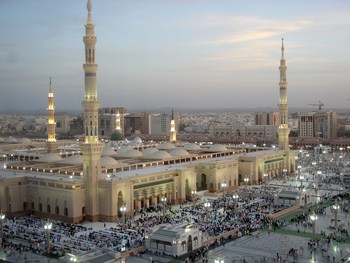
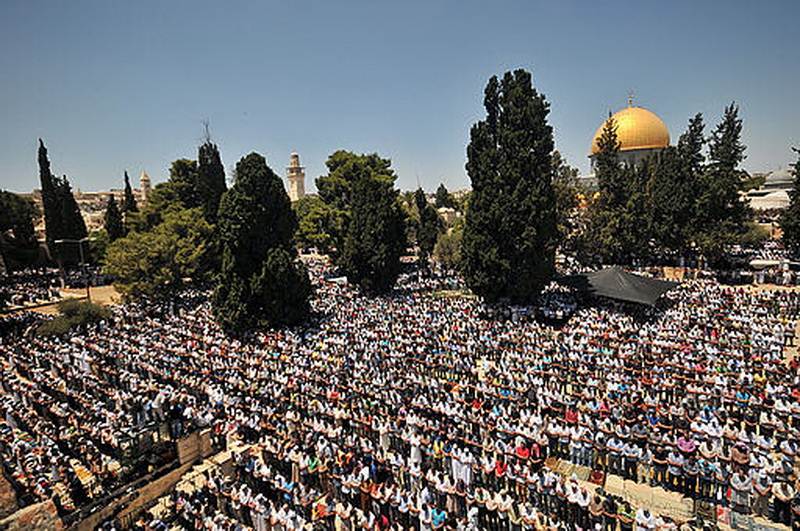
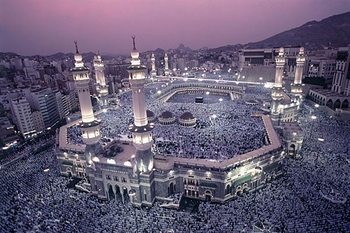
Al-Haram Mosque in Makkah The Prophet's Mosque in Madinah . Al-Aqsa Mosque Compound in Jerusalem


Books About Islam


By Hasan Ali El-Najjar


I. Book I. Islam: A Scientific View of God's Message to Humanity


1. Islam: A Brief Introduction


2. Three Levels of Faith: Islam, Iman, and I'hsan 


3. The Scientific Evidence That God Exists and the Holy Qur'an Is His Message to Humanity 


4. Creation and Evolution in the Holy Qur'an


5. Humans, As God's Caliphs on Earth


6. Adam's Contest With the Angels, and Getting Out of Paradise


7. Worshippers By Choice Or Forced Slaves?  


8. The Relationship Between the Spiritual and the Physical Aspects of Islamic Teachings  


9. Spirit, Soul, Mind, Self, and Happiness, from an Islamic Perspective


10. Heart-Mind Relationship in the Holy Qur'an  


Book II. A Scientific View of the Five Pillars of Islam


1. Islamic Proclamation of Faith


2. Performing Islamic Prayers


3. Giving Zakat, Charity, The Third Islamic Duty


4. Fasting and Ramadhan, Great Gifts from Allah to Muslims


5. Haj, Pilgrimage, the Fifth Pillar of Islam


Book III. Allah, Praise to Him


1. Gods Physical Features


2. Why Did Allah Create Humans?


3. Methodological Background of Writing About the Good Names of Allah


4. The Full List of the Good Names of Allah


5. Verbal Names, Unique Qualities Denied to Others, and Deducted Traits


Book IV. Messengers of Allah to His Human Caliphs on the Earth


1. Messengers, Prophets, Miracles, and Prophecies


2. Messengers of Allah and His Prophets, Mentioned in the Holy Quran


3. Angels: The Honorable Worshippers of Allah


4. Noo'h (Noah): The Ark Builder, in the Holy Quran  


5. Ibraheem (Abraham), God's Good Friend, in the Holy Quran


6. Moosa (Moses): The Messenger Supported with Nine Miracles, in the Holy Quran


7. 'Eisa, Jesus, the Son of Mary: God's Creation Miracle, in the, Holy Quran  


8. Mu'hammed: Gods Mercy to the Worlds,  in the Holy Quran


9. Prophet Mu'hammed's Night Journey and Ascent to Heavens, Al-Isra Wal Mi'raj 


Book V. The Last Day, Gods Precise Measurement, and His Just Decrees


1. Signs of the Hour


2. The Last Day and its Four Main Events: The Hour, Resurrection, Reckoning, and Judgment


3. God's Precise Measurement and His Just Decree (Al-Qadar Wal Qadha)


Book VI. I'hsan: Watching Allah in What We Say and What We Do


1. Introduction to Islamic Law, (Shari'a), Part I: Commands of  Prohibition and Admonition, the Holy Quran 


2. Introduction to Islamic Law (Shari'a),  Part II: The "No" Commands in the Holy Quran 


Book VII. I'hsan: Watching Allah in What We Say and What We Do


Introduction to Islamic Sharia: Imperative Commands of Justice and Righteousness, in the Holy Quran


***


Articles with Islamic Perspective:


Health Care Crisis in the US: An Islamic Perspective


"Terrorism" & "Islamo-Fascism" Propaganda Campaigns: An Interactive Lecture


Six Questions About Islam, Muslims and Jews


Five Islamic Issues:

Predestination and choice, position toward other religions, angels, and the End of Days


Food Islamic Rules and Teachings  


Are Muslim women second-class citizens  


The French Ban on Islamic Headscarf, an Interview with


Links to Islamic Topics 2007-2010


Links to Islamic Topics 2007


Links to Islamic topics 2006


Links to Islamic topics 2005


Links to Islamic topics 2004


Links to Islamic topics, 2003


2002 Links to Islamic topics


Book 4


Messengers of Allah to His Human Caliphs on the Earth


***

Chapter 5


Ibraheem (Abraham): God's Good Friend,

in the Holy Quran


By Hasan Ali El-Najjar


Completed on the 10th Day of Ramadhan, 1434 , 19th of July, 2013


Updated on the 23rd of Sha'ban, 1438 , 19th of May, 2017


The second update was on 8th of Dthul 'Hijja, 1447, May 25th, 2026


:


1434   2013

1438 2017

1447 2026


***


I seek refuge with God from the Stoned Shaytan

In the name of Allah, the Beneficent, the Merciful


Introduction

The Messenger of Allah, Ibraheem (Abraham), peace and blessings of Allah be upon him (pbbuh), was mentioned in the Holy Quran, by name, 69 times. [1]


This Chapter covers major aspects of his life, particularly in relation to teaching the Message he received from Allah, praise to Him, as mentioned in the Holy Quran. [2]  


It includes his contemplation about the Creator, his faith, his dialogue with his father, and his challenge to the king and the disbelievers.  


It also includes God's sent glad tidings of giving him sons while in old age, his instructions to his descendants, who can claim him, who can be included in his Covenant with Allah, and his famous supplications. 


***


1. The Beginning: Knowing Allah by Contemplation  


The story of the Messenger of Allah Ibraheem (Abraham), pbbuh, starts with his rejection of the idols worshipped by his misguided father, Aazar (Terah), and other misguided people in the city.  


Then, Allah, praise to Him, prompted Ibraheem to see His signs in the heavens and the Earth, to guide him to the realization that there is a Great Creator for this fantastic Universe.  


The process of guidance started at one night when he marveled a bright planet that he saw, thinking that it was Allah (God), but when it faded away, he realized that it was not what he was looking for. 


Then, he thought that it could be the Moon or the Sun but when they disappeared he realized that these were not God either. 


Finally, he reached the conclusion that God must be the Creator of the heavens and the Earth, with all of what is in them. He is also the Sustainer of this system, the Only One worthy of being worshipped. 


These meanings are expressed in verses 74-79 of Soorat Al-An'am (Chapter 6) of the Holy Quran.  


  ﴿٧٤ٰ ﴿٧٥ ٰ   ٰ   ﴿٧٦ ٰ   ﴿٧٧﴾ ٰ ٰ   ﴿٧٨﴾   ﴿٧٩ ۚ ۚ ۗ ۗ ﴿٨٠﴾ ۚ ۖ ﴿٨١﴾ ٰ ﴿٨٢﴾ ٰ ۚ ۗ ﴿٨٣﴾ ( 6: 74-83). 


I seek refuge with Allah from the Stoned (Cursed) Shaytan


In the name of Allah, the Beneficent, the Merciful 


And (mention, O Muhammed), when Ibraheem (Abraham) said to his father Aazar: "Do you take idols as deities? Indeed, I see you and your people to be in manifest error." (74) 


And thus, We showed Ibraheem the realm of the heavens and the Earth, that he would be among the certain (in faith) (75) 


So, when the night surrounded him (with darkness), he saw a planet. He said: "This is my lord." But when it set (disappeared), he said: "I do not like those that disappear." (76) 


And when he saw the moon rising, he said: "This is my lord." But when it set (disappeared), he said: "Unless my Lord guides me, I will surely be among the people gone astray." (77) 


And when he saw the sun rising, he said: "This is my lord; this is bigger." But when it set (disappeared), he said, "O my people, indeed, I am free from what you associate (with Allah). (78) 

Indeed, I have turned my face toward (the One), who created the heavens and the Earth, inclining toward truth, and I am not of those who associate others (with Allah)." (79) 


And (when) his people argued with him. He said: "Do you argue with me about Allah, while He has guided me? And I do not fear what you associate with Him (your idols), unless my Lord should will something. My Lord's Knowledge encompasses everything. Do you not reason (ponder)? (80) 


And how should I fear what you associate (with God), while you do not fear that you have associated with Allah, for which He has not sent down to you any authority? So, which of the two parties has more right to security, if you should know? (81)  


Those who believe, and do not obscure (tarnish) their belief with injustice, will have security, and they are guided. (82) 


And that was Our argument, which We gave Ibraheem against his people. We raise by degrees whom We will. Indeed, your Lord is Wise and Knowing. (83) (Al-An'am, 6: 74-79). [3]    


***


2. Asking for Assurance   


Ibraheem, pbbuh, started to receive revelations from Allah, praise to Him, through the inspiration of Jibreel (Gabriel), peace be upon him, who taught him about the resurrection of the dead humans, in the hereafter. He asked Allah, Praise to Him, to show him how He is going to resurrect them. His request was answered by showing him how parts of four different kinds of killed birds would come together, even after scattering them on different mountains, as described in Verse 260 of Soorat Al-Baqara (Chapter 2) of the Holy Quran.  


ٰ    ٰ ٰ   ٰ   ( 2: 260).


And (mention) when Ibraheem (Abraham) said: "My Lord, show me how You bring the dead to life." (Allah) said: "Have you not believed?" He said: "Yes, but for my heart to be assured." (Allah) said: "Take four birds and cut them into pieces. Then, put a portion of them, on each mountain. Then, call them, they will come to you swiftly. And know that Allah is Exalted in Might and Wise" (Al-Baqara, 2: 260). [4]   


***


3. Inviting his Father and the People to Worship Allah, Instead of the Idols


After Ibraheem had become solid in his faith and wisdom, he started to invite his father and other people in the city to worship Allah, instead of worshipping the helpless idols and the Shaytan (Satan) who was disobedient to God. Neither the people in the city nor his father accepted his invitation. However, he still promised to ask Allah to forgive him, as mentioned in verses 41-47 of Soorat Maryam (Chapter 19) and verses 80-83 of Soorat Al-An'am (Chapter 6) of the Holy Quran.  


  ﴿٤١﴿٤٢ ﴿٤٣﴾   ٰ ﴿٤٤ ٰ ﴿٤٥﴾     ﴿٤٦     ﴿٤٧ ( 19: 41-47). 


And mention (O Muhammed) in the Book (the story of) Ibraheem (Abraham). Indeed, he was a man of truth and a Prophet. (41


He said to his father: "O my father, why do you worship that which does not hear, does not see, and does not benefit or harm you anything? (42


O my father, there has come to me of knowledge that, which has not come to you. So, follow me, I guide you to a straight path. (43


O my father, do not worship the Shaytan (Satan). The Shaytan was disobedient to the Beneficent (God). (44


O my father, I fear that a punishment from the Beneficent (God) will touch you. So, you will a companion to the Shaytan (in Hellfire)." (45


(His father Aazar) said: "Have you deserted (rejected) my gods, O Ibraheem? If you do not desist, I will surely stone you. So, depart away from me (leave me) for a long time." (46


(Ibraheem) said: "Peace be upon you. I will ask my Lord to forgive you. He is ever gracious to me. (47) (Maryam, 19: 41: 47).  


        ﴿٨٠﴾     ﴿٨١ ٰ ﴿٨٢ ٰ     ﴿٨٣ ( 6: 80-83). 


And his people argued with him. He said: "Do you argue with me concerning Allah, while He has guided me? And I do not fear what you associate with Him (your idols), unless my Lord wills something. My Lord's Knowledge encompasses everything. Do you not reason (ponder)? (80


And how should I fear what you associate (with God), while you do not fear that you have associated with Allah, for which He has not sent down to you any authority? So, which of the two parties has more right to security, if you should know? (81)  


Those who believe and do not mix their belief with injustice, they will have security, and they are guided. (82


And that was Our argument, which We gave Ibraheem against his people. We raise by degrees whom We will. Indeed, your Lord is Wise (and) Knowing. (83) (Al-An'am, 6: 80-83). 


***


4. Challenge to the King and the Non-Believers 


The King heard about Ibraheem and his Message to the people of the city. He summoned him for a debate, asking him to describe God. Ibraheem said that Allah gives life and ends it. The King said I can do that too. [5]


Then, Ibraheem Challenged him to bring the Sun from the West, as Allah brings it from the East. The King couldn't argue any further but he continued to be a self-oppressor, by rejecting faith in Allah, as stated in Verse 258 of Soorat Al-Baqara (Chapter 2) of the Holy Quran.  


ۖ ۗ ( 2: 258). 


Have you not seen (thought about) the one who argued with Ibraheem (Abraham) about his Lord (merely), because Allah had given him kingship?  


When Ibraheem said: "My Lord is the one who gives life and causes death," (The King) said: "I give life and cause death."  


Ibraheem said: "Indeed, Allah brings up the sun from the East, so bring it up from the West." Thus, the disbeliever was overwhelmed (unable to meet the challenge), and Allah does not guide the oppressive people (Al-Baqara, 2: 258).


***


5. Destruction of the Idols and Punishment in Fire


Ibraheem's father, Aazar, and other disbelievers in the city continued their worship of the Idols, instead of worshipping Allah, the Creator of the heavens and the Earth. Then, Ibraheem, pbbuh, turned to action, instead of words, in his attempt to guide them to the right path. He went to their temple at night and destroyed all the idols they worshipped, except the largest one. 

When they saw what happened to their fake gods, the following day, they questioned Ibraheem accusing him of destroying their idols. He denied their accusation and directed them to the largest idol, saying this was the one who did it. Moreover, he urged them to ask the destroyed statues about the perpetrator, provoking them further to think about and realize the folly of believing in these helpless idols.   


Instead of accepting his invitation for them to worship their Creator, they decided to throw him into a huge fire, as punishment for insulting their fake gods. 

Allah, praise to Him, commanded the fire to be "coolness and peace" upon Ibraheem, to save him and to be as a miracle for the disbelievers to ponder about. However, they stubbornly continued their rejection of the Message, even after seeing Ibraheem coming out of the fire safe and calm. 


Then, Allah, praise to Him, commanded Ibraheem to take his family away to the Holy Land of Canan (Canaan), where they would be believed, followed, and treated with love and respect. 


There, he would be granted Is'haq (Isaac) and Ya'qoob (Jacob) after him, who would be worshippers of God, leaders, good doers, performers of prayer, and charity givers, as revealed in verses 83-98 of Soorat Al-Saffat (Chapter 37) and verses 51-70 of Soorat Al-Anbiya (Chapter 21) of the Holy Quran. 


﴿٨٣ ﴿٨٤ ﴿٨٥ ﴿٨٦﴿٨٧﴿٨٨﴿٨٩﴿٩٠﴾ ٰ ﴿٩١﴿٩٢﴿٩٣﴿٩٤ ﴿٩٥﴿٩٦ ﴿٩٧ ﴿٩٨﴾ ( 37: 83-98). 


And indeed, among his (Nooh's) followers was Ibraheem, (83) when he came to his Lord with a sound heart (84) (And) when he said to his father and his people: "What do you worship? (85) Is it falsehood (as) gods other than Allah you want? (86) What is your thought about the Lord of the Worlds?" (87) And he cast a look at the stars (88) And said: "Indeed, I am (about to be) ill." (89) So, they turned away from him, departing. (90) Then, he turned to their gods and said: "Do you not eat? (91) What is (wrong) with you that you do not speak?" (92) And he turned upon them with blows by (his) right hand. (93) Then, they (the people) came toward him, hastening. (94) He said: "Do you worship that which you carve, (95) while Allah created you and that which you do?" (96) They said: "Construct, for him, a (furnace) and throw him into the burning fire." (97) And they intended harm for him but We made them the most debased. (98) (Al-Saffat, 37: 83-98).  


﴿٥١ ٰ ﴿٥٢﴿٥٣ ﴿٥٤ ﴿٥٥ ٰ ٰ ﴿٥٦﴿٥٧﴿٥٨﴾ ٰ ﴿٥٩ ﴿٦٠﴾ ٰ ﴿٦١﴾ ٰ ﴿٦٢ ٰ ﴿٦٣ ٰ ﴿٦٤ ٰ ٰ ﴿٦٥﴿٦٦ ۖ ﴿٦٧ ﴿٦٨ ٰ ﴿٦٩ ﴿٧٠﴾ ( 21: 51-73).


And We had certainly given Ibraheem (Abraham) his sound judgment before, and We were of him well-Knowing (51


When he said to his father and his people: "What are these statues, to which you are devoted?" (52


They said, "We found our fathers worshipping them." (53


He said: "You were certainly, you and your fathers, in clear misguidance." (54


They said: "Have you come to us with the truth, or are you of the playful ones?" (55


He said: "(No), rather, your Lord is the Lord of the heavens and the Earth, Who originated them, and I am to that of those who are bear witnessing. (56


And (he said to himself): By Allah, I will surely plan against (harm) your idols, after you have gone away (from the temple)." (57)  


So, he made them into fragments (destroyed them), except the largest one of them, that they might return to it (for questioning). (58


They said: "Who has done this to our gods? Indeed, he is of the oppressors (wrongdoers)." (59


They said: "We heard a young man mentioning them, who is called Ibraheem." (60


They said: "Then, bring him before the eyes of the people, so that they may witness." (61


They said: "Have you done this to our gods, O Ibraheem?" (62


He said: (No, I have not). "Rather, this, the largest of them, did it. So, ask them if they were to speak." (63


So, they returned to themselves and said (to each other): "Indeed, you are the oppressors (wrongdoers)." (64


Then, they reversed themselves, (saying to him): "You know that these do not speak!" (65


He said: "Do you worship, instead of Allah, that which does not benefit you or harm you anything? (66


Woe (a warning of coming punishment) to you and to what you worship, instead of Allah. Do you not reason?" (67


They said: "Burn him and support your gods, if you are to act (for their support)." (68


We (Allah) said: "O fire, be coolness and peace upon Ibraheem." (69)  


And they wanted to harm him, but We made them the most losers. (70) (Al-Anbiya, 21: 51-70). 


***


6. Leaving to the Holy Land 


Despite seeing God's miracle of keeping Ibraheem safe from burning in the fire, the people in his city continued to reject the message he brought from his Lord to them. Then, Allah. praise to Him, instructed him to leave them to new lands, where he thrived in children and followers, as we are told in Verses 47-50 of Soorat Maryam (Chapter 19) and verses 71-73 of Soorat Al-Anbiya (Chapter 21) of the Holy Quran.  


    ﴿٤٧ ٰ ﴿٤٨   ﴿٤٩ ﴿٥٠﴾ ( 19: 47-50). 


(Ibraheem said to his father): "Peace be upon you. I will ask my Lord to forgive you. He is ever gracious to me. (47


And I will leave you and those you invoke (call upon), other than Allah, and I will invoke (call on) my Lord. So, maybe I will not be unhappy by calling upon my Lord. (48


So, when he had left them and those they worshipped, other than Allah, We granted (gave) him Is'haq (Isaac) and Ya'coob (Jacob), and each (of them) We made a Prophet. (49


And We granted (gave) them of Our mercy, and we made for them a reputation of being highly praised (by the believers after them)  (50) (Maryam, 19: 41: 50). 


﴿٧١ ۖ ﴿٧٢ ۖ ﴿٧٣﴾ ( 21: 71-73).


And We delivered him and Loot (Lot, his nephew) safely to the Land, which We had blessed for the Worlds. (71


And We gave him Is'haq (Isaac) and Ya'coob (Jacob), in addition, and We made them both righteous. (72)  


And We made them leaders guiding by Our command. And We inspired to them the doing of good deeds, establishment of prayer, and giving of zakat (charity); and they were worshippers of Us. (73)  (Al-Anbiya, 21: 71-73). 


***


7. God's Test for Ibraheem, Isma'eel, and Haajar 


Allah, praise to Him, granted Ibraheem (Abraham), in old age, his first son, Ismaeel (Ishmael), from his wife Haajar (Hagar). Then, He commanded him to take her and their son Ismaeel, pbbut all, to Makkah (Bakkah), near His first House of Worship on the Earth (The Ka'ba).  


Allah, praise to Him, wanted to test how much obedient were Ibraheem, Isma'eel, and Haajar. He commanded Ibraheem to slay his only son, Isma'eel. The Shaytan (Satan) tried to dissuade the three of them, not to obey their Lord, but they rejected the Shaytan's attempts by throwing stones at him. 


As Ibraheem put the knife on Isma'eel's neck, the senior angel, Jibreel, peace be upon him, came with glad tidings that Ibraheem and his family passed the test of faith and obedience to Allah, who sent them an animal to be sacrificed, instead. 


This beautiful story is the main theme of the Haj, pilgrimage, to Makkah, which is required of capable Muslims once in their lifetime, where they enact the story, throwing stones at the devil sites, walking and staying in the same places where the story took place, and circumambulating the Ka'ba. The climax of Haj is Eidul Adh'ha, when the animals are sacrificed, in celebration, and for feeding the poor. 


The story is told in Verses 99-111 of Soorat Al-Saffat (Chapter 37) of the Holy Quran. Then, in Verse 112, Allah, praise to him, tells us that He gave Ibraheem the good news about giving him another son, Is'haq (Isaac). Thus, this Verse tells us that the story of the sacrifice was about Ismaeel (Ishmael), not Is'haq, who was not born yet, peace be upon them, all.  


ٰ ﴿٩٩ ﴿١٠٠ ﴿١٠١ ٰ ٰ    ﴿١٠٢ ﴿١٠٣ ﴿١٠٤  ۚ ٰ ﴿١٠٥ ٰ ﴿١٠٦ ﴿١٠٧ ﴿١٠٨ ٰ ﴿١٠٩ٰ ﴿١١٠ ﴿١١١ ﴿١١٢ ٰ   ﴿١١٣﴾ ( 37: 99-113). 


And he said: "I will go to (where I am ordered by) my Lord; He will guide me. (99)


My Lord, grant me (a child to be) from among the righteous." (100)  


So, We gave him good tidings of a forbearing boy. (101)


And when he (Ismaeel) reached with him (the age of) exertion, he said: "O my son, indeed I have seen in a dream that I slaughter you (as a sacrifice), so see (tell me) what you think." He said: "O my father, do as you are commanded. You will find me, if Allah wills, of the patient." (102)  


And when they had both submitted (to God's will) and he put him down upon his forehead, (103)


We called to him: "O Ibraheem, (104) you have fulfilled the vision." Indeed, We thus reward the doers of good. (105)


Indeed, this was the clear trial. (106) And We ransomed him with a great sacrifice, (107) And We left for him (favorable mention) among later generations: (108)

"Peace )be) upon Ibraheem (Abraham)." (109) Indeed, We thus reward the doers of good. (110)


Indeed, he was of Our believing worshippers. (111) And We gave him good tidings of Is'haq (Isaac), a prophet, from among the righteous. (112)  


And We blessed him and Is'haq. But among their descendants is the doer of good and the clearly self-oppressor (wrong doer) (113)  (Al-Saffat, 37: 99-113).  


***


8. Glad Tidings of Getting his Second Son in Old Age


The Holy Quran focuses on God's Message of Guidance to humanity, rather than on mentioning details about times, places, and people.  


So, Ibraheem, pbbuh, left the city of the disbelievers (in Mesopotamia) to the Holy Land of Canan (Canaan). He had his first son, Isma'eel, from his wife, Haajar, whom he had from his trip to Egypt. But he did not have a son from his first wife, Sarah, yet, though both of them wished it. [6] 


Allah, praise to Him, sent angels to Ibraheem with glad tidings of granting him and Sarah a son, Is'haq, for which they were surprised, due to their old age. But the angels assured them that it was God's will to grant them the child they wanted, for which they were grateful, as we learn from verses 51-56 of Soorat Al-'Hijr (Chapter 15) of the Holy Quran, in addition to Verse 37: 112 mentioned above. 


﴿٥١ ﴿٥٢ ﴿٥٣ ٰ ﴿٥٤ ﴿٥٥ ﴿٥٦﴾ ( 15: 51-56). 


And inform them (O Muhammed) about the guests of Ibraheem (Abraham), (51


When they entered upon him and said: "Peace." (Ibraheem) said: "Indeed, we are fearful of you." (52


(The angels) said: "Fear not. We (came to) give you good tidings of a learned boy." (53


He said: "Have you given me good tidings although old age has come upon me? Then, of what (good tidings) do you inform?" (54


They said: "We have given you good tidings, in truth. So, do not be of the despairing." (55


He said, "And who despairs of the mercy of his Lord except those (who are) astray?" (56)  (Al-'Hijr, 15: 51-56).


***


The angels told Ibraheem, pbbuh, of the glad tidings while they were in their way to destroy the people his nephew, Loot (Lot), was sent to, for their perversion.


Ibraheem tried to plead with them not to destroy the town people because there were believers among them. But he was told to stop pleading for the wrongdoers, as God's command has been decreed to destroy them, after saving the believers, as revealed in verses 69-76 of Soorat Hood (Chapter 11) of the Holy Quran. 


ٰ ۖ ۖ ﴿٦٩ ٰ ۚ ٰ ﴿٧٠ ﴿٧١ ٰ ٰ ۖ ٰ ﴿٧٢ ۖ ۚ ﴿٧٣ ٰ ﴿٧٤ ﴿٧٥ ٰ ۖ ۖ ﴿٧٦ ( 11: 69-76). 


And Our messengers came to Ibraheem (Abraham) with good tidings, They said: "Peace." He said: "Peace," and did not delay in bringing (them) a roasted calf. (69


But when he saw their hands not reaching for it, he distrusted them and felt apprehension from them. They said: "Fear not. We have been sent to the people of Loot (Lot)." (70


And his Wife was standing, and she laughed (smiled). Then, We gave her good tidings of Is'haq (Isaac) and after Is'haq Ya'coob (Jacob). (71)  


She said: "Woe to me! Shall I give birth while I am an old woman and this, my husband, is an old man? Indeed, this is an amazing thing!" (72


They said: "Are you amazed at the decree of Allah? May the mercy of Allah and His blessings be upon you, people of the House. Indeed, He is Praiseworthy and Honorable." (73


And when the flight had left Ibraheem, and the good tidings had reached him, he (began to) argue with Us concerning the people of Loot (Lot). (74


Indeed, Ibraheem was forbearing, grieving, and (frequently) returning (to Allah). (75


(The angels said): "O Ibraheem, give up this (plea). The command of your Lord has come, and there will reach them a punishment that cannot be repelled." (76) (Hood, 11: 69-76). 


***


9. Ibraheem (Abraham) Was a Muslim, Neither a Jew Nor a Christian


Ibraheem (Abraham), pbbuh, has been venerated by Jews, Christians, and Muslims. However, he was neither a Jew nor a Christian, as the Scriptures were revealed after him. Rather, he was a 'haneef (one inclining toward the truth), and a Muslim (submitting to Allah). 


The worthiest of claiming (affiliation with) Ibraheem are those who followed him (in submission to Allah), the Prophet Muhammed, pbbuh, and those who believe in the Message of worshipping Allah, which he brought to humanity, as revealed in verses 65-68 of Soorat Aal-'Imran (Chapter 3) of the Holy Quran.  


ۚ ﴿٦٥ ٰ ۚ ﴿٦٦ ٰ ﴿٦٧ ٰ ۗ ﴿٦٨﴾ ( 3: 65-68). 


O People of the Book (Jews and Christians), why do you argue about Ibraheem (Abraham) while the Torah and the Gospel were not revealed until after him? Do you not reason? (65


You are those who have argued about that of which you have (some) knowledge. Why do you argue about that of which you have no knowledge? And Allah knows, while you do not know. (66


Ibraheem was neither a Jew nor a Nazarene (Christian), but he was a 'haneef (one inclining toward truth), Muslim (submitting to Allah). And he was not of the polytheists. (67


Indeed, the worthiest of claiming (affiliation with) Ibraheem among the people are those who followed him (in submission to Allah) and this Prophet (Muhammed), and those who believe (in his Message: Muslims). And Allah is the patron of the believers. (68) (Aal-'Imran, 3: 65-68). 


***


Allah, praise to Him, charged Ibraheem and his son, Isma'eel (Ishmael), to build His House in Makkah, and purify (clean) it for worshippers to perform their rituals, which they did. In return, Ibraheem, pbbuh, asked his Lord to provide that area (of Makkah) with security and sustenance.  


Ibraheem also asked his Lord to make him, his sons, and their descendants Muslims (submitting themselves to God). Further, he asked Allah, praise to Him, to send a future Messenger from among them to teach them wisdom and the Book, and to recite its verses. 


Finally, Ibraheem instructed his children to stay Muslims, so did his grandson, Ya'coob (Jacob), to his children, asking them about whom they would worship after his death. They answered that they were Muslims (submitting themselves to God), worshipping his God, the One God, the God of his forefathers: Ibraheem, Isma'eel, and Is'haq. 


These meanings are expressed in verses 125-133 of Soorat Al-Baqara (Chapter 2) of the Holy Quran, as follows:  


ۖ ٰ ﴿١٢٥ ٰ ۖ ٰ ۖ ﴿١٢٦ ۖ ﴿١٢٧ ۖ ﴿١٢٨ ۚ ﴿١٢٩ ۚ ۖ ﴿١٣٠ ۖ ﴿١٣١ ٰ ٰ ﴿١٣٢ ٰ ٰ ٰ ﴿١٣٣﴾ ( 2: 125-133). 


And We made the House a place of return for the people and (a place of) security. And (O believers), take from the standing place of Ibraheem a place of prayer. And We charged Ibraheem and Isma'eel to purify My House for those who perform Tawaf (circumambulation of the Ka'ba), and those who are staying (there) for worship, and those who bow and prostrate (in prayer)." (125


And Ibraheem said: "My Lord, make this (place) a secure city and provide its people with fruits, whoever of them believes in Allah and the Last Day." (Allah) said: "And whoever disbelieves, I will grant him enjoyment for a little (in this life). Then, I will force him to the punishment of the Fire, and (that is) a wretched fate." (126)  


And (mention O Muhammed) when Ibraheem was raising the foundations of the House (the Ka'ba) and Isma'eel (Ishmael), (with him, saying): "Our Lord, accept (this) from us. Indeed, You are the Hearing, the Knowing. (127


And Our Lord, make us Muslims (in submission) to You and from our descendants a Muslim nation (in submission) to You. And show us our rites and accept our repentance. You are the Accepting of repentance, the Merciful. (128


And Our Lord, send among them a messenger from themselves (Muhammed), who will recite to them Your verses and teach them the Book and wisdom and purify them. Indeed, You are the Exalted in Might, the Wise." (129


And who would be averse to the religion of Ibraheem except one who makes a fool of himself. And We had chosen him (Ibraheem) in this lower (life), and in the hereafter, he will be among the righteous. (130


When his Lord said to him: "Submit" (to Me), he said: "I have submitted (in Islam) to the Lord of the Worlds." (131


And Ibraheem instructed his sons (to submit, to be Muslims) and (so did) Ya'coob, (saying): "O my sons, Allah has chosen for you this religion. So, do not die except while you are Muslims." (132


Or were you witnesses when death approached Ya'coob, when he said to his sons: "What will you worship after me?" They said: "We will worship your God, and (it is) the God of your forefathers, Ibraheem, Isma'eel, and Is'haq, One God. And we are Muslims (in submission) to Him" (133) (Al-Baqara, 2: 125-133).  


***


10. Conditionality of Gods Covenant with Ibraheem and his Descendants 


There is ample evidence from the Holy Quran and the Bible for the conditionality of the Covenant between Allah, praise to Him, and each of Ibraheem, pbuh, and his descendants. The decisive evidence against the unconditionality opinion is the suffering experienced by the Children of Israel many times in history. This could not have happened had the Covenant been unconditional.


Allah, praise to Him, tried Ibraheem (Abraham), pbbuh, with commands, which he obeyed and fulfilled. As a reward for him, Allah promised to make him an Imam (leader) for the people. Ibraheem replied by asking that this promise extend to his descendants. But Allah told him that the Covenant would not apply to those of his descendants, who oppress themselves by being wrongdoers, or by being oppressors of others, through causing them harm (Al-Baqara, 2: 124).


So, obedience to Gods commands, by observing them, was the main condition which Allah, praise to Him, put forward to Ibraheem and his descendants, in order for Him to fulfill His part of the Covenant. The Test of Sacrifice was an example of such absolute obedience (Al-Saffat, 37: 102).  


The Covenant between Allah and Ibraheem was further confirmed by charging him and his son, Ismaeel to purify His House in Makkah, for pilgrims and worshippers (Al-Baqara, 2: 125).

Allah, praise to Him, later, reminded the Children of Israel, through His Messenger, Moosa (Moses), pbuh, of their main obligation towards the Covenant, that they should not take other than Him as Disposer of their Affairs (Al-Isra, 17: 2).


He further emphasized the conditionality of the Covenant, telling them that he would only fulfill His Covenant with them, if they fulfill their Covenant with Him (Al-Baqara, 2: 40). 

Then, Allah, praise to Him, has told the whole humanity, including the Children of Israel, that those who break the Covenant of Allah in this lower life, will be the losers in the hereafter (Al-Baqara, 2: 27).


ٰ ۖ ۖ ۖ ( 2: 124).


ٰ ٰ    ( 37: 102).


... ٰ ( 2: 125).


( 17: 2).


( 2: 40).


ۚ ٰ ( 2: 27).


And (mention O Muhammed), when Ibraheem (Abraham) was tried by his Lord with words (commands), and he fulfilled them. (Allah) said: "I will make you a leader for the people." (Ibraheem) said: "And of my descendants?" (Allah) said: "My Covenant does cover (extend to include) the oppressors (wrongdoers)." (Al-Baqara, 2: 124). 


And when he (Ismaeel) reached with him (the age of) exertion, he said: "O my son, indeed I have seen in a dream that I slaughter you (in sacrifice), so see (tell me) what you think." He said: "O my father, do as you are commanded. You will find me, if Allah wills, of the patient." (Al-Saffat, 37: 102).  


And We charged (established a Covenant with) Ibraheem and Isma'eel to purify My House for those who perform Tawaf (circumambulation of the Ka'ba), and those who are staying (there) for worship, and those who bow and prostrate (in prayer)" (Al-Baqara, 2: 125).


And We gave Moosa (Moses) the Book (Scripture) and made it a guidance for the Children of Israel, that you do not take other than Me as Disposer of Affairs (Al-Isra, 17: 2).


O Children of Israel, remember My favor which I have bestowed upon you, and (if you) fulfill My Covenant, I fulfill your Covenant, and be afraid of (only) Me (Al-Baqara, 2: 40). 


Who break the Covenant of Allah after contracting it and sever that which Allah has ordered to be joined and cause corruption on earth. It is those who are the losers (Al-Baqara, 2: 27).


***


The conditionality of the Covenant is also mentioned in many verses of the Bible, such as in Genesis (177: 1-2), which condition fulfillment of the Covenant on faith in God and obedience to His commands, by not committing sins. Other conditions included circumcision (Genesis, 17: 9-4), righteous conduct and justice (Genesis, 18: 19), the Test of Sacrifice (Genesis, 22: 16-18), obedience to Gods commands (Genesis, 26: 5), and worshipping God alone and obedience to His commands (Genesis, 28: 63-65).


A simple, but decisive, evidence for the Covenant conditionality has been that the Children of Israel would suffer and get expelled from the Holy Land whenever they did not observe the Covenant. Examples of their suffering included the Babylonian captivity and destruction of the first Temple in 586 BC, the Roman crackdown and the second destruction of the Temple by Titus in 70 AD, and the European persecution starting from the expulsion from Andalusia. Had the Covenant been unconditional, these sufferings could not have happened. [7]


***


11. Ibraheem's Supplication 


Ibraheem (Abraham), pbbuh, is famous in the Holy Quran for making very beautiful supplications, du'a, many Muslims, particularly imams, recite in their prayers, after reciting Al-Fati'ha, the Opening Chapter of the Holy Quran.


In addition to Verses 2:126-129, mentioned above, here are two further supplications, from Soorat Al-Shu'ara (Chapter 26) and Soorat Ibraheem (Chapter 14) of the Holy Quran. 


﴿٧٨ ﴿٧٩ ﴿٨٠ ﴿٨١   ﴿٨٢ ﴿٨٣ ﴿٨٤ ﴿٨٥﴾ ( 26: 78-85). 


Who created me is He Who guides me. (78) And it is He who feeds me and gives me drink. (79) And when I am ill, it is He who cures me (80) And Who will cause me to die and then bring me to life (81


And Who, I aspire that He will forgive me my sin, on the Day of Reckoning." (82) My Lord, grant me wisdom (knowledge) and join me with the righteous. (83)  

And grant me a reputation of truth-telling among later generations. (84) And make me among the inheritors of the Garden of Bounty (Paradise). (85) (Al-Shu'ara, 26: 78-85). 


ٰ ﴿٣٥ ۖ ۖ ﴿٣٦ ﴿٣٧ ۗ ٰ ﴿٣٨ ۚ ﴿٣٩ ۚ ﴿٤٠ ﴿٤١﴾ ( 14: 35-41). 


And (mention, O Muhammed), when Ibraheem said: "My Lord, make this city (Makkah) secure and keep me and my sons away from worshipping idols. (35


My Lord, they (the idols) have led astray many among the people. So, whoever follows me, then he is of me; and whoever disobeys me, You are Forgiving and Merciful. (36


Our Lord, I have settled some of my descendants in an uncultivated valley, near Your Sacred House, our Lord, that they may establish prayer. So, make (some) hearts of the people incline toward them, and provide for them from the fruits, that they may thank (You). (37


Our Lord, indeed, You know what we conceal and what we declare, and nothing is hidden from Allah on the Earth or in the heaven. (38


Praise to Allah, Who has granted to me, in old age, Isma'eel and Is'haq. Indeed, my Lord is the Hearer of supplication. (39


My Lord, make me an establisher of prayer, and from my descendants (who do so), and our Lord, accept (my) supplication. (40


Our Lord, forgive me, and my parents, and the believers the Day the reckoning is established." (41) (Ibraheem, 14: 37). 


***


Conclusion 


The story of the Messenger of Allah, Ibraheem (Abraham), peace and blessings of Allah be upon him, starts with his contemplation about the Creator, praise to Him, which led him to the rejection of the false gods his people worshipped. 


He asked Allah to show him how He resurrects the dead just to be sure, which the Creator allowed him to see. 


He argued with his father about the statues he made, trying to dissuade him away from worshipping them, but in vain. 


He also tried to persuade the king and the people of the city to worship Allah, instead of worshipping the helpless statues, but without success, even after they had seen Gods miracle of saving him from being burned in the fire. 


Then, Ibraheem was instructed to leave the area of the disbelievers to teach the Message of God elsewhere, in the rest of the Middle East, which he did. 

After settling in the Holy Land of Canan (Canaan), he had his first son, Isma'eel, who was the subject of God's sacrificial test. Then, he was given the glad tidings of getting his second son, Is'haq, while in old age.  


He brought up his children as believers and instructed them to keep the faith and live as Muslims, in submission to their Lord, asking Allah, praise to Him, to guide them to His path and to take care of them.


Allah, praise to Him, told him that his call would be answered but it would apply only to those among his descendants who keep the faith and live in submission to Him. But the Covenant would not apply to those among his descendants, who are wrong-doers, who oppress themselves and others. 


***


Notes of Elaboration and Documentation


[1] The Messenger of Allah, Ibraheem (Abraham), peace and blessings of Allah be upon him (pbbuh), was mentioned in the Holy Quran, by name, 69 times. He was mentioned 15 times in Soorat Al-Baqara (Chapter 2) of the Holy Quran, in verses 124, 125 (twice), 126, 127, 130, 132, 133, 135, 136, 140, 258 (three times), and 260).


He was also mentioned in verses 3: 33, 65, 67, 68, 84, 95, 97; 4: 54, 125 twice, 163; 6: 74, 75, 83, 161; 9: 70, 114 twice; 11: 69, 74, 75, 76; 12: 6, 38; 14: 35; 15: 51; 16: 120, 123; 19: 41, 46, 58; 21: 51, 60, 62, 69; 22: 26, 43, 78; 26: 69; 29: 16, 31; 33: 7; 37: 83, 104, 109; 38: 45,; 42: 13; 43: 26; 51: 24; 53: 37; 57: 60: 4 twice; and 87: 19. 

[2] The Holy Quran neither tells us about the name of the city where Ibraheem Abraham), pbbuh, was born, nor about the time period he lived, as the case with other Messengers of Allah. Rather, the focus is on the meanings and the lessons to be learned from their missions of guiding people from the darkness of ignorance to the light of God's mercy and wisdom. 

Muslims are instructed to seek education, through reading (96:1) and through conducting their own archaeological research to know about history and the beginning of the Creation (29:20). 

( 69: 1).


ۚ ۚ ٰ ( 29: 20).


Read, in the name of your Lord, Who created (Al-Alaq, 69: 1).


Say (O Muhammed): "Travel through the Earth and see how He began the Creation. Then, Allah makes the latter Creation. Indeed, Allah is Capable of (doing) everything"  (Al-'Ankaboot, 29: 20).


There are no decisive accounts from historians or Biblical scholars about the time Ibraheem (Abraham), pbbuh, lived, but most of them agreed that it was sometime during the first three centuries of the second millennium B.C. However, there's an agreement that he lived in the Mesopotamian city of Ur (probably Uruk), at the time of King Nimrod, then departed to the Holy Land of Canan (Canaan), particularly the Palestinian part of it, where he settled in Al-Khaleel (Hebron, which means the Good Friend of God, in Arabic). 


For more information, see: 


http://en.wikipedia.org/wiki/Abraham, and: http://en.wikipedia.org/wiki/Nimrod  


[3] The English translation of the Holy Quran verses mentioned in this Chapter, as well as throughout the Book, is mainly based on the Sahih International translation, posted on www.tanzil.net. However, this author revised the translation and made some changes, using interpretations of Ibn Katheer, Al-Qurtubi, and Al-Tabari, may Allah reward all of them for their great works. So, while giving the credit to the Sahih International translators, he is solely responsible for the translation used here, and throughout the Book. 


The words placed in parentheses represent an additional explanation for the meaning of certain words in a verse. They are not direct translations. 


[4] Al-Tabari extensively explored the meaning of the word "fasurhunna" ( ), concluding that it was used by Nabatean Arabs who lived in the Southeast of Palestine and Southwest of Jordan, meaning "cut them into pieces," which should be the direct meaning (not just the understood meaning). 


[5] In his interpretation of verse 2: 258, Ibn Katheer narrated that King Nimrod commanded his guards to bring two prisoners who were waiting for execution. He forgave one of them (giving him life) and ordered the other to be killed (ending his life).   


Al-Tabari and Al-Qurtubi narrated that Nimrod argued with Ibraheem, pbbuh, that he could give life to a prisoner who was waiting for execution by pardoning him and could kill another, causing his death. But they did not narrate that Nimrod actually did that. 

[6] There are details from the Bible (for example in Genesis 16: 1-15 ) about the story, such as the trip of Ibraheem and his wife, Sarah, to Egypt, where she got her servant Haajar (Hagar). Then, Sarah gave Haajar as a wife to Ibraheem, so he can have a child from her. However, tension started between the two wives after Haajars pregnancy. All these Biblical details are not found in the Holy Quran.


As we are advised, in the following Hadeeth, by the Messenger of Allah, Muhammed, pbbuh, be upon him, we should neither believe nor disbelieve such Biblical details, but we reject them if they contradict with the Holy Quran.


: " " ٰ ٰ ٰ " ( 2: 136).


: 7346 : 7362 : 11323 : 4842 .


Companion Abu Hurayra, mAbpwh, said that the Messenger of Allah, pbbuh, said: Do not believe the People of the Book, nor disbelieve them, but Say: We have believed in Allah, and what has been revealed to us, and what has been revealed to Ibraheem (Abraham), and Ismaeel (Ishmael), and Ishaq (Isaac), and Ya'coob (Jacob), and the (Prophets descending from Ya'coob), and what was given to Moosa (Moses), and Eisa (Jesus), and what was given to the Prophets from their Lord. We make no distinction between any of them, and we are Muslims (in submission) to Him" (Al-Baqara, 2: 136).


This Hadeeth was authenticated as Saheeh by Al-Albani, in Saheeh El-Jami: 7346. It was also recorded with its sources by Al-Bukhari: 7362, Al-Nisa-I, in Al-Kubra: 11323, and Al-Bayhaqi, in Al-Shiab version: 4842.


In general, not all of what the People of the Book said or wrote in the Scriptures should be believed as true. Much of it was a distortion of the words from their proper meanings, or lacking, as a result of their forgetfulness (Al-Ma-ida, 5: 13). Some of it was not even from the Scripture, nor from Allah, or outright lies (Aal-Imran, 3: 78). Others were merely the wishful thinking and guessing of the illiterate among them (Al-Baqara, 2: 2: 78).


ۙ ۚ ( 5: 13).


( 3: 78).


( 2: 78).


They distort words from their (proper) usages, and they have forgotten a portion of that, of which they were reminded (Al-Ma-ida, 5: 13).


And indeed, there is among them a party who alter the Scripture with their tongues, so you may think it is from the Scripture, but it is not from the Scripture. And they say: "This is from


Allah," but it is not from Allah. And they speak untruth (lie) about Allah while they know (Aal-Imran, 3: 78).


And among them are illiterate ones, who do not know the Scripture, except in wishful thinking, but they are only guessing (Al-Baqara, 2: 78).


Companion Abu Hurayra, mAbpwh, said that the Messenger of Allah, pbbuh, said: Do not believe the People of the Book, nor disbelieve them, but Say: We have believed in Allah, and what has been revealed to us, and what has been revealed to Ibraheem (Abraham), and Ismaeel (Ishmael), and Ishaq (Isaac), and Ya'coob (Jacob), and the (Prophets descending from Ya'coob), and what was given to Moosa (Moses), and Eisa (Jesus), and what was given to the Prophets from their Lord. We make no distinction between any of them, and we are Muslims (in submission) to Him" (Al-Baqara, 2: 136).


This Hadeeth was authenticated as Saheeh by Al-Albani, in Saheeh El-Jami: 7346. It was also recorded with its sources by Al-Bukhari: 7362, Al-Nisa-I, in Al-Kubra: 11323, and Al-Bayhaqi, in Al-Shiab version: 4842.


[7] The Promised Land: An example of the conditionality of the Covenant


The Promised Land is an example of how the conditionality of the Covenant has been applied, using evidence from the Bible itself. As we read the related verses, we realize that God has promised the Holy Land to the biological descendants of Ibraheem, Ishaq, and Yacoob (Abraham, Isaac, and Jacob). These may constitute billions of people, who live in all continents now, mainly Muslims and Christians, as well as few Jews. The only way to verify this statement is by conducting a DNA test on all of the inhabitants of the Earth, run by the United Nations, for neutrality purposes.


So, it is not right for the Zionist Israeli Jews to claim that they are the only descendants of Ibraheem, Ishaq, and Yacoob. Even if they are, it does not give them the right to invade the Middle East, displacing and dispossessing the Palestinian people, who are the true descendants of Ibraheem, Ishaq, and Yacoob, peace be upon them. Because the Zionists did that, since 1948, they have been in a continuous violation of the Covenant, by transgression on and oppression of other people.


Moreover, most European and Russian Jews, who are dominant in Israel today, are descendants of the Khazari people who converted to Judaism in the eighth century A.D. Therefore, the promise does not apply to them, as they are not descendants of Ibraheem, Ishaq, and Yacoob (Abraham, Isaac, and Jacob), pbut all.


However, the promise applies to the descendants of Abraham, Isaac, and Jacob, who followed the Messiah, Jesus, the Son of Mary, pbuh, and became the Christians of the Holy Land. The promise also applies to those Christians who, later, followed the Message of Islam and became Muslims, in the Holy Land and around the world.


Anyway, if Allah, praise to Him, promises anything, He fulfills His promise. The Holly Land has been inhabited uninterruptedly by Muslims for over1400 years and by Christians for over 2000 years. These are the descendants of Ibraheem, Ishaq, and Yacoob, whom the promise was made to, as long as they adhere to the Covenant, through obedience to Gods commands.


Concerning Jews, they were almost absent for about 2000 years from the Holy Land, from the Titus crackdown in 70 A.D. to the Zionist establishment of Israel in the 20th Century. Had the Covenant (including the Promise) been unconditional, Jews would not have been absent from the Holy Land all this time. Even their return is in violation of the Covenant, as they have been transgressing, oppressing, and dispossessing the Palestinian people and wreaking havoc on the entire region, which is going to lead to Gods punishment, as decreed in verses 4-7 of Soorat Al-Isra (Chapter 17) of the Holy Quran.


***

Searching the words "promise land" in the Bible


Searching the words "promise land" in the Bible, at: http://bible.gospelcom.net, shows 25 verses, which state that the Holy Land was promised to the biological descendants of Abraham, Isaac, and Jacob, not to Jews, Christians, or Muslims per se, who may not be of the biological descendants of these Patriarchs, pbut all. Here are the search results:


Genesis 24:7: "The Lord , the God of heaven, who brought me out of my father's household and my native land and who spoke to me and promised me on oath, saying, 'To your offspring [ 24:7 Or [ seed ] I will give this land'-he will send his angel before you so that you can get a wife for my son from there.


Genesis 28:15: I am with you and will watch over you wherever you go, and I will bring you back to this land. I will not leave you until I have done what I have promised you."


Genesis 50:24: Then Joseph said to his brothers, "I am about to die. But God will surely come to your aid and take you up out of this land to the land he promised on oath to Abraham, Isaac and Jacob."


Exodus 3:17: And I have promised to bring you up out of your misery in Egypt into the land of the Canaanites, Hittites, Amorites, Perizzites, Hivites and Jebusites-a land flowing with milk and honey.'


Exodus 12:25: When you enter the land that the Lord will give you as he promised, observe this ceremony.


Exodus 13:11: "After the Lord brings you into the land of the Canaanites and gives it to you, as he promised on oath to you and your forefathers,


Exodus 32:13: Remember your servants Abraham, Isaac and Israel, to whom you swore by your own self: 'I will make your descendants as numerous as the stars in the sky and I will give your descendants all this land I promised them, and it will be their inheritance forever.' "


Exodus 33:1: Then the Lord said to Moses, "Leave this place, you and the people you brought up out of Egypt, and go up to the land I promised on oath to Abraham, Isaac and Jacob, saying, 'I will give it to your descendants.'


Numbers 11:12: Did I conceive all these people? Did I give them birth? Why do you tell me to carry them in my arms, as a nurse carries an infant, to the land you promised on oath to their forefathers?


Numbers 14:16: 'The Lord was not able to bring these people into the land he promised them on oath; so he slaughtered them in the desert.'


Numbers 14:23: not one of them will ever see the land I promised on oath to their forefathers. No one who has treated me with contempt will ever see it.


Numbers 32:11: 'Because they have not followed me wholeheartedly, not one of the men twenty years old or more who came up out of Egypt will see the land I promised on oath to Abraham, Isaac and Jacob-


Deuteronomy 6:3: Hear, O Israel, and be careful to obey so that it may go well with you and that you may increase greatly in a land flowing with milk and honey, just as the Lord , the God of your fathers, promised you.


Deuteronomy 6:18: Do what is right and good in the Lord 's sight, so that it may go well with you and you may go in and take over the good land that the Lord promised on oath to your forefathers,


Deuteronomy 6:23: But he brought us out from there to bring us in and give us the land that he promised on oath to our forefathers.


Deuteronomy 8:1: Be careful to follow every command I am giving you today, so that you may live and increase and may enter and possess the land that the Lord promised on oath to your forefathers.


Deuteronomy 9:28: Otherwise, the country from which you brought us will say, 'Because the Lord was not able to take them into the land he had promised them, and because he hated them, he brought them out to put them to death in the desert.'


Deuteronomy 11:25: No man will be able to stand against you. The Lord your God, as he promised you, will put the terror and fear of you on the whole land, wherever you go.


Deuteronomy 19:8: If the Lord your God enlarges your territory, as he promised on oath to your forefathers, and gives you the whole land he promised them,


Deuteronomy 26:15: Look down from heaven, your holy dwelling place, and bless your people Israel and the land you have given us as you promised on oath to our forefathers, a land flowing with milk and honey."


Deuteronomy 27:3: Write on them all the words of this law when you have crossed over to enter the land the Lord your God is giving you, a land flowing with milk and honey, just as the Lord , the God of your fathers, promised you.


Deuteronomy 31:20: When I have brought them into the land flowing with milk and honey, the land I promised on oath to their forefathers, and when they eat their fill and thrive, they will turn to other gods and worship them, rejecting me and breaking my covenant.


Deuteronomy 31:21: And when many disasters and difficulties come upon them, this song will testify against them, because it will not be forgotten by their descendants. I know what they are disposed to do, even before I bring them into the land I promised them on oath."


Deuteronomy 31:23: The Lord gave this command to Joshua son of Nun: "Be strong and courageous, for you will bring the Israelites into the land I promised them on oath, and I myself will be with you."


Deuteronomy 34:4: Then the Lord said to him, "This is the land I promised on oath to Abraham, Isaac and Jacob when I said, 'I will give it to your descendants.' I have let you see it with your eyes, but you will not cross over into it."


============================================================================================================================================


  ( 61: 8).


They want to extinguish the light of Allah with their mouths, but Allah will perfect His light, although the disbelievers dislike it (Al-Saff, 61: 8).  


Opinions expressed in various sections are the sole responsibility of their authors and they may not represent Al-Jazeerah's.


editor@aljazeerah.info