Al-Jazeerah

ccun
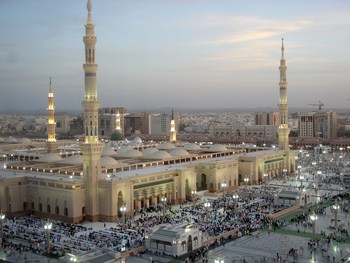
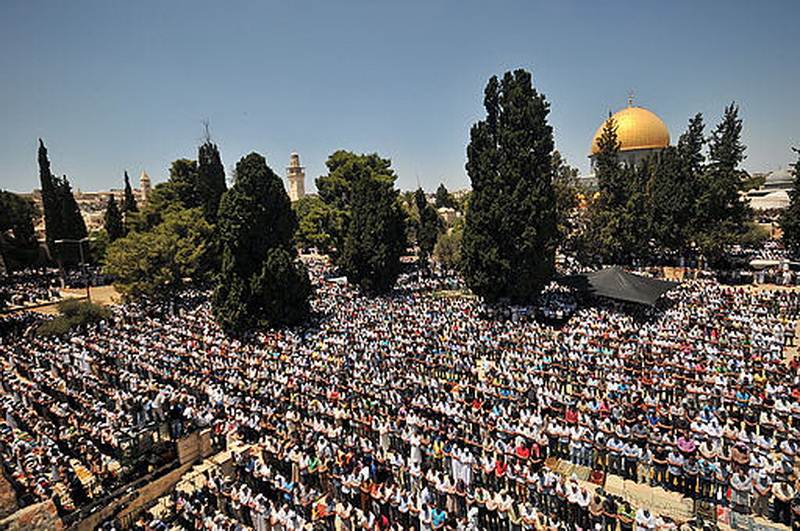
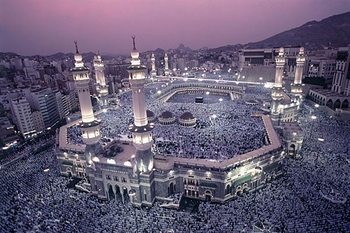
Al-Haram Mosque in Makkah The Prophet's Mosque in Madinah . Al-Aqsa Mosque Compound in Jerusalem
Islam: A Scientific View of God's Message to Humanity

By Hassan Ali El-Najjar

Table of Contents

I. Introduction: Basic Information   

1. Islam: A Brief Introduction    

2. Three Levels of Faith: Islam, Iman, and I'hsan    

3. The Scientific Evidence That God Exists and the Holy Quran Is His Message to Humanity    

4. Creation and Evolution in the Holy Qur'an   

5. Humans, As God's Caliphs on Earth   

6. Adam's Contest With the Angels, and Getting Out of Paradise  

7. Worshippers By Choice Or Forced Slaves?    

8. The Relationship Between the Spiritual and the Physical in Islamic Teachings

9. Spirit, Soul, Mind, Self, and Happiness from an Islamic Perspective  

10. Heart-Mind Relationship in the Holy Quran

II. Islam: The Five Pillars of the Faith Structure  

11. Islamic Proclamation of Faith

12. Performing Islamic Prayers  

13. Giving Zakat, Charity, The Third Islamic Duty  

14. Fasting and Ramadhan, Great Gifts from Allah to Muslims  

15. Haj, Pilgrimage, the Fifth
 Pillar of Islam

III. Iman: Allah, His Angels, Messengers, Messages, Latter Day, and Qadar  

16. Allah, His Good Names: Who Is He? What Does He Want for Humans?    

17. Angels  

18. Noo'h, Noah, in the Holy Quran   

19. Ibrahim, Abraham, in the Holy Quran

20. Moussa, Moses, in the Holy Quran  

21. 'Eissa, Jesus Christ, in the Holy Quran    

22. Mu'hammed in the Holy Quran

23. Prophet Mu'hammed's Night Journey and Ascent to Heavens, Al-Isra Wal Mi'raj  

24. The Last Day, The Hour, Resurrection, Reckoning, and Judgment

25. God's Precise Measurement and His Just Decree, Al-Qadar Wal Qadha

IV. I'hsan: Watching Allah in What We Say and What We Do  

26.  Introduction to Islamic Law, Shari'a, Part I, Prohibition, Don't Do, and Do Commands in the Holy Quran

27. The La (No) Commands  

28. The Imperative Commands  

***

Articles with Islamic Perspective:

Health Care Crisis in the US: An Islamic Perspective

"Terrorism" & "Islamo-Fascism" Propaganda Campaigns: An Interactive Lecture

Six Questions About Islam, Muslims and Jews

Five Islamic Issues: Predestination and choice, position toward other religions, angels, and the End of Days

Food Islamic Rules and Teachings
 

Are Muslim women second-class citizens  

The French Ban on Islamic Headscarf, an Interview with

Links to Islamic Topics 2007-2010

Links to Islamic Topics 2007

Links to Islamic topics 2006

Links to Islamic topics 2005

Links to Islamic topics 2004

Links to Islamic topics, 2003

2002 Links to Islamic topics


Islam:

A Scientific View of God's Message to Humanity

12

Performing Islamic Prayers

By Hassan Ali El-Najjar

First Published in January 2010

Updated on the 19th of Dthul Hijja, 1441 - 9th of August, 2020

***

إقَامُ الصَّلاةِ

تأليف

حسن علي النجار

نُشِرَ هذا الفصلُ للمرةِ الأولى في يناير 2010

تمت مراجعة هذا الفصل في االتاسع عشر من ذي الحجة 1441 - التاسع من اغسطس \ آب 2020

***

أعوذ بالله من الشيطان الرجيم

بسم الله الرحمن الرحيم


I seek refuge with Allah from the Stoned Shaytan (Satan)

In the Name of Allah, the Beneficent, the Merciful

***

رِجَالٌ لَّا تُلْهِيهِمْ تِجَارَةٌ وَلَا بَيْعٌ عَن ذِكْرِ اللَّـهِ وَإِقَامِ الصَّلَاةِ وَإِيتَاءِ الزَّكَاةِ ۙ (النور ، 24: 37).

فَإِذَا قَضَيْتُمُ الصَّلَاةَ فَاذْكُرُوا اللَّهَ قِيَامًا وَقُعُودًا وَعَلَىٰ جُنُوبِكُمْ ۚ فَإِذَا اطْمَأْنَنتُمْ فَأَقِيمُوا الصَّلَاةَ ۚ إِنَّ الصَّلَاةَ كَانَتْ عَلَى الْمُؤْمِنِينَ كِتَابًا مَّوْقُوتًا (النِّسَاءُ ، 4: 103)

(Worshipping) men neither commerce nor sale distracts from the remembrance of Allah, and performance of prayer, and giving of zakat … (Al-Noor, 24: 37).

And when you have completed the prayer, remember Allah standing, sitting, or (lying) on your sides. And when you feel safe, re-establish (regular) prayer. Indeed, prayer has been decreed upon the believers, a decree of specified times (Al-Nisa, 4: 103).

 ***

Introduction

A Muslim is required to perform five prayers every day, following the teachings of the Prophet Mu’hammed, peace and blessings of Allah be upon him (pbbuh), who received the command for this 'Ibada (way of worship) when he met with Allah (God), praise to Him, above the seventh heaven. Then, the angel Jibreel (Gabriel), peace be upon him, taught him how to perform these prayers, including both the recitations and the movements. [1]

Before Muslims stand for prayer, they make wudhou' (ablution), which includes physical acts but with clear meanings. Five times a day, washing a person's hands, mouth, nose, face, arms, ears, hair, and feet, aims at cleanliness. This is the goal of the wudhou' requirement. Allah, praise to Him, has required these physical acts, not as meaningless rituals, but to lead to a deeper meaning, cleanliness. He wants humans to be clean and healthy (See Appendix 1 for notes about the English transliteration of Arabic sounds, such as dh in wudhou). [2]

The five Islamic prayers (dawn, noon, mid-after-noon, sunset, and dusk) are all physical acts of standing, bowing, kneeling, prostrating, and sitting down on the ground. These prayer movements are performed in a certain way taught to Muslims by the Messenger of Allah, Mu’hammed, pbbuh, who said: “Pray as you saw me praying.” This ‘Hadeeth, and others, were narrated by his Companions, collected by early Islamic scholars, and transmitted from one generation to another. [3]

Performing Islamic prayers, as described in ‘Hadeeths, regularly, and on time brings tremendous benefits to worshippers. These movements, performed properly five times a day, constitute a physical daily exercise activity, contributing to the welfare and well-being of the human body. Standing moves the blood circulation to various parts of the body, particularly after sleeping, sitting, or relaxation for a long period of time. Bowing down (rukou’), for example, benefits the back muscles and the backbone, which are stretched to relieve them from the pressure formed as a result of sitting or standing, for long hours every day. Prostration (sujood) provides the brain with bigger quantities of blood, with more oxygen and nutrients, than otherwise. It also relieves the brain from the electromagnetic waves, which we get from the air and from the electric and electronic devices we use throughout the day. Finally, sitting down allows thigh and leg muscles, ligaments, and tendons to be stretched, thus becoming more flexible and healthier. [4]

At the same time, each one of the prayer movements also involves spiritual benefits, represented by contemplation and thinking about the meaning of the verses of the Holy Quran and the words of praise to Allah, which are recited in each prayer movement. These acts of contemplation and thinking have tremendous benefits in terms of creating and maintaining internal mental peace for the worshipper. More important is that the five prayers keep the worshippers in a continuous contact with their Creator, which influences their behavior positively, strengthens the human self, and contributes to its well-being.  

Daily Prayer Times

The five prayers are performed at specific times, as mentioned by the Prophet, pbbuh, and in accordance with the continuous daily changes in the relationship between the Earth and the Sun. As a result, there is no disagreement about that the Fajr (dawn) prayer should be performed before the sunrise, and the Maghrib prayer after the sunset. The Dthuhr (noon) prayer should be performed after zawal, which is about nine minutes after the sun reaching the middle of the sky. This is the time when a person starts to see his/her shade. Noon is also measured as the mid-point between the sunrise and the sunset. The ‘Asr (mid-afternoon) prayer starts when the shade of an object becomes twice of its size. [5]  

While there is an agreement about the prayer times for the noon, mid-afternoon, and sunset prayer times, there has been a disagreement among Muslim scholars about the start of the Fajr (dawn) and ‘Isha (dusk, night) prayer times. The disagreement has led to the emergence of different methods of calculation about the start of these two prayers in various regions of the world. This disagreement can be demonstrated by comparing the two calendars of Um Al-Qura and the Islamic Society of North America (ISNA) concerning the dawn and night prayers, using data from the first day of the first months of 2019. [6]  

The Fajr (dawn) prayer time starts 17-20 minutes earlier, according to Um Al-Qura calendar, compared to the ISNA calendar. Thus, it is possible for people who follow Um Al-Qura, to pray the dawn prayer before the right time. Concerning the ‘Isha (night) prayer time, it is 19-25 minutes later according to Um Al-Qura than according to ISNA.

This may become harder on people who follow Um Al-Qura calendar, as they need to stay awake for a longer period of time, to perform the ‘Isha (night) prayer, particularly during summer, when nights become shorter. Due to these consequences, some scholars, like Ibn ‘Uthaymeen, criticized the Um Al-Qura calendar, which warrants a review of its calculation methods. [7]  

Number of Prayer Units (Rak’as):

The Islamic prayers are composed of specific body movements accompanying recitations from the Holy Quran and words of praise to Allah (God). Every prayer is composed of a specific number of units (Rak’as), each of which includes standing, bowing, prostration, and sitting on the floor. Each of these movements is a unique physical activity, different from what people do in their daily activities. The physical benefit of these movements is attained when they are performed regularly, on daily basis.

The Islamic prayers include a number of required units (Rak'as), a minimum, as well as a number of recommended units, except for 'Asr prayer, which is limited to the required units. While there are 17 required (Fardh) units in the daily prayers, the recommended (Sunna) units are 12. In addition, one more  (witr) prayer unit (rak’a) is recommended, as a close, after the two night (‘isha) recommended prayer units. However, worshippers can perform more (nafilah) prayers, according to a person’s capabilities and circumstances. The distribution of prayer units is as follows: [8]  

1. Al-Fajr (The Dawn) Prayer: 2 required Rak'as (units) and 2 recommended Rak'as (units), before.

2. Al-Dhuhr (The Noon) Prayer: 4 required Rak'as (units) and 4 recommended Rak'as (units), before & 2 after.

3. Al-'Asr (The Afternoon) Prayer: 4 required Rak'as (units).

4. Al-Maghrib (The Sunset) Prayer: 3 required Rak'as (units) and 2 recommended Rak'as (units) after.

5. Al-'Isha (Late Night, Dusk) Prayer: 4 required Rak'as (units) and 2 recommended Rak'as (units), after, and witr (one or three units), to conclude the day prayers. [9]

How to Perform Prayers Correctly

Several Islamic scholars mentioned that the correct (sound) prayers need to meet eight conditions (shuroot), fourteen pillars (arkan), and eight requirements (wajibat). If a worshipper forgets performing one or more of the requirements (wajibat), he/she can remedy that with the oversight prostration, before ending the prayer. However, forgotten pillars have to be performed in a re-prayer.

There are many verbal and non-verbal recommended (Sunna) acts in prayers, which are additions, if not performed, the prayer is still correct (sound). However, there are eight nullifiers (mubtilat) that invalidate prayers if anyone of them happens. There are also twenty-two disliked (makrohatat) things  that should be avoided in prayers. It is noteworthy to mention that Islamic scholars may differ in these numbers and in considering a recommended act as a required act, or vice versa.

Here is a brief explanation about each of the above-mentioned prayer-related six terms:

1. There are 9 conditions (shuroot) that a person should have, to be able to establish the Islamic prayer. These are (accepting) Islam, sanity, the ability to distinguish between things, removing impurity (uncleanliness), purification (ablution), covering from the chest to the knees for men and the whole body except the face and hands for women, reaching the due time, facing the Qibla (the Ka’ba), and the intention to perform the prayer.

2. There are 14 pillars (arkan) for the prayer to be considered as correct (sound). These are the ability to stand up, takbeer (saying Allahu Akber, meaning Allah is Greater than anybody else), reciting Al-Fati’ha (the first Chapter of the Holy Quran), bowing down (with hands on the knees), standing up, prostration (with the seven body parts touching the ground), lifting the head up, sitting down between the two prostrations, sitting down for Al-Tashahud, the second part of Al-Tashahud, asking Allah to bless the Prophet, pbbuh, the two salutations, calmness in all of the prayer movements, and observing the sequence of the 14 pillars.

3. There are 8 requirements (wajibat) for worshippers to observe as they perform their prayers. These are saying takbeer when standing again, other than the first one, saying: “Sub’hana Rabbiyal Adtheem” [Exalted (Praise to) my Lord, the Great] at least once in bowing down, saying: “Sami’a Allahu Liman ‘Hamidah (Allah hears whoever praises Him) when standing up after bowing down, saying “Rabbana wa laka Al-‘Hamd” after standing up, saying: “Sub’hana Rabbiyal Al-A’ala” [Exalted (Praise to) my Lord, the Highest] at least once while prostrating, saying: “Rubbi ighfir Lee” (My Lord, forgive me) between the two prostrations, sitting down for the first part of Al-Tashahud, and the recitation of the first part of Al-Tashahud.

4. There are many verbal and non-verbal recommended (Sunna) acts in prayers, which are additions, if not performed, the prayer is still correct (sound).

The verbal recommendations include saying the opening supplication, after the first takbeer: “Sub’hanak Allahumma, wa Bi’hamdika, wa Tabaraka ismuka, wa Ta’ala Jadduka, wa La ilaha Ghayruka” [Exalted You are, O Allah, praise to You, blessed is Your Name, Seriousness of Your (Commands) is highest, and there is no other god than You].

The opening supplication is followed by Al-Ta’awudth, saying: “a’oudthu billahi minal shaytanir rajeem” (I seek refuge with Allah from the stoned Shaytan), Al-Basmala, saying: “bismil lahir ra’hmanir ra’heem” (In the Name of Allah, the Beneficent, the Merciful), saying “Aameen” (Amen) after reciting Al-Fati’ha, recitation of a Soora or some verses after Al-Fati’ha, loud recitation in the dawn (Fajr) prayer as well as in the first two Rak’as of the sunset (Maghrib) and dusk (‘Isha) prayers, loud recitation for the Imam in the Jumu’a prayer as well as in the two ‘Eids and in the supplication for rain, saying after ta’hmeed: “mil-us samawati wa mil-ul ardhi wa mil-u ma shi-ta min shay-in ba’du” (as big as the heavens, the Earth, and whatever else You may will), saying more than one tasbee’h in the rukoo’ (bowing down) and sujood (prostration), saying: “Rubbigh firly” (My Lord, forgive me) between the two prostrations, and recitation of the full Tashahud in the last rak’a.

The non-verbal recommendations include raising the hands while saying the first takbeer, when bowing down (rukoo’), and when standing up after bowing down. These also include placing the right hand over the left hand while standing up during recitations, looking at the point of prostration, separating the feet away from each other when standing, grasping the knees with hands when making rukoo’, with the fingers separated from each other, stretching the back in the rukoo’ in a way in which the head is parallel to the ground.

When making sujood (prostration), the external body parts need to touch the floor. These are the forehead, the two hands, the nose, the two knees, and the toes of both feet. The knees need to be separated. The hands need to be flat and the fingers close to each other. For women, the hands and the elbows need to touch the floor. Sitting needs to be in an iftirash position (on feet) between the two prostrations and in the first tashahud, sitting in a tawarruk position (on the floor) in the second tashahud, putting the palms of the two hands on the thighs with fingers together between the two prostrations and in the tashahud. When mentioning the shahada (proclamation of faith) in the tashahud, the pointer finger of the right hand needs to be raised. Finally, worshippers need to look to the right then to the left over their shoulders when they make tasleem (greeting) at the end of the prayer.

5. There are 8 nullifiers (mubtilat) that invalidate prayers if anyone of them happens. These are speaking intentionally while knowing that it is a nullifier of prayer to do so. However, if a person does that while forgetting or being ignorant about this rule, it does not nullify his/her prayer. The prayer is also nullified by laughing, eating, drinking, uncovering the ‘awra (the clothes covering rules), significant deviation from the K’aba direction, touching the body repeatedly and continuously, and losing ablution (passing gas or urine).

6. There are 22 disliked (makrohatat) things that should be avoided in prayers, as most of them reflect lack of calmness and devotion. These are looking sideways without necessity, looking up to the sky, touching the floor with arms during prostration for men (only women should do that), putting the hands on the two body sides, looking at something which may distract, praying towards something which may distract, sitting with the buttocks on the floor (sitting should be on the feet), touching body parts or things or the place, Interlacing or snapping fingers, prayer at the time of serving food (eating should precede prayer), resisting the need for going to the bathroom (which should happen before prayers), spitting (particularly towards the Qibla or sideways), getting busy with folding the shirt sleeves up or lifting the hair up while standing, getting busy with lifting the hair up while prostrating, covering the mouth, hiding the hands under the garment, always praying on the same spot at the masjid, depending on the hands when going down to sit (knees first for those who are capable to do so), making rukou’ (bowing down) before reaching the worshippers’ line, eating raw onions and garlic before coming to the masjid (due to the resulting bad smell), performing extra night prayers while being sleepy. [10]

***

The Dawn (Fajr) Prayer, as an Example About Performing Prayer

It is noteworthy to mention that there are differences among the Islamic schools of thought (madthahib) about what constitutes each of the above-mentioned six terms, in relation to the performance of the correct (sound) prayer. Accordingly, performing prayers can be divided into the following eleven main steps, which demonstrate how prayers can be performed. The Fajr prayer is used here as an example because it is composed of two required Rak’as. Thus, it is the shortest prayer.

1. Ablution (wudhou):  Cleanliness before prayers

A Muslim has to be clean, by taking showers regularly, as well as after the sexual intercourse. Cleanliness is also performed before every prayer in the form of Wudhou (washing the external body organs with water). This includes washing and cleaning hands, mouth, nose, face, arms, head hair, ears inside and back, and feet. Thus, the Creator, praise to Him, wants people to be healthy by cleaning themselves of dust, sweat, and microbes, five times a day (There are many illustrative videos of how to make Wudhou in the internet).

If water is not available at all (which is a unique case), a Muslim performs Tayamum, which is an emulation of the Wudhu' actions. In addition to cleanliness, wudhu’ and Tayamum enable humans to be elevated to a higher spiritual rank, in preparation for addressing their Creator and standing before him in the best possible condition. [11]

2. Adthan (The first call for prayer)

Adthan is an announcement about the start time for a prayer. It is a calling for a group prayer in a masjid (mosque). Therefore, it is done by one person, as mentioned in a ‘Hadeeth narrated by Malik Bin Al-‘Huwairith, mAbpwh, who said that the Prophet, pbbuh, said: “Go back to your people, teach them, command them (with what you have learned), and pray like you saw me praying. When the time comes for a prayer, one of you should make the announcement (Adthan), and the eldest among you should lead the prayer.” [12]

The Prophet, pbbuh, approved of the Adthan and Iqama words after hearing them from one of his Companions, Abdullah Bin Zayd Bin Abd Rabbu, mAbpwh. He told him that he was told these words by a man wearing green clothes, in a dream, to be used as a call for prayers, instead of the bell (which is used by Christians). Companion ‘Omar Bin Al-Khattab, mAbpwh, told the Prophet that he also saw that dream. Then, the Prophet asked Companion Bilal Bin Raba’h, mAbpwh, to call the Adthan, as he had the most beautiful voice among his Companions. Here’s the Adthan: [13] 

الْأذَانُ

اللهُ أكْبَرُ اللهُ أكْبَرُ ، اللهُ أكْبَرُ اللهُ أكْبَرُ

أشْهَدُ ألَّا إلَهَ إلَّا اللهَ ، أشْهَدُ ألَّا إلَهَ إلَّا اللهَ

أشْهَدُ أنَّ مُحَمِّدَاً رَسُولُ اللهِ ، أشْهَدُ أنَّ مُحَمِّدَاً رَسُولُ اللهِ

حَيِّ عَلَى الصَّلاةِ ، حَيِّ عَلَى الصَّلاةِ ،

حَيِّ عَلَى الْفَلاحِ ، حَيِّ عَلَى الْفَلاحِ

اللهُ أكْبَرُ اللهُ أكْبَرُ

لا إلهَ إلَّا اللهَ

 Adthan (First calling for a group prayer in a masjid):

Allahu akbar (God is Greater): 4 times.

Ash hadu alla ilaha illa Allah (I bear witness that there is no other god but Allah): Twice

Ash hadu anna Mu’hammedan rasoul ullah (I bear witness that Mu’hammed is the Messenger of Allah): Twice

‘Hayie ‘alas salah (Come to prayer): Twice

‘Hayie ‘alal fala'h (Come to prosperity): Twice

Allahu akbar (God is Greater): Twice.

La ilaha illa Allah (There is no other god but Allah): Once

3. Iqama (The second call for prayer)

Iqama is the second announcement for prayer, which is called directly before the start of a required prayer, whether performed in a group or individually. It includes the same sentences used in the Adthan but without repetition, and adding “Qad Qamat Issala, Qad Qamat Issala” (It’s time to stand for prayer), as follows: [14]

اللهُ أكْبَرُ اللهُ أكْبَرُ ، أشْهَدُ ألَّا إلَهَ إلَّا اللهَ ، أشْهَدُ أنَّ مُحَمِّدَاً رَسُولُ اللهِ

حَيِّ عَلَى الصَّلاةِ ، حَيِّ عَلَى الْفَلاحِ ، قَدْ قَامَتْ الصَّلاةُ ، قَدْ قَامَتْ الصَّلاةُ

اللهُ أكْبَرُ اللهُ أكْبَرُ ، لا إلهَ إلَّا اللهَ

Iqama (The second call for prayer): Calling for the immediate start of prayer:

Allahu akbar, Allahu akbar (God is Greater): Twice.

Ash hadu alla ilaha illa Allah (I bear witness that there is no other god but Allah): Once.

Ash hadu anna Mu’hammedan rasoul ullah (I bear witness that Mu’hammed is the Messenger of Allah): Once

‘Hayie ‘alas salah (Come to prayer): once

‘Hayie ‘alal fala'h (Come to prosperity): Once

Qad Qamates salah, qad qamates salah (The prayer has been stood for): Twice

Allahu akbar, Allahu akbar (God is Greater): Twice

La ilaha illa Allah (There is no other god but Allah): Once

4. Facing the Qibla (Al-Ka'ba)

When Muslims pray, they must face the Qibla, which is Al-Ka'ba (The cubic-shaped House of Allah in Makkah). This is an implementation of God’s command, contained in verse 2: 150, as follows:

وَمِنْ حَيْثُ خَرَجْتَ فَوَلِّ وَجْهَكَ شَطْرَ الْمَسْجِدِ الْحَرَامِ ۚ وَحَيْثُ مَا كُنتُمْ فَوَلُّوا وُجُوهَكُمْ شَطْرَهُ (الْبَقَرَةُ ، 2: 150).

From wherever you emerge, turn your face towards the Sacred Mosque, and wherever you are, face towards it (Al-Baqara, 2: 150).

Worshippers should stand on a clean floor. For that purpose, they use a clean, small rug, if they are away from the masjid (mosque). Healthy people must stand for prayers. However, the sick can pray in whatever position suiting them, such as sitting or on their sides, as stated in verse 3:91. 

It is essential for Muslims to make the effort of finding the exact direction of Al-Qibla, which can easily be found by using smart phones. Many websites also provide the Qibla direction for cities around the world, using a regular compass of 360 degrees. For example, it is 52 degrees northeast, for Atlanta, Georgia, USA. [15]

5. Intention and Takbeer

As a Muslim worshipper stands for prayer, he/she has the intention to perform it, that is why it is unnecessary to say that he/she intends to pray. However, followers of Imam Al-Shafi'ie pronounce the intention. Then, they lift their hands up to the levels of their ears, making the Takbeer (saying Allahu Akbar), which is the start of the prayers. Followers of other imams may neither pronounce the intention nor lift their hands up when they say the Takbeer. The Shafi’ie school of thought (madth-hab) requires the prayer leader (imam) to say the Takbeer loudly but other worshippers should say it silently, whether they are praying in a group or individually. The Maliki school of thought allows saying it loudly for all, following what the Prophet, pbbuh, did it in all these different ways, to make it easy on people, by giving them options. [16]

6. Recitation of Al-Fati’ha

While standing up, facing the Qibla, a worshipper places his/her right hand over the left hand, above the belly button, and below the chest, or even without that altogether, as this represents politeness with the Creator, praise to Him. He/she starts with “Isti’adtha,” saying: “A’oudthu billahi minash shaytanir rajeem” (I seek refuge with Allah from the Stoned Shaytan, “Satan”).

There is no disagreement among the Islamic schools of thought about starting all chapters of the Holy Quran with the “Basmallah” (mentioning the name of Allah), though it’s not considered part of each chapter, except for Surat Al-Tawba (Chapter 9), which does not start with it. However, there is a disagreement about whether the “Basmallah” is part of the first Chapter (Al-Fati’ha), or not.  

Despite that disagreement, whether a worshipper is praying with a group or individually, he/she has to start with “Isti’adtha” and the “Basmallah” before reciting Al-Fat’ha, in the first Rak’a, and the “Basmallah” only in other Rak’as. However, there is strong evidence of giving a prayer leader (imam) the option of saying them loudly in the Jahri prayers (dawn, sunset, and night), as education for worshippers, following the practice of the Prophet’s Companions, mAbpwt all. [17] 

Then, a Muslim recites Al-Fati'ha (The Opening), in Arabic. This is the first Sura (Chapter) of the Holy Quran, which represents the sixth step of performing prayers. It is recited in Arabic, like all parts of the prayer, as follows:

أعُوذُ بِاللهِ مِنَ الشَّيْطَانِ الرَّجِيمِ

 بِسْمِ اللَّهِ الرَّحْمَٰنِ الرَّحِيمِ ﴿١﴾‏ الْحَمْدُ لِلَّهِ رَبِّ الْعَالَمِينَ ﴿٢﴾‏ الرَّحْمَٰنِ الرَّحِيمِ ﴿٣﴾‏ مَالِكِ يَوْمِ الدِّينِ ﴿٤﴾‏ إِيَّاكَ نَعْبُدُ وَإِيَّاكَ نَسْتَعِينُ ﴿٥﴾‏ اهْدِنَا الصِّرَاطَ الْمُسْتَقِيمَ ﴿٦﴾‏ صِرَاطَ الَّذِينَ أَنْعَمْتَ عَلَيْهِمْ غَيْرِ الْمَغْضُوبِ عَلَيْهِمْ وَلَا الضَّالِّينَ ﴿٧﴾‏ (الْفَاتِحَةُ ، 1: 1-7).

A’oudthu billahi minash shaytanir rajeem

(I seek refuge with Allah from the Stoned Shaytan, “Satan”)

Bismil lahir ra'hmanir ra'heem

(In the name of Allah, the Beneficent, the Merciful) (1) 

Al'hamdu lilahi rabbil ‘aalameen

(Praise be to Allah, Lord of the Worlds) (2)

Arra'hmanir ra'heem 

(The Beneficent, the Merciful) (3) 

Maliki yawmid deen 

(Owner of the Day of Judgment) (4) 

Iyaka na’budu wa iyaka nasta’een 

[You (alone) we worship, You (alone) we ask for help] (5) 

Ihdinas siratal mustaqeem 

(Guide us (to) the straight path) (6) 

Siratal ladtheena an’amta ‘alayhim 

Gharil maghdhoobi ‘alayhim 

Waladh dhaleen 

(The path of those whom You have blessed, not (the path of) those who earned Your anger, nor of those who went astray) (7) (Al-Fati'ha, I: 1-7). 

Ameen.

7. Recitation of Some Verses of the Holy Quran, After Al-Fati'ha  

It is recommended that worshippers recite some verses of the Holy Quran after the recitation of Al-Fati’ha, in the first two Rak’as. This can be a recitation of a short Soora (Chapter), few verses of a Soora, or longer than that, according to a person’s circumstances and ability to memorize. The Prophet, pbbuh, used to lengthen such recitation in the dawn (Fajr) prayer, and to shorten it in the sunset (Maghrib) prayer (See Appendix 2, which includes the last three chapters of the Holy Quran, as examples of short Sooras).

The best recitation is “tarteel,” in response to God’s command in verse 73: 4, "وَرَتِّلِ الْقُرْآنَ تَرْتِيلًا"  (recite the Quran in slow, measured rhythmic tones). This is achieved by joining letters and words, to slow the recitation for the purpose of allowing enough time to think about the meanings of the recited verses, while enjoying the Quran musical tone. [18]   

8. Rukou' (Bowing down)

After the recitation of Al-Fati’ha and some verses from the Holy Quran, a worshipper makes Takbeer (saying Allahu Akbar). This is an indication of transition to the step of prayer: Rukou’ (bowing down), with hands placed over the knees and the back and the head are parallel to the floor. Then, he/she makes Tasbee'h, saying:

"سُبْحَانَ رَبِّيَ الْعَظِيمِ ، وَبِحَمْدِهِ."

Sub'hana rabbiyal ‘adtheem (Exalted is my Lord, the Great, and praise to Him): at least once, while in Rukou’ (bowing).

This is according to the Companion ‘Hudthayfa Bin Al-Yaman, mAbpwh. However, a worshipper may increase the number of times, or add more tasbee’h (words of praise to Allah), as narrated by the Mother of believers, ‘Aisha, mAbpwh, as follows:

"سُبْحَانَكَ الْلّهُمَّ رَبَّنا وَبِحَمْدِكَ ، الْلَّهُمَّ اغْفِرْ لِي."

"سُبُّوحٌ ، قُدُّوسٌ ، رَبُّ الْمَلائِكَةِ وَالرُّوحِ."

“sub’hanak allahuma, rabbana, wa bi’hamdika, allahuma ighfir lee”

(Exalted You are, O Allah, our Lord, and praise to You, O Allah, forgive me)

“subboo’h, quddoos, rabbil mala-ikati warrou’h”

(Exalted, Holy, is the Lord of the Angels and the Spirit). [19]   

9. Lifting the Head up, Standing Upright, with Calm

After bowing down (Rukou'), a Muslim worshipper moves to the ninth step of prayer, in which an imam or an individual worshipper lifts his/her head up, stands upright, with calm, and says:

"سَمِعَ اللهُ لِمَن حَمِدَه."

Sami'al lahu liman 'hamidah (Allah listens to whoever praises Him): Once.

Then, all categories of worshippers (imam, a worshipper in a group, or an individual worshipper) say:

"رَبَّنَا وَلَكَ الْحَمْدُ."

“rabbana walakal ‘hamd” (Our Lord, to You is praise): Once.

This was how the Prophet, pbbuh, practiced this step of prayer, as we learn from the ‘Hadeeths narrated to us by his Companions. [20]   

10. Sujood (Prostration), lifting up the head, and sitting between the two Sujoods:

After standing upright calmly, saying words of praise to Allah, a worshipper makes takbeer (saying Allahu Akbar), as an indication of the transition to the tenth step of prayer, prostration (Sujood), in which he/she goes all the way down to the floor, placing his/her face on the floor. The complete prostration requires eight body parts to touch the floor. These are the forehead, nose, the two hand palms, the two knees, and the tiptoes of the two feet. A minimum prostration is achieved by placing part of each body organ on the floor, as mentioned in a ‘Hadeeth narrated by Ibn (son of) ‘Abbas, mAbpwt both. [21] 

Once in prostration on the floor, a Muslim worshipper says the following Sujood Tasbee'h, three times, as follows:

"سُبْحَانَ رَبِيَ الأعْلَى."

Sub'hana rabbiyal ‘ala (Exalted is my Lord, the Highest): 3 times.

As in the rukou’, a worshipper may increase the number of times, or add more tasbee’h (words of praise to Allah), as narrated by the Mother of believers, ‘Aisha, mAbpwh, as follows:

"سُبْحَانَكَ الْلّهُمَّ رَبَّنا وَبِحَمْدِكَ ، الْلَّهُمَّ اغْفِرْ لِي."

"سُبُّوحٌ ، قُدُّوسٌ ، رَبُّ الْمَلائِكَةِ وَالرُّوحِ."

“sub’hanak allahuma, rabbana, wa bi’hamdika, allahuma ighfir lee”

(Exalted You are, O Allah, our Lord, and praise to You, O Allah, forgive me)

“subboo’h, quddoos, rabbil mala-ikati warrou’h”

(Exalted, Holy, is the Lord of the Angels and the Spirit). [22]

Then, a worshipper makes takbeer (saying Allahu Akbar), while lifting his/her head and while sitting calmly on the floor. Then, he/she makes takbeer (saying Allahu Akbar) again, while going down to perform a second Sujood.

By performing the two sujoods (prostrations), a worshipper completes one prayer unit (Rak'a). Then, he/she stands up, while making takbeer, to perform the second Rak'a, repeating the above-mentioned ten steps.

11. Al-Tashahud and the Two Greetings

After performing the prostration (Sujood) of the second prayer unit (Rak'a), a Muslim worshipper sits down on the floor, with his/her legs bent beneath him/her, reciting Al-Tashahud (The Proclamation and Bear Witnessing), at the end of which he/she makes greetings to both directions, starting with the right, then the left.

Al-Tashahud (pronounced atta shahud) is recited fully when a worshipper is praying two Rak'as only, such as in the case of Al-Fajr (Dawn) prayer and in all Sunna (voluntarily extra) prayers, which are performed in two rak’as each. However, in the rest of the required (Fardh) prayers, which include more than two Rak'as, Al-Tashahud is recited in two ways. After the first two Rak'as, a worshipper recites only the first part of Al-Tashahud but he/she recites it fully at the end of the last Rak'a (last prayer unit). Like all parts of the prayers, Al-Tashahud is recited in Arabic. Here it is in Arabic first, then transliterated and translated into English. [23]

 التَّشَهُدُ

Al-Tashahud (pronounced as atta shahud): The Proclamation and Bear Witnessing

(To be recited while sitting in prayer)

الجُزْءُ الأولُ:

التَّحِياتُ المُبَارَكَاتُ ، وَالصَّلَوَاتُ الطَّيبَاتُ للهِ ،  السَّلامُ عَلَيكً أيُهَا النبيُّ وَرَحْمَةُ اللهِ وَبَرَكَاتُهُ

 السُلامُ عَلَينَا وَعَلى عِبَادِ اللهِ الصَّالِحِينَ ،  أشْهَدُ أنَّ لا إلهَ إلا الله ، وأشْهَدُ أنَّ مُحَمَّداً رَسُولُ الله

الجُزْءُ الثَانِي:

اللَهُمَّ صَلَّي عَلَى مُحَمَّدٍ ، وَعَلَى آلِ مُحَمَّدٍ ،  كَمَا صَلَّيتَ عَلَى إبْرَاهِيمَ ، وَعَلَى آلِ إبْرَاهِيم.

 وَبَارِكْ عَلَى مُحَمَّدٍ ، وَعَلَى آلِ مُحَمَّدٍ ،  كَمَا بَارَكْتَ عَلَى إبْرَاهِيمَ ، وَعَلَى آلِ إبْرَاهِيم ،  فٍي الْعَالَمِينَ.

 إنَّكَ حَمِيدٌ مَجِيد.

ثُمَّ التَّسْلِيمُ ، يَمِينَاً ثُمَّ شِمَالاً ، مَعَ قَوْلِ: السلامُ عليكم ورحمةُ الله (وبركاتُه).

Transliteration of Al-Tashahud:

Part I:

At ta'hiyatu, al mubarakatu, wassala watu at tayibatu, lilah

Assalamu 'alayka ayuhan nabiyu wa ra'hmatul lahi wa barakatuh

Assalamu 'alayna wa 'ala 'ibadil lahis sali'heen

Ash hadu alla ilaha illal lah

Wa ash hadu anna mu’hammedan rassoulul lah.

***

Part II:

Allahumma salli 'ala mu’hammedin, wa 'ala aali mu’hammed

Kama salayta 'ala ibraheema, wa 'ala aali ibraheem

Wa barik 'ala mu’hammedin, wa 'ala aali mu’hammed

Kama barakta 'ala ibraheema, wa 'ala aali ibraheem

Fil 'aalamina

Innaka 'hameedun majeed.

End Greetings:

Then a worshipper ends a prayer with greetings to the right, then to the left saying:

Assalamu 'alaykum wa ra'hmatul lahi wabarakatuh.

*** 

English translation of Al-Tashahud:

Part I:

Blessed greetings and good prayers to Allah

Peace be upon you, O Prophet, and mercy of Allah, and His blessings

Peace be upon us and upon the good worshippers of Allah

I bear witness that there is no other God but Allah (while raising the pointer finger of the right hand)

And I bear witness that Mu’hammed is the Messenger of Allah (while raising the pointer finger of the right hand)

Part II:

O Allah! Pray for (bless) Mu’hammed and for the family of Mu’hammed

As You prayed for (blessed) Ibraheem (Abraham) and for the family of Ibraheem

And bless Mu’hammed and the family of Mu’hammed

As You blessed Ibraheem and the family of Ibraheem

Amongst the worlds

You are Praise-Worthy, You are Glorious

End Greetings:

Then, the prayer is completed by saying the Islamic greetings to those on the right and to those on the left:

Peace of Allah be upon you, His mercy, and His blessings (to the right side)

Peace of Allah be upon you, His mercy, and His blessings (to the left side)

This is the end of Al-Fajr (Dawn) Prayer.

***

After Prayer Tasbee'h (Words of Praise to Allah)

There are several ‘Hadeeths which recommend Tasbee'h (Saying words of Praise to Allah) after each prayer. Here is the most common practice, on the basis of a ‘Hadeeth narrated by Companion Abu Hurayra, mAbpwh, as follows:

"سُبْحَانَ اللهِ ، والْحَمْدُ للهِ ، واللهُ أكْبَرُ" (33 مَرَّةً لِكُلٍ مِنْهَا)

Sub'hana Allah (Exalted is Allah): 33 times

Al'hamdu lillah (Praise to Allah): 33 times

Allahu akbar (Allah is Greater): 33 times

Then, Tasbee’h is closed with one sentence, said once, as follows:

"لا إلهَ إلا اللهُ وَحْدَهُ لا شَرِيكَ لَهُ ، لَهُ المُلكُ ولَهُ الحمدُ ، وهُوَ على كلِّ شَيءٍ قديرٍ."

La ilaha illallah, wa’hdahu la shareeka lahu, lahul mulku wa lahul ‘hamdu, wahwa ‘ala kulli shay-in qadeer.

There is no other god than (but) Allah, One Who has no partners, to Him is the Dominion, to Him is praise, and He is capable of (doing) everything.

***

The number of times each Tasbee'h can be said is dependent on a person's time and circumstances. It can be more than the recommended number of 33, mentioned above, or less than that. [24]   

Conclusion

There is a special importance for prayer in Islam, as it is a daily contact with the Creator, praise to Him, which brings peace and calm for the worshippers. It is preceded by wudhou’ (ablution), which is cleanliness for the external human body organs and spiritual purity for the human self. Its movements give great benefits for the muscles and various body organs. Performing it, regularly and on time, breaks the daily routine and budgets the daily activities efficiently. When it is performed collectively, in a congregation, it increases social interaction and leads to more needed and beneficial contacts among the worshippers.

When prayers are performed loudly, during the dawn, sunset, and dusk (Fajr, Maghrib, and ‘Isha), prayers provide worshippers with the opportunity to recite verses of the Holy Quran, listen to it, contemplate about its meanings all the year around.

One of the greatest blessings of the prayer is that it contains the first Chapter (Soorat Al-Fati’ha) as its main component, which include praise and greetings to the Lord, the Creator, and a call on Him for His guidance and assistance, guidance. It also includes asking Allah to bless and pray for His final Messenger, Mu’hammed, pbbuh, His Messenger Ibraheem, and their families, thus acknowledging their role in conveying the Message of God to humanity.

===================================================================================================

Appendix 1

Transliteration of Arabic sounds

There are three Arabic vowels and their three strong forms (Tanween, i. e. adding "N"). The first is the Fat'ha, which maybe expressed in English by the sound / a /, with its strong form of / an /. The second is the Kasra, which maybe expressed by the sound / i /, with its strong form of / in /. The third Arabic vowel is the Dhamma, which maybe expressed by the sound / u /, with its strong form of / un /, as it is pronounced in “on.”

Thus, following Arabic grammatical rules, the six vowel forms maybe illustrated in how a common noun, such as bab (door), maybe written and pronounced as baba, baban, babi, babin, babu, and babun.

 While all these six vowel forms are written in the Arabic text of the Holy Quran, not all of them are pronounced in recitation, particularly at the end of each verse. However, they maybe pronounced when several verses are continuously recited.

Arabic written words are mainly composed of consonants, vowels are added as symbols over or under a letter, as in the case of the text of the Holy Quran. However, in books and written media, only basic consonants and essential vowels are written as letters. No vowel symbols are added, as it is expected from an average educated Arabic speaker to know how to pronounce the words without vowel symbols.

Underlined letters in the above Quran transliteration

Some Arabic letters and sounds have no counterparts in the English alphabet and the English phonetic transcription. There are nine Arabic sounds which have no equivalence in the English alphabet. These are ( ح خ ص ض ط ظ ع غ ق ). Throughout the chapters of this book, the closest English letters to these Arabic letters are underlined, in order to tell readers that these are pronounced differently in Arabic. Thus, the closest sounds expressing the Arabic letters in parentheses, from right to left, are (h, kh, s, dh, t, tdh, a, gh, q). However, underlining them as (h, kh, s, dh, t, tdh, a, gh, q) conveys the message that these are different from the English sounds expressed by the letters of the English alphabet.

The Arabic letter and sound of Tha ( ث ) does not have an equivalent letter in English. Therefore, it is transliterated by the two underlined English letters "th" to indicate that this is just one Arabic letter and sound. This is the case of the sound pronounced at the beginning of the English word "three." 

Another example is that of the Arabic letter and sound of Dhal ( ذ ), which is transliterated by the two underlined English letters / dh / to indicate that this is just one Arabic letter and sound. This is the case of the sound pronounced at the beginning of the English word "that."

This method of underlining these letters is used in seven of the above-mentioned nine Arabic letters. However, for the other two Arabic letters expressed by the / h / and / a / sounds, an apostrophe before the letter is used, for each one of them to become / 'h / and / 'a / respectively. Using an apostrophe instead of underling a letter is for practical reasons only. First, these two letters are more frequently used than the other letters in the list. Second, it is easier to use the apostrophe on keyboards than adding underlining after writing.

As an example, an apostrophe is used before the English letter / a / to express the eighteenth letter of the Arabic alphabet / 'ayn /, as in the case of the transliteration of the Good Name of God, Al-'Azeez.

As an example, an apostrophe is used before the English letter / a / to express the eighteenth letter of the Arabic alphabet / 'ayn /, as in the case of the transliteration of the Good Name of God, Al-'Azeez, the 16th  on the list published in Chapter 16, "Allah, As He Described Himself in the Holy Quran." 

An apostrophe is also used before the English letter / h / to express the sixth letter of the Arabic alphabet / 'ha /, as in the case of the transliteration of the Good Name of God, Al-A'had, the 79th on the same list

The above usage of an apostrophe to help express the Arabic sound / 'a / may not be enough if the sound occurs at the end of a word, such as in the case of the Good Name of God, "Al-Samee'u," which is the 40th on the list. This Good Name of God is pronounced as "Al-Samee' " without conjugation. However, if the sound / 'a / occurs at the end of the word, the pronunciation may become distorted as / as-samee'a / instead of / as-samee ' /. As a solution, this author is using the conjugated form of the noun as a subject to become / as-samee'u /, the closest to the Arabic pronunciation.

=================================================================================================

Appendix 2

من قصار السور التي تتلى بعد الفاتحة في الصلاة

Some Short Suras (Holy Quran Chapters), Which May Be Recited After Al-Fati'ha in Prayer

سُوۡرَةُ الإخْلَّاصِ

بِسۡمِ ٱللهِ ٱلرَّحۡمَـٰنِ ٱلرَّحِيمِ

قُلْ هُوَ اللَّهُ أَحَدٌ ﴿١﴾‏ اللَّهُ الصَّمَدُ ﴿٢﴾‏ لَمْ يَلِدْ وَلَمْ يُولَدْ ﴿٣﴾‏ وَلَمْ يَكُن لَّهُ كُفُوًا أَحَدٌ ﴿٤﴾‏ (الإخْلَّاصُ ، 112: 1-4).

Surat Al-Ikhlas (Transliteration of Chapter 112 of the Holy Quran):

Bismil lahir ra’hmanir ra’heem

1. Qul hual lahu a’had

2. Allahus Samad

3. Lam yalid wa lam youlad

4. Wa lam yakun lahu kufwan a’had 

***

Soorat Al-Ikhlas (Translation of Chapter 112 of the Holy Quran):

In the name of Allah, the Beneficent, the Merciful

Say: He (is) Allah, (the) One; (1)

Allah (is) the Eternal; (2)

He did not beget (give birth) and He was not begotten (given birth to); (3)

And there has never been anyone equal to Him (4) (Al-Ikhlas, 112: 1-4).

==========================================================================

سُوۡرَةُ الفَلَق

بِسۡمِ ٱللهِ ٱلرَّحۡمَـٰنِ ٱلرَّحِيمِ

قُلْ أَعُوذُ بِرَبِّ الْفَلَقِ ﴿١﴾‏ مِن شَرِّ مَا خَلَقَ ﴿٢﴾‏ وَمِن شَرِّ غَاسِقٍ إِذَا وَقَبَ ﴿٣﴾‏ وَمِن شَرِّ النَّفَّاثَاتِ فِي الْعُقَدِ ﴿٤﴾‏ وَمِن شَرِّ حَاسِدٍ إِذَا حَسَدَ ﴿٥﴾ (الْفَلَقُ ، 113: 105).

Surat Al-Falaq (Transliteration of Chapter 113 of the Holy Quran):

Bismil lahir ra’hmanir ra’heem

1. Qul a‘oudthu birabil  falaq

2. Min sharri ma khalaq

3. Wa min sharri ghasiqin idtha waqab

4. Wa min sharrin naffathati fil ‘uqad

5. Wa min sharri ‘hasidin idtha ‘hasad

***

Surat Al-Falaq (Translation of Chapter 113 of the Holy Quran):

In the name of Allah, the Beneficent, the Merciful

Say: I seek refuge with the Lord of the dawn (daybreak), (1)

From the evil (done) by those He created; (2)

And from the evil of night darkness as it overspreads; (3)

And from the evil of tied knots (of witchcraft or plots); (4)

And from the evil of the envious when he envies. (5) (Al-Falaq, 113: 1-5). 

===========================================================================================================

سُوۡرَةُ النَّاس

بِسۡمِ ٱللهِ ٱلرَّحۡمَـٰنِ ٱلرَّحِيمِ

قُلْ أَعُوذُ بِرَبِّ النَّاسِ ﴿١﴾‏ مَلِكِ النَّاسِ ﴿٢﴾‏ إِلَٰهِ النَّاسِ ﴿٣﴾‏ مِن شَرِّ الْوَسْوَاسِ الْخَنَّاسِ ﴿٤﴾‏ الَّذِي يُوَسْوِسُ فِي صُدُورِ النَّاسِ ﴿٥﴾‏ مِنَ الْجِنَّةِ وَالنَّاسِ ﴿٦﴾‏ (النَّاسُ ، 114: 1-6).

Surat Al-Nas, pronounced as an-nas (Transliteration of Chapter 114 of the Holy Quran):

Bismil lahir ra’hmanir ra’heem

1. Qul a’oudthu birabin nas

2. Malikin nas

3. Ilahin nas

4. Min sharril waswasil khannas

5. Alladthi yuwas wise fi sudourin  nas

6. Minal jinnati wannas

***

Surat Al-Nas, pronounced as an-nas (Translation of Chapter 114 of the Holy Quran):

In the name of Allah, the Beneficent, the Merciful

Say: I seek refuge with the Lord of the people (humankind), (1)

King of the people (humankind), (2)

God of the people (humankind), (3)

From the evil of the whisperer (the devil), the silent (who shuts up when people remember God by reciting these verses and others from the Holy Quran) (4)

Who whispers into the hearts of the people (5)

(Both) the Jinn and the humans (6) (Al-Nas, 114: 1-6)

Note: The Jinn are invisible non-human, intelligent creatures. Some of them are Muslims but others are not.

***
*** 

Notes for Chapter 12: Performing Islamic Prayers

[1] Prayers were ordained on Muslims during "Prophet Muhammed's Night Journey and Ascent to Heavens, Al-Isra Wal Mi'raj," which is the topic of Chapter 7 of the fourth book about Islam, by this author (Messengers of Allah to His Intelligent Creations).

God’s command for Muslims to perform the daily prayers is mentioned 17 times in the Holy Quran, five of which are in the singular masculine form “aqim al-salata” (pronounced: aqim assalata), in verses 11: 14, 17: 78, 20: 14, 29: 45, and 31: 17.

The command is mentioned once in the plural feminine form “aqimna al-salata,” in verse 33: 33, and is mentioned eleven times in the plural masculine form “aqimo al-salata” (which addresses both men and women), in verses 2: 43, 2: 83, 2: 110, 4: 77, 4: 103, 10: 87, 22: 78, 24: 56, 30: 31, 58: 13, and 73: 20.

Performing prayers is also mentioned in the Holy Quran 17 more times, as a characteristic of the believers, in verses 2: 177, 2: 277, 4: 162, 5: 9, 5: 12, 5: 55, 9: 11, 9: 18, 9: 71, 19: 31, 19: 55, 21: 73, 22: 41, 24: 37, 27: 3, 31: 4, and 98: 5.

The Arabic text, English translation, and authentication of the ‘Hadeeth, about how the angel Jibreel, peace be upon him, taught the Prophet, pbbuh, how and when to perform the Islamic prayers, are as follows:

عَنْ عبد الله بن عباس ، رضيّ اللهُ عنهُ ، أنَّ النبيَّ ، صلى اللهُ عليهِ وسَلَّمَ ، قال: "أمَّني جبريلُ عليهِ السَّلامُ عندَ البيتِ مَرَّتينِ. فصلَّى الظُّهرَ في الأولى منهما حينَ كانَ الفيءُ مثلَ الشِّراكِ. ثمَّ صلَّى العصرَ ، حينَ كانَ كلُّ شيءٍ مثلَ ظلِّهِ. ثمَّ صلَّى المغربَ ، حينَ وجبتِ الشَّمسُ وأفطرَ الصَّائمُ. ثمَّ صلَّى العِشاءَ حينَ غابَ الشَّفقُ. ثمَّ صلَّى الفجرَ حينَ بَرِقَ الفجرُ وحُرِّمَ الطَّعامُ علَى الصَّائمِ.

وصلَّى المرَّةَ الثَّانيةَ الظُّهرَ ، حينَ كانَ ظِلُّ كُلِّ شيءٍ مثلَه ، لوقتِ العصرِ بالأمسِ. ثمَّ صلَّى العصرَ ، حينَ كانَ ظِلُّ كلِّ شيءٍ مثليهِ. ثمَّ صلَّى المغربَ ، لوقتِه الأوَّلِ. ثمَّ صلَّى العِشاءَ الآخرةَ ، حينَ ذَهبَ ثُلُثُ اللَّيلِ. ثمَّ صلَّى الصُّبحَ ، حينَ أسفرتِ الأرضُ.

ثمَّ التفتَ إليَّ جبريلُ ، فقالَ: يا مُحَمَّدُ ، هذا وقتُ الأنبياءِ مِنْ قبلِكَ ، والوقتُ فيما بينَ هذينِ الوقتينِ" (قال عنهُ الألبانيُّ بأنهُ حسنٌ صحيحٌ ، بناءً على صحيحِ الترمذيِّ: 149. وأخرجهُ أبو داودُ: 393 ، باختلافٍ يسيرٍ ، وأحمدُ:  1/ 333 ، باختلافٍ يسيرٍ جدَّا).

معنى "والوقتُ ما بينَ هذينِ الوَقتينِ" إنَّ وقتَ كلِّ صلاةٍ ما بينَ أوَّلِ وقتِها كما بيَّنه في اليومِ الأولِ ، وبينَ آخرِ وقتِها كما بيَّنه في اليومِ الثاني ؛ فالصَّلاةُ في أولِه ووسطِه وآخرِهِ.

‘Abdullah Bin ‘Abbas, mAbpwt both, said that the Prophet, pbbuh, said: “Jibreel led me in prayer twice, near the House (of Allah, the Ka’ba). In the first time, he prayed Al-Dthuhr (the Noon prayer) when the shade of a person is on the string of his shoes. Then, he prayed Al-‘Asr (the Mid-Afternoon prayer) when the shade of everything is equal to it. Then, he prayed Al-Maghrib (the Sunset prayer) when the sun disappeared, and (it is the time for) the fasting to break the fast. Then, he prayed Al-‘Isha (the Dusk prayer) when the twilight disappeared. Then, he prayed Al-Fajr (the Dawn prayer) when the dawn emerged, and (it is the time in which) the food is prohibited for the fasting.

In the second time (when Jibreel led me in prayer), he prayed Al-Dthuhr (the Noon prayer) when the shade of everything was equal to it. Then, he prayed Al-‘Asr (the Mid-Afternoon prayer) when the shade of everything was twice as equal to it. Then, he prayed Al-Maghrib (the Sunset prayer) as mentioned before. Then, he prayed Al-‘Isha (the Dusk prayer) when one-third of the night passed. Then, he prayed Al-Fajr (the Dawn prayer) when the daybreak started on the Earth  (حينَ أسفرتِ الأرضُ).

Then, Jibril looked at me and said: “O Mu’hammed! This is the time of the Prophets before you. The time (for prayer) is between these two times” (Authenticated by Al-Albani, as a Sa’hee’h ‘Hasan (correct-good) ‘Hadeeth, based on Sa’hee’h Al-Tirmidthi: 149. It was also authenticated as Sa’hee’h by Abu Dawood: 393 and by A’hmed: 1/333, with few differences).

This means that the prayer can be performed directly when its time is up (as he pointed on the first day), or at the latest of its time (as he pointed on the second day), or between the two times.

[2] God’s command of wudhou’ is mentioned in verse 5: 6 of the Holy Quran, which also included Tayamum, in lieu of Wudou’, in the cases of sickness, travel, or absence of water, as follows:

يَا أَيُّهَا الَّذِينَ آمَنُوا إِذَا قُمْتُمْ إِلَى الصَّلَاةِ فَاغْسِلُوا وُجُوهَكُمْ وَأَيْدِيَكُمْ إِلَى الْمَرَافِقِ وَامْسَحُوا بِرُءُوسِكُمْ وَأَرْجُلَكُمْ إِلَى الْكَعْبَيْنِ ۚ وَإِن كُنتُمْ جُنُبًا فَاطَّهَّرُوا ۚ وَإِن كُنتُم مَّرْضَىٰ أَوْ عَلَىٰ سَفَرٍ أَوْ جَاءَ أَحَدٌ مِّنكُم مِّنَ الْغَائِطِ أَوْ لَامَسْتُمُ النِّسَاءَ فَلَمْ تَجِدُوا مَاءً فَتَيَمَّمُوا صَعِيدًا طَيِّبًا فَامْسَحُوا بِوُجُوهِكُمْ وَأَيْدِيكُم مِّنْهُ ۚ مَا يُرِيدُ اللَّـهُ لِيَجْعَلَ عَلَيْكُم مِّنْ حَرَجٍ وَلَـٰكِن يُرِيدُ لِيُطَهِّرَكُمْ وَلِيُتِمَّ نِعْمَتَهُ عَلَيْكُمْ لَعَلَّكُمْ تَشْكُرُونَ (الْمَائِدَةُ ، 5: 6).

O you who believe! Before you perform the prayer, wash your faces and your hands up to the elbows, rub (by passing wet hands over) your heads, and (wash) your feet up to ankles. If you are in a state of Janaba (i.e. had a sexual discharge), purify yourself (bathe your whole body). If you are ill or on a journey or any of you comes out of the restroom, or you have been in contact with women (i.e. sexual intercourse) and you find no water, then perform Tayamum with clean earth and rub therewith your faces and hands. Allah does not want to place you in difficulty, but He wants to purify you, and to complete His Favour on you, that you may be thankful (Al-Ma-ida, 5: 6).

Among some of the ‘Hadeeths mentioning benefits of prayers, and indirectly health benefits of wudhou’, is the one narrated by Companion Abu Hurayra, mAbpwh, as follows:

عَنْ أبي هُرَيْرَةَ ، رضيَ اللهُ عنهُ ، أَنَّهُ سَمِعَ رَسُولَ اللَّهِ ، صَلَّى اللَّهُ عَلَيْهِ وَسَلَّمَ ، يَقُولُ: "أَرَأَيْتُمْ لو أنَّ نَهْرًا ببَابِ أَحَدِكُمْ ، يَغْتَسِلُ منه كُلَّ يَومٍ خَمْسَ مَرَّاتٍ ، هلْ يَبْقَى مِن دَرَنِهِ شيءٌ؟ قالوا: لا يَبْقَى مِن دَرَنِهِ شيءٌ. قالَ: فَذلكَ مَثَلُ الصَّلَوَاتِ الخَمْسِ ، يَمْحُو اللَّهُ بهِنَّ الخَطَايَا" (صححهُ الألبانيُّ ، عن صحيحِ النسائيِ: 461 ، والترمذيِّ: 2868 ، والبخاريِّ: 528 ، ومسلم: 667).

Abu Hurayra, mAbpwh, said that he heard the Messenger of Allah, pbbuh, saying to his Companions: “If one of you has a river in front of his (home) door, where he takes a bath in it five times a day, would that leave any dirt on his body? They said: That would leave no dirt on his body. He said: That is the similitude of the five prayers, with which Allah erases sins (Authenticated by Al-Albani, as a Sa’hee’h (correct) ‘Hadeeth, based on Sa’hee’h Al-Nisa-i: 461 and Al-Tirmidthi: 2868. It was also authenticated as Sa’hee’h by Al-Bukhari: 528 and by Muslim; 667).

[3] The Arabic text, English translation, and authentication, of the mentioned ‘Hadeeth, are as follows:

عَنْ مالكٍ بنِ الحويرثِ ، رضيَ اللهُ عنه ، أنَّ رسولَ اللهِ ، صلى اللهُ عليهِ وسلَّمَ ، قالَ لَهُ وَلِمَنْ كانَ معهُ: "ارْجِعُوا إلى أهْلِيكُمْ ، فَعَلِّمُوهُمْ ومُرُوهُمْ ، وَصَلُّوا كما رَأَيْتُمُونِي أُصَلِّي. وإذَا حَضَرَتِ الصَّلَاةُ ، فَلْيُؤَذِّنْ لَكُمْ أحَدُكُمْ ، ثُمَّ لِيَؤُمَّكُمْ أكْبَرُكُمْ" (البخاريُّ: 631 ، 6008 ، ومسلم: 674 ، وابنُ الملقنِ: 600\4 ، وصَحَّحَهُ الألبانيُّ ، في صحيحِ الجامعِ: 893 وفي صحيحِ الأدبِ المفرد: 156).

Companion Malik Bin Al-‘Huawyrith, mAbpwh, said that the Messenger of Allah, pbbuh, said to him and to those with him: “Go back to your people, teach them, and order them (to observe God’s commands), and pray as you saw me praying. When the time for prayer is up, one of you calls for prayer. Then, the eldest among you leads (the prayer)” (Authenticated, as Sa’hee’h, by Al-Albani, in Sa’hee’h Al-Jami’: 893 and in Sa’hee’h Al-Adab Al-Mufrad: 156. It was also authenticated as Sa’hee’h by Al-Bukhari: 631, 6008 and by Musim: 600/4).

The five prayers (dawn, noon, mid-afternoon, sunset, and dusk) were mentioned in several verses in the Holy Quran, particularly 2: 238, 11: 114, 17: 78, 2: 238, and 30: 17-18, as follows:

حَافِظُوا عَلَى الصَّلَوَاتِ وَالصَّلَاةِ الْوُسْطَىٰ وَقُومُوا لِلَّـهِ قَانِتِينَ (الْبَقَرَةُ ، 2: 238).

وَأَقِمِ الصَّلَاةَ طَرَفَيِ النَّهَارِ وَزُلَفًا مِّنَ اللَّيْلِ ۚ إِنَّ الْحَسَنَاتِ يُذْهِبْنَ السَّيِّئَاتِ ۚ ذَٰلِكَ ذِكْرَىٰ لِلذَّاكِرِينَ (هُودُ ، 11: 114).

أَقِمِ الصَّلَاةَ لِدُلُوكِ الشَّمْسِ إِلَىٰ غَسَقِ اللَّيْلِ وَقُرْآنَ الْفَجْرِ ۖ إِنَّ قُرْآنَ الْفَجْرِ كَانَ مَشْهُودًا (الإسْرَاءُ ، 17: 78).

فَسُبْحَانَ اللَّـهِ حِينَ تُمْسُونَ وَحِينَ تُصْبِحُونَ ﴿١٧﴾ وَلَهُ الْحَمْدُ فِي السَّمَاوَاتِ وَالْأَرْضِ وَعَشِيًّا وَحِينَ تُظْهِرُونَ ﴿١٨﴾ (الرُّومُ ، 30: 17-18).

Maintain the (five) prayers, and (especially) the middle prayer. And stand (in prayer), supplicating to Allah (Al-Baqara, 2: 238).

And establish prayer at the two ends of the day and at parts of the night. Indeed, good deeds do away with misdeeds. That is a reminder for those who remember (Hood, 11: 114).

Establish prayer at the movement of the sun (from its meridian) until the darkness of the night; and (recite) the Quran of dawn. Indeed, the recitation (of the Quran) at dawn is ever witnessed (Al-Isra, 17: 78).

So Exalted is Allah, when you reach the evening and when you reach the morning. (17) And to Him is (due all) praise throughout the heavens and the earth. And (Exalted is He) at mid-afternoon and when you are at noon. (18) (Al-Room, 30: 17-18).

Ibn Katheer’s Interpretation

In his interpretation of verse 2: 238, Ibn Katheer mentioned that it is agreed upon among students of the Companions (tabi’in) that “the middle prayer” is a reference to the mid-afternoon (‘Asr) prayer, as it is in the middle between two prayers before (dawn and noon) and two prayers after (sunset and dusk). He also mentioned a ‘Hadeeth narrated by Ali Bin Abi Talib, mAbpwh, that the Messenger of Allah, peace and blessings be upon him (pbbuh), said on the Day of A’hzab: “They distracted us from the middle prayer, mid-afternoon (‘Asr) prayer” (Ibn 'Hazm: 235/4). Companion Ibn Mass’aud also narrated, in another version of the 'Hadith, that the Messenger of Allah, pbbuh, said: “the middle prayer is the mid-afternoon (‘Asr) prayer” (Al-Bukhari: 6396, Muslim: 627).

In his interpretation of verse 11: 114, Ibn Katheer included interpretations of the Prophet’s Companions, may Allah be pleased with them. He mentioned that “the two ends of the day” is a reference to the dawn prayer (Fajr) at one end of the day and the noon (Dhuhr) and afternoon (‘Asr) prayers at the other end. Further, “parts of the night” is a reference to the sunset (Maghrib) and dusk prayers (‘Isha).

Verse 17: 78 mentioned three prayers: the noon (Dthuhr), the dusk (‘Isha), and dawn (Fajr) prayers.

Companion Ibn ‘Abbas, mAbpwh, mentioned that verse 30: 17 referred to two prayers in the evening: sunset (Maghrib) and dusk (‘Isha) as well as one prayer in the morning: dawn (Fajr). He added that verse 30: 18 referred to two prayers: the noon (Dhuhr) and afternoon (‘Asr) prayers.

Moreover, the Messenger of Allah, pbbuh, mentioned the five prayers in several ‘Hadeeths, one of which was narrated by Companion ‘Abdullah Bin ‘Omar, mAbpwh and his father, which is stated in Endnote # 176 below.

[4] One of the most important conditions of the proper prayer is calmness and taking the needed time to perform its movements and recitations, without rushing any of them. We learn that from a ‘Hadith narrated by Companion Abu Hurayra, mAbpwh, who said that the Messenger of Allah, pbbuh, entered the masjid (mosque) one day, then a man also entered and prayed. He came to greet the Prophet, who told him” Go back and pray because you did not pray.” The man performed the prayer three times but got the same answer from the Prophet. Then, the man asked the Prophet to teach him how to pray because he did not know any different way to do it. The Prophet told him: “When you stand for prayer, say “Allahu Akbar” (Allah is greater than anybody), then recite some of what you know of the Quran. Then, bow down (making rukou’) calmly and taking your time. Then, lift your head standing upright. Then, prostrate (make sujoud) calmly and taking your time. Then, lift your head and sit down calmly and taking your time. Do this in all of your prayers” (Authenticated by Al-Albani, based on Sa’hee’h Al-Tirmidthi: 303 and Sa’hee’h Al-Nisa-i: 884, as well as by Al-Bukhari: 6251, Muslim: 397).

For more information about conditions and rules of the proper prayer, see the following articles by Shaikh Abdul Aziz Bin Baz, Shaikh Mu’hammed Sali'h Al-Munajjid, and Sa'id Bin Ali Bin Wahf Al-Qa'htani:

 https://www.facebook.com/FdyltAlshykhbdalzyzAbnBazRhmhAllhTaly/posts/916902398423957/

https://islamqa.info/ar/answers/65847/اركان-الصلاة-وواجباتها-وسننها

https://www.ahlalhdeeth.com/vb/showthread.php?t=341250

Al-Qa'htani's book "أركان الصلاة وواجباتها، وسننها، ومكروهاتها، ومبطلاتها في ضوء الكتاب والسنة" can be downloaded at the following site:    

https://d1.islamhouse.com/data/ar/ih_books/single4/ar_pillars_of_prayer.pdf

There are many articles and research papers about the physical benefits of performing prayers, such as the one by Qistas Ibrahim Al-Nu’aymi, titled “The miracle of prayer,” which was published on January 27, 2013, at:

http://www.jameataleman.org/main/articles.aspx?article_no=1794

Here’s another article by Majid Bin Khinjar Al-Bankani, titled “Benefits and fruits of prayer,” which was published on May 15, 2017. He mentioned the prayer conditions and rules and listed 52 benefits and fruits of preforming prayers properly. It can be accessed at:

https://saaid.net/Doat/majed-eslam/24.htm

[5] The Arabic text, English translation, and authentication of the ‘Hadeeth, about the five prayer times, are as follows:

عَنْ عَبْدِ اللَّهِ بْنِ عَمْرٍو ، رضي الله عنه ، أَنّ رَسُولَ اللَّهِ صَلَّى اللَّهُ عَلَيْهِ وَسَلَّمَ ، قَالَ: "وَقْتُ الظُّهْرِ إِذَا زَالَتِ الشَّمْسُ ، وَكَانَ ظِلُّ الرَّجُلِ كَطُولِهِ ، مَا لَمْ يَحْضُرِ الْعَصْرُ. وَوَقْتُ الْعَصْرِ ، مَا لَمْ تَصْفَرَّ الشَّمْسُ. وَوَقْتُ صَلَاةِ الْمَغْرِبِ ، مَا لَمْ يَغِبْ الشَّفَقُ. وَوَقْتُ صَلَاةِ الْعِشَاءِ إِلَى نِصْفِ اللَّيْلِ الأَوْسَطِ. وَوَقْتُ صَلَاةِ الصُّبْحِ ، مِنْ طُلُوعِ الْفَجْرِ ، مَا لَمْ تَطْلُعِ الشَّمْسُ. فَإِذَا طَلَعَتِ الشَّمْسُ ، فَأَمْسِكْ عَنِ الصَّلَاةِ ، فَإِنَّهَا تَطْلُعُ بَيْنَ قَرْنَيْ شَيْطَانٍ" (صححهُ الألبانيُّ ، في صحيح الجامعِ: 7115 ، وكذلكَ مسلم: 612 ، وأبو داود: 396 ، والنسائي: 522 ، وأحمد: 6966 ، واللفظ له).

Companion ‘Abdullah Bin ‘Amr, mAbpwh, said that the Messenger of Allah, pbbuh, said:

The time for Dhuhr (noon) prayer is when the sun moves from the middle of the sky, when a man’s shade is equal to his height, and continues until ‘Asr (mid-afternoon). Then, ‘Asr (mid-afternoon) prayer time extends until the sun becomes yellow. The Maghrib (sunset) prayer extends until the twilight disappears. The ‘Isha (dusk, night) prayer time extends until mid-night. The morning (Fajr) prayer extends from dawn (Fajr) until before the sunrise. Do not pray when the sun is rising (Authenticated by Al-Albani, in Sa’hee’h Al-Jami’: 7115 as well as by Muslim: 612, Abu Dawood: 396, Al-Nisa-i: 522, and A’hmed: 6966).

Note: The apostrophe used in ‘Asr and the underline used in Dthuhr and Maghrib indicate the presence of Arabic sounds, which do not exist in English. See the Appendix for more information about the transliteration of Arabic sounds.

[6] The following table includes a comparison between Fajr (dawn) and Isha (dusk, night) prayer times, according to the two calendars of Um Al-Qura and the Islamic Society of North America (ISNA), marking the first day of the first five months of 2019. The information about the two calendars is from the same site: https://www.muslimpro.com/Prayer-times-Atlanta-GA-GA-United-States-4180439

A comparison between Fajr (dawn) and Isha (dusk, night) prayer times,

according to the two calendars of Um Al-Qura and the Islamic Society of North America (ISNA)

Difference in Minutes

Um Al-Qura

ISNA

First Day of 2019 Months

Prayers

17

17

17

18

20

***

19

22

25

24

19

6:11   

6:06

5:41

5:58

5:14

***

19:13

19:41

20:07

21:31

21:54

6:28

6:23

5:58

6:16

5:34

***

18:54

19:19

19:42

21:07

21:35

1/1/2019

2/1/2019

3/1/2019

4/1/2019

5/1/2019

***

1/1/2019

2/1/2019

3/1/2019

4/1/2019

5/1/2019


Fajr

(Dawn)


***


‘Isha

(Night)


[7] The start of dawn (fajr) is defined by our ability to distinguish between white and black threads, as stated in Verse 2: 187:

وَكُلُوا وَاشْرَبُوا حَتَّىٰ يَتَبَيَّنَ لَكُمُ الْخَيْطُ الْأَبْيَضُ مِنَ الْخَيْطِ الْأَسْوَدِ مِنَ الْفَجْرِ (الْبَقَرَةُ ، 2: 187).

And eat and drink until the white thread becomes distinct to you from the black thread, of the dawn (Al-Baqara, 2: 187).

The Messenger of Allah, pbbuh, pointed that we need to distinguish between the false dawn and the true dawn, in several 'Hadeeths, two of which are as follows:

عَنْ ابنِ عباسٍ ، رضي الله عنهما ، أنهُ قالَ: قالَ رسولُ اللهِ ، صلى اللهُ عليهِ وسَلَّمَ: "الفَجرُ فَجرانِ: فأمَّا الأوَّلُ فإنَّه لا يُحَرِّمُ الطَّعامَ ولا يُحِلُّ الصَّلاةَ ، وأمَّا الثَّاني فإنَّه يُحَرِّمُ الطَّعامَ ويُحِلُّ الصَّلاةَ" (صححهُ الحاكمُ ، في المستدرَكِ ، على الصحيحينِ: 1569 ، وأخرجهُ البيهقي: 8260 ، في السُّنَنِ الكبرى: 216\4 ، واللفظ له ، وقالَ عنهُ أنهُ غريبٌ وروي مُسنداً وموقوفاً). 

Ibn ‘Abbas, mAbpwt both, said that the Messenger of Allah, pbbuh, said: "There are two dawns: The first does not allow (dawn) prayer but does not prohibit food (eating the pre-dawn meal in Ramadhan: su'hour). However, the second prohibits food (ends the pre-dawn meal) but allows (the dawn) prayer (Authenticated as Sa’hee’h by Al-‘Hakim, in Al-Mustadrak: 1569 and by Al-Bayhaqi: 8260, in Al-Sunan Al-Kubra: 216/4, who added that it was narrated only by Ibn ‘Abbas).

وعَنْ جابرٍ بنِ عبدِ اللهِ ، رضيَ اللهُ عنهُ ، أنَّ رسولَ اللهِ ، صلى اللهُ عليهِ وسلَّمَ ، قالَ: "الفجرُ فجرانِ. فأمَّا الفجرُ الذي يكونُ كذنَبِ السَّرْحانِ فلا يُحِلُّ الصلاةَ ، ولَا يُحَرِّمُ الطعامَ. وأَما الفجرُ الذي يذهبُ مُسْتَطِيلًا في الأفُقِ ، فإِنَّه يُحِلُّ الصلاةَ ، ويُحَرِّمُ الطعامَ" (صححه الألبانيُّ ، في صحيحِ الجامعِ: 4278 ؛ وأخرجهُ الحاكمُ ، في المستدركِ على الصحيحينِ: 688 ، والبيهقيُّ ، في السُّنَنِ الكبرى: 1837 ، 377\1 ، وقالَ عنهُ أنهُ رُويَ موصولاً ومرسلاً ، وهوَ أصحُّ ، ورُويَ مِنْ وجهٍ آخَرَ مُسْنداً وموقوفاً).

Jabir Bin Abdullah, mAbpwt, said that the Messenger of Allah, pbbuh, said: "There are two dawns. One (with light which) looks like a wolf tail (vertical and rectangluear in shape), which does not allow the (dawn) prayer but does not prohibit food (eating the pre-dawn meal: su'hour). The other (dawn light), which is rectangular on the horizon, allows prayer and prohibits

(Authenticated as Sa’hee’h by Al-Albani, in Sa’hee’h Al-Jami’: 4278, by Al-‘Hakim, in Al-Mustadrak: 688, and by Al-Bayhaqi: 1837, in Al-Sunan Al-Kubra: 1/377, who added that it was narrated only by Jabir Bin Abdullah and sometimes without mentioning the narrator).

Thus, there are three main differences between the true dawn and the false dawn. First, while the false dawn is vertically rectangular in the sky, the true dawn is horizontally rectangular in shape. Second, while the false dawn (light) is followed by darkness, the light of the true dawn increases, without darkness. Third, while the false dawn (light) has darkness above it, the true dawn light reaches the sky, connecting with the horizon (dorar.net). 

Source: https://dorar.net/hadith/sharh/92342 

***

See, for example, an explanation of the ‘Hadith, to determine the prayer times, including the difference between the two types of dawn, at the following link:

https://islamqa.info/ar/answers/9940/مواقيت-الصلوات-الخمس

Ibn ‘Uthaymin’s explanation of prayer times can be found at the following link:

https://ar.islamway.net/fatwa/12787/رسالة-في-مواقيت-الصلاة

Ibn ‘Uthaymin’s criticism of the Um Al-Qura calendar, particularly how it precedes the astronomical calculations by five minutes, in the case of Makkah city, can be found at the following link:

https://ar.islamway.net/fatwa/12786  /فصل-في-أوقات-الصلوات-المفروضة

[8] The Holy Quran did not specify the number of prayer units (Rak’as), which was left to the Messenger of Allah, pbbuh, to tell Muslims about. In a 'Hadeeth narrated by Malik Bin Al-'Huwairith, mAbpwh, he said, “Pray as you saw me praying” (Authenticated as a Sa’hee’h ‘Hadeeth by Al-Bukhari: 631 and 6008, Muslim: 674, Ibn Al-Mulaqqin: 600/4, and Al-Albani, in Sa’hee’h Al-Jami’: 893 and in Sa’hee’h Al-Adab Al-Mufrad: 156).

He also mentioned that the morning (dawn) prayer is two units (Rak’as). This was in a ‘Hadeeth narrated by Qays Bin 'Amr Bin Sahl Al-Ansari, mAbpwh, who said that the Messenger of Allah, pbbuh, saw a man praying after the required (Fardh) morning prayer. He said: “The morning prayer is two Rak’as.” The man said: “I did not pray the (recommended) two Rak’as before. So, I’m praying them now.” The Messenger of Allah, pbbuh, did not say anything (Authenticated as Sa'hee'h by Al-Albani, based on Sa’hee’h Abu Dawood: 1267).

Concerning the required Rak’as of the noon and mid-afternoon prayers, we learn about them from a ‘Hadeeth narrated by Abu Sa’id Al-Khudri, mAbpwh. He said that the Messenger of Allah, pbbuh, used to recite about thirty verses in each of the first two Rak’as of the Dthuhr (noon) prayer, and half of that in the other two Rak’as. Concerning the mid-afternoon (‘Asr) prayer, he used to recite about fifteen verses in each of the first two Rak’as, and half of that in the other two Rak’as (Authenticated as Sa'hee'h by Ibn ‘Haban: 1825 and by Al-‘Ayni: 4/21, with few differences).

The mother of the believers, ‘Aisha, mAbpwh, mentioned that there are three Rak’as in the sunset (Maghrib) prayer and four in the night (‘Isha) prayer. This was in her ‘Hadeeth, in which she said that, at the beginning, the Messenger of Allah, pbbuh, was decreed to pray two Rak’as in all prayers, except the sunset (Maghrib), which was three Rak’as. Then, Allah, praise to him, decreed (to His Messenger) that the noon, mid-afternoon, and night prayers be four Rak’as each. In the case of travel, the four Rak’as can be decreased to two (Authenticated as Sa’hee’h by A’hmed: 25806, 26338, Al-Bukhari: 350, Muslim: 685, Al-Nisai-i: 453, and Al-Albani, in Al-Salsala Al-Sa’hee’ha: 6/765).

For more authentications of this ‘Hadeeth, see the following link:

كان أول ما افترض على رسول الله ﷺ ركعتان ركعتان إلا المغرب فإنها كانت ثلاثا - مسند أحمد (hadithprophet.com)

For more 'Hadeeths, which mention the number of units (rak'as) in each prayer, see following article published on the site of "Multaqa Ahl Al-'Hadith":

https://www.ahlalhdeeth.com/vb/showthread.php?t=122679

In his book (Al-Awsat fis Sunan wal Ijma’), Ibn Al-Monthir mentioned that there is a consensus among Muslim scholars that the required noon, mid-afternoon, and night prayers are four Rak’as each. The sunset prayer is three Rak’as and the dawn (morning) prayer is two Rak’as.

In his book (Bada-i’ AI-Sana-’i), Al-Kasani mentioned that there are 17 required Raka’s, in the five prayers. These are two, four, four, three, and four, respectively. We knew that from the Prophet’s actions and words, as he said: “Pray as you saw me praying” (Al-Bukhari: 6008). Because God’s Book does not include details about the number of Rak’as, we learned that from the Prophet, pbbuh, who clarified that to us in words and actions, as he did about charity amounts and pilgrimage actions.

https://fatwa.islamweb.net/fatwa/index.php?page=showfatwa&Option=FatwaId&Id=128245 

[9] We learn from the ‘Hadeeths of the Messenger of Allah, pbbuh, that there are ten, or twelve basic, recommended Rak’as (prayer units) on a day. In addition, two more recommended Rak’as can be performed before each required prayer. A witr prayer of one or three rak’as is (are) also recommended after the ‘Isha (Night) prayer. Some of these ‘Hadeeths are as follows:

عَنْ ابنِ عُمَرَ ، رضيَ اللهُ عنهما ، أنهُ قالَ: "حَفِظْتُ مِنَ النَّبِيِّ ، صَلَّى اللهُ عَلَيْهِ وَسَلَّمَ ، عَشْرَ رَكَعَاتٍ: رَكْعَتَيْنِ قَبْلَ الظُّهْرِ، وَرَكْعَتَيْنِ بَعْدَهَا ، وَرَكْعَتَيْنِ بَعْدَ المَغْرِبِ فِي بَيْتِهِ ، وَرَكْعَتَيْنِ بَعْدَ العِشَاءِ فِي بَيْتِهِ ، وَرَكْعَتَيْنِ قَبْلَ صَلاَةِ الصُّبْحِ" (أخْرَجَهُ الْبُخَارِيُّ فِي صَحِيحِهِ: 1180 ، وكذلكَ مُسْلِمُ: 729).

Abdullah, the son of ‘Omar, mAbpw them, said that he learned from the Prophet, pbbuh, to perform ten (recommended) Rak’as: Two before the required noon (Dthuhr) prayer and two after it, two Rak’as after the sunset (Maghrib) prayer at his home, two Rak’as after the night (‘Isha) prayer at his home, and two Rak’as before the morning (Subh: Fajr) prayer (Al-Bukhari recorded it with its sources in his Sa’hee’h: 1180, and so did Muslim: 729).

 وَفِي الْحَدِيثِ الشريفِ الذي رَوَتْهُ أُمُّ المؤمنينَ ، أُمُّ حَبِيبَةَ ، رضيَ اللهُ عنها ، أنَّ رَسُولَ اللهِ ، صلى اللهُ عليهِ وسَلَّمَ ، قالَ: "مَنْ صَلَّى كُلَّ يَوْمٍ وَلَيْلَةٍ ثِنْتَيْ عَشْرَةَ رَكْعَةً تَطَوُّعَاً ، بُنِيَ لَهُ بيتٌ فِي الْجَنَّةِ: أرْبَعَاً قَبْلَ الظُّهْرِ ، وَرَكْعَتَيْنِ بَعْدَها ، وَرَكْعَتَيْنِ بَعْدَ الْمَغْرِبِ ، وَرَكْعَتَيْنِ بَعْدَ الْعِشَاءِ ، وَرَكْعَتَيْنِ قَبْلَ صَلاةِ الْفَجْرِ" (ذَكَرَ الألبانيُّ ، في هِدايةِ الرُّواةِ ، بِأنَّ إسنادَهُ صَحِيحٌ: 1116 ، وأخْرَجَهُ الترمذيُّ ، وقالَ بِأنَّهُ حَسَنٌ صَحِيحٌ: 415 ، وأخْرَجَهُ النسائيُّ: 1802 ، باختلاف يسير. وأخْرَجَهُ مُسْلِمُ: 728 ، دُونَ ذِكْرِ "أربعًا قبلَ ...").     


The Mother of the Believers, Um ‘Habeeba, mAbpwh, said that the Messenger of Allah, pbbuh, said: “Whoever prays twelve voluntary rak’as (prayer units), in every day and night, a house is built for him in Paradise: Four before Dthuhr (Noon prayer), two rak’as after it, two rak’as after Maghrib (Sunset), two rak’as after ‘Isha (Night), and two rak’as before Fajr (Dawn)” (This ‘Hadeeth was authenticated by Al-Albani, who said, in Hidayet Al-Ruwat, that it was Sa’hee’h in its sources: 1116. It was also recorded with its sources by Al-Tirmidthi, who said that it was Hasan and Sa’hee’h: 415, so did Al-Nisa-i: 1802, with few differences, and so did Muslim: 728, but without mentioning the four rak’as before Dthuhr).

وَعَنْ عبدِ اللهِ بنِ مغفلٍ ، رضيَ اللهُ عنهُ ، أنهُ قالَ ، قالَ النبيُّ ، صلى اللهُ عليهِ وسَلَّمَ: "بَيْنَ كُلِّ أَذَانَيْنِ صَلاَةٌ ، بَيْنَ كُلِّ أَذَانَيْنِ صَلاَةٌ" ، ثُمَّ قَالَ فِي الثَّالِثَةِ: "لِمَنْ شَاءَ" (البخاريُّ: 601 \ 627 ، ومسلمُ: 838 ، وصححهُ الألبانيُّ ، عن صحيحِ النسائيِّ: 680).

Abdullah Bin Mughfil, mAbpwh, said that the Prophet, pbbuh, said: “Between every two calls for prayer (Adthan and Iqama), there is a (recommended) prayer. He repeated that twice. Then, he said in the third time: “to whoever wants” (Authenticated as Sa’hee’h by Al-Albani, based on Sa’hee’h Al-Nisa-i: 680, by Al-Bukhari: 601/627, and by Muslim: 838).

عَنْ أبي بصرةَ الغفاريِّ ، رضيَ اللهُ عنهُ ، أنهُ قالَ ، قالَ النبيُّ ، صلى اللهُ عليهِ وَسَلَّمَ: "إنَّ اللهَ زادَكم صلاةً ، وهي الوترُ، فصلّوها بين صلاةِ العشاءِ إلى صلاةِ الفجرِ(صححهُ الألبانيُّ ، في قيامِ رمضانَ: 26 ، وابنُ رجبٍ ، في فتحِ الباري: 235\6 ، وقالَ إنَّ إسنادَهُ جيدٌ ).

Abu Basra Al-Ghifari, mAbpwh, said that the Prophet, pbbuh, said: “Allah has added the odd (witr) prayer for you, which can be performed from after the night (‘Isha ) prayer until before the dawn (Fajr) prayer (Authenticated as Sa’hee’h by Al-Albani, in Qiyam Ramadhan: 26, and by Ibn Rajab, Fat’h Al-Bari: 235/6, who said that its authentication is good).

وَعَنْ أبي أيوبَ الأنصاريِّ ، رضيَ اللهُ عنهُ ، أنَّ النبيَّ ، صلى اللهُ عليهِ وسّلَّمَ ، قالَ: " الوترُ حقٌّ واجبٌ. فمنْ شاء أوترَ بثلاثٍ فليوترْ ، ومَنْ شاء أنْ يوترَ بواحدةٍ فليوترْ بواحدةٍ" (أخرجَهُ الدارُقُطني ، في السُّنَنِ: 142\2 ، وأضافَ بأنَّ قولَهُ "واجبٌ" ليسَ بمحفوظٍ ، كما أخرجَهُ أبو داودَ: 1422 ، والنسائيُّ: 1710 ، وابنُ ماجةَ: 1190).

Abu Ayyoub Al-Ansari, mAbpwh, said that the Prophet, pbbuh, said: “The Witr (odd) is a due (and a) mandatory prayer. Whoever wills it as three Rak’as, let him do it. Whoever wills it as one Rak’a, let him do it as one (Authenticated by Al-Darqutni, in Al-Sunnan: 142/1, adding his reservation about the word “mandatory.” It was also authenticated by Abu Dawood: 1422, Al-Nisa-i: 1710, and Ibn Maja: 1190).

[10] See the brief letter written by Shaikh Abdul Azeez Bin Baz, about the prayer conditions, pillars, requirements, recommendations, and dislikes, titled, “The Important Lessons to the Whole Community,” which was published on the site of “Baitul Islam,” on February 11, 2021, at the following link:

الدروس المهمة لعامة الأمة - عربي - عبد العزيز بن باز (islamhouse.com)

See also the brief notes of Mu’hammed Sali’h Al-Munajjid, about the prayer pillars, requirements, and recommendations, on his site, “Islam: A Question and an Answer.” His notes are based on the ‘Hanbali school of thought book, “The Student Guide” (Daleel Al-Talib), published on December 4, 2004, at the following link:

https://islamqa.info/ar/answers/65847/اركان-الصلاة-وواجباتها-وسننها  

Further, see the article of Sa’eed Bin ‘Ali Bin Wahf Al-Qa’htani, titled: “The prayer pillars, requirements, recommendations, dislikes, and nullifiers, based on the Book and the Sunna,” in which he detailed these terms, with documentation from the Holy Quran and the Sunna. It was published at the site of “Baytul Islam,” on the 18th of Sha’ban, 1420 Hijriya, November 26, 1999, at the following link:

https://d1.islamhouse.com/data/ar/ih_books/single4/ar_pillars_of_prayer.pdf 

For more details on these topics, including agreements and disagreements among Islamic scholars, see for example the book of ‘Abdul Ra’hman Bin Mu’hammed ‘Awadh Al-Jizairi (dies in 1360 Hijriya), titled “Fiqh, According the Four Schools of Thought. It was published by Dar Al-Kutub A-‘Ilmiyah, Beirut, Lebanon, 2nd edition, in 1424 Hijriya, 2003, in five volumes. It can be accessed at the following link:

كتاب الفقه على المذاهب الأربعة - المكتبة الشاملة (shamela.ws)

[11] The wudhou’ (ablution) and tayamum command is mentioned in verse 5: 6 of the Holy Quran, which was mentioned in Endnote 173 above. Companion ‘Ammar Bin Yasir, mAbpw them, narrated that the Messenger of Allah, pbbuh, explained how to make Tayamum, saying: “It’s enough for you to do this with your hands.” Then, he struck the floor with his hands once. Then, he touched the right hand with the left. Then, he touched the back of each hand with the other hand, and he touched his face with his hands (Authenticated as Sa’hee’h by Al-Albani, based on Sa’hee’h Al-Nisa-i: 316, by Al-Bukhari: 343, and by Muslim: 587, with few differences).

عَنْ عمارٍ بنِ ياسرٍ ، رضيَ اللهُ عنهما ، أنَّ رسولَ اللهِ ، صلى اللهُ عليهِ وسلَّمَ ، قالَ: "إنما يكفيكَ أنْ تقولَ بيديكَ هكذا." ثم ضربَ بيديهِ الأرضَ ضربةً واحدةً ، ثُمَّ مسحَ الشِّمالَ على اليمينِ ، وظاهِرَ كفيهِ ووجههِ" (صححهُ الألبانيُّ ، عن صحيحِ النسائيِّ: 316 ، وأخرجهُ البخاريُ: 343 ، ومُسلمُ: 587 ، في صحيحَيْهِما ، باختلافٍ يسير).  

In another version of the ‘Hadeeth, narrated by Abu Moosa Al-Ash’ary, mAbpwh, the Messenger of Allah, pbbuh, said: “It’s enough for you to do this with your hands.” Then, he struck the ground (the floor) with his hands. Then, he blew (the dust) out of them. Then, he touched his face and the back of his hands (Authenticated as Sa’hee’h by Muslim: 368).

وَعَنْ أبي موسى الأشعريِّ ، رضيَ اللهُ عنهُ ، أنَّ رسولَ اللهِ ، صلى اللهُ عليهِ وسلَّمَ ، قالَ: "إنَّما كانَ يَكْفِيكَ أنْ تَقُولَ هَكَذَا." وضَرَبَ بيَدَيْهِ إلى الأرْضِ ، فَنَفَضَ يَدَيْهِ ، فَمَسَحَ وجْهَهُ وكَفَّيْهِ" (أخرجهُ مُسلمُ في صحيحهِ: 368).  

In a third version of the ‘Hadeeth, narrated by ‘Abdul Ra’hman Bin Abzi, mAbpwh, the Messenger of Allah, pbbuh, said: “The ground dust is enough for you.” Then, he struck the ground with his hands. Then, he blew (the dust) out of them. Then, he touched his face and parts of his arms (Authenticated as Sa’hee’h by Al-Albani, based on Sa’hee’h Al-Nisa-i: 315, but without mentioning his arms, as the palms of his hands is the correct one).

وَعَنْ عبدِ الرحمنِ بنِ أبزي ، رضيَ اللهُ عنهُ ، أنَّ رسولَ اللهِ ، صلى اللهُ عليهِ وسلَّمَ ، قالَ: "إنْ كانَ الصعيدُ لَكافيكَ." وضرَبَ بكفَّيهِ إلى الأرضِ ، ثم نفَخَ فيهِما ، ثم مسَحَ وجهَهُ ، وبعضَ ذراعَيهِ" (صححهُ الألبانيُّ ، عن صحيحِ النسائيِّ: 315 ، ولكن دونَ "ذراعيهِ" ، والصوابُ "كفيهِ").

[12] The ‘Hadeeth narrated by Companion Malik Bin Al-‘Huwairith, mAbpwh, about calling for prayer (Adthan) was authenticated as Sa’hee’h by Al-Bukhari: 631, 6008, Muslim: 674, Ibn Al-Mulaqqin: 600/4, and by Al-Albani, in Sa’hee’h Al-Jami’: 893, and in Sa’hee’h Al-Adab Al-Mufrad: 156).

[13] The Arabic text, English translation, and authentication of the ‘Hadeeth, about the Prophet’s approval of the first call for prayer (Adthan) and the second call to start prayer (Iqama), are as follows:

عَنْ عَبْدِ اللَّهِ بْنِ زَيْدِ بنِ عبدِ رَبِّهِ ، رضيَ اللهُ عنهُ ، أنَّهُ قَالَ : لَمَّا أَمَرَ رَسُولُ اللَّهِ ، صَلَّى اللَّهُ عَلَيْهِ وَسَلَّمَ ، بِالنَّاقُوسِ يُعْمَلُ لِيُضْرَبَ بِهِ لِلنَّاسِ لِجَمْعِ الصَّلَاةِ ، طَافَ بِي وَأَنَا نَائِمٌ رَجُلٌ يَحْمِلُ نَاقُوسًا فِي يَدِهِ. فَقُلْتُ: يَا عَبْدَ اللَّهِ ، أَتَبِيعُ النَّاقُوسَ؟ قَالَ: وَمَا تَصْنَعُ بِهِ؟ فَقُلْتُ: نَدْعُو بِهِ إِلَى الصَّلَاةِ. قَالَ: أَفَلَا أَدُلُّكَ عَلَى مَا هُوَ خَيْرٌ مِنْ ذَلِكَ؟ فَقُلْتُ لَهُ: بَلَى. قَالَ: تَقُولُ:

Companion ‘Abdullah Bin Zayd Bin ‘Abd Rabbuh, mAbpwh, said that when the Messenger of Allah, pbbuh, commanded that a bell be struck for people to gather for prayer, I saw when I was asleep a man carrying a bell with his hand. I said (to him): O worshipper of Allah, would you sell the bell? He said: What do you (want to) do with it? I said: We (use it to) call for prayer. He said: Can I tell you about what is better than that? I said: Yes. He said: Say:

اللَّهُ أَكْبَرُ اللَّهُ أَكْبَرُ، اللَّهُ أَكْبَرُ اللَّهُ أَكْبَرُ، أَشْهَدُ أَنْ لَا إِلَهَ إِلَّا اللَّهُ ، أَشْهَدُ أَنْ لَا إِلَهَ إِلَّا اللَّهُ ، أَشْهَدُ أَنَّ مُحَمَّدًا رَسُولُ اللَّهِ ، أَشْهَدُ أَنَّ مُحَمَّدًا رَسُولُ اللَّهِ ، حَيَّ عَلَى الصَّلَاةِ ، حَيَّ عَلَى الصَّلَاةِ ، حَيَّ عَلَى الْفَلَاحِ ، حَيَّ عَلَى الْفَلَاحِ ، اللَّهُ أَكْبَرُ اللَّهُ أَكْبَرُ ، لَا إِلَهَ إِلَّا اللَّهُ.

Allah is Greater, Allah is Greater, Allah is Greater, Allah is Greater.

I bear witness that there is no other god but Allah, I bear witness that there is no other god but Allah.

I bear witness that Mu’hammed is the Messenger of Allah, I bear witness that Mu’hammed is the Messenger of Allah.

Come for prayer, come for prayer.

Come for success, come for success. 

Allah is Greater, Allah is Greater.

There is no other god but Allah.

قَالَ : ثُمَّ اسْتَأْخَرَ عَنِّي غَيْرَ بَعِيدٍ ، ثُمَّ قَالَ: وَتَقُولُ إِذَا أَقَمْتَ الصَّلَاةَ: اللَّهُ أَكْبَرُ اللَّهُ أَكْبَرُ ، أَشْهَدُ أَنْ لَا إِلَهَ إِلَّا اللَّهُ ، أَشْهَدُ أَنَّ مُحَمَّدًا رَسُولُ اللَّهِ ، حَيَّ عَلَى الصَّلَاةِ ، حَيَّ عَلَى الْفَلَاحِ ، قَدْ قَامَتْ الصَّلَاةُ ، قَدْ قَامَتْ الصَّلاةُ ، اللَّهُ أَكْبَرُ اللَّهُ أَكْبَرُ ، لَا إِلَهَ إِلَّا اللَّهُ.

Then, he walked back a little bit from me. Then, he said: When you stand for prayer, say:

 Allah is Greater, Allah is Greater.

I bear witness that there is no other god but Allah.

I bear witness that Mu’hammed is the Messenger of Allah.

Come for prayer.

Come for success. 

The prayer is stood for (stand for prayer).

The prayer is stood for (stand for prayer).

Allah is Greater, Allah is Greater.

There is no other god but Allah. 

فَلَمَّا أَصْبَحْتُ ، أَتَيْتُ رَسُولَ اللَّهِ ، صَلَّى اللَّهُ عَلَيْهِ وَسَلَّمَ ، فَأَخْبَرْتُهُ بِمَا رَأَيْتُ. فَقَالَ: إِنَّهَا لَرُؤْيَا حَقٌّ إِنْ شَاءَ اللَّهُ ، فَقُمْ مَعَ بِلَالٍ ، فَأَلْقِ عَلَيْهِ مَا رَأَيْتَ ، فَلْيُؤَذِّنْ بِهِ ، فَإِنَّهُ أَنْدَى صَوْتًا مِنْكَ. فَقُمْتُ مَعَ بِلَالٍ ، فَجَعَلْتُ أُلْقِيهِ عَلَيْهِ وَيُؤَذِّنُ بِهِ.

When I woke up in the morning, I came to the Messenger of Allah, pbbuh, and told him about what I saw (in my dream). He said: By God willing, it is a true vision. Stand with (Companion) Bilal and recite to him what you (heard in your vision), so he would call (people) with it, as he has a more beautiful voice than yours. So, I recited it to him (sentence by sentence), and he called with it (loudly).

قَالَ: فَسَمِعَ ذَلِكَ عُمَرُ بْنُ الْخَطَّابِ وَهُوَ فِي بَيْتِهِ ، فَخَرَجَ يَجُرُّ رِدَاءَهُ وَيَقُولُ: وَالَّذِي بَعَثَكَ بِالْحَقِّ يَا رَسُولَ اللَّهِ ، لَقَدْ رَأَيْتُ مِثْلَ مَا رَأَى. فَقَالَ رَسُولُ اللَّهِ ، صَلَّى اللَّهُ عَلَيْهِ وَسَلَّمَ: فَلِلَّهِ الْحَمْد" (رَوَاهُ أحْمَدُ: 15881، وأبو دَاوُدَ: 499 ، وَصَحَّحَهُ الألْبَانِيُّ ، عَنْ صَحِيحِ أبِي دَاوُدَ: 469).

Then, (the narrator of the ‘Hadeeth, Companion ‘Abdullah Bin Zayd Bin ‘Abd Rabbuh) said that ‘Omar Bin Al-Khattab, mAbpwh, heard (the call) while he was in his house. So, he came out dragging his cloak (outer garment), saying: O Messenger of Allah, by the One Who sent you with the truth (Allah), I saw (in my dream) what he had seen. Then, the Messenger of Allah, pbbuh, said: All praise to Allah (This ‘Hadeeth was authenticated as Sa’hee’h by A’hmed: 15881, Abu Dawood: 499, and Al-Albani, based on Sa’hee’h Abu Dawood: 469).

[13] There are two different versions for the shorter call to start prayer (Iqama), both approved by the Prophet, pbbuh. The first version is composed of eleven sentences, which is used in this Chapter. It is the one mentioned in the ‘Hadeeth narrated by Companion Abdullah Bin Zayd Bin Abd Rabbuh, in Endnote Number 184 above.

The second version of the Iqama is composed of seventeen sentences, by repeating the same sentences of the first version, several times, as mentioned in another ‘Hadith by Companion Abu Ma’hthoura Sumra Bin Mi’yar, mAbpwh. The first sentence is repeated four times, instead of two. Then, all other sentences are repeated twice, instead of once, except the last sentence, which is called once.

This ‘Hadeeth was authenticated as Sa’hee’h by Al-Tirmidthi: 192, Abu Dawood: 502, Al-Nisa-i: 632, Ibn ‘Habban: 1681, and Ibn Maja: 709. It was also ruled as ‘Hasan-Sa’hee’h Hasan by Al-Albani, in Sa’hee’h Al-Jami’: 2764, based on Sa’hee’h Abu Dawood: 474, Sa’hee’h Al-Nisa-i: 630, and Sa’hee’h Ibn Maja: 588.

[15]  The Arabic text and the English translation of verse 3: 191, which mentions God’s permission for the sick to pray in any way that suits them, such as standing, sitting down, or lying on their sides, are as follows:

الَّذِينَ يَذْكُرُونَ اللَّهَ قِيَامًا وَقُعُودًا وَعَلَىٰ جُنُوبِهِمْ وَيَتَفَكَّرُونَ فِي خَلْقِ السَّمَاوَاتِ وَالْأَرْضِ رَبَّنَا مَا خَلَقْتَ هَٰذَا بَاطِلًا سُبْحَانَكَ فَقِنَا عَذَابَ النَّارِ (آلُ عِمْرَانَ ، 3: 191).


(Believers with reasoning minds) Who mention Allah while standing, or sitting, or (lying) on their sides, and contemplate about the creation of the heavens and the Earth, (and say): "Our Lord, You did not create this aimlessly; Exalted You are, shield us from the torment of the Fire (Aal-‘Imran, 3: 191).

Concerning the effort to find the exact Qibla direction, a Qibla compass of 40 zones can do this when the magnetic needle is made to point to a specific number referring to the location of performing prayers. Then, the arrow refers to the Qibla.

For example, number 34 refers to the southern US states of Georgia, Alabama, and Mississippi, while number 33 refers to the eastern US states of Florida, South Carolina, North Carolina, Virginia, and D.C. several other eastern states in the US are referred to as number 33 (for more information (See the map: http://daltonislamiccenter.org/Files/Finding Al-Ka'aba Direction When Praying). A third method is using the Sundial shadow, as explained and illustrated in the same source.

[16] For more information about the intention and Takbeer in prayer, as well as the Shafi’ie opinion, as expressed by Al-Nawawi, see the following article:

https://islamqa.info/ar/answers/204511/المأموم-يسر-بتكبيرات-الانتقال-ولا-يجهر-بها   

The Arabic text, English translation, and authentication of the ‘Hadeeth, which mentions praise to Allah after rukou’, are as follows:

عن عَبْدِ اللَّهِ بْنِ عُمَرَ، رَضِيَ اللَّهُ عَنْهُمَا ، أنه قَالَ: "رَأَيْتُ رَسُولَ اللَّهِ ، صَلَّى اللهُ عَلَيْهِ وَسَلَّمَ ، إِذَا قَامَ فِي الصَّلاَةِ رَفَعَ يَدَيْهِ حَتَّى يَكُونَا حَذْوَ مَنْكِبَيْهِ ، وَكَانَ يَفْعَلُ ذَلِكَ حِينَ يُكَبِّرُ لِلرُّكُوعِ ، وَيَفْعَلُ ذَلِكَ إِذَا رَفَعَ رَأْسَهُ مِنَ الرُّكُوعِ ، وَيَقُولُ: سَمِعَ اللَّهُ لِمَنْ حَمِدَهُ ، وَلاَ يَفْعَلُ ذَلِكَ فِي السُّجُودِ " (البخاري: 736 ، ومسلم: 390).

Companion ‘Abdulllah, the Son of ‘Omar, mAbpw them both, said: “I saw the Messenger of Allah, pbbuh, when he used to stand for prayer, he would lift his hands up to the level of his shoulders. He also did that when he would make takbeer before bowing (rukou’), and when he would lift his head after bowing (rukou’). Then, he would say: “sami’ allahu liman hamida” (Allah hears those who praise Him). However, he did not do that in prostration (sujood)” (Al-Bukhari: 736 and Muslim: 390).

https://islamqa.info/ar/answers/298825/صفة-رفع-اليدين-في-الصلاة-وماذا-على-المصلي-لو-أخطا-فيها

[17] Saying the “Isti’atha” is in response to God’s command, in verse 16: 98, which states:

فَإِذَا قَرَأْتَ الْقُرْآنَ فَاسْتَعِذْ بِاللَّـهِ مِنَ الشَّيْطَانِ الرَّجِيمِ (النحل ، 16: 98).

When you recite the Quran, seek refuge in Allah from the stoned Shaytan (Satan) (Al-Na’hl, 16: 98).

Shaikh ‘Abdul ‘Azeez Bin Baz said that when a worshipper is praying individually or following an imam, he/she needs to say the “Isti’atha” and the “Basmalla” silently, before the recitation of Al-Fati’ha. However, the imam has the option of saying them loudly, as education to the people following him, as this was the practice of the Prophet’s Companions, including Abu Hurayra, may Allah be pleased with them all. The Bin Baz opinion can be accessed at:

أhttps://binbaz.org.sa/fatwas/8510/أحكام-الاستعاذة-والبسملة-في-الصلاة

Before the recitation of Al-Fati’ha, a worshipper needs to place his right hand over the left hand, above the belly button, and below the chest, according to the Shafi-i school of thought. Followers of the ‘Hanafi and ‘Hanbali schools of thought, also, place their right hands over the left hands, but below the belly button. However, followers of Imam Malik keep their hands to their sides. In of these cases, the objective is to show politeness when addressing Allah, praise to Him, as mentioned by Imam Nawawi, in his explanation of Muslim, which posted on Islam web, at the following two links:

https://fatwa.islamweb.net/ar/fatwa/74043/ and https://www.islamweb.net/ar/fatwa/4749/  

[18] Companion Abu Hurayra. mAbpwh, said: “I have never followed (an imam) who is closest to the Messenger of Allah, pbbuh, in performing prayer than so and so (the name of that person was not mentioned). He would lengthen the first two Rak’as of the noon (Dhuhr) prayer and shorten the other two Rak’as. He would also shorten the mid-afternoon (‘Asr) prayer. He would recite short chapters (Suras) in the sunset (Maghrib) prayer, middle-long chapters in the night (‘Isha) prayer, and long chapters in the dawn (Fajr) prayer (Al-Albani: 814, Al-Nissa-i: 982, Ahmed: 10882).

These three categories of chapters (suras) form the last section of the Holy Quran, which is referred to in the above ‘Hadith as “Al-Mufassal.” It is composed of most of the last four parts of the Holy Quran, starting from Surat Qaf (Chapter 50). There is an agreement that short chapters (suras) start from Al-Dhu’ha (93) to Al-Nas (114). Followers of Imam Shafi-i and Imam Malik agree that Al-‘Hujurat (49) is the first of the long chapters but they disagreed about the last. While Shafi-is consider Al-Naba’ (78) as the last of the long chapters, Malikis consider Al-Nazi’at (79) as the last long chapter. Followers of Imam Ahmed Bin ‘Hanbal consider Qaf (50), as the first of the long chapters (suras) and consider Al-Naba’ (78) as the last in this category. The middle-long chapters are the ones left in between the long and the short chapters (Sooras).

For more information about Fiqh (explanation) according to the four schools of thought, see the book written by ‘Abdul Ra’hman Al-Jizairi, published at the following link:

كتاب الفقه على المذاهب الأربعة - المكتبة الشاملة (shamela.ws)

See also the following article by Mu’hammed Sali’h Al-Munajjid, concerning an explanation to the meaning of “Al-Mufassal” (dividing the last section of the Holy Quran into long, middle-long, and short chapters) at:

https://islamqa.info/ar/answers/143301/تحديد-المفصل-من-القران-وطواله-وقصاره 

[19] The Arabic texts, English translation, and authentication of three ‘Hadeeths, about words of praise to Allah (tasbee’h), in the prayer rukou’ and sujood, are as follows:

عَنْ حُذيفةَ بنِ اليمانِ ، رضيَ اللهُ عنهُ ، أنَّهُ صلَّى إلى جنبِ النَّبيِّ ، صلى اللهُ عليهِ وسَلَّمَ ، ليلةً فقرأَ ، فَكانَ إذا مرَّ بآيةِ عذابٍ وقفَ وتعوَّذَ ، وإذا مرَّ بآيةِ رحمةٍ وقفَ فدعا. وَكانَ يقولُ في رُكوعِهِ: "سُبْحَانَ ربِّيَ العظيمِ" وفي سُجُودِهِ: "سُبْحَانَ ربِّيَ الأعلى" (صححهُ الألباني ، بناءً على صحيحِ النسائيِّ: 1007 ، و 1068 ، ولكنهُ ضَعَّفً الرواياتِ الأخرى التي تشتملُ على عددِ مَرَّاتِ التسبيحِ: "ثلاثاً").

Companion ‘Hudthayfa Bin Al-Yaman, mAbpwh, said that once at night, he prayed beside the Prophet, pbbuh. When he recited a verse containing torment, he would stop and ask Allah for protection. When he recited a verse containing mercy, he would stop and supplicate. He would say during his rukou’: “Sub’hana rabbiyal ‘adtheem” (praise to my Lord, the Great). He would say in his sujood: “Sub’hana rabbiyal a’ala” (praise to my Lord, the Highest).

This ‘Hadeeth was authenticated as Sa’hee’h by Al-Albani, based on Sa’hee’h Al-Nisa-i: 1007, 1068. However, he called other versions as “weak,” for mentioning that he repeated the tasbee’h: three times.

وعَنْ أمِّ المؤمنينَ عائشةَ ، رضيَ اللهُ عنها ، أنَّ رسولَ اللهِ ، صلَّى اللهُ عليهِ وسَلَّمَ ، كانَ يقولُ في ركوعِهِ وسُجُودِهِ: "سُبُّوحٌ قُدُّوسٌ ، ربُّ الملائكةِ والرُّوح" (أخرجهُ مُسْلِمُ في صحيحِهِ: 487 ، وصححَهُ الألبانيُّ ، عن صحيحِ أبي داودَ: 872 ، والنسائي: 1133). 

The Mother of believers, ‘Aisha, mAbpwh, said that the Messenger of Allah, pbbuh, used to say in his bowing down (rukou’): “subboo’h, quddoos, rabil mala-ikati warrou’h” (Exalted, Holy, is the Lord of the Angels and the Spirit) (Authenticated as Sa’hee’h by Muslim: 487 and by Al-Albani, based on Sa’hee’h Abu Dawood: 872 and Sa’hee’h Al-Nisa-i: 1133).

وعَنْ أمِّ المؤمنينَ عائشةَ ، رضيَ اللهُ عنها ، أنها قالتْ أيضاً: كانَ النبيُّ ، صَلَّى اللهُ عليهِ وسَلَّمَ يُكْثِرُ أنْ يقولَ في رُكُوعِهِ وسُجُودِهِ: "سُبْحَانَكَ اللَّهُمَّ رَبَّنَا وبِحَمْدِكَ ، اللَّهُمَّ اغْفِرْ لِي. يَتَأوَّلُ الْقُرْآنَ" (صححَهُ الألبانيُّ ، عن صحيحِ البخاري: 4293 ، 794 ، ومسلم: 484 ، وأبي داودَ: 877 ، والنسائي: 1122 ، وابنِ ماجه: 889 ، وأحمد: 24163 ،  باختلافٍ يسيرٍ).

يَتأوَّلُ القرآنَ ، يعني: يَفْعَلُ ما أُمِر به فيه. فيَتأوَّلُ ما جاءَ في القُرآنِ مِن الأمْرِ بالتَّسبيحِ والاستِغْفارِ ، في نحوِ قولِه تعالى: "فَسَبِّحْ بِحَمْدِ رَبِّكَ وَاسْتَغْفِرْهُ" (النَّصْرُ ، 110: 3).

The Mother of believers, ‘Aisha, mAbpwh, also said that the Prophet, pbbuh, used to say more tasbee’h in his bowing down (rukou’) and prostration (sujood): “sub’hanak allahuma, rabbana, wa bi’hamdika. Allahuma ighfir lee” (Exalted You are, O Allah, our Lord, and praise to You. O Allah, forgive me). He used to apply the Quran (Authenticated as Sa’hee’h by Al-Albani, based on Sa’hee’h Al-Bukhari: 4293, 794, Muslim: 484, Abu Dawood: 877, Al-Nisa-i: 1122, Ibn Maja: 889, and A’hmed: 24163, with few differences).

This was an application of what has been revealed in the Holy Quran, of the tasbee’h and asking for forgiveness, such as the command of “Exalt and praise your Lord and ask Him for forgiveness” (Al-Nasr, 110: 3).

[20] The Arabic texts, English translation, and authentication of the mentioned ‘Hadeeths, about what to be said and done, when a worshipper stands upright after rukou’, are as follows:

عَنْ أبي هُرَيْرَةَ ، رضيَ اللهُ عنهُ ، أنَّ رَسولَ اللَّهِ ، صَلَّى اللهُ عليه وسلَّمَ ، َقالَ: "إذَا قُمْتَ إلى الصَّلَاةِ فَكَبِّرْ ، ثُمَّ اقْرَأْ ما تَيَسَّرَ معكَ مِنَ القُرْآنِ ، ثُمَّ ارْكَعْ حتَّى تَطْمَئِنَّ رَاكِعًا ، ثُمَّ ارْفَعْ حتَّى تَعْدِلَ قَائِمًا ، ثُمَّ اسْجُدْ حتَّى تَطْمَئِنَّ سَاجِدًا ، ثُمَّ ارْفَعْ حتَّى تَطْمَئِنَّ جَالِسًا ، وافْعَلْ ذلكَ في صَلَاتِكَ كُلِّهَا" (أخرجهُ البخاريُّ ، في صحيحهِ: 757 ، ومسلمُ: 397 ، باختلافٍ يسيرٍ).

Companion Abu Hurayra, mAbpwh, said that the Messenger of Allah, pbbuh, said: “When you stand for prayer, make a takbeer (say: Allahu Akber: Allah is Greater). Then, recite some of what you know of the Quran. Then, bow down (make rukou’), until you become calm while making rukou’. Then, lift (your head) until you stand upright. Then, prostrate (make sujood) until you become calm while prostrating. Then, lift (your head) until you sit down calmly, and do that in all of you prayers” (Authenticated as Sa’hee’h by Al- Al-Bukhari: 757 and Muslim: 397, with few differences).

وعَنْ أبي هُرَيْرَةَ ، رضيَ اللهُ عنهُ ، أنَّ رَسولَ اللَّهِ ، صَلَّى اللهُ عليه وسلَّمَ ، َقالَ: "إِذَا قالَ الإمَامُ: سَمِعَ اللَّهُ لِمَن حَمِدَهُ ، فَقُولوا: اللَّهُمَّ رَبَّنَا لكَ الحَمْدُ. فإنَّه مَن وافَقَ قَوْلُهُ قَوْلَ المَلَائِكَةِ ، غُفِرَ له ما تَقَدَّمَ مِن ذَنْبِهِ" (أخرجهُ البخاريُّ ، في صحيحهِ: 796 ، ومسلمُ: 409).

Abu Hurayra, mAbpwh, also said that the Messenger of Allah, pbbuh, said: “When he prayer leader (the imam) says: “Sami’a Allahu liman ‘hamida” (Allah hears whoever praises Him), say: “Allahumma, Rabbana, lakal ‘hamd” (O Allah, our Lord, to You belongs the praise). Whoever says what the angels say his previous sins will be forgiven” (Authenticated as Sa’hee’h by Al- Al-Bukhari: 796 and Muslim: 409).

وعَنْ أبي هُرَيْرَةَ ، رضيَ اللهُ عنهُ ، أنَّ رسولَ اللهِ ، صَلَّى اللهُ عليهِ وسَلَّمَ ، كانَ إذَا قامَ إلى الصَّلاةِ يُكبِّرُ حينَ يقومُ ، ثمَّ يُكبِّرُ حينَ يرْكعُ ، ثمَّ يقولُ: "سَمِعَ اللَّهُ لِمَنْ حَمِدَهُ" ، حينَ يرفعُ صلبَهُ منَ الرَّكعةِ. ثمَّ يقولُ وَهوَ قائمٌ: "ربَّنا لَكَ الحمدُ." ثمَّ يُكبِّرُ حينَ يَهوي ساجدًا ، ثمَّ يُكبِّرُ حينَ يرفعُ رأسَهُ. ثمَّ يُكبِّرُ حينَ يسجدُ ، ثمَّ يُكبِّرُ حينَ يرفعُ رأسَهُ. ثمَّ يفعلُ ذلِكَ في الصَّلاةِ كلِّها ، حتَّى يقضيَها. ويُكبِّرُ حينَ يقومُ منَ الثِّنتينِ بعدَ الجلوسِ (صَحَّحَهُ الألبانيُّ ، عنْ صحيحِ النسائيِّ: 1149 ، وأخرجَ البخاريُّ روايةً أخرى في نفس المعنى: 795).

In a third ‘Hadeeth, Abu Hurayra, mAbpwh, said that the Messenger of Allah, pbbuh, used to make a takbeer (saying: Allahu Akber: Allah is Greater) whenever he stood for prayer. Then, he would make it when he bowed down (made rukou’). Then, he would say: Sami’a Allahu liman ‘hamida” (Allah hears whoever praises Him), whenever he lifted his head after the rukou’. Then, he would say, while standing up: Rabbana, lakal ‘hamd” (Our Lord, to You belongs the praise). Then, he would make a takbeer when he fell to the ground for prostration (sujood), when he lifted his head, then when he made the (second) prostration, and after it. He did that in the rest of the prayer units (rak’as), until he completed (his) prayer. He (also) would make a takbeer when he stood up after the second prayer unit (Authenticated as Sa’hee’h by Al-Albani, based on Sa’hee’h Al-Nisa-i: 1149. In addition, Al-Bukhari authenticated as Sa’hee’h in another version, with same meaning: 795).

[21] The Arabic texts, English translation, and authentication of the mentioned ‘Hadeeth, about how the complete prostration (Sujood) is achieved, are as follows:

عَنْ ابنِ عباسٍ ، رضيَ اللهُ عنهما ، أنَّ النبيِّ ، صلى اللهُ عليهِ وسَلَّمَ ، قالَ: " أُمِرْتُ أنْ أسْجُدَ علَى سَبْعَةِ أعْظُمٍ: علَى الجَبْهَةِ ، (وأَشَارَ بيَدِهِ) علَى الأنْفِ (أنْفِهِ) واليَدَيْنِ ، والرُّكْبَتَيْنِ ، وأَطْرَافِ القَدَمَيْنِ. ولَا نَكْفِتَ الثِّيَابَ والشَّعَرَ" (صححهُ الألبانيُّ ، في صحيحِ الجامعِ: 1369 ، وأخرجهُ البخاريُّ في صَحِيحِهِ: 812 ، ومسلم: 490 ، والنسائيُّ: 1096 ، 1097 ، باختلافٍ يسيرٍ).

Companion Ibn (son of) ‘Abbas, mAbpwt both, said that the Prophet, pbbuh, said: “I was commanded to prostrate on seven bones: On the forehead, (then he pointed with his hand to it), on the nose, palms, knees, and toe tips” (Authenticated as Sa’hee’h by Al-Albani, in Sa’hee’h Al-Jami’: 1369, and by Al-Bukhari: 812, Muslim: 490, and Al-Nisa-i: 1096, 1097, with few differences).

[22] See Endnote Number 190, which contains the ‘Hadeeth narrated by Companion ‘Hudthayfa Bin Al-Yaman, mAbpwh, concerning what the Prophet, pbbuh, used to say in the bowing down (rukou’) and prostration (Sujood).

[23] Al-Tashahud (pronounced atta shahud) is composed of words mentioned by the Prophet, pbbuh, which we have received through ‘Hadeeths narrated by his Companions, such as ‘Omar, Ibn ‘Abbas, and Ibn Mas’ood, mAbpw them. As a result, there are slight differences between one narration and another but all of them are correct.

For example, in Ibn Mas’ood’s version of the ‘Hadeeth, the name of Allah is mentioned at the beginning of the first sentence: "التَّحِياتُ للهِ وَالصَّلَوَاتُ الطَّيبَاتُ" (Greetings to Allah, and good prayers). However, Ibn ‘Abbas mentioned it at the end: “"التَّحِياتُ المُبَارَكَاتُ ، وَالصَّلَوَاتُ الطَّيبَاتُ لله (Blessed greetings and good prayers to Allah). Finally, in ‘Omar’s version, the name of Allah is mentioned four times and the adjective “blessed” is replaced with “pure”: "التَّحِيَّاتُ لِلَّهِ ، الزَّاكِيَاتُ لِلَّهِ ، الطَّيِّبَاتُ لِلَّهِ ، الصَّلَوَاتُ لِلَّهِ" (Greetings to Allah, pure (characteristics) to Allah, good (characteristics) to Allah, and good prayers to Allah). All these versions of the ‘Hadeeth were authenticated as Sa’hee’h by Muslim: 402, 405 and by Al-Bukhari: 3370, 6265.

Here is the ‘Hadeeth narrated by Ibn ‘Abbas, mAbpwh, which mentions the first part of Al-Tashahud:

عنْ عبد الله بن عباس ، رضيَ اللهُ عنهُما ، أنَّهُ قال: "كانَ رَسولُ اللهِ ، صَلَّى اللَّهُ عليه وسلَّمَ ، يُعَلِّمُنَا التَّشَهُّدَ كما يُعَلِّمُنَا القُرْآنَ. فَكانَ يقولُ: التَّحِيَّاتُ المُبَارَكَاتُ ، الصَّلَوَاتُ الطَّيِّبَاتُ لِلَّهِ. السَّلَامُ عَلَيْكَ أيُّها النبيُّ ، ورَحْمَةُ اللهِ وبَرَكَاتُهُ. السَّلَامُ عَلَيْنَا ، وعلَى عِبَادِ اللهِ الصَّالِحِينَ. أشْهَدُ أنْ لا إلَهَ إلَّا اللَّهُ ، وأَشْهَدُ أنَّ مُحَمَّدًا رَسولُ اللَّهِ" (صححهُ الألبانيُّ ، عنْ صحيحِ أبي داودَ: 974 ، والترمذي: 290 ، والنسائيِّ: 1174 ، وابنِ ماجه: 743. وأخرجهُ مُسْلِمٌ في صحيحِهِ: 403 ، باختلافٍ يسيرٍ).

Companion ‘Abdullah Bin ‘Abbas, mAbpwt both, said: The Messenger of Allah, pbbuh, used to teach used to teach us the Quan. He used to say: "Blessed greetings and good prayers to Allah. Peace be upon you, O Prophet, and mercy of Allah, and His blessings. Peace be upon us and upon the good worshippers of Allah. I bear witness that there is no other God but Allah and I bear witness that Mu’hammed is the Messenger of Allah (Authenticated as Sa’hee’h by Al-Albani, based on Sa’hee’h Abu Dawood: 974, Al-Tirmidthi: 290, Al-Nisa-i: 1174, Ibn Maja: 743, and Muslim: 403, with few differences).

Here are two versions of a ‘Hadeeth narrated by Ka’b Bin ‘Ajra, mAbpwh, which mention the second part of Al-Tashahud:

عنْ كعبٍ بنِ عجرةً ، رضيَ اللهُ عنهُ ، أنهُ قالَ: إنَّ النبيَّ ، صَلَّى اللهُ عليه وسلَّمَ ، خَرَجَ عَلَيْنَا. فَقُلْنَا: يا رَسولَ اللَّهِ ، قدْ عَلِمْنَا كيفَ نُسَلِّمُ عَلَيْكَ ، فَكيفَ نُصَلِّي عَلَيْكَ؟ قالَ: فَقُولوا: "اللَّهُمَّ صَلِّ علَى مُحَمَّدٍ ، وعلَى آلِ مُحَمَّدٍ ، كما صَلَّيْتَ علَى آلِ إبْرَاهِيمَ ، إنَّكَ حَمِيدٌ مَجِيدٌ. اللَّهُمَّ بَارِكْ علَى مُحَمَّدٍ ، وعلَى آلِ مُحَمَّدٍ ، كما بَارَكْتَ علَى آلِ إبْرَاهِيمَ ، إنَّكَ حَمِيدٌ مَجِيدٌ" (أخرجَهُ البخاريُّ: 6357 ، ومسلمُ: 406  ، في صَحِيحَيْهِمَا).

Companion Ka’b Bin ‘Ajra, mAbpwh, said that the Prophet, pbbuh, came out to us. We said: O Messenger of Allah, we have known how to greet you. How can we pray on you? He said: Say: “O Allah! Pray for (bless) Mu’hammed and for the family of Mu’hammed, as You prayed for (blessed) the family of Ibraheem (Abraham). You are Praise-Worthy, You are Glorious. O Allah! Bless Mu’hammed and the family of Mu’hammed, as You blessed the family of Ibraheem. You are Praise-Worthy, You are Glorious (Authenticated as Sa’hee’h by Al-Bukhari: 6357 and Muslim: 406).

Here is the second version of the ‘Hadeeth:

وفي روايةٍ أخرى عنْ كعبٍ بنِ عجرةً ، رضيَ اللهُ عنهُ ، أنهُ قالَ: إنَّ النبيَّ ، صَلَّى اللهُ عليه وسلَّمَ ، خَرَجَ عَلَيْنَا. فَقُلْنَا: يا رَسولَ اللَّهِ ، السَّلامُ علَيكَ قد عَرفناهُ ، فَكيفَ الصَّلاةُ علَيكَ؟ قالَ: قولوا: اللَّهمَّ صلِّ علَى محمَّدٍ ، وعلى آلِ محمَّدٍ ، كما صلَّيتَ علَى إبراهيمَ ، وآلِ إبراهيمَ ، إنَّكَ حميدٌ مجيدٌ. وبارِك علَى محمَّدٍ ، وعلى آلِ محمَّدٍ ، كما بارَكتَ علَى إبراهيمَ ، وآلِ إبراهيمَ إنَّكَ حميدٌ مجيدٌ (صححهُ الألبانيُّ ، في صفةِ الصلاةِ: 166 و167 ، عنْ صحيحِ النسائيِّ: 1286 و 1287 ، وابنِ ماجه: 746 ، باختلافٍ يسيرٍ).   

Companion Ka’b Bin ‘Ajra, mAbpwh, said that the Prophet, pbbuh, came out to us. We said: O Messenger of Allah, we have known how to greet you. How can we pray on you? He said: Say: “O Allah! Pray for (bless) Mu’hammed and for the family of Mu’hammed, as You prayed for (blessed) Ibraheem (Abraham) and for the family of Ibraheem. You are Praise-Worthy, You are Glorious. O Allah! Bless Mu’hammed and the family of Mu’hammed, as You blessed Ibraheem and the family of Ibraheem. You are Praise-Worthy, You are Glorious (Authenticated as Sa’hee’h by Al-Bukhari: 6357 and Muslim: 406).

[24] Based on ‘Hadeeth, tasbee’h after every prayer is a Sunna (recommended, not mandatory), whether it is done in 33 times each, more than that, or less, dependent on a person’s circumstances. It is recommended that each one of the three tasbee’h sentences be said 33 times. Thus, the total is 99 times. Then, the tasbee’h is concluded with the following, said once:

"لا إلهَ إلا اللهُ ، وحدَهُ لا شريكَ لَهُ ، لَهُ الملكُ ولَهُ الْحَمْدُ ، وهُوَ على كُلِّ شَيءٍ قديرٍ."

There is no other god than (but) Allah, (the) One Who has no partners. To Him is the Dominion and praise, and He is Capable of (doing) everything.”

Here is the text of the mentioned ‘Hadith:

عن أبي هُرَيْرَةَ ، رضيَ اللهُ عنهُ ، والذي قالَ فيهِ أنَّ النبيَّ ، عليهِ الصلاةُ والسلامُ: "مَنْ سَبَّحَ اللهَ في دُبُرِ كُلِّ صلاةٍ ثلاثًا وثلاثينَ ، وحَمَدَ اللهَ ثلاثًا وثلاثينَ ، وكَبَّرَ اللهَ ثلاثًا وثلاثينَ ، فتلكَ تسعٌ وتسعونَ. وقالَ تمامَ المائةِ: لا إلهَ إلا اللهُ وَحْدَهُ لا شريكَ لَهُ ، لَهُ الْمُلْكُ ، ولَهُ الْحَمْدُ ، وهوَ على كُلِّ شَيءٍ قديرٌ ، غُفِرتْ خطاياهُ وإنْ كانتْ مثلَ زَبَدِ البحرِ" (صححهُ الألبانيُّ ، في صحيحِ الجامعِ: 6286 ، وأخرجهُ البخاريُّ: 820  ، ومسلمُ: 597 ، في صَحِيحَيْهِما).

Companion Abu Hurayra, mAbpwh, said that the Prophet, pbbuh, said: “Whoever exalts Allah after every prayer thirty-three (times), praises Allah thirty-three (times), and makes takbeer thirty-three (times), then these total ninety-nine. The completion of one hundred is saying “There is no other god than (but) Allah, (the) One Who has no partners, to Him is the Dominion and praise, and He is Capable of (doing) everything.” Whoever says these (words of praise to Allah), his sins will be forgiven even if they are as much as the sea foam” (Authenticated as Sa’hee’h by Al-Albani, in Sa’hee’h Al-Jani: 6286, by Al-Bukhari: 820, and by Muslim: 597).

***

***


Opinions expressed in various sections are the sole responsibility of their authors and they may not represent ccun.org.

editor@ccun.org