
Al-Jazeerah 

ccun

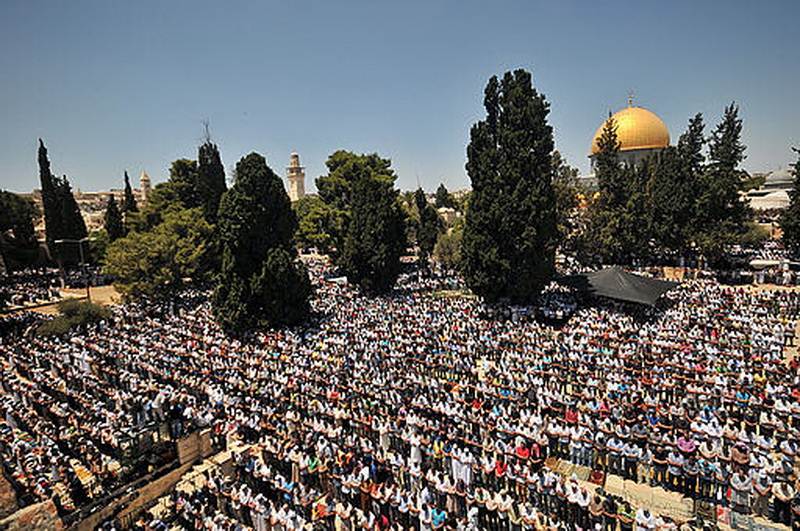
Al-Haram Mosque in Makkah The Prophet's Mosque in Madinah . Al-Aqsa Mosque Compound in Jerusalem

Books About Islam

By Hasan Ali El-Najjar


Book I. A Scientific View of God's Message to Humanity


1. Islam: A Brief Introduction


2. Three Levels of Faith: Islam, Iman, and I'hsan 


3. The Scientific Evidence That God Exists and the Holy Qur'an Is His Message to Humanity 


4. Creation and Evolution in the Holy Qur'an


5. Humans, As God's Caliphs on Earth


6. Adam's Contest With the Angels, and Getting Out of Paradise


7. Worshippers By Choice Or Forced Slaves?  


8. The Relationship Between the Spiritual and the Physical Aspects of Islamic Teachings  


9. Spirit, Soul, Mind, Self, and Happiness, from an Islamic Perspective


10. Heart-Mind Relationship in the Holy Qur'an  


Book II. A Scientific View of the Five Pillars of Islam


1. Islamic Proclamation of Faith


2. Performing Islamic Prayers


3. Giving Zakat, Charity, The Third Islamic Duty


4. Fasting and Ramadhan, Great Gifts from Allah to Muslims


5. Haj, Pilgrimage, the Fifth Pillar of Islam


Book III. Allah, Praise to Him


1. God’s Physical Features 


2. Why Did Allah Create Humans? 


3. Methodological Background of Writing About the Good Names of Allah


4. The Full List of the Good Names of Allah 


5. Verbal Names, Unique Qualities Denied to Others, and Deducted Traits 


Book IV. Messengers of Allah to His Human Caliphs, on the Earth 


1. Messengers, Prophets, Miracles, and Prophecies 


2. Messengers, Prophets, and their Stories in the Holy Quran  


3. Angels: The Honorable Worshippers of Allah


4. Noo'h (Noah): The Ark Builder, in the Holy Quran  


5. Ibraheem (Abraham), God's Good Friend, in the Holy Quran


6. Moosa (Moses): The Messenger Supported with Nine Miracles, in the Holy Quran


7. 'Eisa, Jesus, the Son of Mary: God's Creation Miracle in the, Holy Quran  


8. Mu'hammed: God’s Mercy to the Worlds,  in the Holy Quran


9. Prophet Mu'hammed's Night Journey and Ascent to Heavens, Al-Isra Wal Mi'raj


Book V. The Last Day, God’s Precise Measurement, and His Just Decrees 


1. Signs of the Hour 


2. The Last Day: The Hour, Resurrection, Reckoning, and Judgment


3. God's Precise Measurement and His Just Decree, Al-Qadar Wal Qadha


Book VI. I'hsan: Watching Allah in Speech and Deeds


1. Introduction to Islamic Law, (Shari'a), Part I: Commands of  Prohibition and Admonition, the Holy Quran 


2. Introduction to Islamic Law (Shari'a),  Part II: The "No" Commands in the Holy Quran 


Book VII. I'hsan: Watching Allah in What We Say and What We Do 


Introduction to Islamic Shari’a: Imperative Commands of Justice and Righteousness, in the Holy Quran 


***


Articles with Islamic Perspective:


Health Care Crisis in the US: An Islamic Perspective


"Terrorism" & "Islamo-Fascism" Propaganda Campaigns: An Interactive Lecture


Six Questions About Islam, Muslims and Jews


Five Islamic Issues: Predestination and choice, position toward other religions, angels, and the End of Days

Food Islamic Rules and Teachings


Are Muslim women second-class citizens  


The French Ban on Islamic Headscarf, an Interview with


Links to Islamic Topics 2007-2010


Links to Islamic Topics 2007


Links to Islamic topics 2006


Links to Islamic topics 2005


Links to Islamic topics 2004


Links to Islamic topics, 2003


2002 Links to Islamic topics


Book 4


Messengers of Allah to His Human Caliphs on the Earth 


Chapter 2


Ya'hya, John the Baptist, Son of Zakariya


in the Holy Quran


Peace be to him


By Hasan Ali El-Najjar


Thursday, 23rd of Shawwal, 1437 – July 28, 2016


يَحْيَى بِنْ زَكَرِيَّا ، فِي القُرْآنِ الكَرِيمِ


عَلَيْهِ السَّلامُ


تأليف حسن علي النجار


***


The name of the Prophet of Allah, Ya’hya (John, the Baptist), pbuh, was mentioned four times in the Holy Quran. It came in verses 3: 38 and 21: 89-90, which referred to his conception and birth as miracles from Allah, praise to Him, in response to the supplication of his father, Zakariya (Zechariah), pbuh. In addition, verse 19: 7 told us that Allah, praise to Him, named him with this name, Ya’hya (he lives), which nobody was called with, before him, as follows: 


وَزَكَرِيَّا إِذْ نَادَىٰ رَبَّهُ رَبِّ لَا تَذَرْنِي فَرْدًا وَأَنتَ خَيْرُ الْوَارِثِينَ ‎﴿٨٩﴾‏ فَاسْتَجَبْنَا لَهُ وَوَهَبْنَا لَهُ يَحْيَىٰ وَأَصْلَحْنَا لَهُ زَوْجَهُ ۚ إِنَّهُمْ كَانُوا يُسَارِعُونَ فِي الْخَيْرَاتِ وَيَدْعُونَنَا رَغَبًا وَرَهَبًا ۖ وَكَانُوا لَنَا خَاشِعِينَ ‎﴿٩٠﴾ (الأنْبِيَاءُ ، 21: 89-90).


يَا زَكَرِيَّا إِنَّا نُبَشِّرُكَ بِغُلَامٍ اسْمُهُ يَحْيَىٰ لَمْ نَجْعَل لَّهُ مِن قَبْلُ سَمِيًّا ‎(مَرْيَمُ ، 19: 7).


يَا يَحْيَىٰ خُذِ الْكِتَابَ بِقُوَّةٍ ۖ وَآتَيْنَاهُ الْحُكْمَ صَبِيًّا ‎﴿١٢﴾‏ وَحَنَانًا مِّن لَّدُنَّا وَزَكَاةً ۖ وَكَانَ تَقِيًّا ‎﴿١٣﴾‏ وَبَرًّا بِوَالِدَيْهِ وَلَمْ يَكُن جَبَّارًا عَصِيًّا ‎﴿١٤﴾‏ وَسَلَامٌ عَلَيْهِ يَوْمَ وُلِدَ وَيَوْمَ يَمُوتُ وَيَوْمَ يُبْعَثُ حَيًّا ‎﴿١٥﴾‏ (مَرْيَمُ ، 19: 12-15).


And (mention) Zakariya (Zechariah), when he called upon his Lord: "My Lord, do not leave me alone ([with no heir), while you are the best of inheritors." (89) So, We responded to him, and We gave to him Ya’hya (John), and amended for him his wife. Indeed, they used to hasten to (do) good deeds, supplicate Us in hope and fear, and they were to Us devoted (in worship) (90) (Al-Anbiya, 21: 89: 90).


(He was told): "O Zakariya (Zechariah), indeed, We give you good tidings of a boy, whose name will be Ya’hya (John). We have not assigned (this) name to anyone before" (Maryam, 19: 7).


(Allah) said: "O Ya’hya (John), take the Scripture with determination." And We gave him wisdom (knowledge from the Book while yet) a boy (12) And affection from Us and purity, and he was righteous (13) And dutiful to his parents, and he was not a disobedient tyrant. (14) And peace be upon him the day he was born, the day he dies, and the day he is resurrected alive. (15) (Maryam, 19: 12-15).


The fourth verse, in which Ya’hya (John), pbuh, was mentioned by name, in the Holy Quran, was 3: 39. It contained the glad tiding of Ya’hya, who would be honored by four good characteristics. He would live to see the Messiah, ‘Eisa, the Son of Maryam, pbut both, and he would believe in and confirm him. He would also be a leader of his people. Moreover, he would abstain from women, while being capable of it, because of his total devotion to his mission, which would require continuous travel. Finally, he would be a Prophet from among the righteous worshippers of Allah, which was the highest status of honor bestowed upon him and upon his parents (Aal-‘Imran, 3: 39).


هُنَالِكَ دَعَا زَكَرِيَّا رَبَّهُ ۖ قَالَ رَبِّ هَبْ لِي مِن لَّدُنكَ ذُرِّيَّةً طَيِّبَةً ۖ إِنَّكَ سَمِيعُ الدُّعَاءِ﴿٣٨﴾‏


فَنَادَتْهُ الْمَلَائِكَةُ وَهُوَ قَائِمٌ يُصَلِّي فِي الْمِحْرَابِ أَنَّ اللَّهَ يُبَشِّرُكَ بِيَحْيَىٰ مُصَدِّقًا بِكَلِمَةٍ مِّنَ اللَّهِ وَسَيِّدًا وَحَصُورًا وَنَبِيًّا مِّنَ الصَّالِحِينَ﴿٣٩﴾‏ (آلُ عِمْرانَ ، 3: 38-39).


So, the angels called him, while he was standing in prayer in the (prayer) chamber: "Indeed, Allah gives you good tidings of Ya’hya (John), confirming (‘Eisa, Jesus), the word of Allah, and (who will be) a leader, abstaining (from women), and a Prophet from among the righteous." (39)


His Main Teachings


The Messenger of Allah, Mu’hammed, pbbuh, told us that Allah, praise to Him, revealed to His Prophet, Ya’hya (John, the Baptist), five main commands, for him and for the Children of Israel to observe. First, he commanded them to worship Allah, Who created and sustained them. Second, he commanded them to establish prayers and to perform it with devotion, without looking right or left. Third, he commanded them of fasting, which is considered by Allah as better than the smell of musk. Fourth, he commanded them of giving charity, which erases their sins and saves them from destruction in the Hellfire. Fifth, he commanded them to mention Allah much, which would be their castle, which saves them from the Shaytan (Satan) and his evil plots. [1] 


In addition, the Prophet of Allah, Ya’hya (John, the Baptist), pbuh, used to admonish and preach to people not to drink wine (alcoholic beverages), to repent, and ask Allah, praise to Him, for forgiveness, when they sin. He used to say that God’s Covenant applies only to His righteous worshippers, but it does not include the disobedient and arrogant ones. He also used to say that those who benefit people will last in power (compared to those who harm them).


He urged people to give charity to the needy, and not to be afraid of becoming poor as a result of giving, because their sustenance is decided in heaven. He admonished people from taking wealth from each other by force, or by illegal means. He further admonished them not to accuse each other falsely. Finally, he presented himself as an example of saying the truth, without fear from anybody, except Allah, praise to Him. All of these preachings were mentioned in the Holy Quran and the Bible, which is a testimony that the Prophet of Allah, Ya’hya (John), pbuh, was truthful in fulfilling his mission, of inviting people to the right path of Allah. [2] 


===================================================================================================================


Notes:

[1] The Arabic text, English translation, and authentication of the ‘Hadeeth about the five commands, which Allah, praise to Him, commanded His Prophet, Ya’hya (John, the Baptist), to preach the Children of Israeli about, are as follows:


عَنْ الحارثِ بنِ الحارثِ الأشعريِّ ، رَضِيَ اللهُ عنهُ ، أنَّ رسولَ اللهِ ، صَلَّى اللهُ عليهِ وَسَلَّمَ ، قالَ: "إنَّ اللهَ أَوْحى إلى يَحْيَى بنِ زَكَرِيَّا بخمسِ كلماتٍ ، أنْ يَعْملَ بِهنَّ ، ويأمرَ بني إسِرَائِيلَ أنْ يَعملوا بِهنَّ. فَكَأنَّهُ أبْطَأ بِهنَّ. فأتاهُ عِيسَى فقالَ: إنَّ اللهَ أمَرَكَ بِخمسِ كلماتٍ أنْ تَعملَ بِهنَّ ، وتَأمُرَ بَني إسْرَائيلَ أنْ يعملوا بِهنَّ. فإمَّا أنْ تُخبِرَهُم ، وإمَّا أنْ أخْبِرَهُم. فقالَ: يا أخي ، لا تفعلْ ، فَإنِّي أخافُ إن سَبقتَني بِهنَّ أنْ يُخسَفَ بي أوْ أُعذَّبَ. قالَ: فَجَمَعَ بني إسْرَائيلَ ببيتِ الْمَقْدِسِ ، حَتَّى امتلأ الْمَسْجِدُ ، وقَعَدُوا على الشُّرُفاتِ.
ثُمَّ خَطَبَهُم ، فقال: إنَّ اللهَ أوحَى إليَّ بِخمسِ كلماتٍ أنْ أعْملَ بِهنَّ ، وآمُرَ بني إسْرَائيلَ أنْ يَعملوا بِهنَّ. أولهنَّ (أنْ) لا تُشْرِكُوا باللهِ شيئًا ، فإنَّ مَثَلَ مَنْ أشْرَكَ باللهِ كَمَثِلِ رَجُلٍ اشتَرَى عَبدًا مِنْ خالصِ مالِهِ بذهبٍ أوْ وَرِقٍ ، ثُمَّ أسْكَنَهُ دارًا ، فقالَ:


اعْمَلْ وارفعْ إليَّ. فَجَعَلَ يَعْمَلُ ويَرفَعُ إلى غَيْرِ سَيِّدِهِ! فَأيُّكُم يَرضَى أنْ يَكُونَ عَبْدُهُ كذلكَ؟ فإنَّ اللهَ خَلَقَكُم وَرَزَقَكُم ، فلا تُشرِكُوا بِهِ شيئًا. وإذا قمتُم إلى الصلاة فلا تَلتفِتوا ، فَإنَّ اللهَ يُقْبِلُ بِوَجْهِهِ إلى وَجْهِ عَبْدِهِ ما لَمْ يلتفِتْ. وأمَرَكُم بِالصِّيامِ ، وَمَثَلُ ذلكَ كَمَثَلِ رَجُلٍ في عِصَابَةٍ مَعَهُ صُرَّةٌ مِنْ مِسْكٍ ، كُلُّهُم يُحِبُّ أنْ يَجِدَ ريحَها. وإنَّ الصِّيامَ أطيبُ عِنْدَ اللهِ مِنْ ريحِ الْمِسْكِ. وأمَرَكُم بِالصَّدَقَةِ ، وَمَثَلُ ذلكَ كَمَثَلِ رَجُلٍ أسَرَهُ الْعَدُوّ ، فَأوثَقوا يَدَهُ إلى عُنُقِهِ ، وَقَرَّبوهُ لِيَضْربوا عُنُقَهُ ، فَجَعَلَ يَقولُ: هَلْ لَكُم أنْ أَفديَ نَفْسِيَ مِنْكُم؟ وَجَعَلَ يُعْطِي الْقَليلَ وَالْكَثِيرَ ، حَتَّى فَدَى نَفْسَهُ. وأَمَركم بذكر اللهِ كثيرًا ، وَمَثَلُ ذلكَ كَمَثَلِ رَجُلٍ طَلَبَهُ الْعَدُوُّ سِرَاعَاً في أثَرِهِ ، حَتَّى أتى حِصْنَاً حَصينَاً ، فَأحْرَزَ نَفْسَهُ فيهِ ، وكذلكَ الْعَبْدُ لا يَنْجُو مِنَ الشَّيْطَانِ إلَّا بِذِكْرِ اللهِ (صَحَّحَهُ الألْبَانِيُّ ، فِي صَحِيحِ التَّرْغِيبِ: 1498 ، 877 ، وَصَحِيحِ الْجَامِعِ: 1724 ، وَعَنْ صَحِيحِ ابنِ خُزَيْمَةَ: 483 ، 2\134 ، وَصَحِيحِ ابن حبان: 6233 ، وَصَحِيحِ الترمذي: 2863 ، باختلافٍ يسيرٍ بينهُم).


Companion Al-‘Harith Bin Al-‘Harith Al-Ash’ari, mAbpwh, said that the Messenger of Allah, pbbuh, said: “Allah commanded Ya’hya Bin Zakariya (John, the Son of Zechariah) to observe five words (commands), and to command the Children of Israel to observe them. It seemed like he did not do that immediately. So, ‘Eisa (Jesus) came to him, and said: ‘Allah commanded you to observe five words (commands), and to command the Children of Israel to observe them.’ You either tell them or I tell them. (Ya’hya) said: ‘O Brother do not do (that). I am afraid if you do that before I do, I would be struck or get tormented.” Thus, he gathered the Children of Israel at the House of Holy, until the Masjid was full, and some of them (even) sat on the windowsills.


Then, he gave them a sermon (khutba). He said: ‘Allah commanded me to observe five words (commands), and to command the Children of Israel to observe them.’ The first (command) is that you do not take partners with Allah. The example of the one who takes a partner with Allah is that of a man who bought a slave, (paying for him) with his wealth, gold and silver. He gave him a house and told him to work, then to give him (the wages he makes). The (slave) worked but gave the wages to somebody else! Who among you would accept from his slave to do that? Allah created you and gave you provision. So do not take any partner with Him.


(Second), when you stand for prayer, do not look away (right or left), as Allah looks at the face of His worshipper, as long as he does not look away (right or left).


(Third), He commanded you of fasting, the example of which is like a man who has some musk in a container, among a group of men. So, everybody wants to get closer to that (good smelling). For Allah, fasting is better than the smelling of musk. (


Fourth), He commanded you to give charity, the example of which is like a man, who fell to the enemy captivity. When they tied his hands to his neck, to decapitate him, he asked them if he can save himself from them. Then, he started offering them more and more of his wealth, until he saved himself.


(Fifth), He commanded you to remember and mention Him much, the example of which is like a man who is chased by the enemy, until he reaches a strong fort, where he becomes safe. Such is the worshipper, who is not saved from the Shaytan” (Satan), except by remembering and mentioning Allah.


(This ‘Hadeeth was authenticated as Sa’hee’h by Al-Albani, in Sa’hee’h El-Targheeb: 1492 and 877, Sa’hee’h El-Jami’: 1724, as well as based on Sa’hee’h Ibn Khuzayma: 483 and 2/134, Sa’hee’h Ibn ‘Hibban: 6233 and Sa’hee’h El-Tirmidthi: 2863, with few differences).


[2] These teachings of the Prophet of Allah, Ya’hya (John the Baptist), pbuh, came in the Holy Quran, as they were mentioned in the Bible, which is a confirmation about the truth of what he used to preach to people.


He admonished people not to drink wine (Luke, 1: 14-17), which is also forbidden in the Holy Quran (Al-Ma-ida, 5: 90). He preached for people to repent from their sins, and to ask their Lord for forgiveness (Mark, 1: 4; 3: 5-6), which also came in the Holy Quran (Aal-‘Imran, 3: 135; Al-Ta’hreem, 66: 8). He used to say to people that the Covenant of Allah with Ibraheem (Abraham), pbuh, would apply only to his righteous descendants, not to the arrogant ones, who do not repent from their sins and do not ask for forgiveness from their Lord (Mathew, 3: 7: 10), which is same as in the Holy Quran (Al-Baqara, 2: 124).


He used to say that Allah empowers whoever benefits people, and weakens those who harm them (Luke, 3: 9). This divine law was also mentioned in the Holy Quran (Al-Ra’d, 13: 17; Al-‘Haj, 22: 41). He commanded people of giving charity to the needy (Luke3: 11), which is also an Islamic mandated way of worship (Al-Talaq, 65: 7; Al-Baqara, 2: 274). He used also to assure charity givers, not to be afraid of becoming poor as a result of giving because Allah is the Provider (John, 3: 27-28), which is also mentioned in the Holy Quran (Al-Dthariyat, 51: 22, Al-Baqara, 2: 212, 217).


In addition, the Prophet of Allah, Ya’hya (John, the Baptist) used to admonish people not to take wealth from each other by force (Luke, 3: 12-14), which is confirmed by the Holy Quran (Al-Baqara, 2: 188; Al-Shu’ara, 26: 18). Further, he warned them from false accusations (Luke, 3: 14), which is also prohibited in the Holy Quran (Al-Furqan, 25: 72; Al-‘Hujurat, 49: 6). Finally, he was strong in telling the truth, fearing nobody except Allah (Mathew, 14: 3-12), which is also in the Holy Quran (Maryam, 19: 12; Al-Nisa, 4: 155).   


=====================================================================================================================================


Appendix


Teachings of Ya'hya (John, the Baptist)


With References to the Holy Quran and the Bible


***


First, he will drink no wine or liquor.


You will have joy and gladness, and many will rejoice at his birth. “For he will be great in the sight of the Lord; and he will drink no wine or liquor (Luke, 1: 14-17).


يَا أَيُّهَا الَّذِينَ آمَنُوا إِنَّمَا الْخَمْرُ وَالْمَيْسِرُ وَالْأَنصَابُ وَالْأَزْلَامُ رِجْسٌ مِّنْ عَمَلِ الشَّيْطَانِ فَاجْتَنِبُوهُ لَعَلَّكُمْ تُفْلِحُونَ (المائدة ، 5: 90).


O you who have believed, indeed, wine (intoxicants), gambling, [sacrificing on] stone alters [to other than Allah], and divining arrows are but defilement from the work of Satan, so avoid it that you may be successful  (Al-Ma-ida, 5: 90).


 Second, repentance for the forgiveness of sins


John the Baptist appeared in the wilderness preaching a baptism of repentance for the forgiveness of sins (Mark, 1: 4).


Then Jerusalem was going out to him, and all Judea and all the district around the Jordan; and they were being baptized by him in the Jordan River, as they confessed their sins (Matthew, 3: 5-6).


وَالَّذِينَ إِذَا فَعَلُوا فَاحِشَةً أَوْ ظَلَمُوا أَنفُسَهُمْ ذَكَرُوا اللَّـهَ فَاسْتَغْفَرُوا لِذُنُوبِهِمْ وَمَن يَغْفِرُ الذُّنُوبَ إِلَّا اللَّـهُ وَلَمْ يُصِرُّوا عَلَىٰ مَا فَعَلُوا وَهُمْ يَعْلَمُونَ (آل عمران ، 3: 135).


And those who, when they commit an immorality or wrong themselves [by transgression], remember Allah and seek forgiveness for their sins - and who can forgive sins except Allah? - and [who] do not persist in what they have done while they know  (Al-‘Imran, 3: 135).


يَا أَيُّهَا الَّذِينَ آمَنُوا تُوبُوا إِلَى اللَّـهِ تَوْبَةً نَّصُوحًا عَسَىٰ رَبُّكُمْ أَن يُكَفِّرَ عَنكُمْ سَيِّئَاتِكُمْ وَيُدْخِلَكُمْ جَنَّاتٍ تَجْرِي مِن تَحْتِهَا الْأَنْهَارُ (التحريم ، 66: 8).


O you who have believed, repent to Allah with sincere repentance. Perhaps your Lord will remove from you your misdeeds and admit you into gardens beneath which rivers flow (Al-Ta’hreem, 66: 8).


إِلَّا مَن تَابَ وَآمَنَ وَعَمِلَ عَمَلًا صَالِحًا فَأُولَـٰئِكَ يُبَدِّلُ اللَّـهُ سَيِّئَاتِهِمْ حَسَنَاتٍ ۗ وَكَانَ اللَّـهُ غَفُورًا رَّحِيمًا (الفرقان ، 25: 70).


Except for those who repent, believe and do righteous work. For them Allah will replace (punishment for) their evil deeds with good (rewards in the hereafter). And ever is Allah Forgiving and Merciful  (Al-Furqan, 25: 70).


Third, God’s Covenant with Abraham applies only to the righteous of his descendants. It does not apply to the arrogant ones who do not repent or ask for His forgiveness.


But when he saw many of the Pharisees and Sadducees coming for baptism, he said to them, "You brood of vipers, who warned you to flee from the wrath to come? "Therefore bear fruit in keeping with repentance; and do not suppose that you can say to yourselves, 'We have Abraham for our father'; for I say to you that from these stones God is able to raise up children to Abraham (Matthew, 3: 7-10).


وَإِذِ ابْتَلَىٰ إِبْرَاهِيمَ رَبُّهُ بِكَلِمَاتٍ فَأَتَمَّهُنَّ ۖ قَالَ إِنِّي جَاعِلُكَ لِلنَّاسِ إِمَامًا ۖ قَالَ وَمِن ذُرِّيَّتِي ۖ قَالَ لَا يَنَالُ عَهْدِي الظَّالِمِينَ (البقرة ، 2: 126).


And (mention, O Mu'hammed), when Ibrahim (Abraham) was tried by his Lord with commands, and he fulfilled them, [Allah] said, "Indeed, I will make you a leader for the people." (Ibrahim) said, "And of my descendants?" (Allah) said, "My covenant does not include the wrongdoers" (Al-Baqara, 2: 126).


يَا بَنِي إِسْرَائِيلَ اذْكُرُوا نِعْمَتِيَ الَّتِي أَنْعَمْتُ عَلَيْكُمْ وَأَوْفُوا بِعَهْدِي أُوفِ بِعَهْدِكُمْ وَإِيَّايَ فَارْهَبُونِ (البقرة ، 2: 40).


O Children of Israel, remember My favor which I have bestowed upon you and fulfill your part of the Covenant (by worshipping Me and by being righteous) in order for Me to fulfill My part of the Covenant towards you, and be afraid of Me (my punishment)  (Al-Baqara, 2: 40).


Fourth, those who benefit people will be empowered and those who harm people will go away


Indeed the axe is already laid at the root of the trees; so every tree that does not bear good fruit is cut down and thrown into the fire (Luke, 3: 9).


فَأَمَّا الزَّبَدُ فَيَذْهَبُ جُفَاءً ۖ وَأَمَّا مَا يَنفَعُ النَّاسَ فَيَمْكُثُ فِي الْأَرْضِ (الرعد ، 13: 17).


As for the foam, it vanishes; but as for that which benefits the people, it remains on the earth (Al-Ra’d, 13: 17).


الَّذِينَ إِن مَّكَّنَّاهُمْ فِي الْأَرْضِ أَقَامُوا الصَّلَاةَ وَآتَوُا الزَّكَاةَ وَأَمَرُوا بِالْمَعْرُوفِ وَنَهَوْا عَنِ الْمُنكَرِ ۗ وَلِلَّـهِ عَاقِبَةُ الْأُمُورِ (الحج ، 22: 41).


Those who, if We give them authority in the land (empower them), establish prayer and give zakah (charity) and enjoin what is right and forbid what is wrong. And to Allah belongs the outcome of matters (Al-Haj, 22: 41).


Fifth, giving charity to the needy


The man who has two tunics (pieces of clothes) is to share with him who has none (Luke, 3: 10-14).


لِيُنفِقْ ذُو سَعَةٍ مِّن سَعَتِهِ ۖ وَمَن قُدِرَ عَلَيْهِ رِزْقُهُ فَلْيُنفِقْ مِمَّا آتَاهُ اللَّـهُ ۚ لَا يُكَلِّفُ اللَّـهُ نَفْسًا إِلَّا مَا آتَاهَا ۚ سَيَجْعَلُ اللَّـهُ بَعْدَ عُسْرٍ يُسْرًا  (الطلاق ، 65: 7).


Let a man of wealth spend from his wealth (giving charity, and he whose provision is restricted - let him spend from what Allah has given him. Allah does not charge a soul except [according to] what He has given it. Allah will bring about, after hardship, ease (Al-Talaq, 65: 7).


الَّذِينَ يُنفِقُونَ أَمْوَالَهُم بِاللَّيْلِ وَالنَّهَارِ سِرًّا وَعَلَانِيَةً فَلَهُمْ أَجْرُهُمْ عِندَ رَبِّهِمْ وَلَا خَوْفٌ عَلَيْهِمْ وَلَا هُمْ يَحْزَنُونَ (البقرة ، 2: 274). 


Those who spend their wealth [giving charity by night and by day, secretly and publicly - they will have their reward with their Lord. And no fear will there be concerning them, nor will they grieve (Al-Baqara, 2: 274).


 Sixth, do not take money from anyone by force


Do not take money from anyone by force (Luke, 3: 10-14).


وَلَا تَأْكُلُوا أَمْوَالَكُم بَيْنَكُم بِالْبَاطِلِ وَتُدْلُوا بِهَا إِلَى الْحُكَّامِ لِتَأْكُلُوا فَرِيقًا مِّنْ أَمْوَالِ النَّاسِ بِالْإِثْمِ وَأَنتُمْ تَعْلَمُونَ (البقرة ، 2: 188).


And do not consume one another's wealth unjustly or send it [in bribery] to the rulers in order that [they might aid] you [to] consume a portion of the wealth of the people in sin, while you know [that it is unlawful]  (Al-Baqara, 2: 188).


وَلَا تَبْخَسُوا النَّاسَ أَشْيَاءَهُمْ وَلَا تَعْثَوْا فِي الْأَرْضِ مُفْسِدِينَ (الشعراء ، 26: 18).


And do not deprive people of their due and do not commit abuse on earth, spreading corruption (Al-Shu’ara, 26: 18).


Seventh, do not accuse anyone falsely


Do not accuse anyone falsely (Luke, 3: 10-14).


وَالَّذِينَ لَا يَشْهَدُونَ الزُّورَ وَإِذَا مَرُّوا بِاللَّغْوِ مَرُّوا كِرَامًا (الفرقان ، 25: 72).


And [the believers are] those who do not testify to falsehood, and when they pass near ill speech, they pass by with dignity (Al-Furqan, 25: 72).


يَا أَيُّهَا الَّذِينَ آمَنُوا إِن جَاءَكُمْ فَاسِقٌ بِنَبَإٍ فَتَبَيَّنُوا أَن تُصِيبُوا قَوْمًا بِجَهَالَةٍ فَتُصْبِحُوا عَلَىٰ مَا فَعَلْتُمْ نَادِمِينَ (الحجرات ، 49: 6). 


O you who have believed, if there comes to you a disobedient one with information, investigate, lest you harm a people out of ignorance and become, over what you have done, regretful (Al-‘Hujurat, 49: 6).


Eighth, provision and earnings have already been decreed in heavens


A man can receive nothing unless it has been given him from heaven  (John, 3: 27-28).


وَفِي السَّمَاءِ رِزْقُكُمْ وَمَا تُوعَدُونَ (الذاريات ، 51: 22).


And in the heaven is your provision and whatever you are promised (Al-Dhariyat, 51: 22).


يَا أَيُّهَا الَّذِينَ آمَنُوا كُلُوا مِن طَيِّبَاتِ مَا رَزَقْنَاكُمْ وَاشْكُرُوا لِلَّـهِ إِن كُنتُمْ إِيَّاهُ تَعْبُدُونَ (البقرة ، 2: 217).


O you who have believed, eat from the good things which We have provided for you and be grateful to Allah if it is [indeed] Him that you worship (Al-Baqara, 2: 217).


وَاللَّـهُ يَرْزُقُ مَن يَشَاءُ بِغَيْرِ حِسَابٍ (البقرة ، 2: 212).


And Allah gives provision to whom He wills without account (Al-Baqara, 2: 212).


Ninth, killed for his persistence in telling the truth


For when Herod had John arrested, he bound him and put him in prison because of Herodias, the wife of his brother Philip. For, John had been saying to him: "It is not lawful for you to have her." Although Herod wanted to put him to death, he feared the crowd, because they regarded John as a prophet.


But when Herod's birthday came, the daughter of Herodias danced before them and pleased Herod, so much that he promised with an oath to give her whatever she asked. Having been prompted by her mother, she said, "Give me here on a platter the head of John the Baptist."


Although he was grieved, the king commanded it to be given because of his oaths, and because of his dinner guests. He sent and had John beheaded in the prison. And his head was brought on a platter and given to the girl, and she brought it to her mother. His disciples came and took away the body and buried it; and they went and reported to Jesus  (Matthew, 14: 3-12).


فَبِمَا نَقْضِهِم مِّيثَاقَهُمْ وَكُفْرِهِم بِآيَاتِ اللَّـهِ وَقَتْلِهِمُ الْأَنبِيَاءَ بِغَيْرِ حَقٍّ وَقَوْلِهِمْ قُلُوبُنَا غُلْفٌ ۚ بَلْ طَبَعَ اللَّـهُ عَلَيْهَا بِكُفْرِهِمْ فَلَا يُؤْمِنُونَ إِلَّا قَلِيلًا (النساء ، 4: 155).


And [We cursed them] for their breaking of the Covenant and their disbelief in the signs of Allah and their killing of the prophets without right and their saying, "Our hearts are wrapped". Rather, Allah has sealed them because of their disbelief, so they believe not, except for a few (Al-Nisa, 4: 155).


Opinions expressed in various sections are the sole responsibility of their authors and they may not represent Al-Jazeerah's.


editor@aljazeerah.info