www.aljazeerah.info
2026 News
Archives
Mission & Name
Conflict Terminology
Editorials
Gaza Holocaust
Gulf War
Isdood
Islam
News
News Photos
Opinion Editorials
US Foreign Policy (Dr. El-Najjar's Articles)
www.aljazeerah.info
|
Editorial Note: The following news reports are summaries from original sources. They may also include corrections of Arabic names and political terminology. Comments are in parentheses. |
***
During the two-year Israeli Genocidal War on the Palestinian people in the Gaza Strip (October 7, 2023-October 13, 2025), world governments were either active participant and accomplices of the genocide, or watched passively, without taking any actions to Stop it.
***
Illegal Israeli Settlers, Protected by Israeli Occupation Forces, Escalate Attacks and Provocations on Palestinians in the West Bank
September 30, 2026
***
***
12 Palestinians Killed, Dozens Injured by the Israeli Occupation Forces, 43 Bodies Recovered, as the Israeli Genocidal War Continues on Gaza
September 30, 2026
***
***
Note about the number of Palestinians, who were kidnapped by the Israeli occupation forces in the Wet Bank:
The Commission of Detainees and Ex-Detainees Affairs, the Palestinian Prisoner's Society (PPS), and Al-Dhameer Association for Human Rights stated in a report issued Sunday that the total number of kidnappings of Palestinians in the West Bank, since the start of the ongoing genocide in Gaza, has risen to more than 18,500, including over 570 women and about 1,500 children.
Source: Palestine Information Center, August 10, 2025.
***
Note About the Missing Palestinians in the Gaza Strip:
On February 26, 2025, the Palestinian Center for Political and Development Studies announced that the number of the missing in the Gaza Strip has exceeded 14,000 people, including 2,000-3,000 held in Israeli occupation prisons, without releasing any information on their fate.
***
***
 |
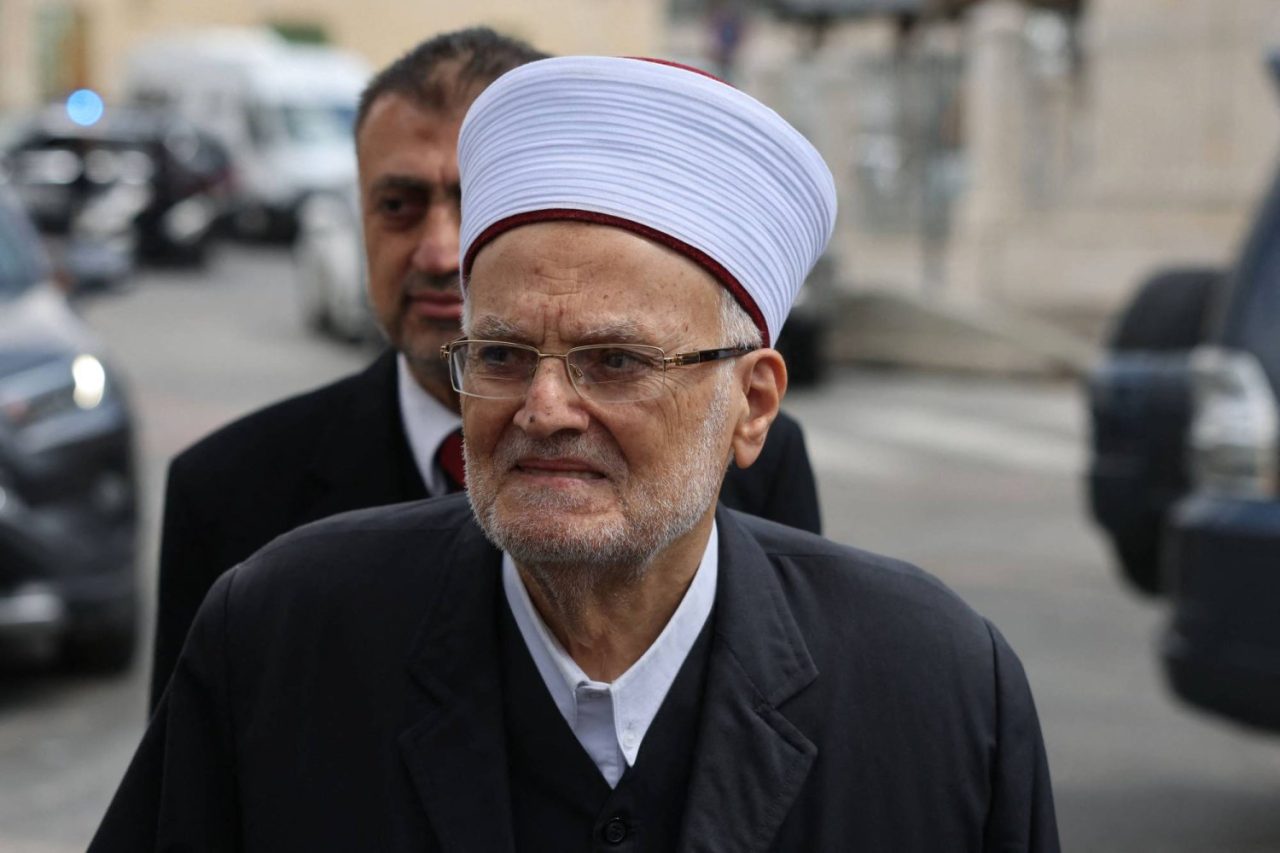 |
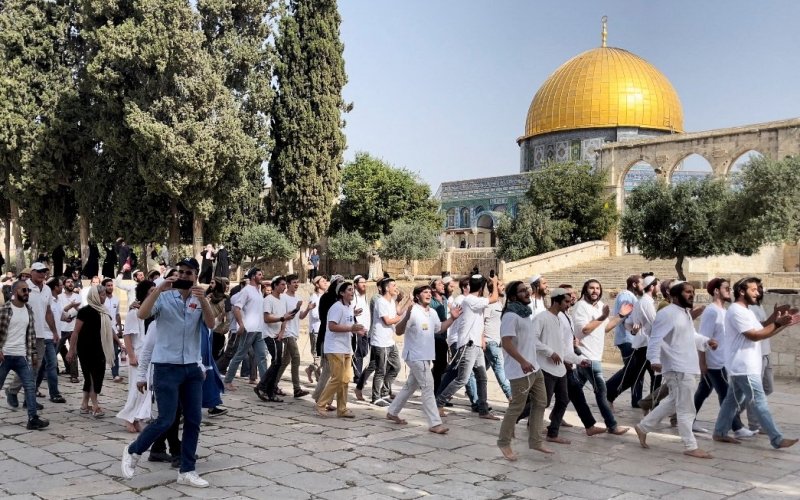
| About 500 illegal Israeli Jewish settlers stormed Al-Aqsa Mosque compound, under heavy Israeli occupation regime police protection, September 30, 2026. | Shaikh 'Ikrima Sabri said the illegal Israeli settler escalation on Al-Aqsa Mosque aims at establishing reality protected by Israeli police, September 30, 2026. |
 |
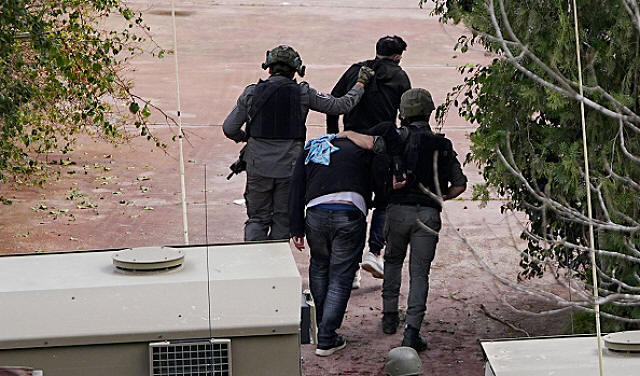 |
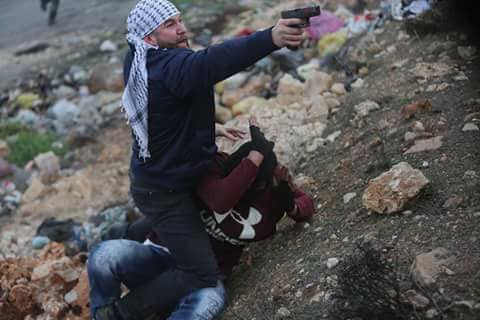
| Disguised Israeli occupation regime special forces shot, wounded, and kidnapped a Palestinian man, in his farmstead in Sinjil, north of Ramallah, September 29, 2026. | The Israeli occupation apartheid regime forces carried out kidnappings and filed interrogations, in a series of raids across the West Bank and Jerusalem, September 30, 2026. |
 |
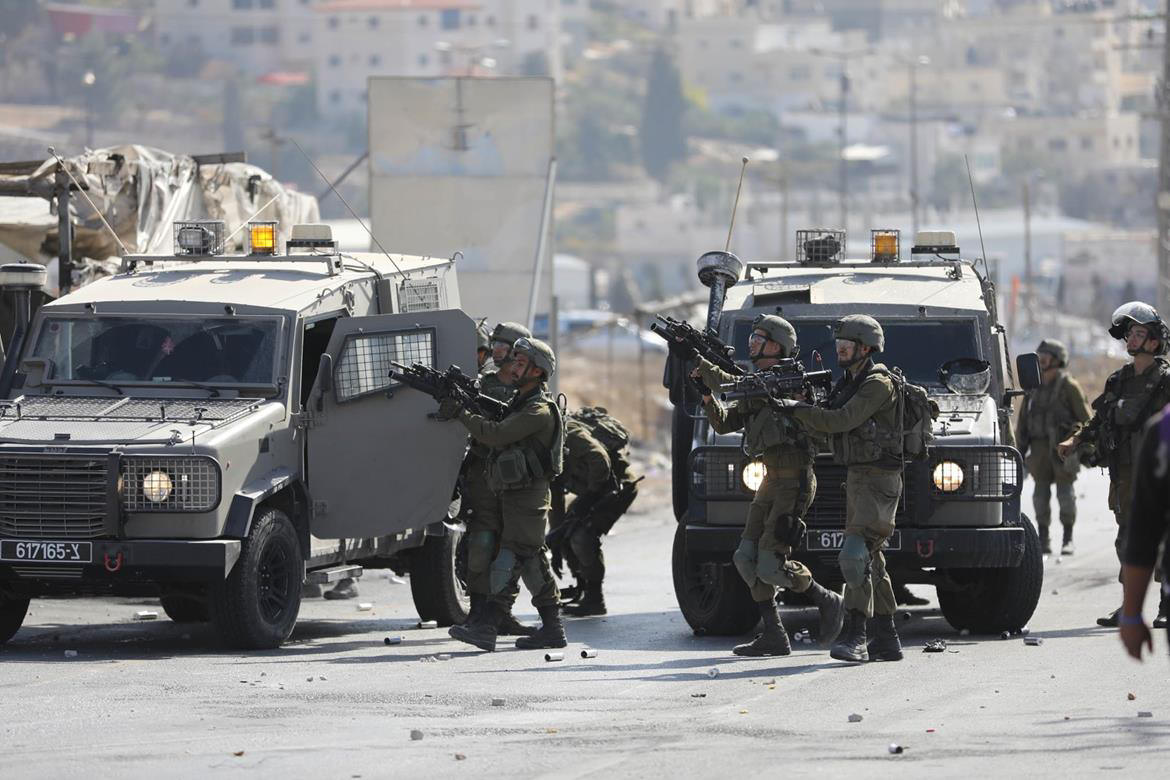 |
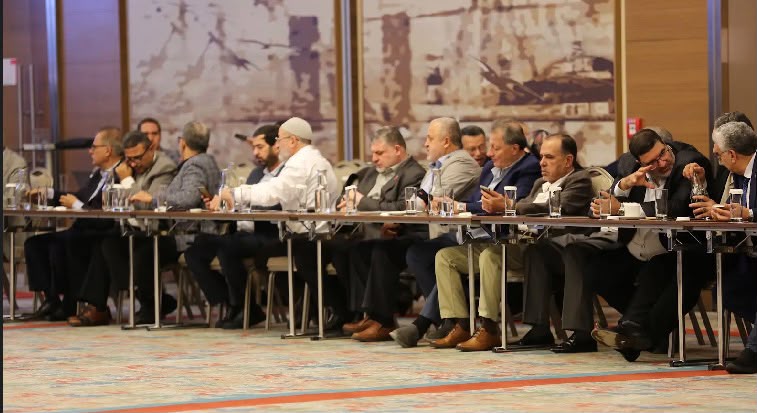
| The Emergency Palestinian National Forum concluded its proceedings in Istanbul, with 350 Palestinian activists from the homeland and the diaspora, September 26, 2026. | A young Palestinian suffered a bullet injury on Monday evening after the Israeli occupation forces had opened fire at him in the town of Qabatya, south of Jineen in the occupied West Bank, September 28, 2026. |
|
Illegal Israeli Settlers, Protected by Israeli Occupation Forces, Escalate Attacks and Provocations on Palestinians in the West Bank, September 30, 2026 |
|
***
 |
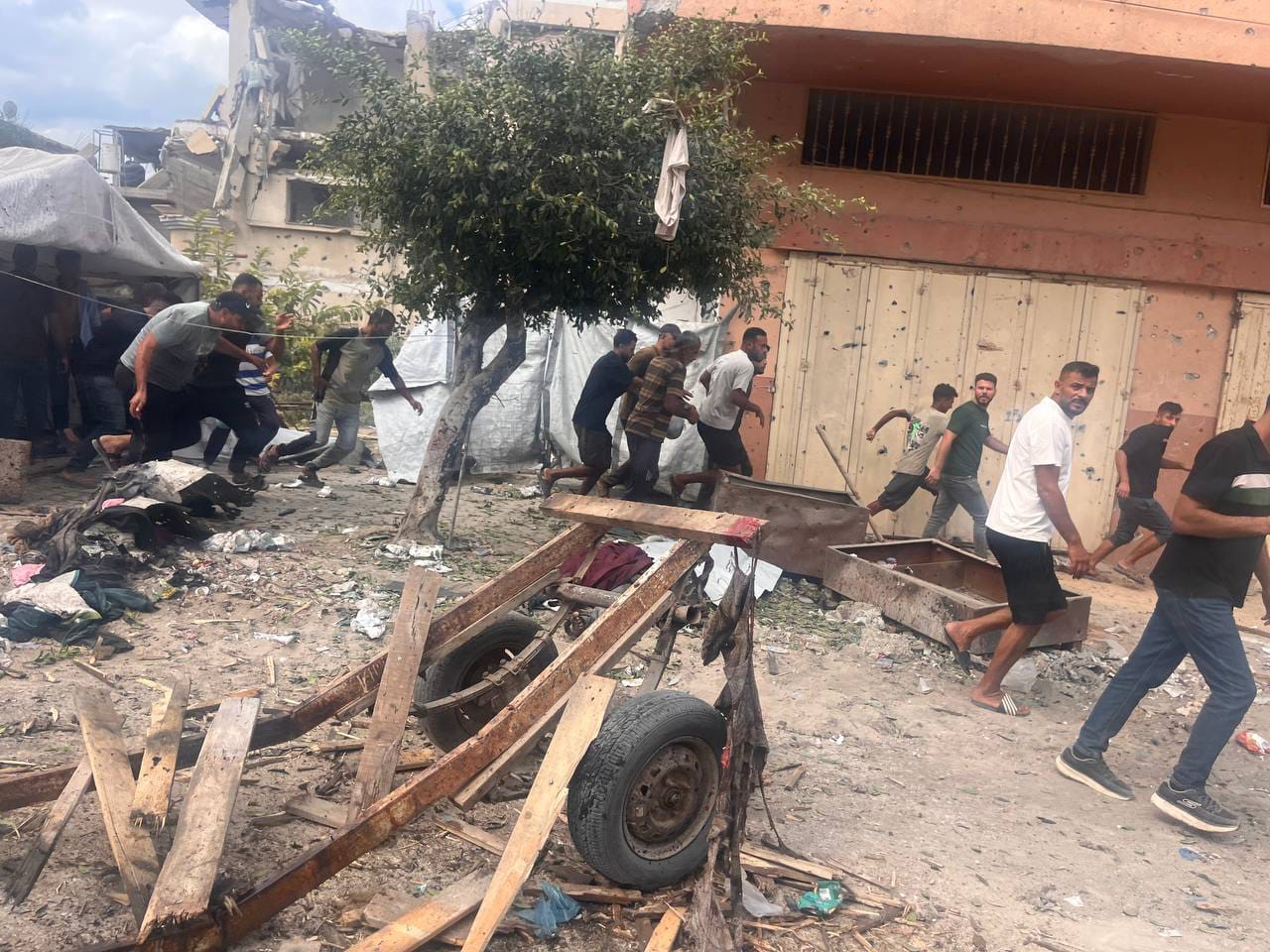 |
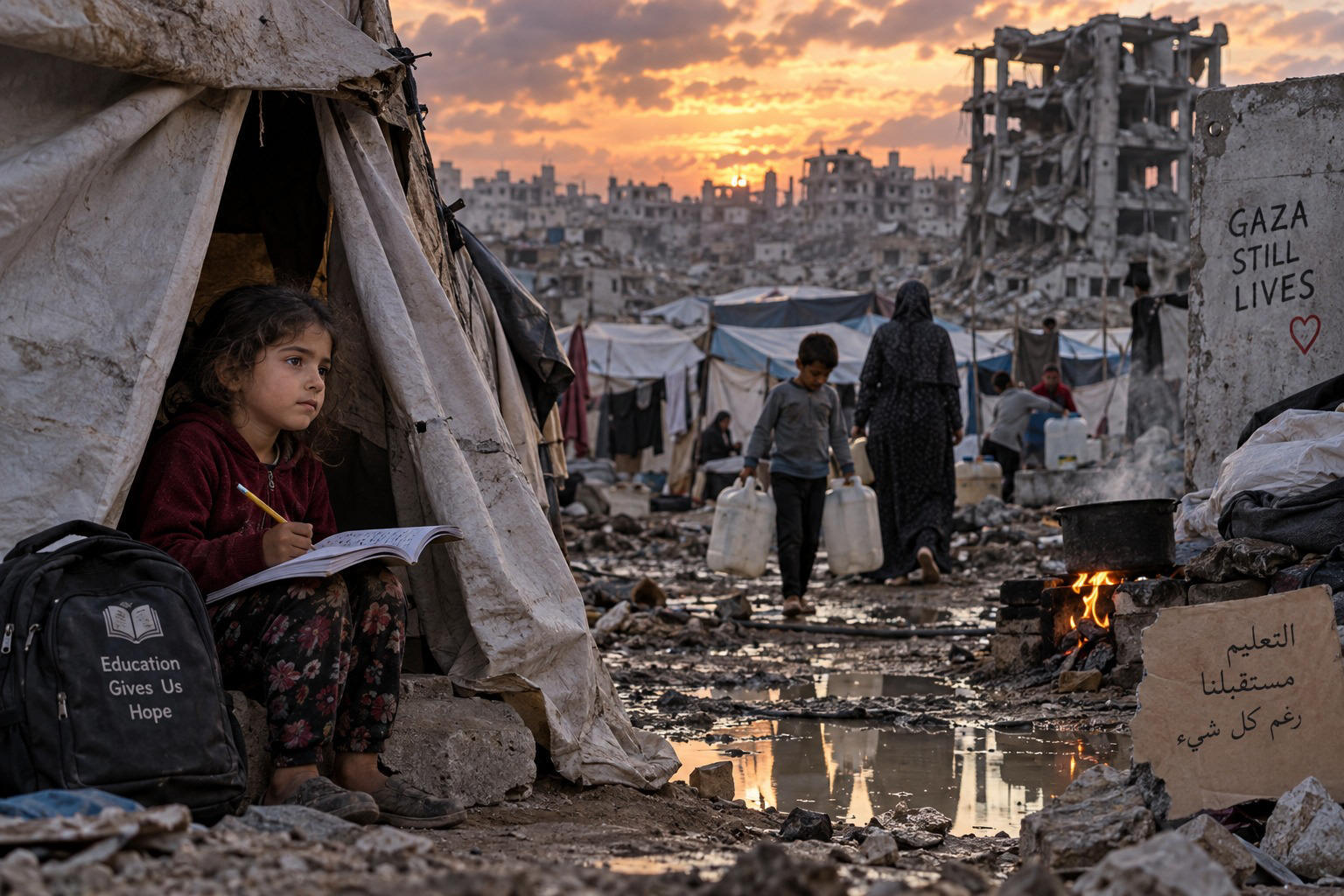
| Due to the continuous Israeli occupation and genocidal transgression, Palestinian children are still deprived of schools, the population basically lives in tents, as of September 30, 2026. | 5 Palestinians, including a woman, were killed, 11 were injured by Israeli attacks part of the continued Israeli genocidal war on the Gaza Strip, September 30, 2026. |
 |
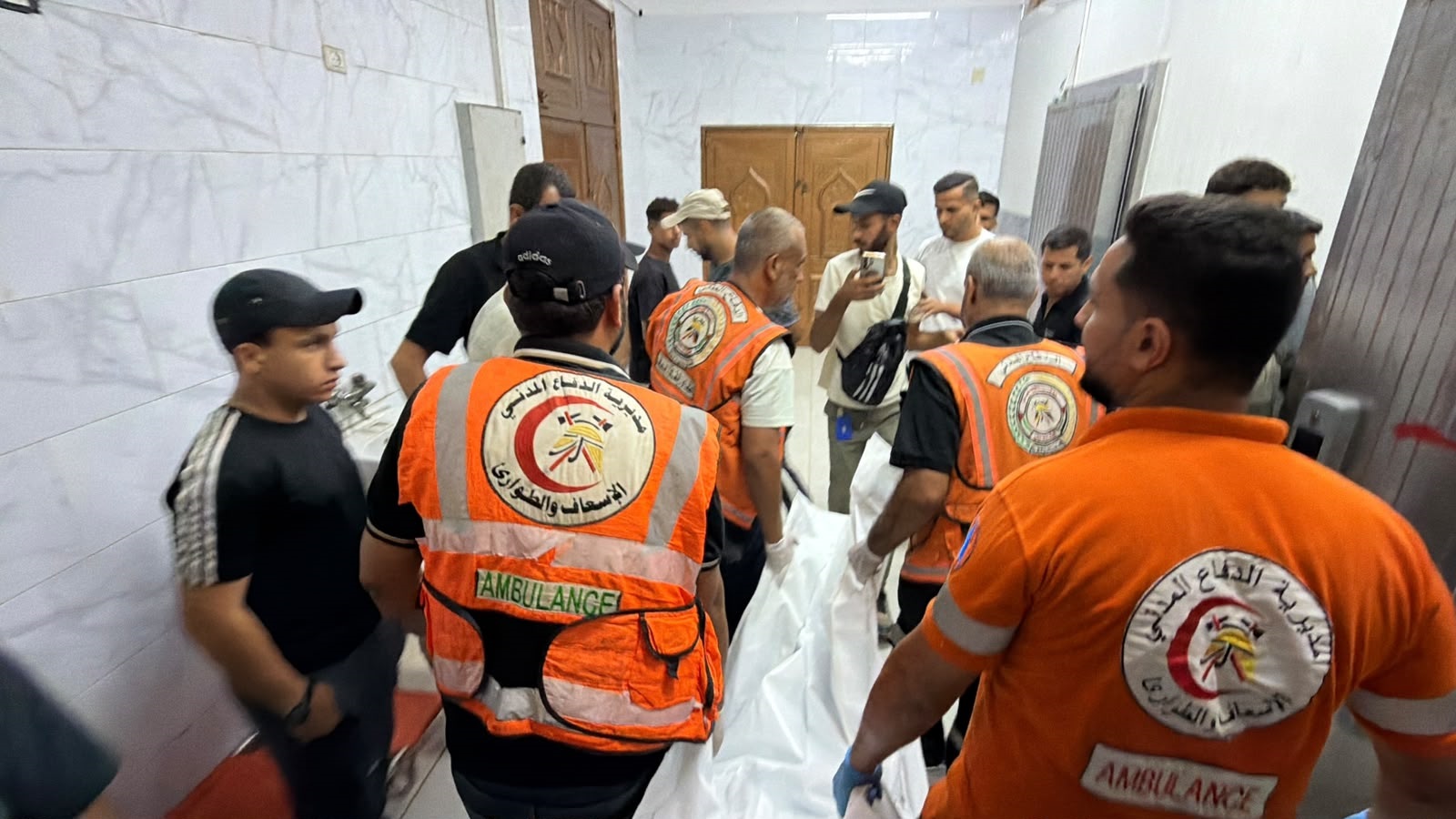 |
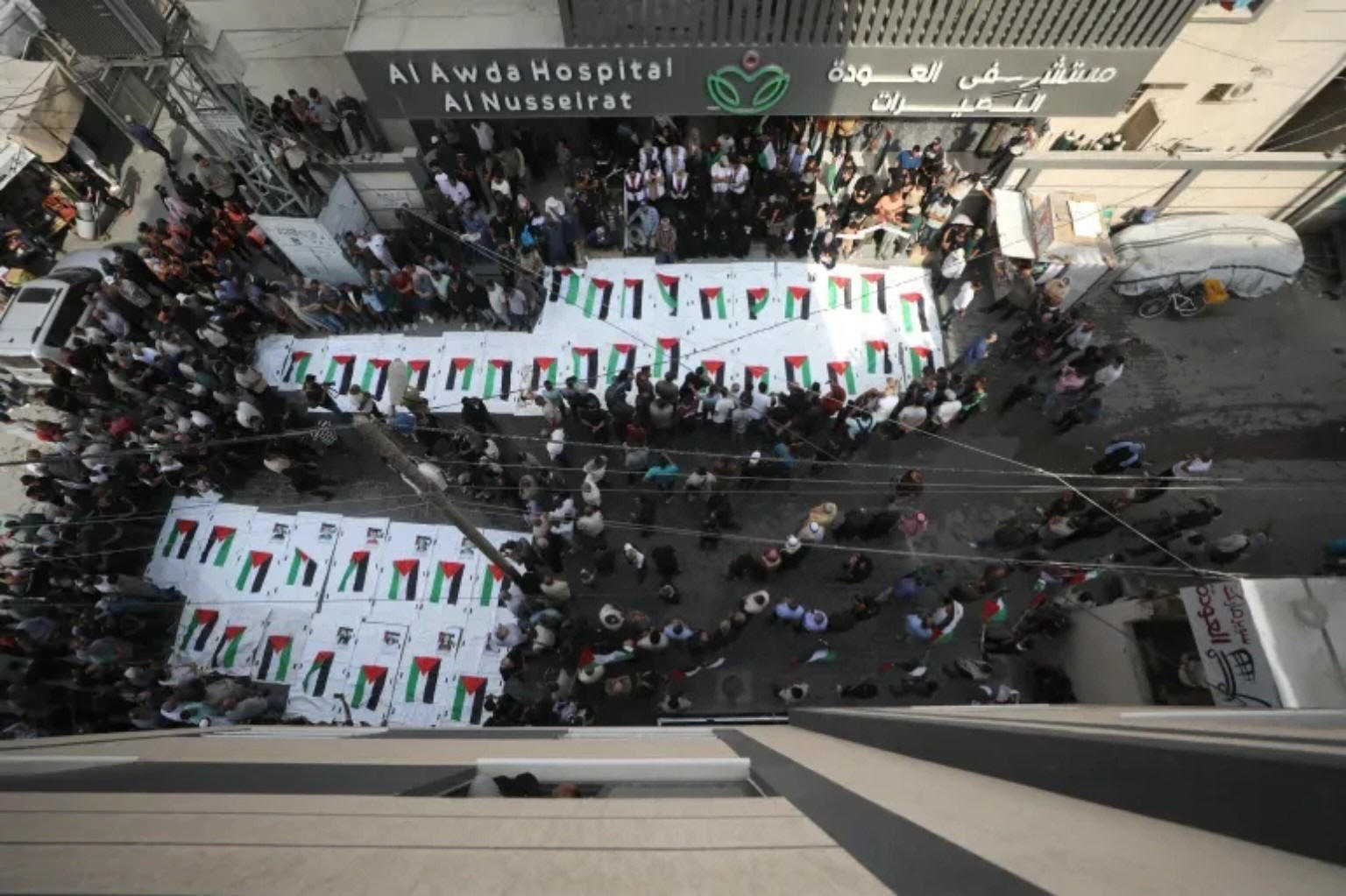
| Palestinians laid to rest the remains of 43 of their loved ones, recovered from beneath the rubble of destroyed homes in El-Nusayrat refugee camp in central Gaza, September 29, 2026. |
Several Palestinians were injured, 6 were martyred, including 'Hamas military commander, 'Izzuddin El-Bayk, in northern Gaza, September 29, 2026. |
 |
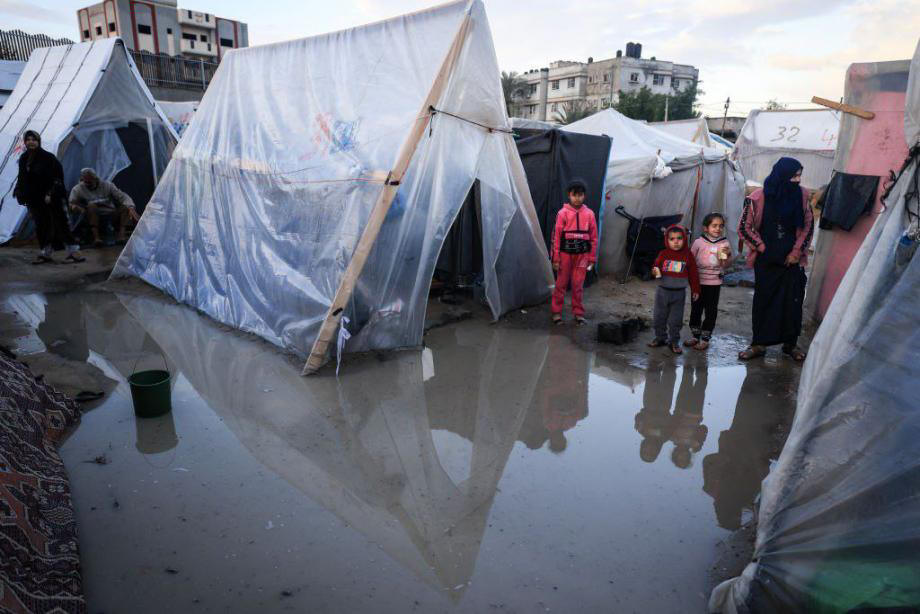 |
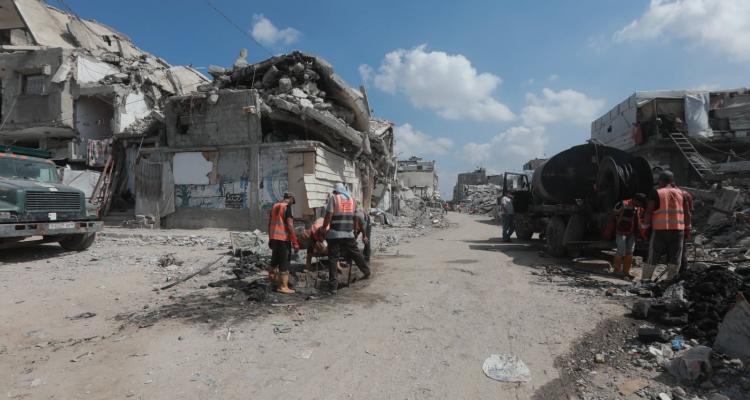
| Due to the Israeli restrictions on the entry of equipment and parts, Gaza Municipality warned of a severe shortage of maintenance supplies and machinery, September 30, 2026. | Displaced Palestinian families in Gaza are facing winter, without adequate protection, amid ongoing Israeli ceasefire violations and tight restrictions on the entry of necessary humanitarian aid, September 29, 2026. |
|
12 Palestinians Killed, Dozens Injured by the Israeli Occupation Forces, 43 Bodies Recovered, as the Israeli Genocidal War Continues on Gaza, September 30, 2026 |
|
***
***
***
Palestinian journalist Mu'hammed El-Najjar killed in Israeli strike on Khan Younus
Wednesday 30-September-2026
KHAN YUNIS, (PIC)
Palestinian journalist Mu'hammed 'Abdul 'Aziz El-Najjar was killed on Wednesday in an Israeli airstrike targeting the Mawasi al Qarara area, north of Khan Younus in southern Gaza Strip. The attack is part of the ongoing Israeli assaults on civilians and media workers in the enclave.
Local sources reported that al-Najjar was struck by an Israeli drone in the Mawasi area, as Israeli occupation forces continued shelling and gunfire across Gaza despite the ceasefire agreement.
Al-Najjar worked with the Qur’an Radio station and was among the journalists who persisted in their mission under conditions of war, bombardment, and displacement, before being killed in the Israeli strike.
His death comes amid a continuing pattern of targeting Palestinian journalists in Gaza, where media workers have paid a heavy price while covering events and documenting conditions on the ground.
In Khan Younus, local sources also reported several civilian injuries from Israeli shelling in the city and its surroundings, accompanied by gunfire from Israeli military vehicles toward eastern and southern areas. Other parts of Gaza likewise witnessed bombardment and shootings, resulting in more casualties among civilians and displaced persons.
The Mawasi area of Khan Younus has repeatedly been attacked despite being overcrowded with displaced families who sought refuge there after successive waves of forced displacement.
With al-Najjar’s killing, the number of Palestinian journalists and media workers killed since the start of Israel’s war on Gaza on October 7, 2023, has risen to 263, according to figures from the Palestinian Journalists Syndicate and Gaza’s Government Media Office.
This toll underscores the severe losses suffered by the Palestinian press sector during the war, as journalists continue working under bombardment, direct targeting, lack of protective equipment, and difficulty accessing devastated areas.
Al-Najjar’s martyrdom adds another name to the list of journalists who lost their lives while reporting or being present in areas struck by Israeli fire. Palestinian media institutions and unions continue to demand protection for journalists and accountability for those responsible for targeting them.
***
Five Palestinians killed, 11 others injured by Israeli attacks on Gaza
Wednesday 30-September-2026
GAZA, (PIC)
Five Palestinians, including a woman, were killed and 11 others were injured on Wednesday by Israeli attacks across the Gaza Strip, amid continued Israeli violations of the ceasefire agreement.
Local sources reported that at least four Palestinians were killed and others injured when an Israeli airstrike targeted a vehicle around midday in the Council of Ministers area of the Tel El-Hawa neighborhood, southwest of Gaza City.
Medical sources also reported that a Palestinian woman was killed and others were injured after Israeli warplanes targeted a residential apartment near Al-Shifa Hospital in western Gaza City.
Three Palestinians were injured by Israeli gunfire in the Abu El-'Ajeen area, southeast of Dair El-Bala'h in the central Gaza Strip.
Two Palestinians were also injured in an Israeli drone strike near the Dream Palace hall in western Khan Younus, southern Gaza.
Israeli warplanes carried out strikes on the Tuffah and Shuja'iya neighborhoods in eastern Gaza City and targeted residential buildings on Baghdad Street, destroying the Dthahir and Mushtaha buildings in El-Shuja'iya.
Three Palestinians, including a woman, were injured by shrapnel from Israeli shelling of El-Shuja'iya neighborhood in eastern Gaza City.
Israeli quadcopter drones also dropped a number of sound bombs around El-Shuja'iya intersection as heavy Israeli artillery shelled the area. Israeli forces fired illumination flares northwest of Gaza City, while artillery fire targeted the city’s eastern areas.
In the central Gaza Strip, a Palestinian was injured by gunfire from Israeli military vehicles northeast of the Buraij refugee camp.
Israeli artillery also shelled eastern areas of Dair El-Bala'h. An artillery shell struck a home east of Ramzoun, in Dair El-Bala'h, while Israeli forces fired a number of illumination flares over the area.
In southern Gaza, Israeli military vehicles opened fire east of Khan Younus, while Israeli forces carried out demolition operations in Rafa'h amid intense gunfire from Israeli military vehicles west of the city.
A Palestinian girl was also shot in the back by the Israeli occupation forces while inside her tent in the Qizan Rashwan area, south of Khan Younus.
Earlier on Tuesday, eight Palestinians, including a woman who succumbed to her injuries, were killed and others were injured as a result of Israeli shelling and gunfire across several areas of the Gaza Strip, amid continued Israeli violations of the ceasefire agreement.
***
Six Palestinian killed in Gaza, others injured in Israeli attacks
Tuesday 29-September-2026
GAZA, (PIC)
Five Palestinian citizens were martyred and several others were wounded in fresh Israeli attacks in the Gaza Strip on Tuesday, while a woman died of injuries sustained recently.
The Palestinian Information Center (PIC) reporter said that 'Izzuddin El-Bayk, commander of Hamas’s El-Qassam Brigades in northern Gaza, was killed alongside another citizen in a predawn Israeli airstrike on an apartment in Gaza City’s El-Nasr neighborhood.
An unknown number of citizens also sustained injuries in the same strike in Gaza City.
The PIC reporter added that a civilian identified as A'hmed Abu Mur was killed by Israeli gunfire during his presence in the Sala'huddeen street area, in Dair El-Bala'h, central Gaza.
Later, media sources reported that two civilians were killed and seven others were injured, including two children, in an Israeli strike in the Jabalya El-Balad area of northern Gaza in the evening.
In southern Gaza’s Khan Younus, a teacher was wounded by Israeli gunfire inside Shaikh Jabir School west of the city.
Another citizen also sustained injuries in an Israeli strike on the El-Fakhoura area of Jabalya in northern Gaza.
Meanwhile, a woman was pronounced dead after succumbing to bullet injuries sustained a few days ago in the El-Mawasi area of Rafa'h, south of Gaza.
***
After years of waiting, El-Nusayrat families lay their loved ones’ remains to rest
Tuesday 29-September-2026
GAZA, (PIC)
Palestinians on Tuesday laid to rest the remains of their loved ones recovered from beneath the rubble of destroyed homes in El-Nusayrat refugee camp in central Gaza, nearly three years after they were left trapped beneath the debris.
The recovery finally gave their families a chance to say goodbye and bury their loved ones after years of waiting.
Outside Al-'Awda Hospital in the camp, dozens of families gathered to bid farewell to their loved ones after Civil Defense crews recovered the remains of 43 Palestinians, including children, from beneath the rubble of homes destroyed during the war.
On Monday evening, families were able to see and mourn their loved ones’ remains for the first time since losing them, after Civil Defense teams succeeded in reaching and recovering them from among the ruins of destroyed homes.
Years of waiting
For years, the fate of members of several Palestinian families remained unknown, while their relatives were denied the chance to bury them or hold farewell ceremonies as they waited for search-and-rescue teams to reach them beneath vast quantities of rubble.
The funeral scenes encapsulated years of pain. Fathers, mothers, children and relatives stood before the remains of their loved ones in a moment where grief was compounded by the anguish of recovering bodies that had remained trapped beneath the rubble for so long.
For the families, recovering the remains was not simply a search for the missing. It marked the end of an agonizing wait and finally allowed them to bury their loved ones and hold the farewell ceremonies they had been denied for years.
Loved ones finally returned to their families
As the remains emerged from beneath the rubble, the ruins that had marked the moment of loss became the setting for a final farewell, as families received the remains of their loved ones and prepared to lay them to rest.
Photos and videos circulating online showed the remains being prepared and wrapped in burial shrouds as family members gathered around them to pray and say their final goodbyes amid profound grief.
Posts shared on social media indicated that some families prepared burial shrouds for the remains of their children and loved ones after they were recovered from beneath the rubble of the Engineers Tower, east of the Nuseirat refugee camp.
The scenes reflected the depth of suffering that accompanied years of loss, uncertainty and waiting.
Lack of equipment hinders recovery of the missing
Civil Defense crews in Gaza continue searching for and recovering the bodies of missing Palestinians from beneath the rubble amid a severe shortage of heavy equipment and machinery needed to remove debris and reach those trapped beneath destroyed buildings.
Recovering the missing remains one of Gaza’s unresolved humanitarian crises, as bodies are still believed to be buried beneath the ruins of homes and other structures destroyed during the war, waiting for rescue crews to gain the equipment and access needed to reach them.
***
Displaced Palestinian families in Gaza face winter perils and ceasefire violations amid deepening shelter crisis
Tuesday 29-September-2026
GAZA, (PIC)
Sheltering in damaged homes and tattered tents, displaced Palestinian families in Gaza are expecting another winter without adequate protection amid ongoing Israeli ceasefire violations and tight restrictions on the entry of humanitarian aid and vital winterization supplies.
The Government Media Office (GMO) warned on Tuesday that the situation in Gaza could deteriorate into a humanitarian catastrophe, with more than 1.5 million displaced people living in tents and hundreds of buildings at risk of collapse.
GMO accused the Israeli occupation of evading its obligations under the agreement, saying it had documented 5,147 violations that resulted in the killing of 1,421 Palestinians, the injury of 4,983 others, and the detention of 198 people.
GMO said that these ongoing violations, coupled with restrictions on supplies and travel, has deepened the humanitarian crisis across various sectors in Gaza.
There are approximately 270,000 tents across the Gaza Strip, of which 162,000 (60 percent) are completely worn out and unfit for use. As a result, over 1.5 million displaced people are living with inadequate protection from the cold and rain, according to GMO.
The shelter crisis also extends to thousands of residents living in damaged or structurally unsafe homes. GMO warns that more than 255 buildings are at risk of collapsing at any moment, threatening further loss of life and raising fears of a disaster similar to the recent as-Saada building collapse in Gaza City.
“As a result, families are forced into a harrowing choice between remaining in degraded tents unfit for habitation or taking shelter in structurally compromised buildings vulnerable to imminent collapse,” GMO said.
GMO called on the international community, the UN and international organizations to intervene urgently and exert meaningful pressure on Israel to halt its attacks on civilians, fully reopen border crossings, allow the entry of essential supplies and winter relief aid, and facilitate the travel of patients and the wounded.
***
Due to the Israeli blockade, spare parts shortage threatens Gaza Municipality’s vehicle readiness ahead of winter
Wednesday 30-September-2026
GAZA, (PIC)-
Gaza Municipality has warned of the consequences of a severe shortage of maintenance supplies for its vehicles and machinery as winter and the rainy season approach, due to the continuous Israeli restrictions on the entry of equipment and parts.
The municipality said shortages of spare parts, oils, tires, batteries and hydraulic system supplies have forced a number of its vehicles out of service and are limiting its ability to keep operating equipment ready.
It explained that the lack of engine oils, hydraulic fluids and essential spare parts is preventing stalled vehicles from being returned to service. Field crews rely on these vehicles to carry out vital services, including cleaning and rehabilitating storm-water drains, pumping water, maintaining sewage networks, opening roads and responding to emergencies.
The municipality said the need to raise the readiness of vehicles and equipment is increasing as the rainy season draws near, especially given the widespread damage to infrastructure in the Gaza Strip. Rainfall could cause water accumulation, road closures and disruption to movement in damaged areas.
It added that several repairable vehicles remain out of service because basic maintenance supplies are unavailable, while municipal crews continue fieldwork with the limited resources at hand despite growing service needs among residents.
Risks rise with winter
The readiness of municipal vehicles becomes especially important during winter, given the scale of destruction to Gaza’s road networks, sewage systems and infrastructure. Crews depend on this equipment to deal with rainwater, open roads, remove obstacles and respond to emergencies.
The municipality warned that continued shortages could affect its ability to carry out these tasks, particularly with the start of the rainy season and the need to operate as many vehicles and machines as possible.
The Gaza Municipality appealed to UN bodies, international institutions and partners to intervene urgently to provide spare parts, oils, tires, batteries, filters and other maintenance supplies, and to help facilitate their entry into the Gaza Strip.
It said providing these items would help return stalled vehicles to service and strengthen municipal crews’ ability to deliver basic services to residents, especially during the rainy season.
***
UN: Gaza faces complex humanitarian crisis as West Bank remains extremely tense
Wednesday 30-September-2026
GAZA, (PIC)
Ramiz Al-Akbarov, acting UN Special Coordinator for the Middle East Peace Process and UN Humanitarian Coordinator for the Occupied Palestinian Territory, has warned that Palestinians in the Gaza Strip continue to face a complex humanitarian crisis despite some progress in allowing food supplies to enter.
In an interview, Al-Akbarov said humanitarian conditions in Gaza remain difficult, with persistent problems involving water, sanitation, shelter and waste management. At the same time, residents have become increasingly dependent on humanitarian assistance and cash transfers as the labor market has yet to recover.
He said the United Nations continues to carry out work in water and sanitation, healthcare, debris removal and education, while also supporting farmers in the Gaza Strip. More than 300,000 children are currently receiving education in temporary learning spaces, he said, while only a limited proportion of land remains available for agricultural activity.
Al-Akbarov said the UN Relief and Works Agency for Palestine Refugees (UNRWA) continues to operate in Gaza despite restrictions imposed on its work. He added that more than 8,000 people remain missing beneath the rubble of buildings across the Strip.
The UN official said Gaza residents have expressed a desire not to spend another winter in tents, but instead to return to schools and workplaces, take part in rebuilding their communities, and see water, sanitation and electricity services restored.
In the occupied West Bank, Al-Akbarov described the situation as “extremely tense,” pointing to continued settlement expansion, settler violence, movement restrictions and mounting economic pressure on Palestinians.
He said the UN continues to provide grants, cash assistance and legal support to affected families and communities across the West Bank in an effort to mitigate the impact of deteriorating humanitarian and economic conditions.
On the political track, Alakbarov stressed that there is “no alternative to the two-state solution,” calling for a comprehensive approach to the Palestinian issue, efforts to rebuild trust, an end to incitement to violence, and support for the unity of Palestinian institutions.
Gaza’s economy in ruins as 92% of the economic establishments are damaged or destroyed
The rubble across the Gaza Strip no longer conceals only homes destroyed by the war. Beneath and among the devastation are factories, workshops, farms and businesses that once provided livelihoods for hundreds of thousands of families, as widespread destruction across productive sectors has severely undermined the economy’s ability to function and recover.
The latest data from the United Nations Conference on Trade and Development (UNCTAD) show that around 92% of economic establishments in the Gaza Strip have been damaged or destroyed since October 2023, while the economy has lost much of its capacity to produce goods, generate employment and provide income.
An economy in free fall
The scale of the collapse is clearly reflected in GDP per capita, which fell to $212 in 2025, equivalent to about 58 cents per day in economic output, just 17% of its 2022 level.
This does not mean that an individual in Gaza receives 58 cents a day. Rather, the figure illustrates the scale of the contraction in the economy’s ability to generate economic value and create jobs.
Agricultural and industrial output each fell by around 94%, while the construction sector contracted by 99% compared with 2022, highlighting the scale of the damage inflicted on sectors most closely tied to production and employment.
In the agricultural sector, Mu'tasim El-Aqra', coordinator of UNCTAD’s Assistance to the Palestinian People Unit, said less than 1.5% of Gaza’s agricultural land remains accessible, intact and undamaged, while agriculture’s contribution to Palestinian GDP has fallen from 17.4% before the war to less than 4%.
Widespread unemployment and soaring prices
The collapse has extended beyond businesses and production to Gaza’s labor market, where unemployment has risen to around 78%. Elagraa said more than 90% of the working-age population is now without employment.
The loss of hundreds of thousands of jobs since the beginning of the war has wiped out around $2.8 billion in cumulative labor income across the Palestinian territories, while families face a severe decline in their sources of income.
Alongside job losses and the contraction in production, Gaza’s overall price level in 2025 was 274% higher than in 2022.
Prices of some goods reached extraordinary levels. Potatoes, for example, cost more than 20 times their pre-war price, leaving families caught in a punishing equation: fewer jobs and less income, but dramatically higher prices and living costs.
Rebuilding Gaza’s economy
These indicators show that Gaza’s economic crisis is no longer simply a matter of humanitarian assistance or liquidity. The destruction has reached the foundations of the economy’s productive capacity. Aid may provide food for a period of time, but it cannot restore a lost job, restart a factory or return agricultural land to production.
UNCTAD estimates Gaza’s recovery and reconstruction needs at approximately $71.5 billion. Direct physical damage to infrastructure stands at around $35.2 billion, while broader economic and social losses are estimated at $22.7 billion, according to a joint assessment by the World Bank, European Union and United Nations.
Pedro Manuel Moreno, UNCTAD’s acting secretary-general, stressed that “peace cannot be built on a collapsed economy.”
UNCTAD has called for the release of Palestinian clearance revenues withheld by Israel, whose cumulative value has exceeded $3.67 billion since 2019. The organization has also called for measures to protect the Palestinian banking system and for international assistance to be directed toward rebuilding productive sectors, particularly technology, energy, agriculture and industry.
Gaza’s economic recovery, therefore, is not simply a matter of reconstructing facilities destroyed by the war. It requires rebuilding and restarting a broad productive base that has lost most of its capacity to function, at a time when unemployment is soaring, household incomes are eroding and the cost of living continues to rise.
***
***Killing, Injuring, and Abduction of Palestinians in the West Bank by Israeli Occupation Regime Forces
***
Palestinian injured, others detained in Qabatya
Tuesday 29-September-2026
Jineen, (PIC)
A young Palestinian suffered a bullet injury on Monday evening after the Israeli occupation forces (IOFs) had opened fire at him in the town of Qabatya, south of Jineen in the occupied West Bank.
Media sources reported that a large number of Israeli troops and vehicles were deployed across Qabatya and Jenin City yesterday.
During the raid in Qabatya, Israeli occupation forces detained and interrogated several young men before releasing them.
***
IOFs launch raids, kidnapping campaigns across the West Bank
Wednesday 30-September-2026
WEST` BANK, (PIC)
The Israeli occupation apartheid regime forces (IOFs) carried out a series of raids across cities and towns in the West Bank and Occupied Jerusalem overnight and early Wednesday, conducting new arrests and field interrogations.
In Jineen, the IOFs raided the village of Al-Mughayyir, east of the city, and searched homes. They also arrested 'Imad 'Alawneh Ishtaywi after raiding his home in the town of Jaba', south of the city.
In Toubas, IOFs raided several homes during an incursion into the town of Tammoun, including the home of a wanted Palestinian. Meanwhile, settlers destroyed water lines in the Al-Buqai’a Plain, east of Tammoun and south of Toubas.
In Toulkarm, the Israeli occupation forces raided the towns of Dair El-Ghusoun, Far’oan, Kafr Jammal and Kafr Zibad, disrupting the start of the school day in the Shuwaika suburb.
In Nablus, Israeli raids targeted the village of Surra to the west, Bait Dajan and 'Ureef to the east and south, the Al-Badthan area to the northeast, as well as 'Iraq El-Tayih, Ibn Rushd Street and the northern mountain area of the city.
Israeli occupation forces also arrested two young men in Nablus. The IOFs also assaulted an 80-year-old man on Baker Street, and he was taken to a hospital for treatment.
Meanwhile, Israeli occupation forces raided Kafr Laqeef, east of Qalqilya, central Ramallah, and the Al-Am'ri and Jalazoan refugee camps. In Kafr I'qab, north of Al-Quds (occupied Jerusalem), Israeli occupation police forces fired tear gas toward Palestinian homes on Airport Road.
Israeli occupation forces continued their raid on the Duhaisheh refugee camp, south of Bait La'hm (Bethlehem), and assaulted Palestinians in the 'Huwwara area of Masafir Yatta, south of El-Khalieel (Hebron).
Settler attacks target land, olive trees and water networks
On the other hand, groups of the illegal Israeli Jewish settlers also carried out a series of attacks across the occupied West Bank and Jerusalem on Wednesday morning, targeting Palestinian land, olive trees and water networks, as well as setting fire to homes and vehicles, amid IOF protection.
In the village of Kisan, settlers from nearby pastoral outposts stole olives and broke a number of trees on Palestinian-owned land.
In the Ramallah Governorate, settlers raided the Shaab al-Louz area west of the town of Al-Mughayyir, attacking agricultural land and breaking olive trees under the protection of the Israeli military.
In the Jordan Valley, settlers wearing Israeli military uniforms destroyed a water line east of Tammoun in the 'Attoof Plain, located within an area classified as Area B, damaging a vital water source on which local residents depend.
Overnight, settlers set fire to homes and vehicles belonging to the Al-Toubasi family in the village of Jaloud, southeast of Nablus, causing property damage.
The attacks come amid an escalation in settler violence across the occupied West Bank and Jerusalem, ranging from attacks on farmers and agricultural land to the destruction of property and water networks and incursions into residential areas, alongside military restrictions and measures imposed by Israeli forces across several areas.
***
Israeli occupation regime special forces shoot, kidnap a Palestinian man, north of Ramallah
Tuesday 29-September-2026
RAMALLAH, (PIC)
Israeli occupation regime special forces shot and wounded a Palestinian man on Tuesday during a raid on a farmstead where he was staying near the village of Sinjil, north of Ramallah, before kidnapping him and taking him to an unknown location. The incident came amid Israeli military raids and attacks across several towns and villages in the governorate.
The Sinjil Municipality said an Israeli special forces unit raided the farmstead and opened fire on the man, identified as Ashraf, wounding him in the foot before arresting him and taking him to an undisclosed location.
In a separate incident, Israeli occupation forces raided the town of Silwad, east of Ramallah, and the village of Al-Mughayyir, northeast of the city. Israeli forces also detained a woman at the entrance to Al-Mughayyir, though the reason for her detention and how long she was held were not immediately clear.
Israeli troops also continued bulldozing land in the town of Bait Reema, northwest of Ramallah, amid ongoing attacks on agricultural land and Palestinian property in the area.
At the same time, groups of Jewish settlers gathered on land belonging to the village of Umm Safa, north of Ramallah, raising concerns among residents over possible new attacks or the seizure of additional Palestinian land.
The Ramallah and Al-Beereh Governorate has witnessed continued escalation by Israeli army and settlers, including raids, shootings, arrests, land bulldozing, and attacks on Palestinians and their property.
According to the Colonization and Wall Resistance Commission, Israeli forces and settlers carried out 2,030 attacks across the occupied West Bank and Jerusalem in August, including 1,402 by Israeli forces and 628 by settlers.
Ramallah and Al-Beereh recorded the second-highest number of attacks during the month, with 353 assaults documented.
***
Ikrima Sabri: Aqsa incursions go beyond numbers as Israel seeks to impose new religious, political reality
Tuesday 29-September-2026
Al-Quds (occupied Jerusalem), (PIC)
Al-Aqsa Mosque preacher, Shaikh 'Ikrima Sabri, said the escalation in incursions during Jewish holidays reflects a more dangerous shift in the nature of attacks on the Mosque, with the expansion of public Jewish rituals and the participation of Israeli officials aimed at turning practices that were once limited into an established reality protected by Israeli police.
Speaking to the press on Tuesday, Sabri said the seriousness of what is happening cannot be measured solely by the number of settlers entering the Mosque. He pointed to accompanying practices, including collective prayers, the introduction of religious symbols and materials, and attempts to establish new rituals inside the courtyards with official political backing.
He stressed that the real danger lies not only in the incursions themselves but in what they are intended to establish.
“Every new ritual that is permitted, every step that is allowed to pass, and every Israeli official who enters the Mosque and performs rituals there is intended, over time, to be transformed from an exception into an established reality,” Sabri said.
According to Sabri, Jewish holidays in recent years have increasingly become occasions for escalating attacks on Aqsa. He said the Israeli occupation is moving beyond repeated incursions toward attempts to impose a new religious and political reality inside the Mosque, taking advantage of the repeated nature of these practices and their gradual normalization as part of the daily scene.
The Aqsa preacher said the participation of Israeli ministers and officials in the incursions carries significance beyond their personal presence, as it provides government backing for practices led by settler groups and demonstrates the connection between the activities of these groups and official Israeli policies.
Sabri stressed that public prayers and rituals, as well as the introduction of what are referred to as “plant offerings,” are not isolated incidents but part of a broader process aimed at changing the Mosque’s identity and its religious and historical status.
He warned that the danger increases when previously limited practices develop into organized activities carried out under police protection.
Sabri stressed that the entire 144-dunum of Al-Aqsa Mosque compound is an exclusively Islamic place of worship for Muslims and that attempts to impose new rituals there do not change its identity. He said such measures are paving the way for attempts to impose a temporal and spatial division of the Mosque.
His remarks came after 1,792 settlers entered Al-Aqsa Mosque on Monday during morning and evening periods, including far-right Israeli National Security Minister Itamar Ben-Gvir.
According to figures from the Al-Quds (occupied Jerusalem) Governorate, the incursions were accompanied by public Jewish rituals and tighter restrictions on the entry and movement of Muslim worshipers.
A day earlier, 1,500 settlers stormed Aqsa, bringing in “plant offerings” and performing prayers near Bab El-Qattaneen, or the Cotton Merchants’ Gate.
Israeli occupation apartheid regime police forces also forced shopkeepers in the market leading to the holy site to close their businesses, extending the impact of the incursions to the livelihoods and daily lives of Palestinian residents.
Sabri warned against treating Aqsa as an arena for political and electoral competition in which Israeli political figures seek to demonstrate their ability to cross previous boundaries and impose additional practices, raising the level of attacks from one period to the next.
“What used to happen in whispers is now happening openly. What used to be prohibited is now protected, and what used to be carried out by small groups now involves political officials,” he said.
In response to these developments, Sabri called for breaking the silence and media blackout surrounding events in Occupied Jerusalem and Aqsa. He warned that reducing coverage to the number of settlers entering the Mosque or isolated images of incursions obscures the nature of the changes being gradually imposed inside the compound.
He stressed that Jerusalem today needs sustained media attention rather than occasional coverage tied to a single image of an incursion or a breaking-news event.
“When the media remains silent about the details of what is happening, small violations turn into major realities,” Sabri said.
He called on media outlets, religious and human rights organizations, journalists and activists to keep Jerusalem at the forefront of public attention, document developments and explain their significance.
Sabri warned that repeatedly showing such scenes without explaining their objectives allows the Israeli occupation to present them as an ordinary and accepted part of the reality at Al-Aqsa Mosque.
***
***
Aggression and Attacks by Illegal Israeli Settlers and Soldiers
***
Illegal Israeli Jewish settlers torch Palestinian homesand vehicles in the West Bank
Tuesday 29-September-2026
WEST BANK, (PIC)
Extremist Jewish settlers launched widespread attacks at dawn Tuesday in southern Nablus and eastern Ramallah in the occupied West Bank, setting fire to Palestinian homes and vehicles and vandalizing property.
In southern Nablus, a horde of settlers attacked the two homes of El-Toubasi family in the town of Jaloud, setting the houses and one vehicle ablaze shortly after the family reclaimed their property following a ruling by an Israeli court.
El-Toubasi explained that settlers attacked the family’s homes, setting them on fire and torching a vehicle, shortly after they returned to the area they had been forced to leave two months ago.
El-Toubasi noted the two homes belong to his sons, Wael and Qais, adding that an Israeli court ruling had allowed the family to return to them.
He also said that on Monday evening the family was notified through the Palestinian liaison office to return to the homes under the escort of Israeli forces, but settlers attacked them immediately upon their arrival.
Israeli soldiers did not intervene to stop the attack or disperse the settlers, forcing the family to leave the area. The assailants then set the two homes and the vehicle on fire and vandalized their contents, according to El-Toubasi.
The Israeli occupation army admitted that settlers had set fire to Palestinian homes and property in the village of Jalud, claiming that more than 100 settlers blocked roads in the village, burned tires, and threw stones at its forces.
In Ramallah, settlers attacked the village of El-Mughayyir, setting fire to the home of prisoner Fikri Abu 'Alia, as well as two vehicles belonging to other citizens.
***
2,468 of the illegal Israeli Jewish settlers storm Al-Aqsa Mosque on fifth day of Sukkot
Wednesday 30-September-2026
Al-Quds (occupied Jerusalem), (PIC)
A total of 2,468 illegal Israeli Jewish settlers raided Al-Aqsa Mosque compound in Al-Quds (occupied Jerusalem), on Wednesday, the fifth day of the Jewish holiday of Sukkot, according to figures released by the Islamic Waqf Department, amid an escalation in public Jewish rituals and tighter restrictions on Palestinian worshipers storming the Mosque.
Wednesday’s figure comes amid a continuing wave of incursions during the Jewish holiday season. Al-Quds (occupied Jerusalem) institutions have warned that the escalation goes beyond the growing number of settlers breaking into the compound and includes the expansion of Jewish religious practices inside its courtyards, in what they say are attempts to impose new realities at Aqsa and gradually alter its historic status quo.
According to the Jerusalem Governorate, group prayers, singing, religious chants and other rituals have continued in the eastern section of Aqsa throughout the holiday, while Palestinian worshipers have faced restrictions on entering the Mosque and have been prevented from accessing it during periods of settler incursions.
Video footage showed former Knesset member Moshe Feiglin performing the “Four Species” ritual in the eastern section of the mosque compound, using plants traditionally associated with Sukkot.
Israeli restrictions also extended to the surrounding Old City. Israeli authorities closed the road leading to the Lions’ Gate area and the entrance to Al-Turba Road leading toward Silwan to facilitate settlers’ access to the Buraq Wall.
Previous days also witnessed large-scale incursions. On Sunday morning, 1,143 settlers raided the Aqsa Mosque compound, bringing what are known as “plant offerings” into the site and performing prayers, religious rituals and collective prostrations, according to the Islamic Waqf Department and the Jerusalem Governorate.
Israeli National Security Minister Itamar Ben-Gvir stormed the Aqsa courtyards on Monday and performed Talmudic rituals. His incursion, which came on the second consecutive day of such raids, added direct Israeli government involvement to the escalating activities taking place inside the compound.
Al-Quds (occupied Jerusalem) institutions have warned that the repeated performance of such rituals under Israeli police protection is aimed at turning practices that were once exceptional into permanent arrangements that could later be treated as an established reality, undermining the authority of the Islamic Waqf and restricting Muslims’ freedom of worship.
Since 2003, Israeli police have allowed settler incursions into Aqsa despite objections from the Islamic Waqf Department and its repeated calls for them to stop. The incursions typically intensify during Jewish holidays, when settler groups mobilize supporters to participate.
Sukkot, which began on September 26, continues through October 2, leaving Aqsa and its surroundings facing additional days of settler incursions and tightened Israeli restrictions.
With the number of the illegal Israeli Jewish settlers storming the compound rising alongside increasingly public religious rituals, Al-Quds (occupied Jerusalem) institutions warn that the significance of Wednesday’s figure extends beyond the number itself. They say the developments are taking place amid continued pressure on the Palestinian presence at Aqsa and efforts to entrench practices that could gradually change the mosque’s existing status quo.
***
500 illegal Israeli Jewish settlers storm Al-Aqsa Mosque, on the fifth day of Sukkot
Wednesday 30-September-2026
Al-Quds (occupied Jerusalem), (PIC)
Around 500 illegal Israeli Jewish settlers stormed Al-Aqsa Mosque compound on Wednesday morning, the fifth day of the Jewish holiday of Sukkot, under heavy Israeli occupation regime police protection and amid tightened restrictions on Palestinian Muslim worshipers and increased security measures around the Old City of Al-Quds (occupied Jerusalem).
Jerusalem sources reported that the settlers broke into the Mosque compound through the Moroccan Gate, led by former Israeli Knesset member Moshe Feiglin, who performed Talmudic rituals inside the Aqsa courtyards and carried what are referred to as “plant offerings” under the protection of Israeli forces.
The incursions come amid continued escalation during Sukkot, which has seen more settlers breaking into Aqsa to perform Talmudic prayers and rituals inside the compound.
Around 1,500 illegal Israeli settlers and rabbis stormed Aqsa on the second day of the holiday, performing Talmudic prayers and rituals, particularly near Bab al-Qattaneen, or the Cotton Merchants’ Gate. The incursions also included the introduction of what are referred to as “plant offerings,” chanting, dancing and collective religious rituals inside the courtyards.
On the third day of the holiday, around 1,271 settlers broke into the Aqsa Mosque compound, led by Israeli Army Minister Israel Katz and National Security Minister Itamar Ben-Gvir. They performed Talmudic rituals in the eastern part of the compound under Israeli police protection.
On the fourth day, hundreds of settlers stormed the Mosque compound under heavy police protection, performing Talmudic prayers and rituals, singing collectively and clapping inside the courtyards. Meanwhile, Palestinians in the Damascus Gate area were subjected to attacks amid tighter restrictions on Palestinian movement and access to the Old City and Al-Aqsa Mosque.
The incursions have coincided with heightened Israeli measures around Aqsa and the Old City, including restrictions on the entry and movement of Palestinian worshipers, as attempts to establish Jewish religious rituals inside the Mosque compound continue during the holiday season.
According to figures from the Jerusalem Governorate, more than 40,661 settlers forced their way into the Aqsa Mosque compound from the beginning of the year through the end of August, while around 800 orders barring Jerusalemites from the Mosque had been issued from the beginning of the year through early September.
Sukkot continues through October 2 as part of the Jewish holiday season, which has seen an escalation in settler incursions and Israeli measures in Jerusalem and at Aqsa throughout September.
***
Palestinian daily life paralyzed, Israeli violations surge during Sukkot in Al-Quds (occupied Jerusalem)
Tuesday 29-September-2026
Al-Quds (occupied Jerusalem), (PIC)
Israeli security measures and restrictions during the Jewish Sukkot holiday have disrupted daily life for Palestinians in Al-Quds (occupied Jerusalem), curtailing their movement, their access to Al-Aqsa Mosque, and commercial activity in the Old City.
Recent settler violations at the Aqsa Mosque and police measures in Al-Quds (occupied Jerusalem), during the Sukkot holiday have drawn warnings from the Jerusalem Governorate against Israeli efforts to reshape the city’s historic status quo.
In a statement on Tuesday, the Jerusalem Governorate warned that settler attacks against Jerusalemites in the Old City during Sukkot mark a “serious and systematic escalation,” stressing that these practices are no longer isolated incidents but a recurring pattern happening during Jewish holidays and events.
“Settler attacks have targeted elderly residents, women, and storeowners, as well as journalists and photographers, who have faced harassment and assaults while documenting developments on the ground, placing both the city’s residents and those covering its events under sustained pressure,” the Jerusalem Governorate said.
***
***
News Related to the Israeli Genocidal War on the Palestinian People
***
Urgent Palestinian National Forum calls for rebuilding national representation on democratic foundations
Wednesday 30-September-2026
ISTANBUL, (PIC)
The Emergency Palestinian National Forum concluded its proceedings in Istanbul, Türkiye, on Saturday, September 26. Convened jointly by the National Authority for Palestinian Popular Action and the Conference of Palestinians in Türkiye, the forum brought together over 350 Palestinian figures from both the homeland and the diaspora, according to the official report issued by the organizing body.
Participation and scope
According to the official report, 216 participants attended in person from more than 17 countries, while 162 participants joined via Zoom. After filtering out duplicates, the total scope of representation spanned more than 30 countries worldwide.
The gathering united prominent public figures, activists, and representatives of Palestinian institutions and diaspora communities. Discussions centered on critical issues concerning Palestinian national representation, the role of the Palestine Liberation Organization (PLO), mechanisms for expanding popular participation, upcoming elections, and the reconstruction of national institutions.
Call for direct elections and rejection of appointment
At the conclusion of the forum, participants issued a political declaration emphasizing the urgent need to renew the legitimacy of Palestinian representative institutions through free, transparent, and direct electoral mechanisms.
The declaration strongly rejected what it termed “exclusion, marginalization, and selective appointments” in representing the Palestinian people, asserting that members of the Palestinian National Council (PNC) must be chosen based on popular will and free elections. Furthermore, participants called upon all Palestinian factions, political forces, public figures, and institutions to refrain from participating in or providing a national cover for “selective appointment” processes.
The declaration urged the PLO leadership to “correct its course” and pave the way for rebuilding the organization to renew its representative legitimacy, while reaffirming the vital importance of preserving the PLO as the overarching national framework for all Palestinians.
Key initiatives: “My Voice is My Decision – No to Appointments” and “Digital Palestine”
Among the prominent outcomes of the forum was the adoption of the “My Voice is My Decision – No to Appointments” campaign, launched by the Palestinian Return Center (PRC). The campaign aims to gather signatures from Palestinians globally on a charter affirming their right to choose their representatives while rejecting appointment, exclusion, and marginalization.
The forum also adopted the “Digital Palestine” initiative as a pathway to develop digital tools serving national participation and organization. This initiative ties into a proposal to establish a governed platform for the general registration of Palestinians in the homeland and diaspora, laying the groundwork for a national database that can evolve into a comprehensive Palestinian voter registry.
Seminar on the national project and elections
The forum’s agenda featured a political seminar titled “Priorities of the Palestinian National Project and the Elections File.” Key speakers included:
• A'hmed Ghunaim (Fat'h Movement leader) • 'Oraib Al-Rantawi (Writer and political analyst) • Majid Al-Zeer (Vice Chairman of the General Authority of the Popular Conference for Palestinians Abroad) • Mo'hsin Sali'h (Head of Al-Zaytouna Center for Studies) • Mustafa El-Barghouthi (Secretary-General of the Palestinian National Initiative)
The seminar was moderated by Ziyad Al-'Aloul, Spokesperson for the Popular Conference for Palestinians Abroad, and was followed by an open dialogue addressing national priorities, elections, and the reform of representative institutions. The event also featured a presentation on the “Digital Palestine” initiative and a closing session discussing the forum’s draft document.
Diverse representation from homeland and diaspora
The official report highlighted the active participation and contributions of numerous prominent Palestinian figures, including:
• Mu'hammed Mushanish (Head of the Conference of Palestinians in Türkiye) • 'Hasan Khuraisheh (Deputy Speaker of the Palestinian Legislative Council) • Sam'an Khoury (Head of the General Authority of the Popular Conference for Palestinians Abroad) • Hisham Abu Ma'hfoudth (Acting Secretary-General of the Popular Conference for Palestinians Abroad) • Nawwaf Al-Takrouri (Head of the Association of Palestinian Scholars)
Additional active interventions were made by Tayseer Mo'hsin, Osama Al-Kurd, Ibraheem Ibraheem, Ameen Abu Rasheed, Nael El-Barghouthi, Ma'hmoud 'Eisa Abu Marsil, Iyad Abdul 'Aal, Ayman Najmeh, 'Hamdan El-Dumairi, 'Husain Khadir, Sami Shaheen, Sari Zu'aitir, Sala'h Zaqoot, Salah Abdul 'Aati, 'Adnan Saba'h, Fayiz Abu 'Eid, Muslim 'Imran, Mousa Al-Rifa'i, and Anas Al-'Haj, alongside several other public figures. Their discussions addressed the current state of national representation, the challenges faced by Palestinians across all regions, and the future of the PLO.
Electoral governance framework and future steps
The final declaration stressed that holding elections for the Palestinian National Council requires a robust governance framework, which includes:
Issuing a call to all eligible Palestinian voters in the homeland and diaspora. Forming an independent, specialized, and neutral oversight committee. Establishing a clear legal and regulatory foundation alongside a specialized judicial system to handle electoral disputes.
Participants warned that failure to address these popular demands would lead to “serious steps” at the popular and national levels, including the peaceful and democratic establishment of a participatory Palestinian popular governance system to organize public will and ensure accountability. The forum concluded by reiterating that rebuilding the PLO and uniting Palestinian ranks remain top national priorities.
***
===============================================================================================================================
بِسْمِ اللهِ الرَّحْمَـٰنِ الرَّحِيمِ
"مِنْ أَجْلِ ذَٰلِكَ كَتَبْنَا عَلَىٰ بَنِي إِسْرَائِيلَ أَنَّهُ مَنْ قَتَلَ نَفْسًا بِغَيْرِ نَفْسٍ أَوْ فَسَادٍ فِي الْأَرْضِ فَكَأَنَّمَا قَتَلَ النَّاسَ جَمِيعًا" (الْمَائِدَةُ ، 5: 32).
"وَمَنْ يَقْتُلْ مُؤْمِنًا مُّتَعَمِّدًا فَجَزَاؤُهُ جَهَنَّمُ خَالِدًا فِيهَا وَغَضِبَ اللَّهُ عَلَيْهِ وَلَعَنَهُ وَأَعَدَّ لَهُ عَذَابًا عَظِيمًا" (النِّسَاءُ ، 4: 93).
"إِنْ أَحْسَنتُمْ أَحْسَنتُمْ لِأَنفُسِكُمْ ۖ وَإِنْ أَسَأْتُمْ فَلَهَا ۚ فَإِذَا جَاءَ وَعْدُ الْآخِرَةِ لِيَسُوءُوا وُجُوهَكُمْ وَلِيَدْخُلُوا الْمَسْجِدَ كَمَا دَخَلُوهُ أَوَّلَ مَرَّةٍ وَلِيُتَبِّرُوا مَا عَلَوْا تَتْبِيراً (الإسْرَاءُ ، 17: 7).
In the Name of Allah, the Beneficent, the Merciful
"Because of that, We decreed upon the Children of Israel that whoever kills a soul, unless for a soul, or for corruption in the land, it is as if he had killed humankind entirely" (The Holy Quran, Al-Ma-ida, 5: 32).
"And whoever kills a believer intentionally, his recompense is Hell, wherein he will abide eternally, and Allah has become angry with him, and has cursed him, and has prepared for him a great torment" (Al-Nisa, 4: 93).
"If you do good, you do good for yourselves; and if you do evil, (you do it) to yourselves. Then, when the latter (final) promise comes, they (your enemies) will sadden your faces, and enter the Masjid (in Jerusalem), as they entered it the first time, and will destroy what they had taken over with (total) destruction (Al-Isra, 17: 7).
***
While brutal force has been used to create Zionist Israel and sustain it thus far, Zionist claims to Palestine are false. Actually, from the five thousand years of known written human history, there has been a continuous Palestinian-Canaanite presence in the Holy Land. Despite the Zionist false claims, the ancient Israelites ruled part of the land for only 85 years (during the reign of Prophets David and Solomon , peace be upon them, and Solomon's son).
After that, the Egyptians conquered Palestine-Canaan in 925 BC, followed by Assyrians, Babylonians, Persians, Greeks, and Romans, before the Arab Muslim rule, starting from 636 AD.
By the Time Jesus, peace be upon him, started his mission, the three population groups of Canaanites, Palestinians, and Israelites were melted together in religion and language. Most of them became Christians when Constantine converted in 313 AD. Then, most of them became Muslims in the 7th and 8th centuries AD.
So, Palestinian Muslims, Christians, and Jews are the ones who have the right to claim descent from ancient Israelites, Palestinians, and Canaanites, not Zionists from other continents.
No matter what the Zionists and their supporters do, they cannot change the will of God, Who promised the Holy Land to Abraham and his descendants, basically the Palestinian Muslims and Christians.
No matter how much persecution and aggression the Zionists and their supporters inflict upon the Palestinian people, they will never be able to force them out of the Holy Land, which Allah, praise to Him, promised for them, and kept His promise ever since.
This is a necessary brief background to understand the US-Backed Zionist Israeli continuous wars against the Arab nation generally, and the Palestinian people in particular, which included the wars of 1948, 1956, 1967, 1978, 1982, the brutal crushing of the two Uprisings (1987-1993 and 2000-2004), 2009, 2012, 2014, 2021, and the current genocidal war on Gaza (Since October 7, 2023), which has culminated a blockade of Gaza since 2007. In addition, the Israeli occupation and apartheid regime launched so many covert operations, raids, and air strikes on many Arab states since 1948.
The following news stories are just examples, not a systematic record, of the Israeli occupation government abuse, mistreatment, and violations of Palestinian human rights, on daily basis.
http://english.wafa.ps/, https://english.palinfo.com/, https://imemc.org/, https://paltoday.ps/ar/
***
***
Editorial
Notes about terms
& names of
people and places:
1. Names of people and places have been standardized to
match standard Arabic grammatical rules.
2. Underlined
letters and letters preceded by an apostrophe are
references to Arabic letter sounds, which does not exist in the English
alphabet.
3. The English letter i is
equivalent to the Arabic short vowel known as kasra,
as in Ibraheem
and Qasim
as well as in the English words sit and bit. So, it is incorrect to use
it as a long vowel for such Arabic names as Jameel and Jibreel.
4. The English letter e is
equivalent to the Arabi short vowel known as fat'ha,
as in A'hmed
and Mu'hammed.
5. It is more accurate to refer to the
land-grabbing Israelis,
who establish illegal settlements in the Palestinian territory of the
West Bank, as illegal
Israeli settlers, than referring to them as colonists.
The term colony is
a reference to a large entity or a country, such as American states before
independence. It was also a reference to Egypt, and India,
when they were British colonies.
In addition, the term "colony"
represents a positive
nostalgic theme, in the minds of native speakers of
English, particularly in America and Britain.
6. It is more
accurate to use the verbs "abduct"
and "kidnap"
than the verbs "detain"
and "arrest,"
in reference to taking Palestinian citizens by force to prisons and
interrogation centers, by Israeli occupation regime soldiers. This is
because the presence of the Israeli occupation regime forces is illegal
in the Palestinian territories, and they have no jurisdiction over the
Palestinian people.
Click here for more about using the apostrophe and the underlining of
letters in the transliteration of Arabic names.
***
Names of some of the Palestinian cities, as pronounced in standard Arabic, and their foreign names in parentheses:
Al-Khaleel (Hebron)
Al-Nusayrat
Al-Quds (occupied Jerusalem)
Aree'ha (Jericho)
Al-Zaytoun (al-Zeitoun)
Bait (Beit)
Bait La'hm (Bethlehem)
Dair El-Bala'h
Jineen (Jenin)
Khan Younus (Khan Younis)
***
Person's names as pronounced in standard Arabic:
A'hmed, 'Hasan, Mu'hammed, Younus, Yousuf,
'Hasan Mulai'hat,
***
Conflict terminology
The Israeli occupation apartheid regime (the Israeli government)
Illegal Israeli settlers (instead of settlers, colonists)
A group of the illegal Israeli settlers
***
Fair Use Notice
This site contains copyrighted material the
use of which has not always been specifically authorized by the copyright
owner. We are making such material available in our efforts to advance
understanding of environmental, political, human rights, economic,
democracy, scientific, and social justice issues, etc. We believe this
constitutes a 'fair use' of any such copyrighted material as provided for
in section 107 of the US Copyright Law. In accordance with Title 17 U.S.C.
Section 107, the material on this site is
distributed without profit to those
who have expressed a prior interest in receiving the included information
for research and educational purposes. For more information go to: http://www.law.cornell.edu/uscode/17/107.shtml.
If you wish to use copyrighted material from this site for purposes of
your own that go beyond 'fair use', you must obtain permission from the
copyright owner./font>
|
|||||||||||||||||||